









E-engineering: power and data for the renovated Afsluitdijk
In its renovated form, the Afsluitdijk will contain even more technology than it does now. Additional sluices, a Fish Migration River, two pumping stations with a total of six colossal pumps and two barrier locks will be added to the existing mechanical and hydraulic components. These all require a power supply, need to be controlled and, not least, must be monitored.
Croonwolter&dros is responsible for the electrical engineering work involved in the renovation of the Afsluitdijk. Jos Dekker is responsible for site project management during the execution phase. We talk to him about the many aspects of the electrical engineering work.
Logical Function Providers
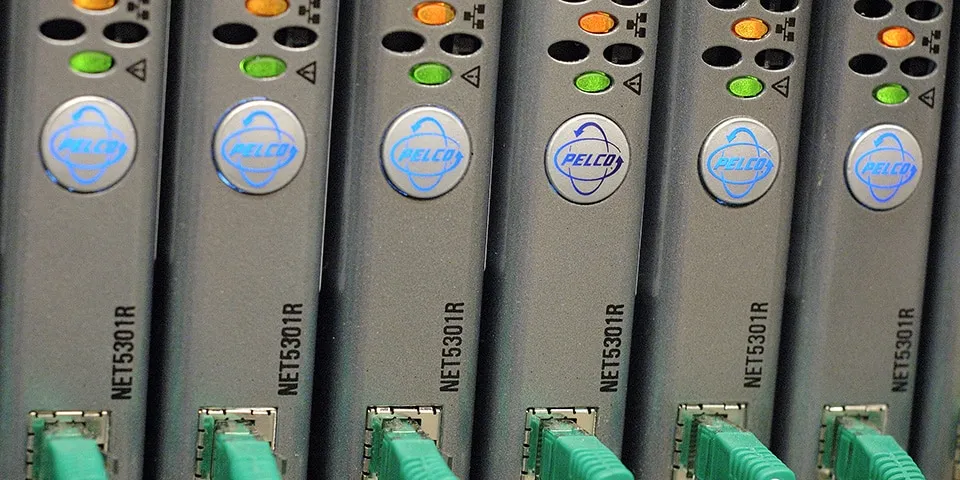
“Croonwolter&dros is responsible for the electrical engineering work, including operation and control, with the exception of the LFVs: the Logical Function Providers,” Dekker begins. “A sub-installation with its local operation and control is called an LFV. The LFVs together form the lowest abstraction layer in the installation. Each LFV comprises a defined control interface, a control programme and a local network connected to the sub-installations. Every technology supplier working on the Afsluitdijk operates within an LFV specified by Rijkswaterstaat and is responsible for meeting the requirements.”
When the 20 kV supply enters the intake station, it is distributed to the barrier lock, the pumping stations, and the new and existing sluices.
The electrical installation at a glance
Dekker takes us through all the components that will together make up the Afsluitdijk’s electrical installation: “There needs to be an operations station for control, and networks need to be set up for data, with a connection to Rijkswaterstaat. Cameras will be connected to this network, as the remote operations stations need to be able to see what is happening. It must also be possible to communicate from the operations station with both the skipper and the maintenance staff. One example is the communication required at the barrier lock near Den Oever. It is located in front of the existing lock. If information needs to be passed on while operating this installation, a voice link is needed. This can be provided by intercom or loudspeakers.”
An operations station will be set up in Den Oever for the barrier lock, the pumping stations, and the existing and new sluices. “All of these will be brought together at a single operations station at the current location,” Dekker continues. Another important safety feature is the access control system. “It is intended for use by staff, Rijkswaterstaat personnel and other parties who need to be there. A pass system with associated privileges provides physical access at a very high level of security. The intruder alarm system is also linked to it.” Safety also brings the fire alarm system (BMI) into the conversation. Dekker says: “The BMI, including the PVE (Programme of Requirements), is also part of the electrical installation. It is monitored in a hermetically sealed room at a PAC alarm monitoring centre in Alkmaar. Trained staff work there, qualified to respond correctly to alarm and emergency situations. Both fire and intruder alarms are received at the PAC alarm monitoring centre.”
The barrier lock requires 630 KVA, the pumping station 1600 KVA, the sluice structures 2 x 1000 KVA, and each of the other buildings 1000 KVA.
The right power supply
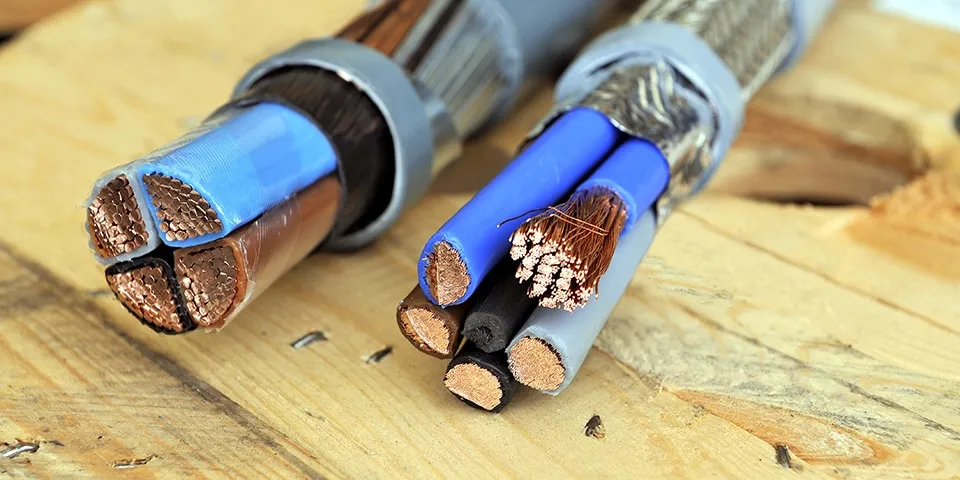
Special cables are being installed to supply the electrical installation with power and keep it energised in all circumstances. “Den Oever requires 20 MVA, supplied at 20 kV via cables from Middenmeer. This falls within Liander’s scope. Redundancy is provided by a backup power supply from Anna Paulowna. Croonwolter&dros is building the intake station in its entirety, which will also contain server rooms and maintenance rooms.”
“When the 20 kV supply enters the intake station, it is distributed to the barrier lock, the pumping stations, and the new and existing sluices. The barrier lock requires 630 KVA, the pumping station 1600 KVA, the sluice structures 2 x 1000 KVA, and each of the other buildings 1000 KVA. In addition, each pump (6x) will have a 20 kV supply with a capacity of 2,4 MVA. Flowserve will install its own transformer between the connection and the pumps.”
Hycom is responsible for all the required hydraulics. “We are saying goodbye to motor-operated gates; everything will be hydraulic. We will connect the Programmable Logic Controllers (PLCs) supplied by Hycom for control purposes. We send commands to the systems and receive feedback. This is done using the software, the 3B system: operation, control and monitoring.”
In conclusion, Dekker says: “No fewer than four divisions of Croonwolter&dros are involved in this project. Infra is responsible for project management and installing the systems on site, TAI for the software, GBBS for the building management system, and Utiliteit for the fire alarm systems. In addition, our High Voltage, Panel Building and Survey and Inspection specialisms are involved in the project.”
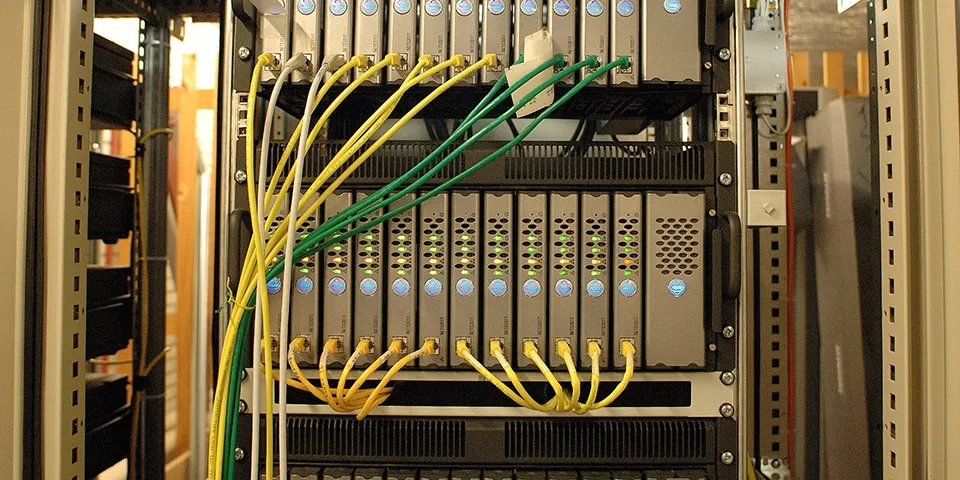
There needs to be an operations station for control, and networks need to be set up for data, with a connection to Rijkswaterstaat.
A business enquiry for Croonwolter&dros? Get in touch
Who worked on Afsluitdijk
- clientRijkswaterstaatMentioned in Greater discharge capacity through specialist, bespoke pump design
- central control
 Croonwolter&drosMentioned in Afsluitdijk system integration: invisible and indispensable
- hydraulicsHycomIn this story
- supplierSaferoadMentioned in “Alternative systems are permitted, provided they comply with the rules”
- underwater construction
 DISA InternationalMentioned in 'Placing underwater concrete is all about good planning'
- underwater excavation
 BonneveldMentioned in A sheet pile structure with anchoring has been installed at the Lely monument, halfway along the dyke.
- technical integrator
 Batenburg Industrial AutomationMentioned in A complex IT puzzle on the Afsluitdijk
- contractorBoskalisMentioned in ‘You can’t see from the outside how much work is being done on the Afsluitdijk’
- Levvel construction consortiumInvesisMentioned in ‘You can’t see from the outside how much work is being done on the Afsluitdijk’
- contractors' joint ventureIJsselmeerwerken VOFMentioned in ‘You can’t see from the outside how much work is being done on the Afsluitdijk’
- clientProvince of FrieslandMentioned in ‘You can’t see from the outside how much work is being done on the Afsluitdijk’
- fire alarm and evacuation systems
 Unica Fire SafetyMentioned in Optimal fire safety for the Afsluitdijk
- Levvel construction consortiumAberdeenMentioned in Afsluitdijk reinforcement complete: pumping station and new sluices officially opened

Keep following this
Get an email when a new story is published. No account needed.
- ProjectAfsluitdijk
- ThemeFlood protection and climate-resilient water management
- SubjectWater infrastructure
- CompanyHycom
- CompanyCroonwolter&dros







