‘Standardising to move forward’
Text Armand Landman Beeld Rusthoven Verkeerstechniek
An entrepreneur between barriers and motorways
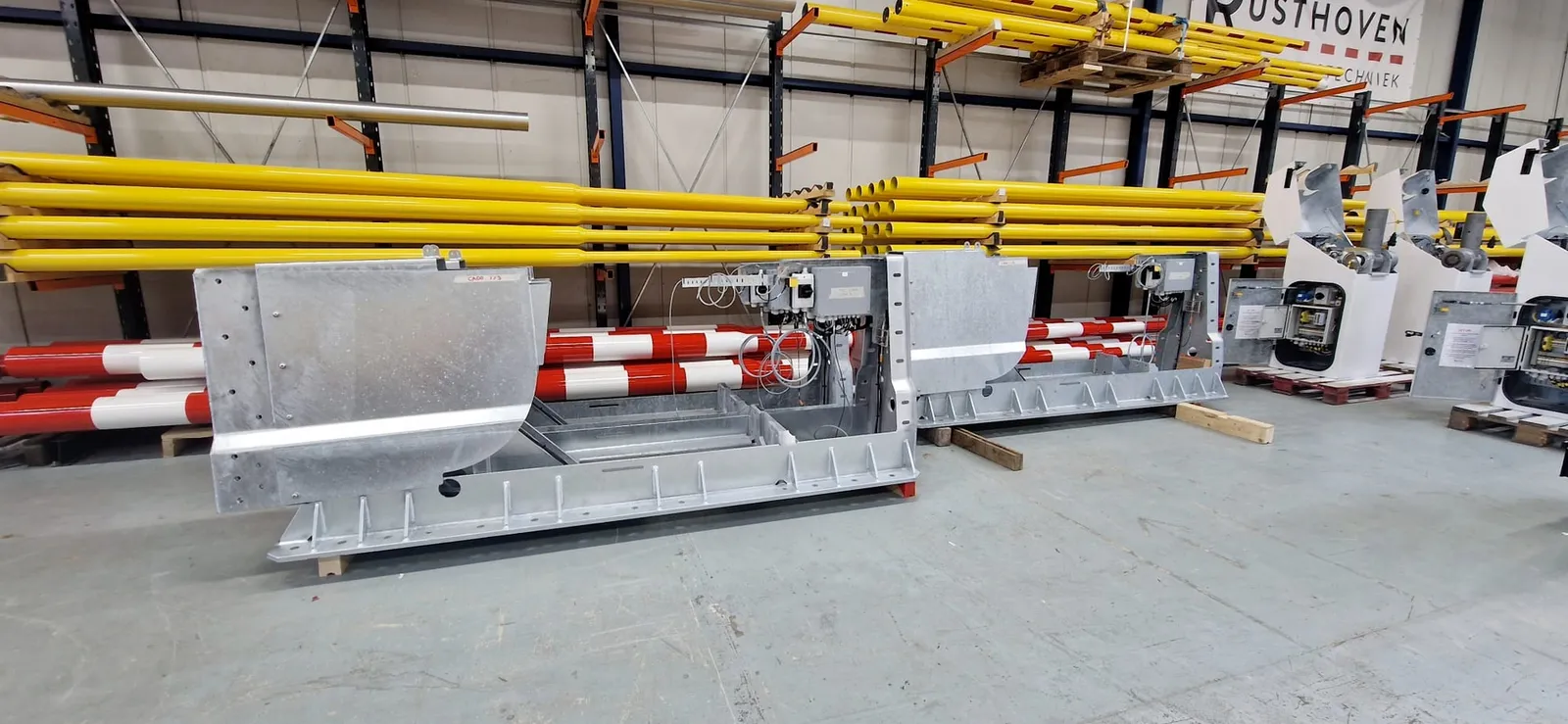
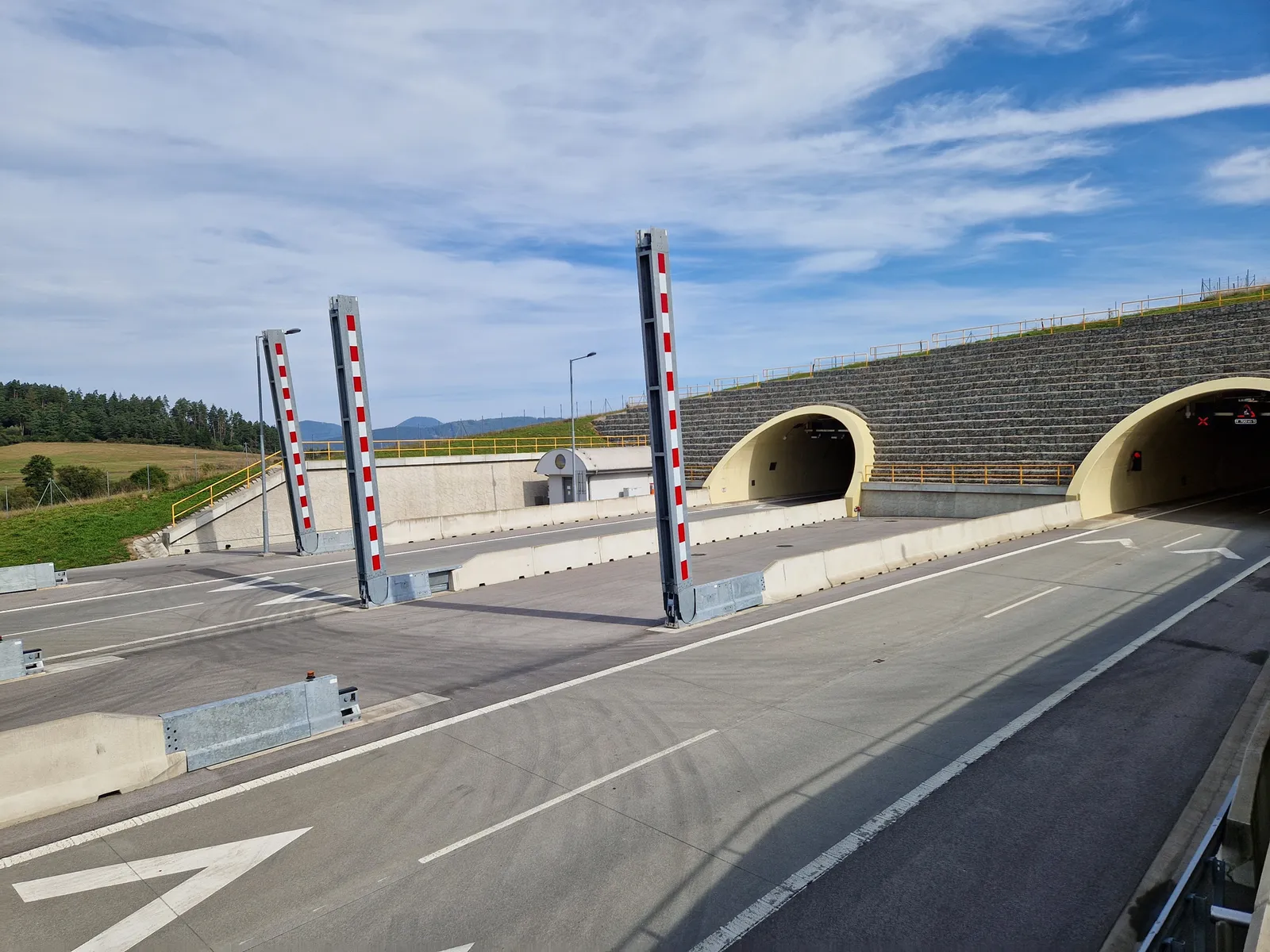
Mention barrier cabinets, vehicle restraint systems and innovative traffic solutions in the Netherlands, and the name Martin Nanninga soon comes up. As founder and director of VEVACADO International, he is building international success with a small but flexible consortium. Behind the business façade, however, lies a clear vision of how the Dutch infrastructure sector is developing, and where he believes there is room for improvement.
It is immediately clear when you speak to Martin Nanninga: he enjoys doing business, but is just as passionate about the craftsmanship behind his products. He combines entrepreneurship with technical pragmatism, and personal conviction with international ambition. His story begins with an unexpected move into the infrastructure sector, but has since developed into a career that has made its mark on the Dutch civil engineering and infrastructure industry.
A reset and a fresh start
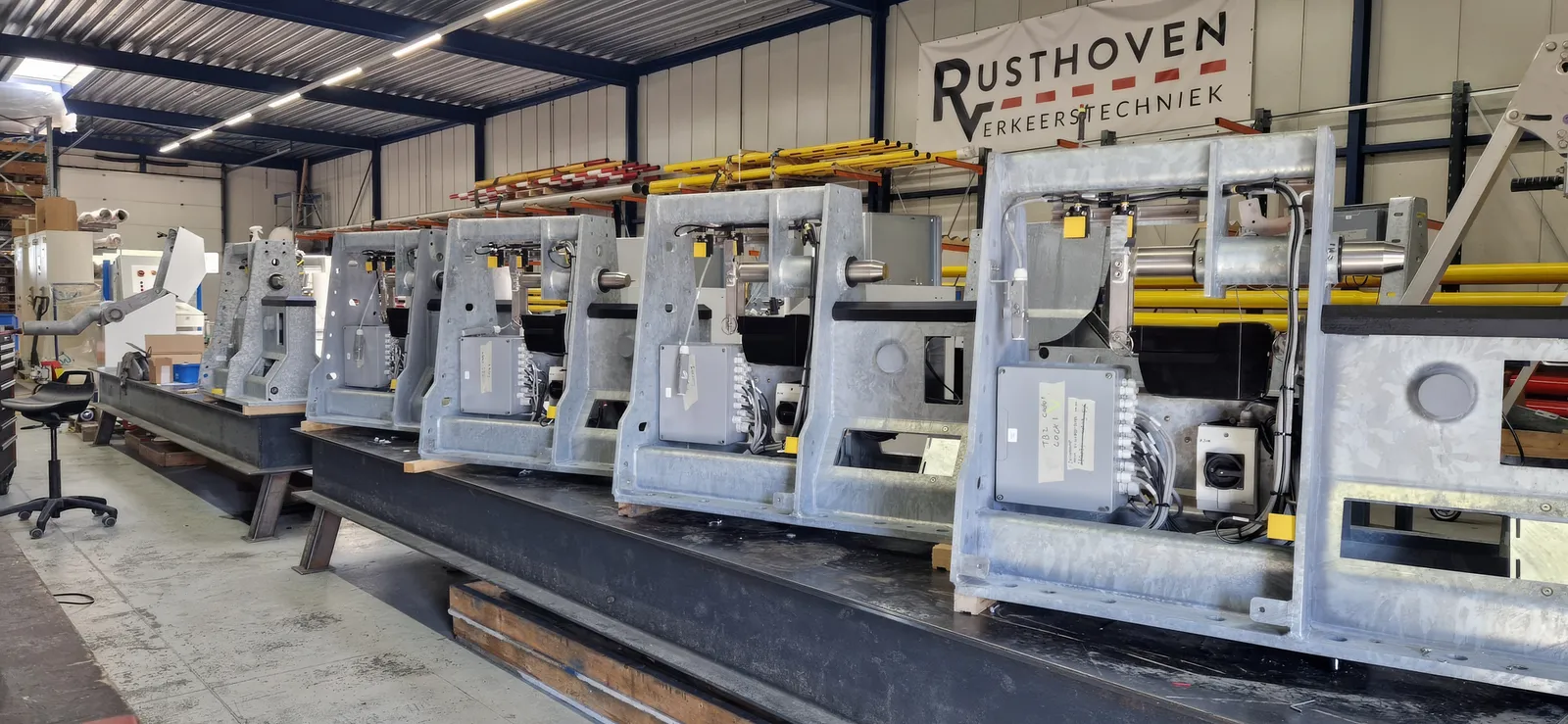
Until 2011, Nanninga had no involvement with barrier cabinets, tunnels or traffic safety. He calls that period his ‘reset phase’. A good friend, Jelte Hoving of Rusthoven Machinefabriek, once asked him to take a look at the barrier cabinets then supplied mainly as a by-product of bridge projects. “There wasn’t really a business model behind them,” says Nanninga. “They were products that simply came with the job, but had no identity of their own. That was an opportunity.”
Together with colleague Oene Boer, he delved into the product, improved the design and standardised it. This led to the founding of Rusthoven Verkeerstechniek, and not long afterwards to a multi-million-euro contract in Norway: barrier cabinets for upgrading 2,000 tunnels to European safety standards. “That was when I realised there was a market for a product that was often misunderstood around the world,” he says.
From SPIE to setting his own course
After Jansen Venneboer was sold to SPIE, Nanninga joined the multinational as sales manager. There, he was responsible for selling VEVA® and CADO® systems, which safely direct and regulate traffic at incidents or tunnel entrances. “The advantage was that I was talking to the same clients as I had for the barrier cabinets. That made it logical and efficient.”
When SPIE wanted to shift its focus towards service activities, Nanninga saw his opportunity. He took over the product lines and started his own business, VEVACADO International, in early 2025. “It was an eight-month carve-out, but since then we’ve had a company dedicated entirely to product development and going to market.”
Doing business as a consortium
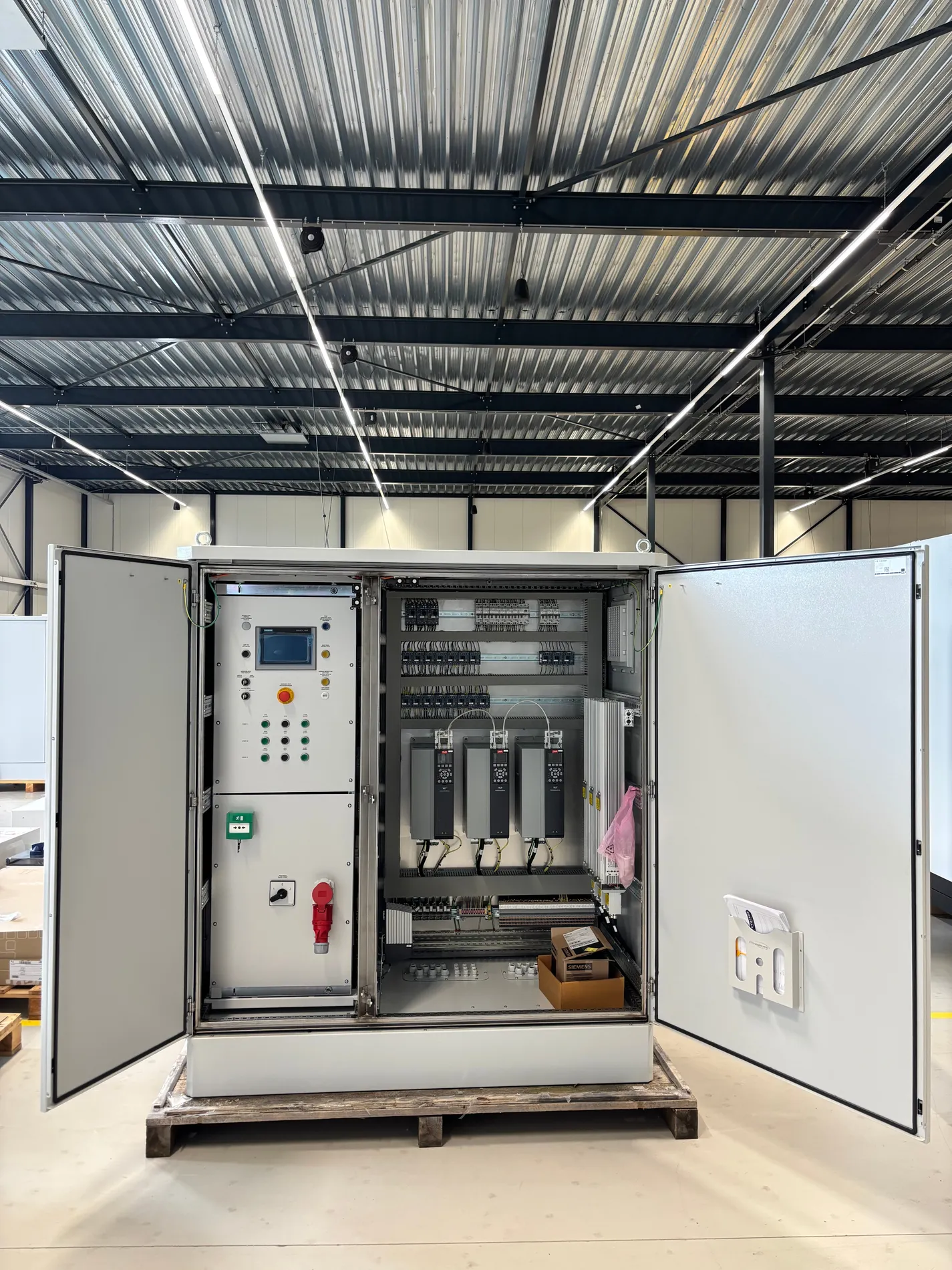
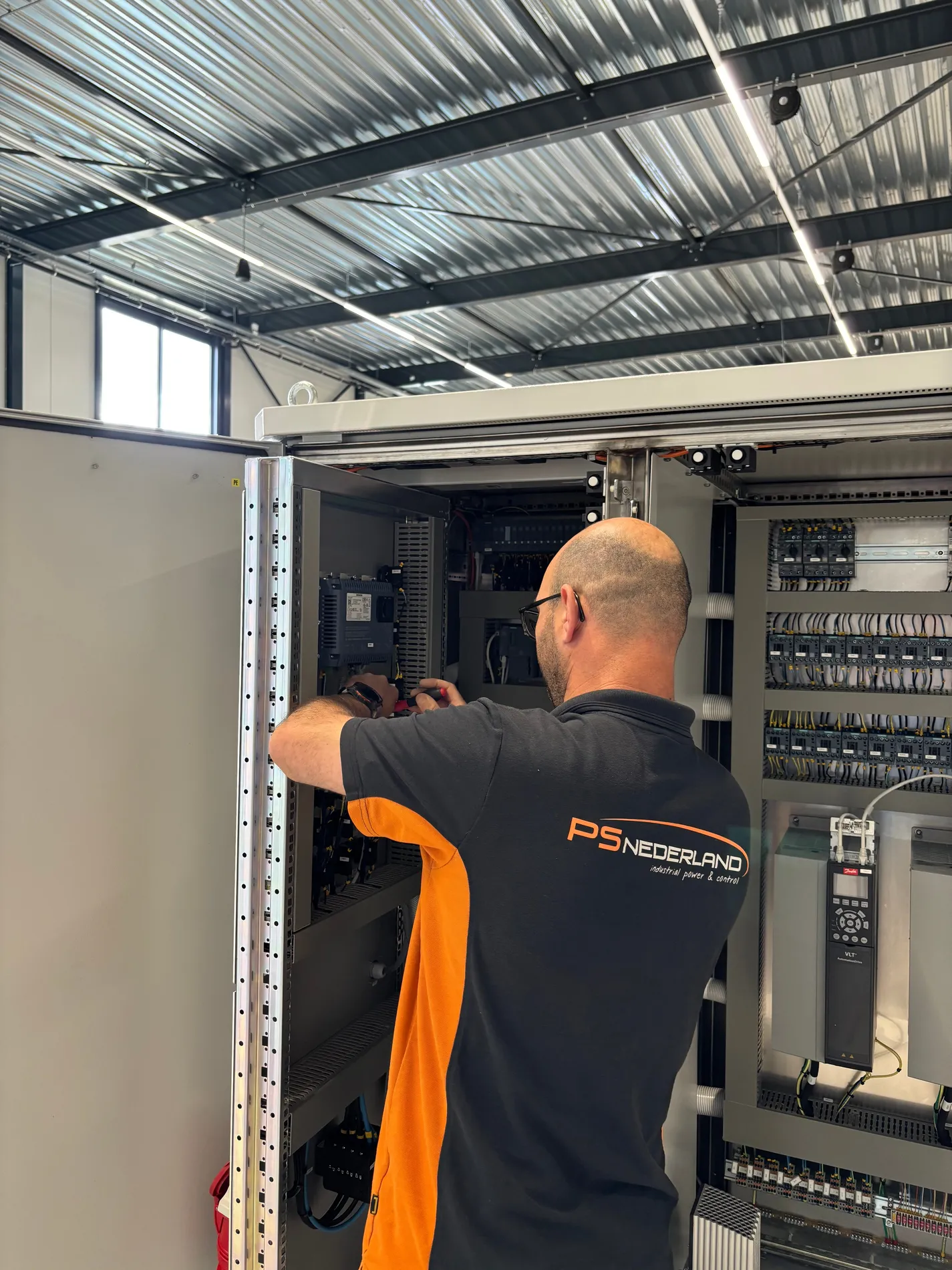
Nanninga deliberately opted for a small organisation, without a large workforce. He works with three partners, a steel fabricator, a control cabinet manufacturer and an assembly and installation company, who are also shareholders. “It’s a consortium structure that lets me scale up or down flexibly. If orders increase, I can easily scale up. But if a project is delayed, as often happens in tunnel construction, I’m not left with dozens of people waiting around,” Nanninga explains.
That flexibility pays off. While the Dutch market largely consists of replacement work, the growth opportunities are mainly overseas: Scandinavia, Germany and Denmark, as well as the Middle East. There, the benefits of fast-opening barriers and safe lane separation are immediately reflected in shorter queues and improved traffic safety.
The Dutch penchant for standards
Talk to Nanninga and you soon hear his forthright views on the Dutch approach. He admires its rigour, but also sees the downside. “In the Netherlands, we have the most sophisticated form of market protection,” he says. “Standards such as the VOBB mean foreign suppliers stand little chance. But at the same time, they force us to build products that are over-engineered in practice.” He gives an example: in the Netherlands, a barrier cabinet is officially required to last 50 years and withstand 500,000 operations. “In reality, such a cabinet is often replaced after 25 years. That discrepancy is absurd.” He is quick to stress, however, that certification, such as EN 1317 crash testing, remains crucial. “Without a certificate, you get nowhere. It’s like a driving licence: once you have one, no one asks whether you can drive.”
Standardisation as a strategy
Standardisation is a recurring theme for Nanninga. He believes products only become truly scalable and reliable when you move away from bespoke solutions. “Previously, we supplied a sort of prototype for every project. I don’t want to do that any more. Everything is now standardised, from the technical specification to the quotation. That saves endless discussions and gives customers clarity.”
He would like to see this philosophy applied more widely across the civil engineering and infrastructure sector, too. “Why does every municipality need its own version of a bridge or viaduct? Standardisation would make maintenance easier, keep components interchangeable and reduce costs. But in the Netherlands, there’s still a tendency to want a unique design for everything. Ultimately, road users care about safety and traffic flow, not aesthetic differences.”
Business is still about people
Behind the matter-of-fact figures and technical details, Nanninga also has a personal conviction. He describes himself first and foremost as a businessman, someone who enjoys interaction. “Doing business is always about people meeting. You can sit at the table on behalf of a large consortium, but in the end your proposal has to resonate with the person opposite you. That’s where you make the difference.”
Smarter and more international
Over the coming years, Nanninga wants to expand VEVACADO overseas. Major tenders in Scandinavia and the Middle East are in the pipeline, and innovation is focused mainly on smart control systems. “The hardware is largely fully developed. The next step is decision support from traffic control centres and cybersecurity. Get that right, and you can make a real difference to safety and traffic flow.”
With his consortium-based approach, international ambition and forthright views on the Dutch market, Martin Nanninga embodies the tension between tradition and innovation in the civil engineering and infrastructure sector. His message to the industry is clear: if you want to build the infrastructure of the future, you have to dare to standardise, and look beyond your borders.
Een zakelijke vraag aan VEVACADO International BV? Get in touch
Companies in this story
Keep following this
Get an email when a new story is published. No account needed.
- SubjectYearbook
- CompanyVEVACADO International BV