Arcen flood defence remains watertight even under extreme conditions
Text Suzanne van Gaale Beeld Trelleborg
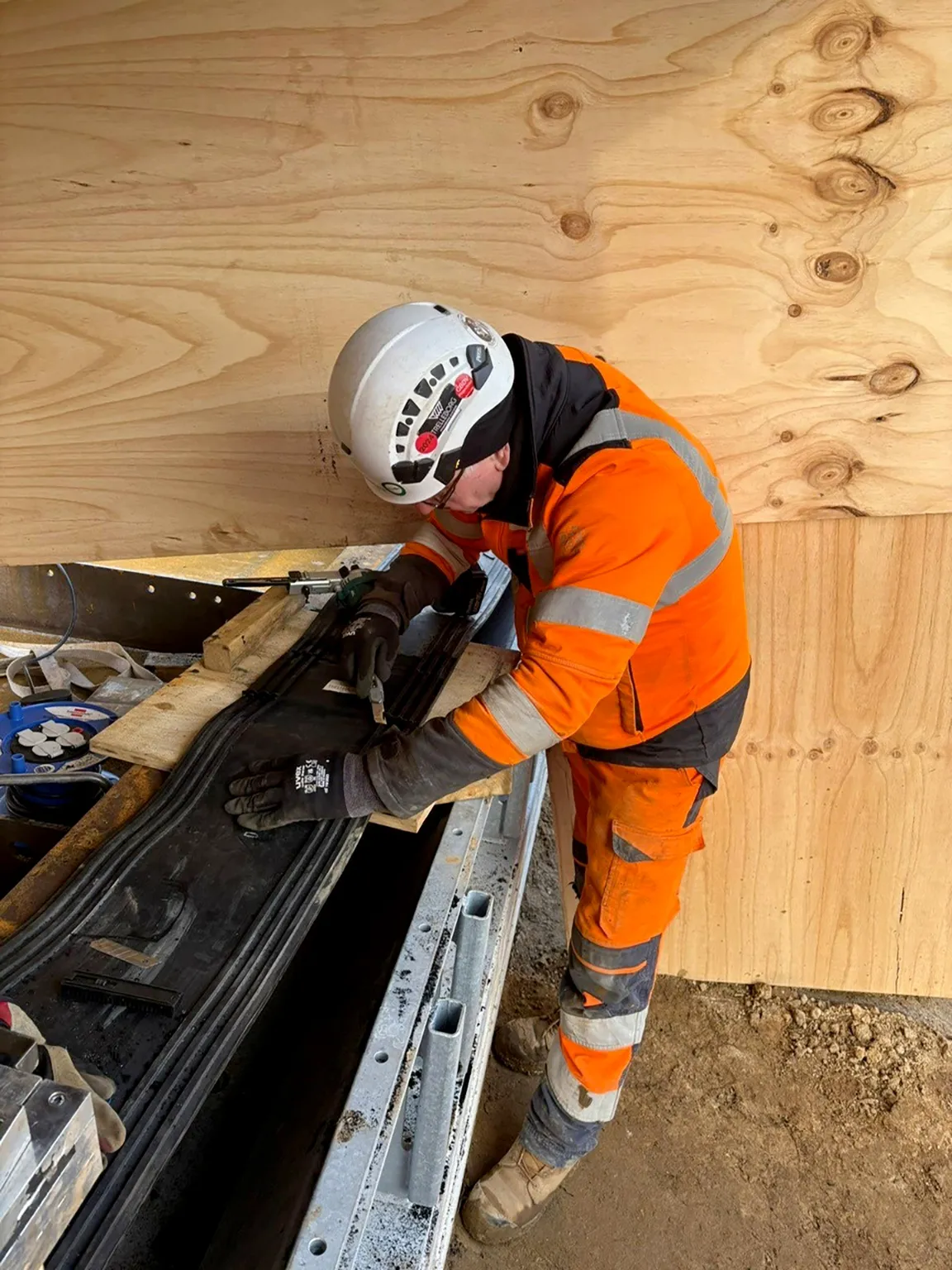
With a movable flood defence, most of the attention goes to the steel structure. However, a component that remains virtually invisible is just as important: the seals. They are what determine whether the defence remains completely watertight, even under extreme conditions. That is why sealing specialist Trelleborg was involved in the project from the design stage.
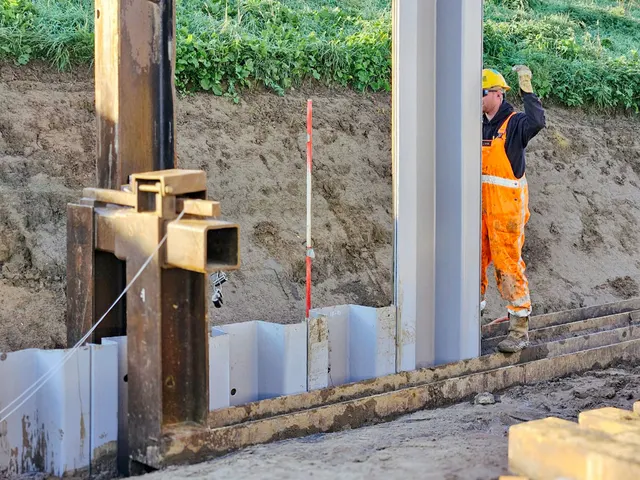
A sealing system for a flood defence needs to do much more than simply keep water out. It must accommodate construction tolerances, move with the steel sections of the defence, withstand high water pressure and remain reliable for a hundred years. At the same time, it must be practical to install. “From the earliest design stage, we worked with Hollandia to see how the seals could be optimally integrated into the steel structure,” says Bob Rijnders, Global Sales Water Infrastructure at Trelleborg. “Ultimately, it is the connection between the rubber and the steel that determines whether a flood defence is completely watertight.”
From design to practice
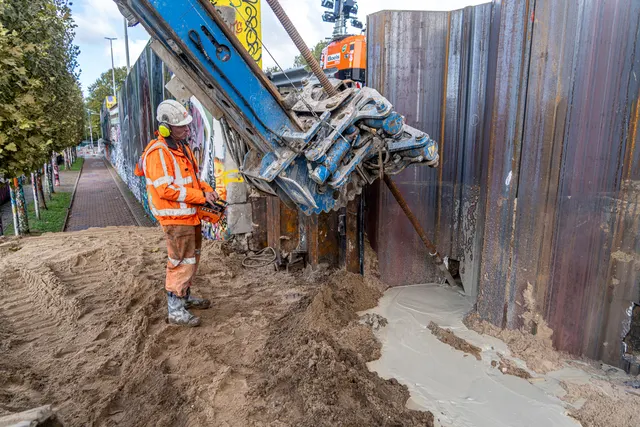
Given the vital role of the seals, Trelleborg’s contribution went beyond supplying products. The company worked on the entire engineering process, from design and production to testing, validation and support during construction. Before the final seals were installed, the project team built a full-scale test set-up. Both watertightness and the installation procedure were thoroughly tested using this mock-up. Any improvements could therefore be made before work began on site. The team also looked at how to make installation on site as efficient as possible.
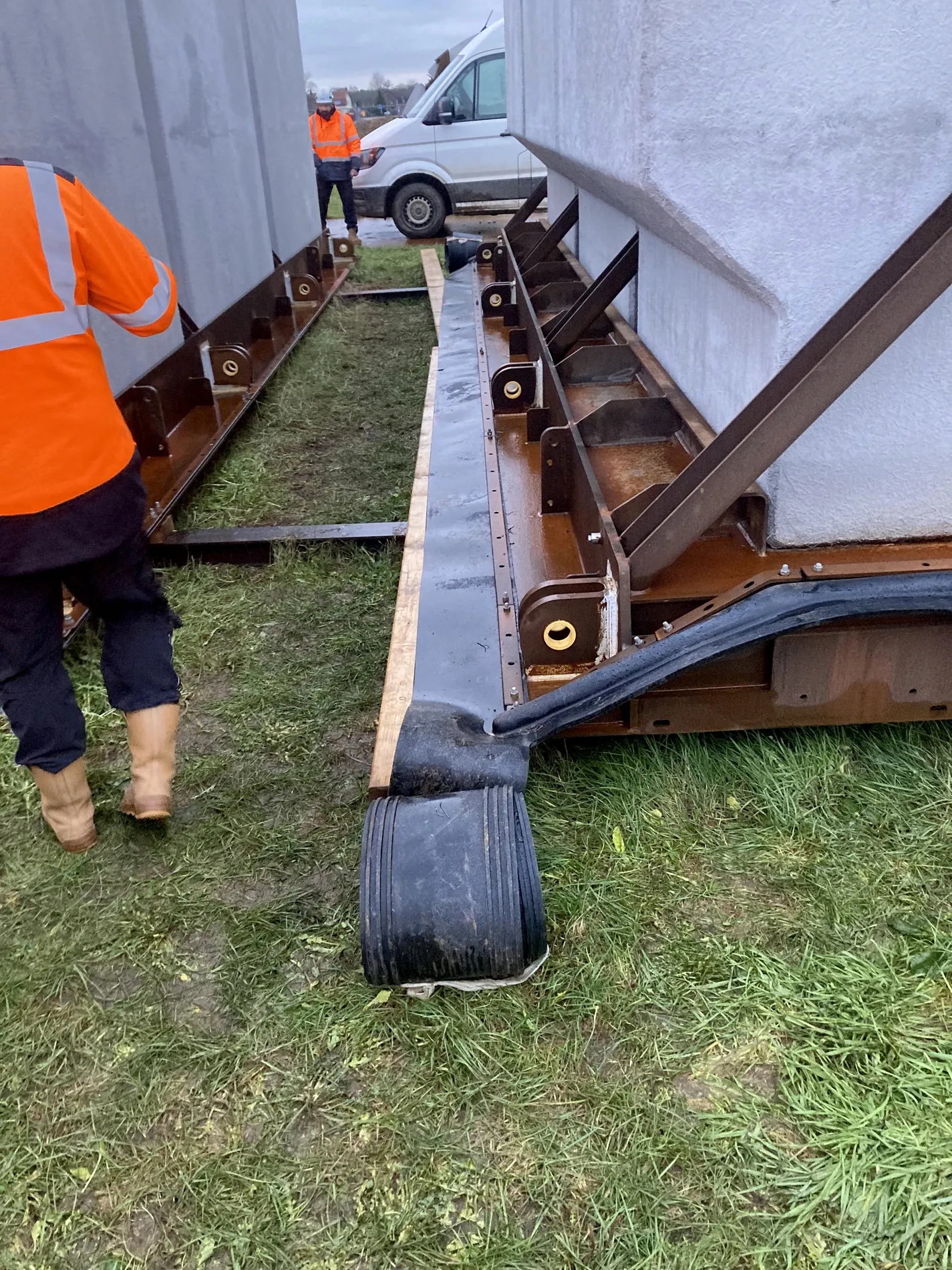
Bespoke solution for Arcen
The flood defence uses a combination of established sealing techniques, such as Omega and Lip seals, and a bespoke seal developed specifically for Arcen. This enabled the complete system to be precisely tailored to the geometry of the defence and its performance requirements. In developing the solution, Trelleborg was able to draw on experience gained earlier on the flood defence in Steyl. Arcen nevertheless required a project-specific approach. “The methodology was similar, but the design was entirely bespoke,” says Bob. “The flood defence in Arcen is considerably longer than the one in Steyl. As a result, the seals could not be transported and installed as a single unit. The solution was to manufacture the seals in separate sections and join them on site using a vulcanisation process. The rubber is heated under controlled conditions, creating a strong, durable and completely watertight joint.”
Working together from the drawing board
According to Vesco Metikos, project manager at Hollandia, the project’s strength lay above all in the close collaboration between all the parties involved. “Trelleborg did more than act as a supplier: from the outset, it also contributed specialist engineering expertise. This meant technical challenges could be resolved during the design phase, and the sealing system could continue to develop as the project progressed.”
The project also gave Trelleborg valuable practical experience. Bob says: “Our engineers and installers will take these lessons into future projects, where we can apply and further refine the knowledge gained in Arcen.”
Een zakelijke vraag aan Trelleborg Ridderkerk B.V.? Get in touch
Companies in this story

Keep following this
Get an email when a new story is published. No account needed.
- ThemeFlood protection and climate-resilient water management
- SubjectDijkversterking Arcen
- CompanyTrelleborg Ridderkerk B.V.