Drinking water comes above ground at InfraTech
Text and images Ahoy Rotterdam
Drinking Water Square brings water companies to the heart of the infrastructure sector
A glass of tap water may seem unremarkable. Yet behind this simple act lies a vast infrastructure of sources, abstraction fields, treatment plants, pumping stations, reservoirs and thousands of kilometres of pipes. It is a system that has to operate around the clock, but is coming under increasing pressure. Demand is growing, sources are becoming polluted, the subsurface is getting more crowded and climate change is making the availability of fresh water less predictable.
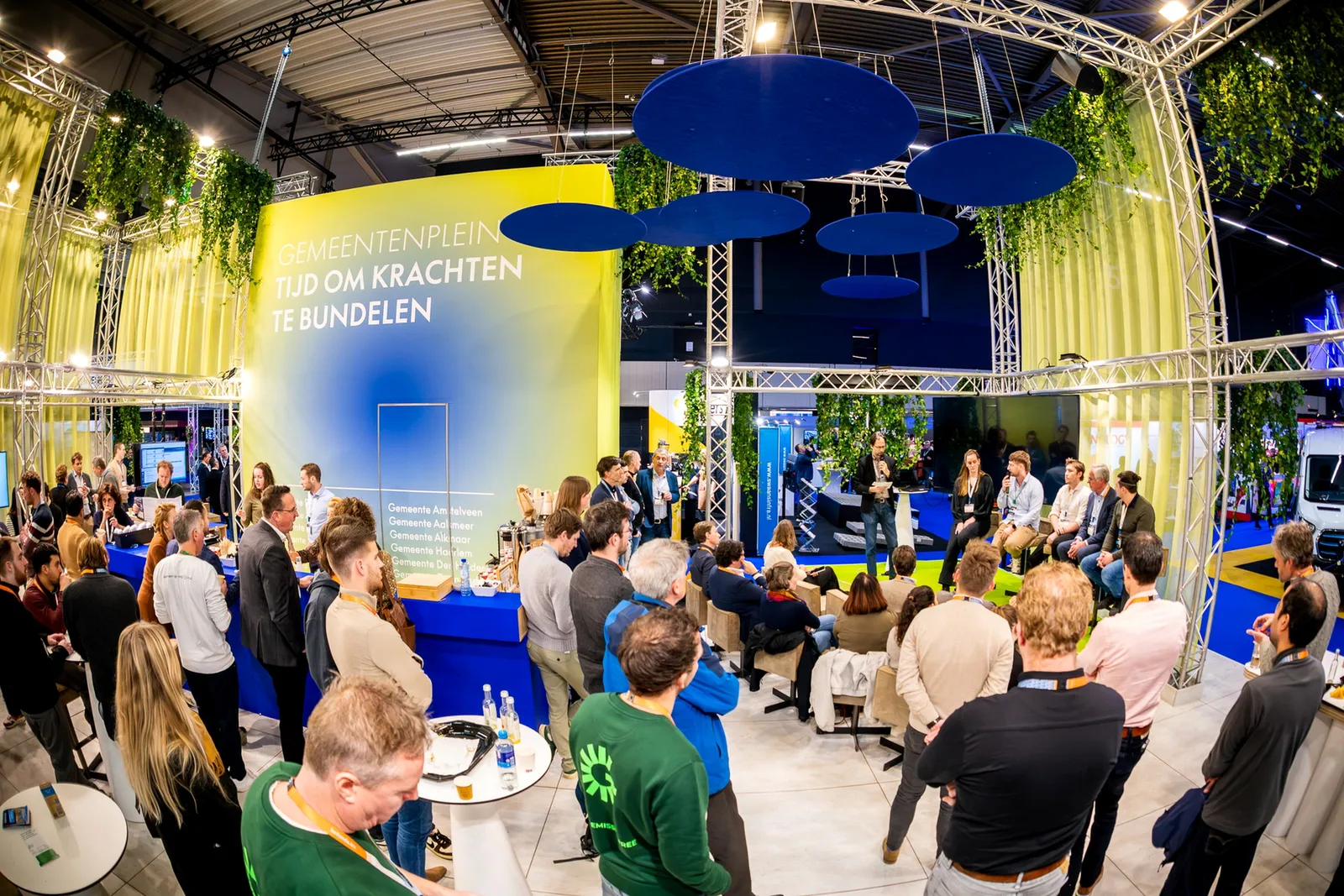
Against this backdrop, the Dutch drinking water sector will have its own joint meeting place at InfraTech 2027 for the first time. At the new Drinking Water Square in Hall 3, Dutch water companies will present themselves together. Waternet, PWN, Vitens and trade association Vewin are among those working on the programme.
The programme is still being developed. Even so, the sector’s joint presence at Rotterdam Ahoy is significant in itself. Drinking water supply is no longer solely a concern for water technologists and source managers. It is increasingly a spatial, infrastructural and societal challenge.
A new position
Companies in the drinking water supply chain have been represented at InfraTech for some time. What is new is that public water companies are now also taking a joint position. This means that, alongside Water Board Square, another key part of the water sector will have a visible presence on the exhibition floor.
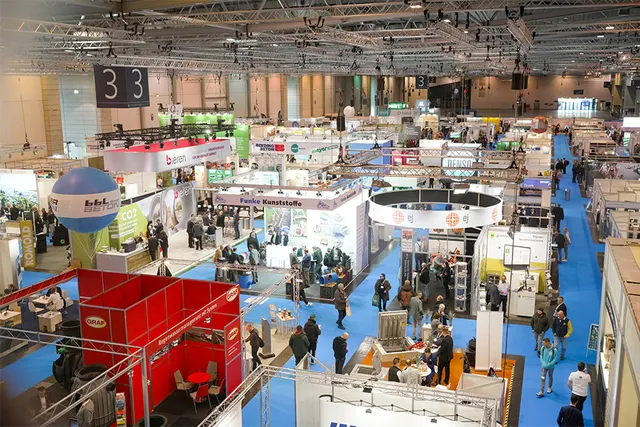
This reflects the widening scope of InfraTech. More than 23,000 visitors attended the previous edition at Rotterdam Ahoy. Contractors, engineering firms, suppliers, municipalities, provinces, water authorities and Rijkswaterstaat meet there. This mix is precisely what makes the exhibition interesting for water companies. After all, expanding and upgrading their infrastructure depends on almost all the organisations represented there.
A new abstraction site or treatment plant cannot be developed without permits, spatial planning procedures, civil engineering design, process engineering and delivery capacity. A water main intersects with roads, railways, flood defences, nature reserves and urban redevelopment. Even what appears to be a routine pipe replacement requires coordination with municipalities, network operators, sewerage managers and local residents.
The Drinking Water Square could therefore become the physical place where a sector that operates largely underground and behind the scenes connects with the wider infrastructure market.
Threat of a shortage
The situation is urgent. The ten water companies together produce around 1.2 billion cubic metres of drinking water each year. Without additional measures, a production capacity shortfall of around 102 million cubic metres is expected by 2030. Every water company will need extra capacity by then; some are already approaching their limits, or will do so in the near future.
To avert this, the Action Programme for the Availability of Drinking Water Sources 2023-2030 was presented at the previous edition of InfraTech in 2025. The programme includes plans for fourteen regions and agreements between water companies, provinces, central government, municipalities and water managers. Implementation is proving complex, however. New sources must be found and protected, permits must be granted, and production sites, reservoirs and pipelines must be expanded.
At the same time, drinking water needs compete with housing, agriculture, nature, energy and economic development. Procedures take a long time, while developing new abstraction sites and infrastructure also takes years. The current situation does not mean that taps will run dry everywhere tomorrow. However, the scope to accommodate growth, dry periods or incidents will shrink if projects do not get under way in time.
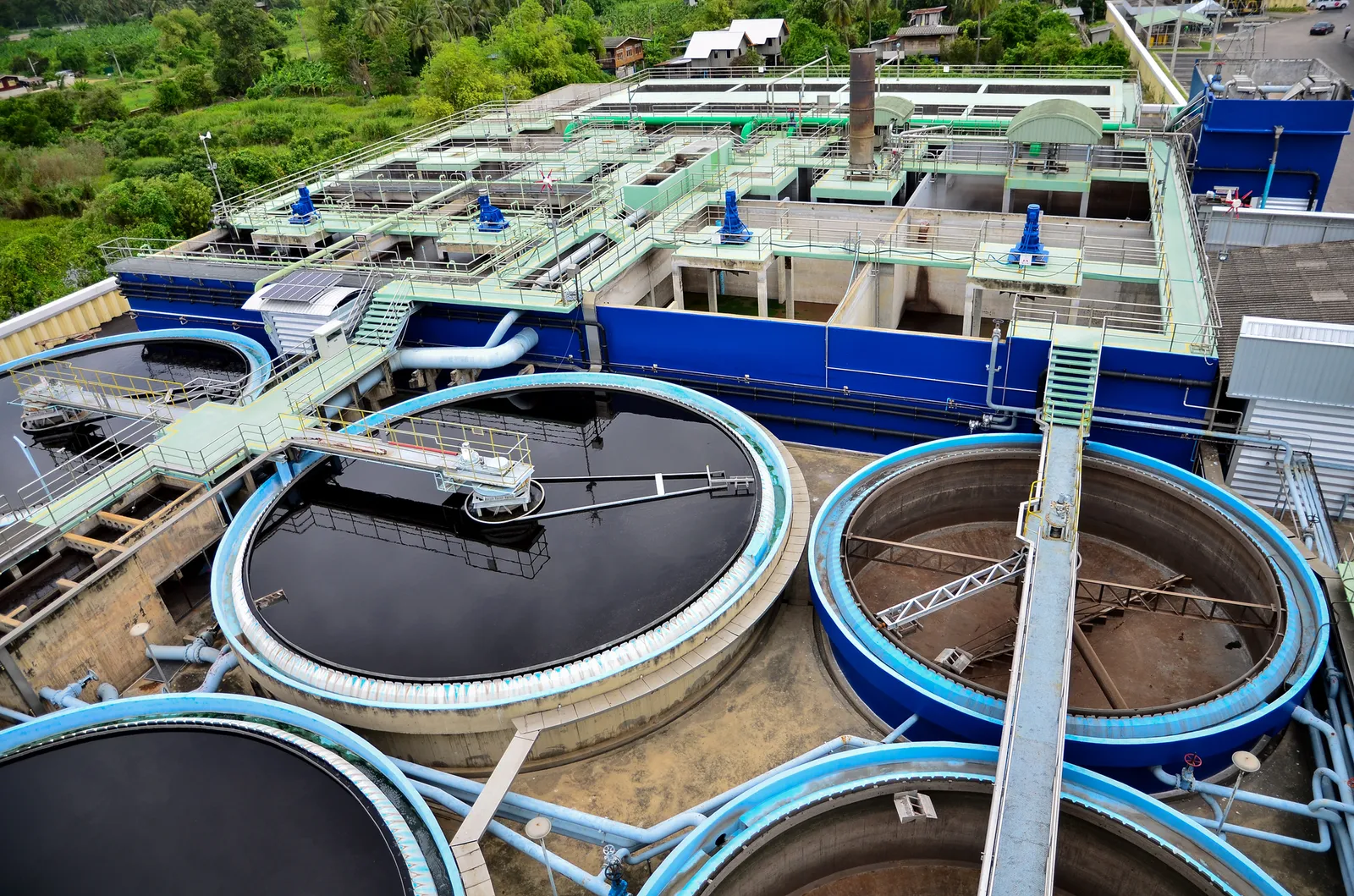
For the civil engineering and infrastructure sector, this capacity challenge translates into a growing pipeline of design, construction and renovation projects. These involve not only pipes, but also intake points, well fields, pumping stations, treatment plants and storage facilities.
Polluted sources
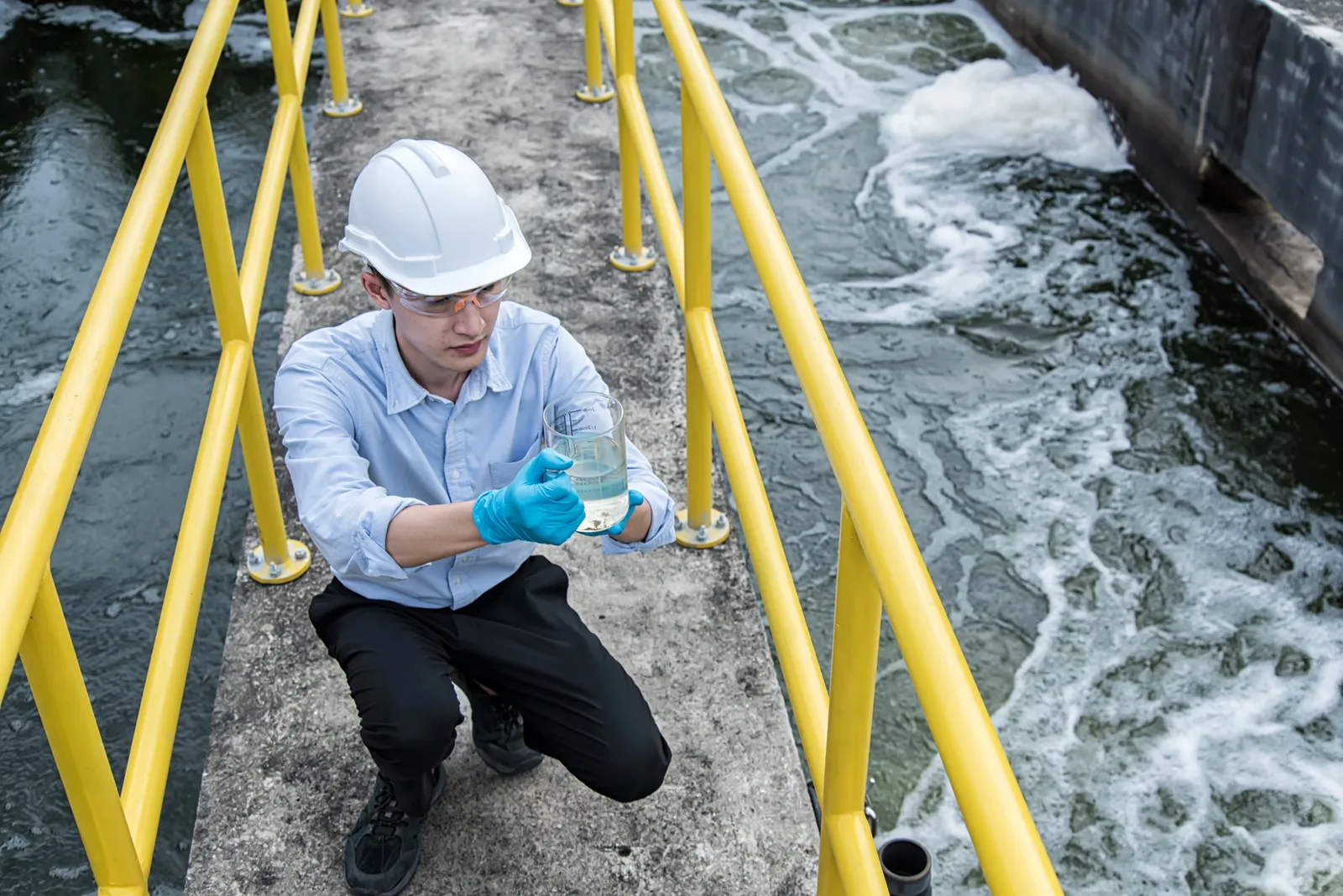
At the same time, source water quality is under pressure. Groundwater and surface water increasingly contain residues of pesticides, fertilisers, medicines, PFAS and other persistent substances. The Human Environment and Transport Inspectorate notes that it is becoming increasingly difficult to maintain the high quality of Dutch drinking water.
Climate change compounds the problem. During dry periods, less river water is available to dilute pollutants and the risk of salinisation increases. In hot summers, water temperatures rise, while heavy rainfall can cause sewer overflows and surface water pollution.
Water companies can remove many substances from water, but every additional treatment step requires plant, energy, chemicals and investment. There is also a fundamental question: how much technical treatment is reasonable if pollution is not prevented at source?
RIVM research into the future of drinking water supply shows that after 2030, other sources, such as brackish groundwater, may also be needed. In the longer term, even seawater and treated wastewater are being considered. These would require new treatment technologies, adapted regulations and, once again, infrastructure. Protecting existing sources is therefore at least as important as developing alternatives.
A crowded subsurface
The distribution network is also a major challenge. Together, water companies manage more than 120,000 kilometres of pipes and over eight million connections. The network is around forty years old on average. Many pipes can last for decades, provided they remain undisturbed in the ground. The Netherlands does not, therefore, have a nationwide network of ageing pipes. At around five per cent, its water losses are among the lowest in Europe.
Nevertheless, pipes need to be extended, rerouted and eventually replaced. This work takes place in an increasingly crowded subsurface. Electricity cables, heat networks, sewers, fibre-optic cables and other infrastructure all need space. Trees, climate adaptation measures and new foundations add further demands.
Temperature is also a factor for drinking water. Heat networks can warm nearby drinking water pipes and affect water quality. These points of interaction show why coordination cannot wait until a trench is already open. Drinking water must be part of area development and redevelopment projects from the planning stage.
A neighbourhood-based approach, joint long-term planning and better sharing of asset data can prevent the same street from being dug up several times or pipes having to be replaced prematurely. This creates a direct link with contractors, engineering firms, municipalities and other network operators.
Use less
Building new infrastructure alone is not enough. Demand must also fall. The national target is to reduce household use to a maximum of 100 litres per person per day by 2035. The average has already fallen in recent years from around 125 to 118 litres, but a substantial further reduction is still needed. Business users, too, must use twenty per cent less drinking water by 2035.
Saving water also has implications for the construction and infrastructure sector. Examples include rainwater harvesting, greywater systems, water-saving installations and using other water qualities for industrial processes, cleaning or irrigation. The challenge is to make such solutions safe, affordable and suitable for wider use. This requires technical innovation, as well as standards and clear agreements on management and responsibilities.
Connections across the sector
Although the Drinking Water Square programme has yet to be finalised, preparations for InfraTech already show where the key connections lie. The knowledge programme is being developed around six themes: Replacement & Renovation, Underground Infrastructure, Climate & Sustainability, Digitalisation, Human Capital, and Mobility & Logistics.
Replacement & Renovation focuses on a systems approach, supply chain responsibility and greater standardisation. Underground Infrastructure centres on scarce space, neighbourhood-based working and the coordinating role of municipalities. Climate adaptation, data exchange, digital twins and cyber
resilience and the shortage of technical staff cut across all these areas.
Not all these topics will automatically feature at the Drinking Water Square. They do, however, form precisely the context in which water companies will have to operate in the years ahead. Preparations are also focusing on collaboration with Water Board Square and other public-sector clients. The InfraTech programme will be developed further in the run-up to the exhibition.
From showcase to workshop
Ultimately, the value of the square will depend on its content. A collection of company stories alone would not do justice to the scale of the challenge. It will be more valuable if water companies jointly show which projects are coming up, what obstacles they face and what expertise and capacity they need from the market.
Contractors and engineering firms, in turn, can explain what standardisation, contract models and long-term project planning are needed to free up capacity. Suppliers can showcase innovations in leak detection, trenchless techniques, modular treatment, smart meters and data. Public authorities can agree on permits, spatial reservations and integrated planning.
The Drinking Water Square could thereby become more than a showcase. It could grow into a workshop where a vital sector develops solutions together with the infrastructure market. Because reliable drinking water does not start at the tap. It starts with the choices made today about sources, space, infrastructure and collaboration.
Question about this story? Ask your question
Companies in this story
Keep following this
Get an email when a new story is published. No account needed.
- ThemeUnderground construction
- SubjectInfraTech
- CompanyInfraTech