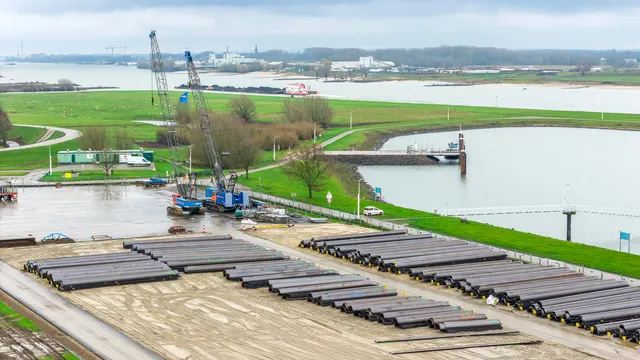
Courage, innovation and collaboration in hydraulic engineering
Text Roel van Gils Beeld Vereniging van Waterbouwers
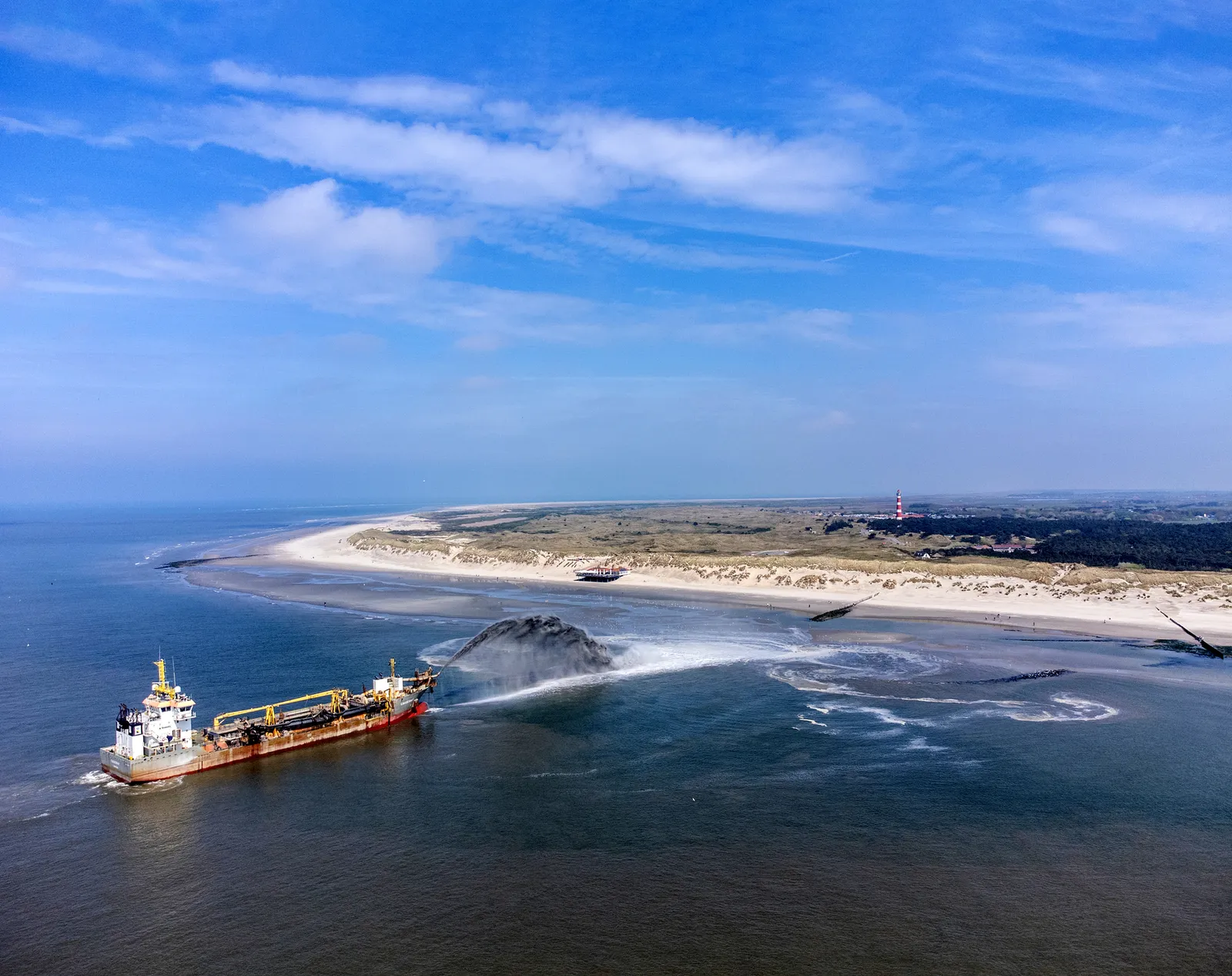
The Netherlands is inextricably linked to water. From dike reinforcement and coastal maintenance to waterways, ports and climate adaptation, hydraulic engineering underpins a safe, accessible and liveable country. According to Andrea Vollebregt, director of Vereniging van Waterbouwers, that role will only become more important in the years ahead. “The challenges are growing, while pressure on resources, people and raw materials is increasing. That is precisely why investment in innovation, collaboration and trust between clients and contractors will become even more important in the years ahead.”
Dutch hydraulic engineering enjoys a high international reputation. “Not only because of our high level of expertise and genuine craftsmanship, but also because our sector develops solutions to global challenges such as climate change, water safety and sustainability,” says Andrea. “Of course, we face those same challenges here at home. Rising sea levels, longer periods of drought and increasingly extreme rainfall call for a different approach to the way the Netherlands is organised. In the past, water was drained away as quickly as possible. Now, the focus is increasingly on retaining water without losing sight of safety.”
A major programme of work
At the same time, the sector faces a major delivery programme. “The Hoogwater-beschermingsprogramma is continuing at full pace, as are coastal nourishment projects, bank reinforcements and the maintenance of ports and waterways,” Andrea says. “The Water Framework Directive also requires considerable effort. We must meet European standards by the end of 2027 at the latest. This means clients and market parties must jointly deliver a large number of measures in the years ahead.”
A sector in motion
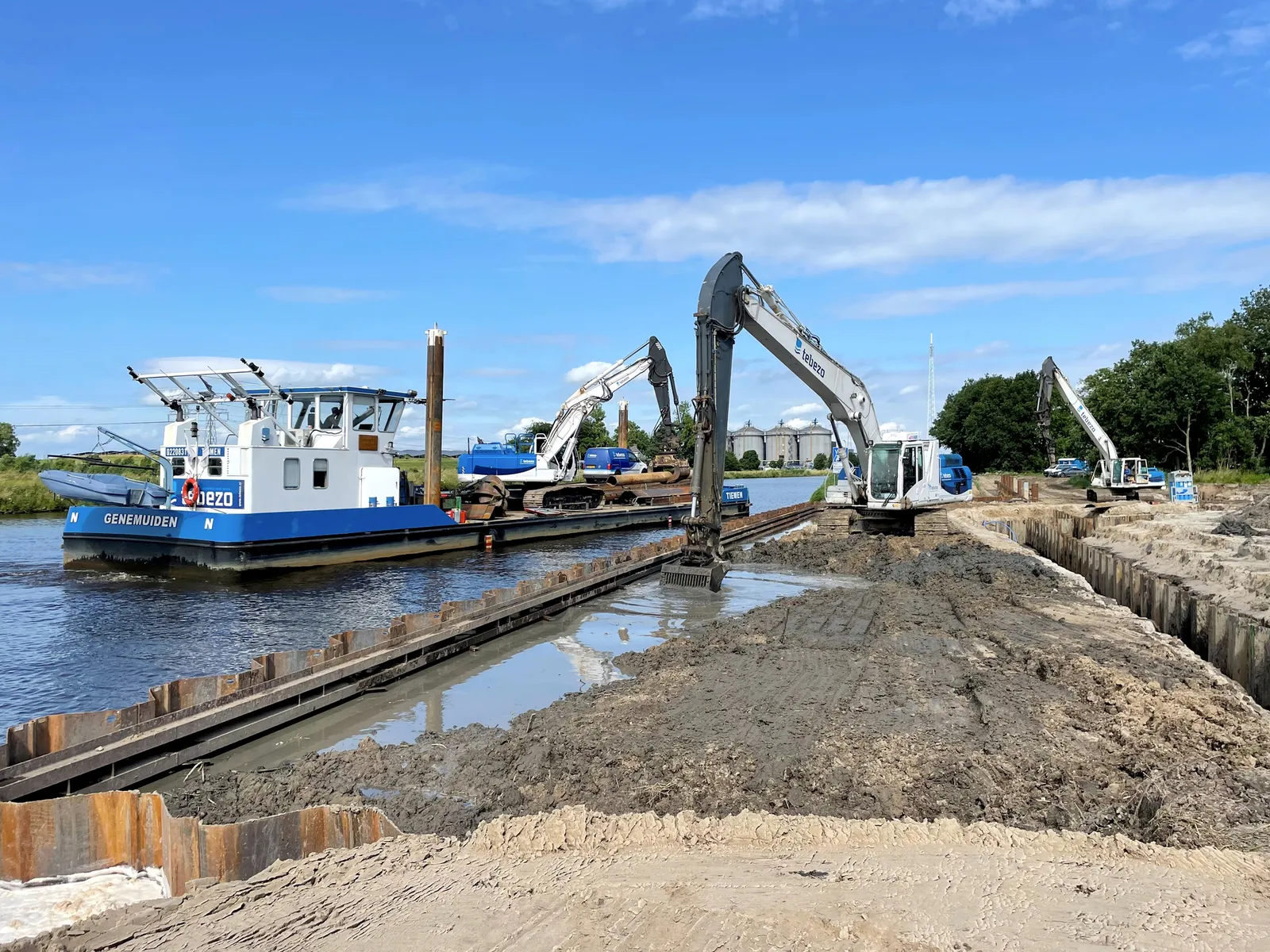
The drive for sustainability is also transforming hydraulic engineering. “The sector has been investing for years in zero-emission equipment, electrification and new propulsion technologies such as hydrogen. It is not only machinery that is changing: working methods are also becoming smarter and more sustainable,” Andrea says. She notes that circularity is another complex challenge. “Regulations often restrict the reuse of raw materials, while the supply of primary construction materials such as sand, clay and gravel is under increasing pressure. This makes innovation essential, but it also calls for realistic conditions.”
Collaboration
Innovation does not happen by itself, Andrea believes. “It requires financial headroom, courage and mutual trust. Clients can involve market parties in projects at an earlier stage, so that contractors’ practical expertise is put to use during the planning phase. Allowance for unforeseen circumstances is essential, particularly on complex projects. Only by working together can projects be delivered faster, more intelligently and more efficiently.”
Careers campaign
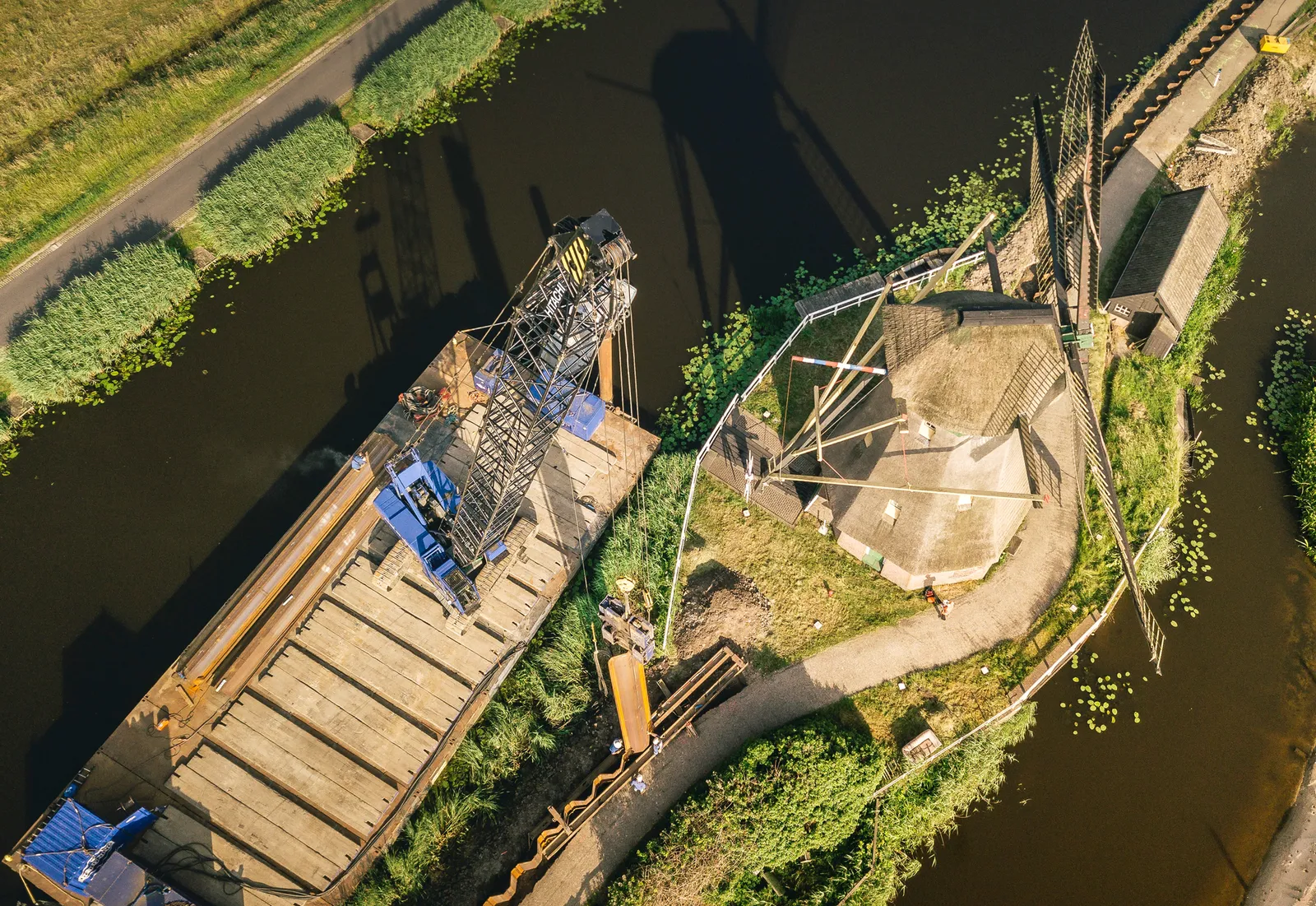
There is another major challenge: ensuring a sufficient supply of skilled workers. “Enrolment in hydraulic engineering courses is falling, while demand for technical talent is growing. That is why our sector is making every effort to get young people interested in a career in hydraulic engineering from an early age, for example through our own careers campaign ‘kieswaterbouw.nl’ and a hydraulic engineering activity at the ‘Jij bouwt de toekomst’ theme park in Harderwijk. We are also working to bring hydraulic engineering knowledge into maritime and civil engineering courses. Working with water means working on the future of the Netherlands.”
Setting priorities
Andrea rightly points out that the government faces difficult choices. “Rijkswaterstaat has to set priorities because of limited financial resources, while much of the water infrastructure is nearing the end of its technical service life. As a trade association, we have been asked to contribute our thoughts. This includes considering how we can tackle the challenges faster, more efficiently or, potentially, at lower cost. However, there is no doubt that additional funding will ultimately be needed to maintain and renew Dutch infrastructure, including its water infrastructure.”
Andrea stresses that without sufficient investment in dikes, locks, pumping stations, ports and waterways, not only water safety but also the Netherlands’ economic strength will be put under pressure. “It is up to us, together with clients and policymakers, to keep conveying that message to politicians in the House of Representatives. Water safety and Dutch infrastructure, including its water infrastructure, really must receive more attention.”
Question about this story? Ask your question
Keep following this
Get an email when a new story is published. No account needed.
- ThemeFlood protection and climate-resilient water management
- SubjectWater infrastructure