Platform on civil engineering, underground infrastructure, energy, construction equipment & construction machinery

In the event of a serious accident, attention often focuses on the immediate cause. A defective part, an error in procedure, or a technical failure may seem to explain it. But according to Mitran Boelee, a psychologist and business administrator at Aboma who specializes in accident investigation, the reality is almost always much more complex. Behind an incident, there are often dozens of human, organizational, and technical factors at play.
‘It was human error’ is a conclusion Mitran would rather not hear. “People make mistakes. Everyone does,” he emphasizes. According to him, the real question is how such a mistake could escalate into a serious accident within an organization.
For many years, Mitran has been investigating both minor and major incidents in the construction, infrastructure, and industrial sectors. He got his first taste of the job immediately after graduating, when he helped investigate the crane accident in Alphen aan den Rijn. Together with safety experts and technicians, he meticulously reconstructed how the incident might have occurred. This was followed by other complex investigations into accidents involving lifting and pile-driving operations, including incidents with fatal outcomes.
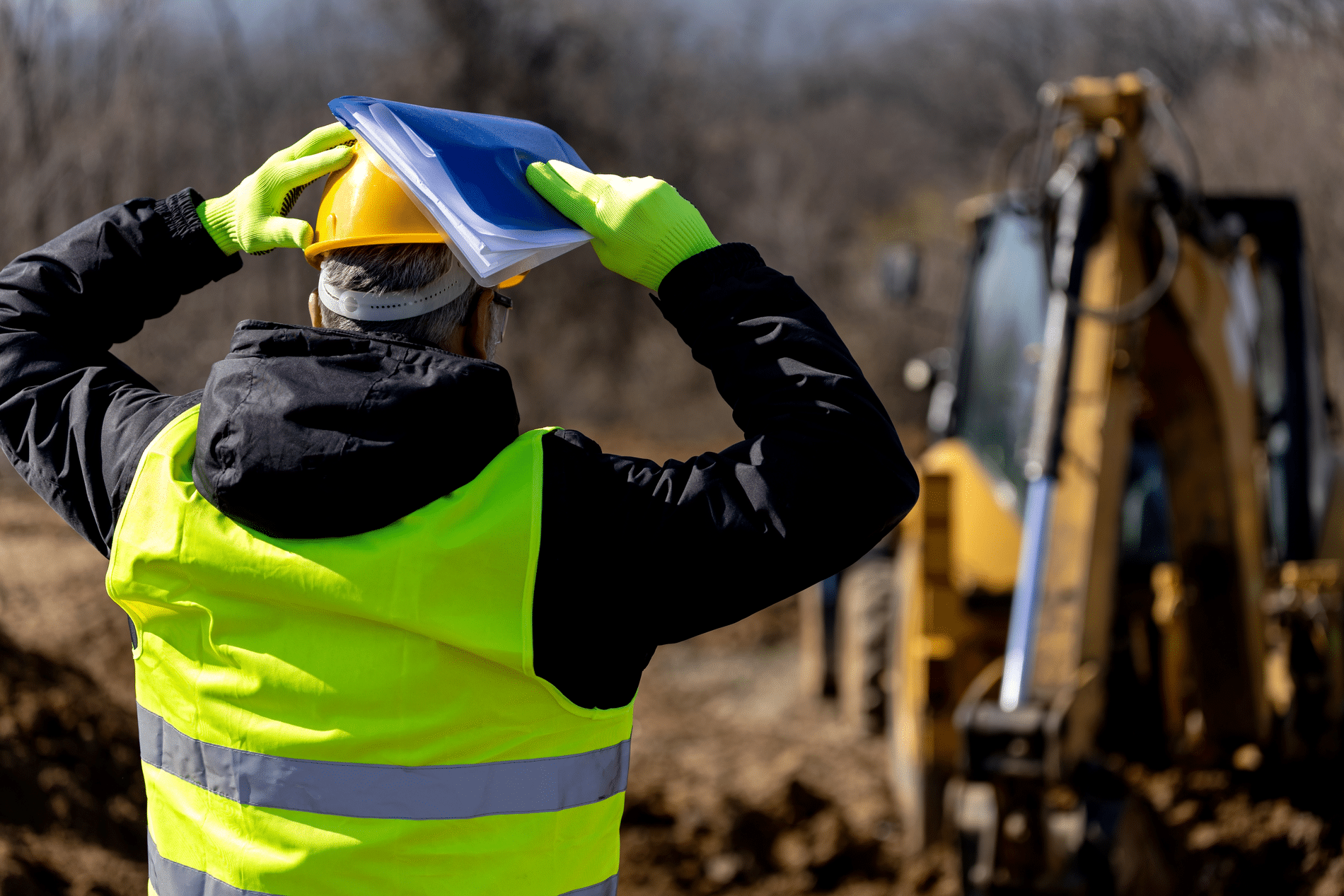
“These kinds of investigations aren’t about pointing the finger,” says Mitran. “On the contrary. We try to understand how a particular situation arose. What choices were made? What information was or wasn’t shared? Where were controls lacking? And why did a risk seem acceptable?” Interestingly, serious accidents often turn out not to be isolated incidents. “When looking back at the history of a project or organization, situations regularly come to light in which things just barely went right—so-called near misses. Those are perhaps the most important learning moments. Often, in hindsight, you see that the same warning signs were already present earlier on, but they weren’t probed deeply enough.”
A recurring theme is trust. “Organizations rightly rely on the expertise of subcontractors and specialists, but when mutual oversight is lacking, risks can go unnoticed,” Mitran warns. “The Dutch Safety Board also pointed this out in connection with the hoisting accident in Lochem, in which two people lost their lives while a bridge arch was being hoisted: too much trust and too few checks and balances. That is why accident investigations are increasingly viewed as a tool for learning rather than for punishment. The Labor Inspectorate now encourages companies to thoroughly investigate even minor incidents on their own—not to assign blame, but to implement structural improvements.”
Ultimately, virtually no accident has a single cause, Mitran concludes. “It’s almost always a combination of circumstances, in which people, organizations, and technology all influence one another. By uncovering these interconnections, organizations can say with conviction: ”We won’t let this happen again.’”