BUKO builds safety into the road construction sector from the ground up
Text Susan Peek Beeld Mooi Paars | Chantal - Tieleman de Jonge

Safe working starts with culture, training and collaboration
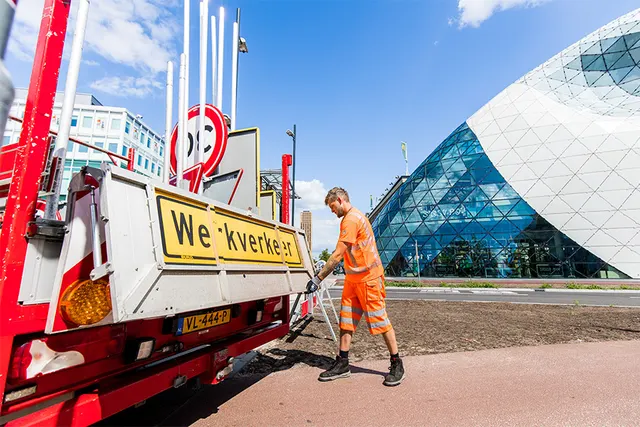
Safety in the civil engineering and infrastructure sector is about more than a protocol or a written instruction. Contractors need to be able to work safely alongside roads, BUKO employees need to work responsibly every day, and road users need to be able to pass roadworks without risk. This calls for a considered and consistent approach.
At BUKO, safe working is deeply embedded in the organisation’s DNA. ‘We work safely’ is no empty promise, but a principle that informs everything the company does, from onboarding to day-to-day work on the road. Under the slogan ‘On the road to safety together’, BUKO shows how culture, training and practice reinforce one another.
Safety from day one
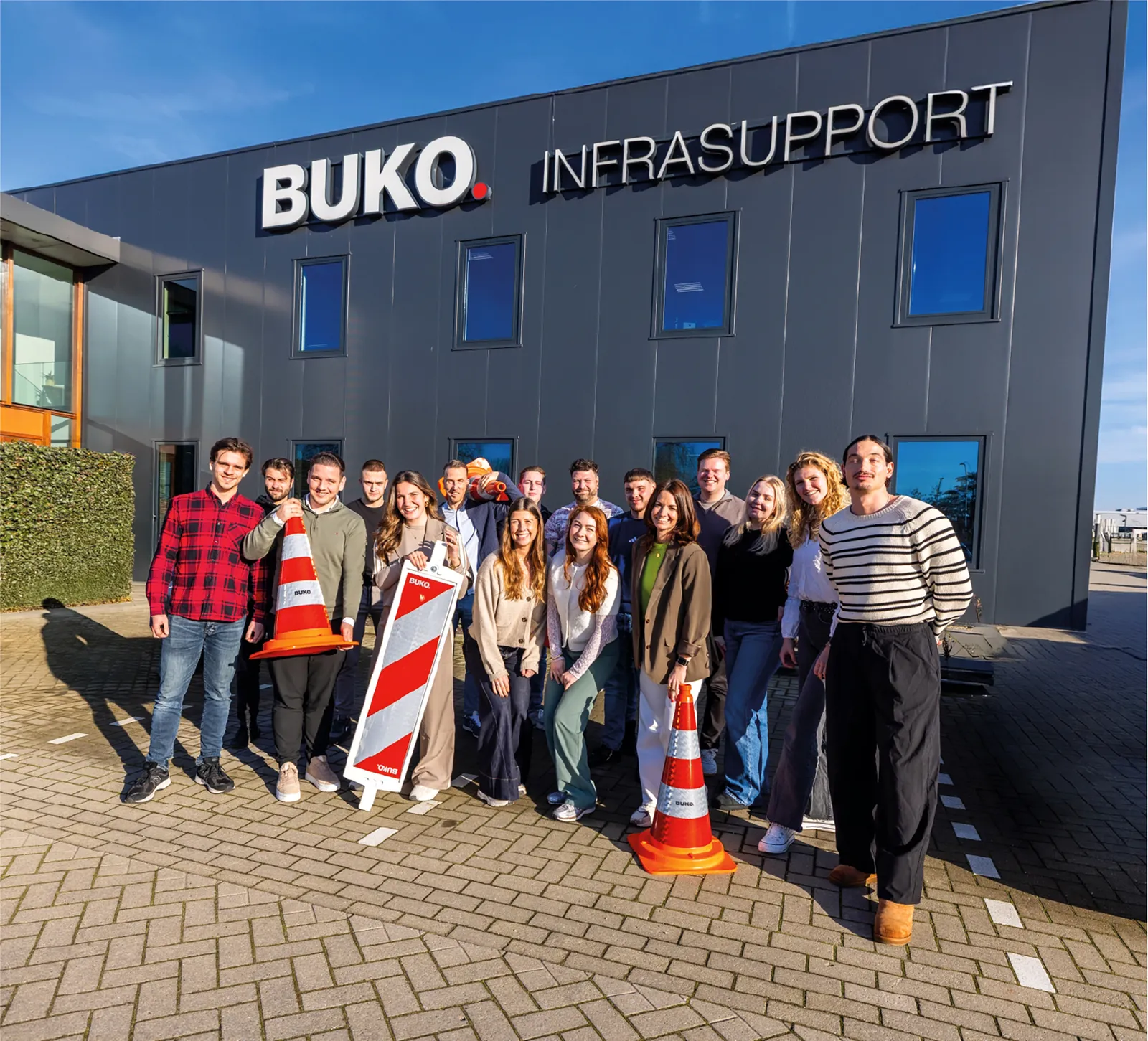
“Safe working starts with the way people work together,” says Daniëlle Boeringa, Learning & Development Adviser at BUKO Academy. “At a joint onboarding day, all new employees, regardless of their role or department, learn from day one about the importance of safety in their work. That mix is important: everyone has a role to play in safety, both indoors and out.”
On that day, employees in operational, management and office roles learn together who BUKO is and what the company stands for. “The management team talks about BUKO’s DNA and core values, while the HSE department introduces safety in an accessible way. This offers an informal introduction to topics such as the Risk Inventory and Evaluation (RI&E), Personal Protective Equipment and VERA, our digital safety colleague.”
Learning with an eye to the practicalities
Safety remains a regular fixture on the agenda after that. BUKO Academy organises and coordinates safety training, working closely with the HSE department. A learning and development platform provides an overview of the competency requirements that apply and when certificates are due to expire. “Employees have access to their own learning environment. That increases their sense of ownership and safety awareness,” says Boeringa.
The training is strongly practice-oriented and tailored as closely as possible to day-to-day work. “Sometimes we develop a dedicated course for this, such as one on working with impact attenuators,” says Boeringa. Soft skills are also part of the safety policy, with a focus on communication, feedback and dealing with aggression.
From paperwork to behaviour
A consistent way of working provides the basis for this approach. “Pointing out or addressing unsafe situations is not the exception, but part of our culture and everyday practice. Safety is integrated into our job profiles and behavioural guidelines, for both field staff and office employees,” says Boeringa.
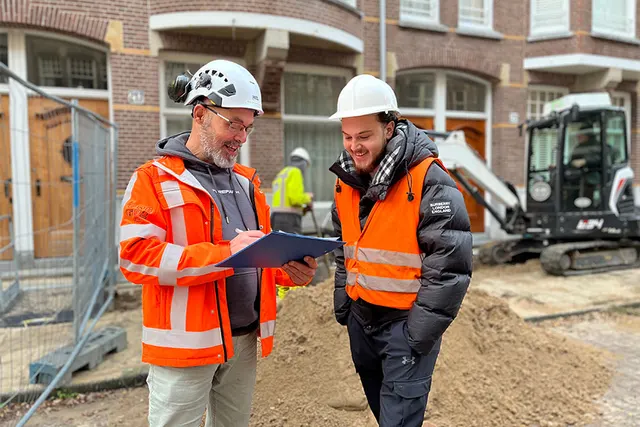
In practice, foremen play a key role. Balen Ahmed, foreman at BUKO: “In practice, safety is about mindset and awareness. Open communication between field staff and operations is crucial. We look out for one another and work together to keep ourselves and others safe.” Boeringa emphasises: “If you have doubts about a situation out on site, you may and must stop work. Safety always comes first, and everyone must get home safely at the end of the working day.”
Een zakelijke vraag aan BUKO Infrasupport? Get in touch
Companies in this story
Keep following this
Get an email when a new story is published. No account needed.
- SubjectSafety
- CompanyBUKO Infrasupport