The Machinery Regulation also requires machine owners to take note
Text Roel van Gils Beeld Aboma
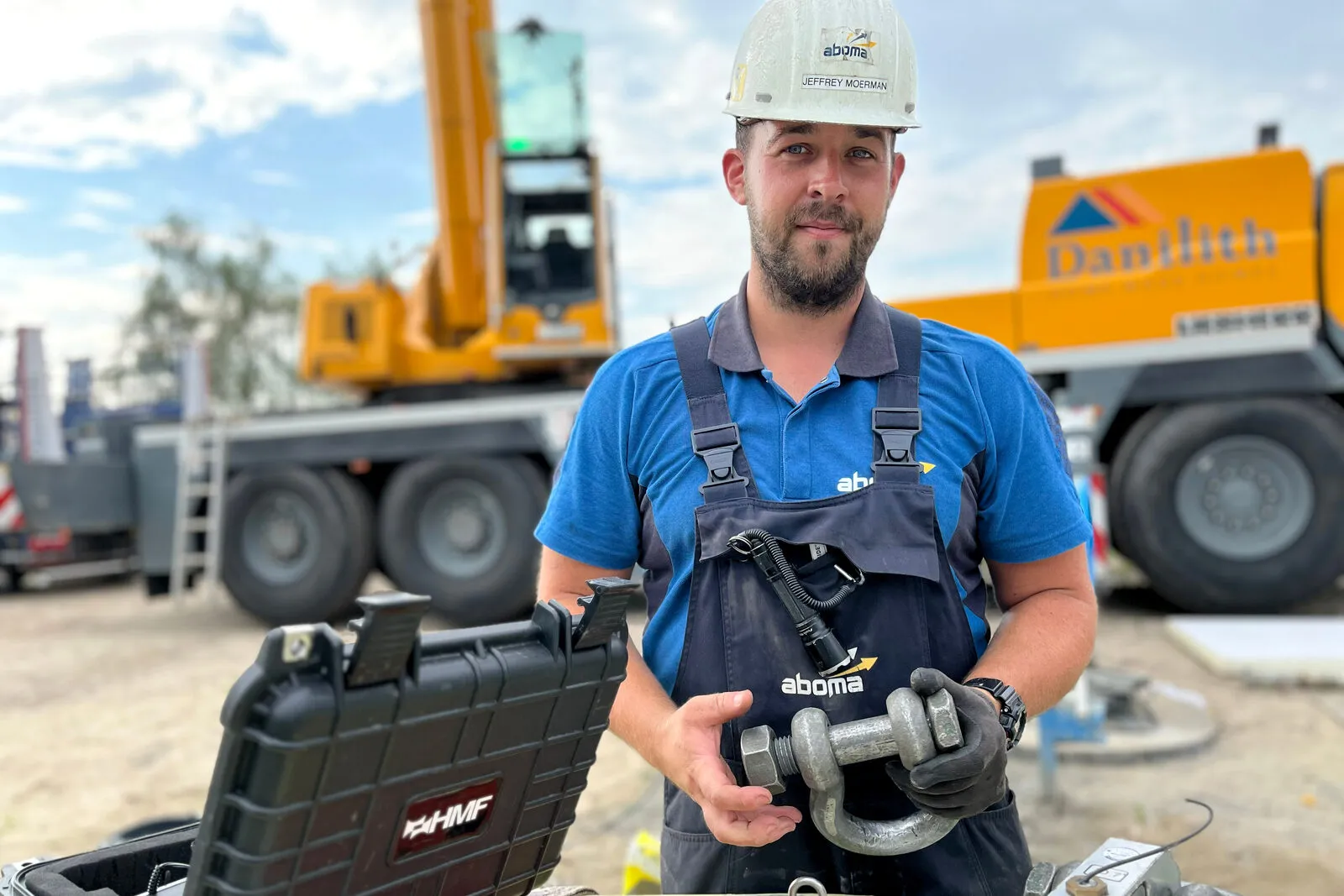
On 20 January 2027, the European Machinery Directive will be replaced by the Machinery Regulation. Manufacturers will face new requirements, but employers and machine owners also need to be alert. “Yet the new rules have barely registered with that latter group,” says Bas van Gruijthuijsen of Aboma. “That is a shame, because anyone who makes machinery available to employees remains responsible for its suitability.”
The European Machinery Directive was intended to ensure a level playing field across the European Economic Area. “Because a directive first has to be transposed into national law, its interpretation varied from country to country,” explains Van Gruijthuijsen. “With the Machinery Regulation, the European Union has opted for direct application in all Member States. Separate national transposition is no longer required.”
New obligations
For manufacturers, this means new obligations. “For example, the EU declaration of conformity, the document with which the manufacturer demonstrates that a machine meets the applicable requirements, is changing,” says Van Gruijthuijsen. “The declaration must specify more clearly which machine it relates to. If a machine is permanently installed at a site, that address must also be stated. In addition, references to the standards used and to specific parts of those standards will be given greater prominence.”
Responsibility does not stop with the manufacturer
According to Van Gruijthuijsen, it is also important for employers and machine owners to understand the changes. “Under occupational health and safety legislation, they must check that the work equipment they make available to their employees is suitable. The CE marking and EU declaration of conformity are important points of reference. The Machinery Regulation also tightens the rules for certain machines with a high risk profile. Specific procedures apply to these categories to demonstrate conformity, and depending on the machine, a notified body may also need to be involved. The new rules also refer more explicitly to the use of artificial intelligence in machinery.”
Start the conversation in good time
Although manufacturers are increasingly familiarising themselves with the new rules, Van Gruijthuijsen has found that machine users are giving the Machinery Regulation little attention. “That could change when the implications become tangible, for example when purchasing or modifying equipment. This is particularly relevant for earthmoving machinery. A base machine that is later fitted with other components may constitute a new assembly. If that assembly is then placed on the market again as a machine, it must be assessed to determine whether it complies with the Machinery Regulation.” His advice is therefore to speak to the manufacturer in good time and ask whether the new requirements have been taken into account in the design and delivery. “The manufacturer is responsible for placing a compliant machine on the market; the employer must ensure that employees have suitable work equipment. The Machinery Regulation is therefore not just a matter for the manufacturer, but also for the importer, distributor and user.”
Question about this story? Ask your question
Keep following this
Get an email when a new story is published. No account needed.
- SubjectMachines & equipment