Managing the condition and maintenance of railway structures
Text Joey Kortlever Beeld Iv.
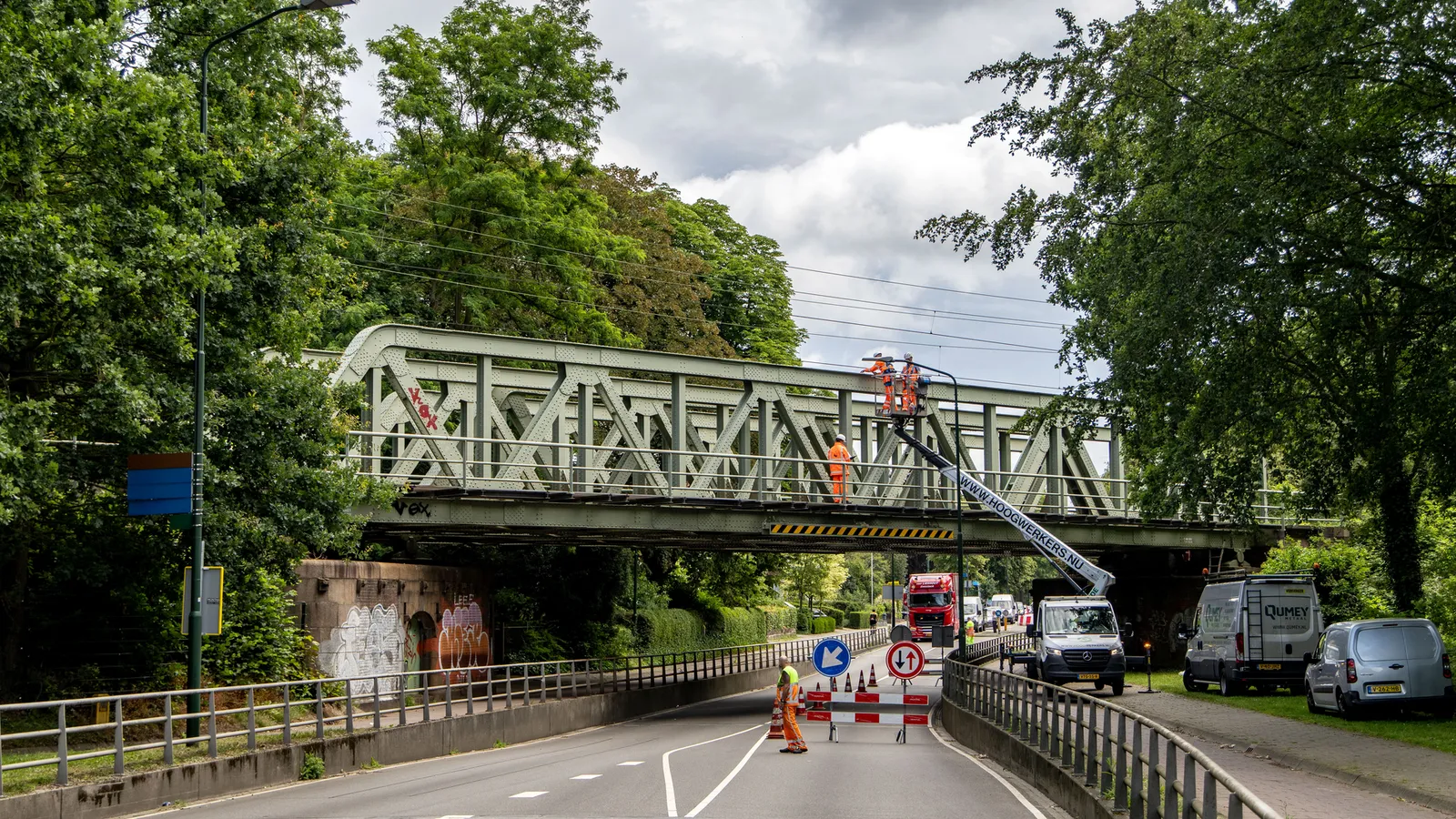
Thousands of trains run over railway bridges, viaducts and other structures every day, some of them several decades old. Many were designed for a service life of 100 years, but are now facing more intensive use and stricter standards. Iv is helping ProRail take control of the next steps as these structures reach the end of their design life, supporting its long-term asset management and maintenance planning. Through targeted inspections and advanced reassessments, Iv is establishing the remaining service life of existing railway bridges. This is essential to ensure that day-to-day rail operations remain stable, safe and predictable.
The Dutch rail network comprises far more than just tracks. Thousands of structures are spread across the country: railway bridges, viaducts, station structures and other buildings that carry or support the railway. Many were built decades or even more than a century ago and are approaching the end of their theoretical service life. They were designed to the standards and knowledge of the time, while usage and regulations have changed over the years. And, of course, they are also subject to wear and tear.
Reassessment of four steel railway bridges
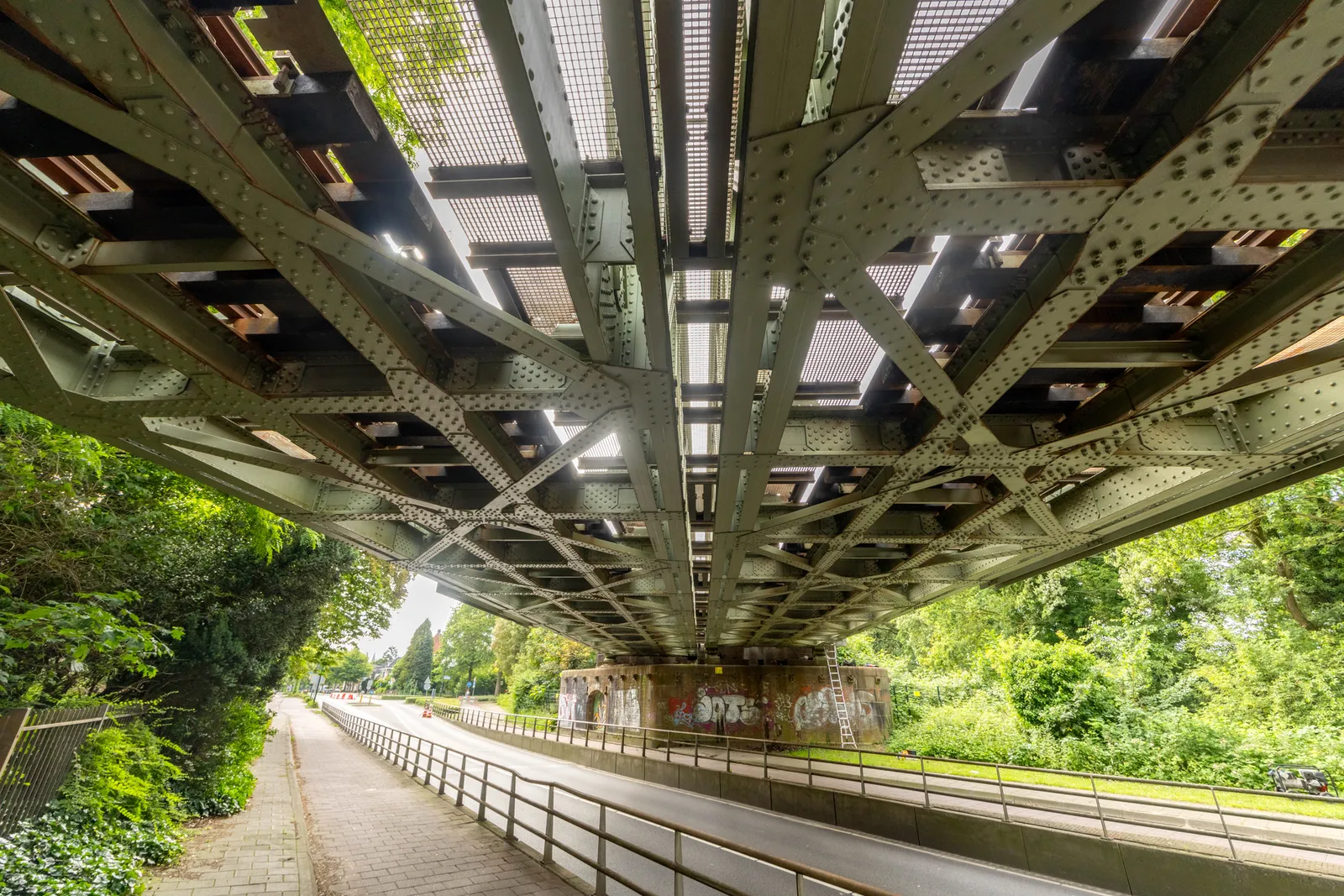
ProRail manages a huge number of structures. “To work on them, a company must be accredited,” says Joey Kortlever, Head of Rail at Iv. “Iv is accredited in the categories of track construction and rail works, rail-carrying structures such as bridges, and non-rail-carrying structures such as viaducts and stations. Under the current contract, we are focusing on reassessing four steel railway bridges.”
The four bridges were originally designed for a theoretical service life of around 100 years. “But ultimately, you want to know how much longer they can actually remain in service safely,” says Joey. “Can their service life be extended? And if so, what measures are needed?”
This means looking not only at structural safety today, but also at remaining technical service life, fatigue strength and potential short- and long-term measures. Extensive investigations and reassessments can establish all of this.”
From the archives to on-site inspection
A reassessment of a railway bridge does not start in the field. First, the engineers delve into the archives. Old drawings, calculations and inspection reports are collected and analysed. “Every assessment is underpinned by a comprehensive system of standards, guidelines and checks,” says Joey. “ProRail has a huge library of guidelines, design specifications and product specifications. This makes it possible to carry out these kinds of assessments with great care and safety, even at the theoretical stage.”
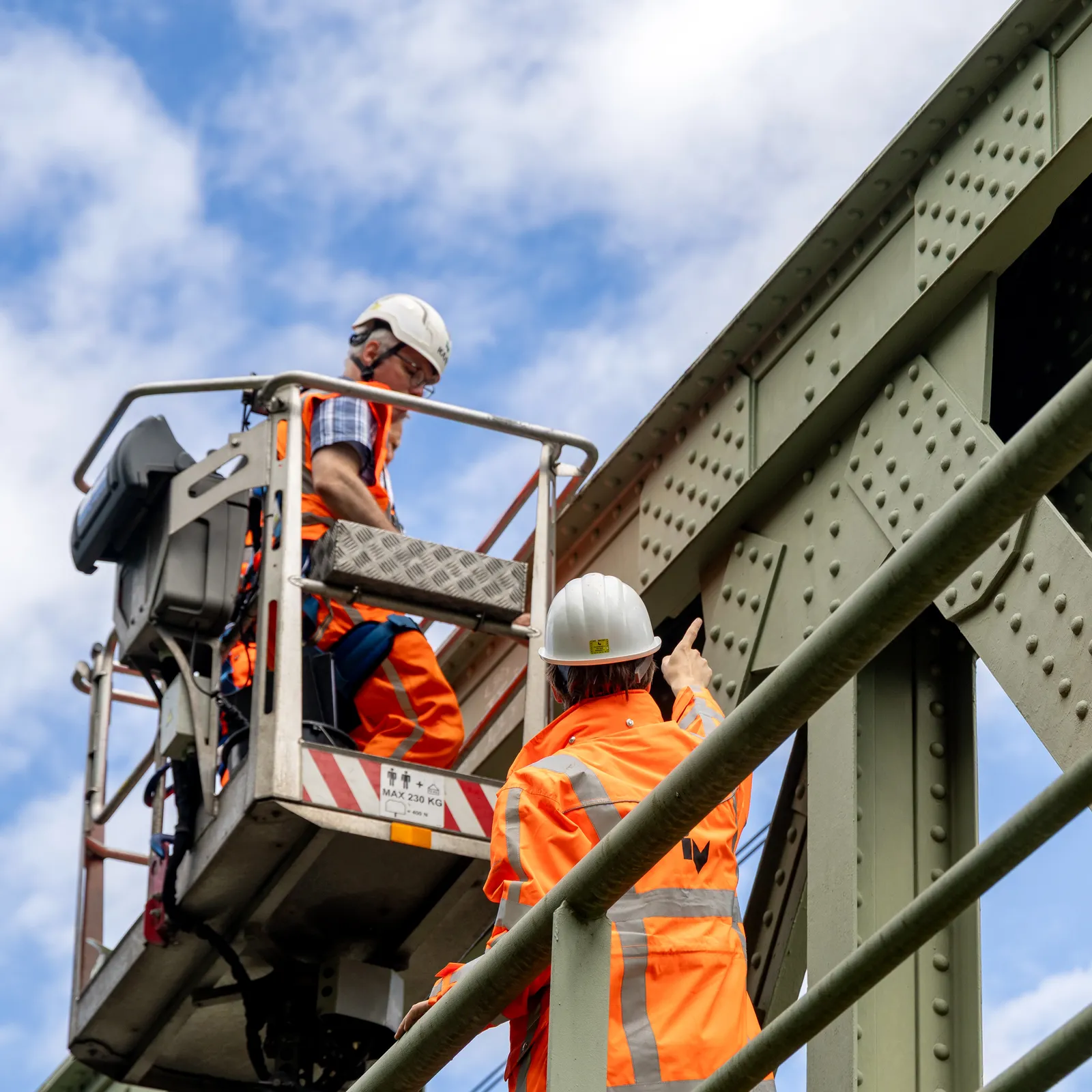
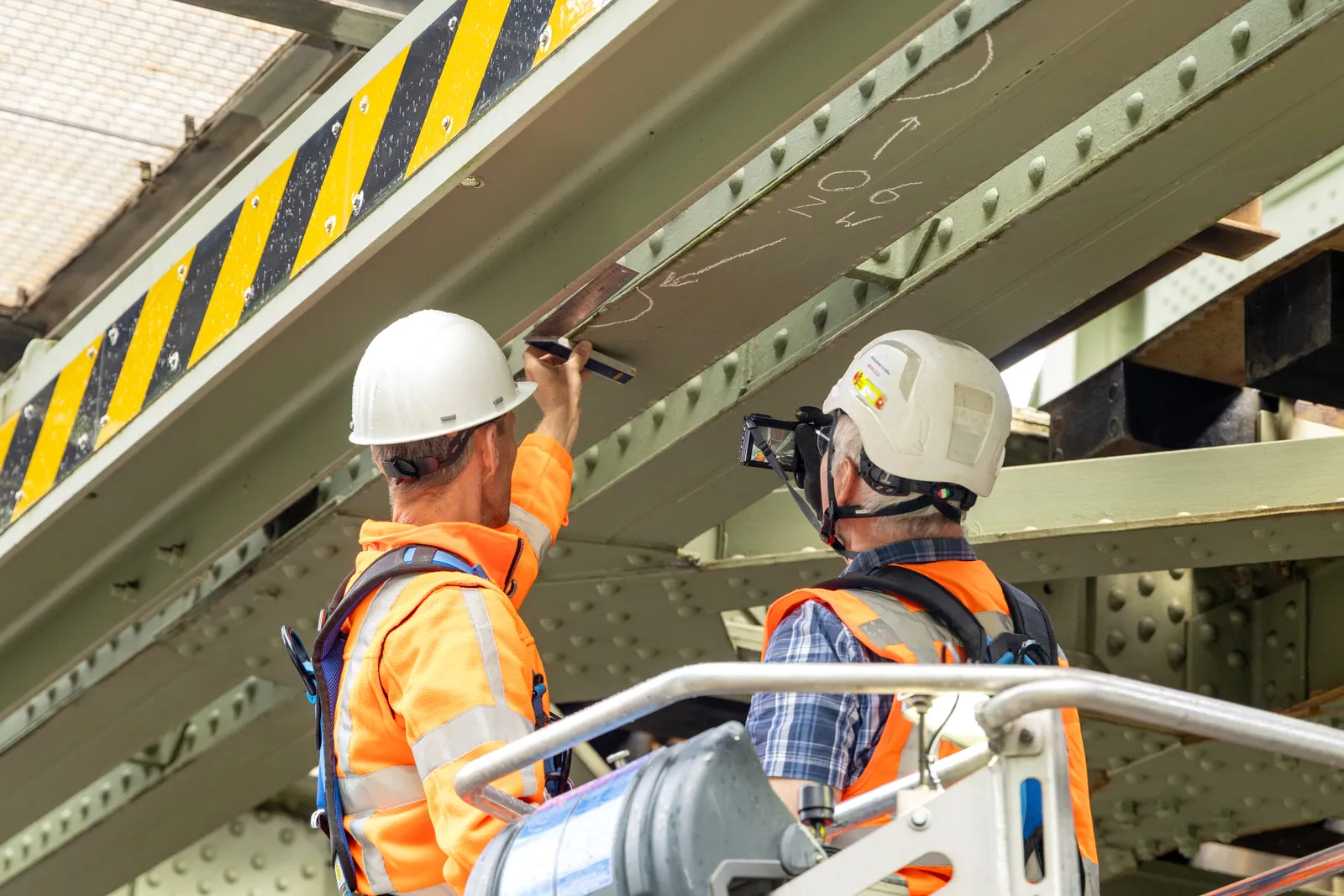
The data analysis is followed by a risk assessment. “What do we already know about the bridge? What damage has been observed before? Which components need extra attention? Based on that, we draw up a targeted inspection plan.” This is done by Iv’s specialist structural engineers. “Their experience helps us inspect efficiently and with focus. We often don’t need to examine the entire bridge again. Our specialists know where the critical details are, for example, where fatigue may occur.”
From theory to practice
Sometimes calculations lead to further investigations. “For example, we are now taking a steel sample from one of the bridges,” says Joey. “We’ll have it tested in a laboratory so we know exactly what condition the material is in.” Sensor monitoring can also form part of the investigation. This measures movements, stresses or forces in the bridge while it is in use. “That’s how we move from theory to practice. We check whether the actual loads match what we expect based on the models. We sometimes call it calculating against reality.” All the inspection data ultimately form the basis for detailed structural calculations. Iv builds digital models of the bridges to enable its structural engineers to determine their current strength and load-bearing capacity.
Older bridges are often surprisingly robust
“We’ve now completed the full calculations for the first bridge,” says Joey. “We’ll be discussing the results with ProRail shortly. If any critical elements are identified, we’ll look together at what measures are needed.” These may range from further calculations to monitoring or strengthening measures. But Joey says that in practice, older bridges often prove surprisingly robust. Fatigue does, however, play an important role. Joey compares it to a paper clip. “A paper clip is strong. But if you keep bending it in the same place, it will eventually break. It’s the same with a railway bridge. It isn’t one train that causes problems, but the constant loading over a very long period.”
Safety always comes first
Replacing railway bridges has a major impact on passengers, the surrounding area and sustainability. That is why ProRail and Iv are exploring ways to keep existing structures in service safely for longer. “If smart analysis, monitoring and targeted measures can prevent something from being replaced unnecessarily, that benefits everyone,” says Joey. “Rail is already a sustainable form of transport. By keeping existing structures in service for longer, we as an engineering consultancy can make an additional contribution.”
At the same time, safety always comes first. “If we find anything during calculations or inspections that could pose a risk, we contact ProRail immediately,” says Joey. “In the worst-case scenario, that could mean trains have to run more slowly or temporarily stop using a bridge. Fortunately, that is absolutely not the case here.”
One of the biggest challenges in asset management
The reassessments of the four bridges are still under way. The desk studies and risk analyses have now been completed, and Iv is working on inspections, further investigations and more detailed calculations. All the bridges are due to be reassessed within a year. In this way, Iv is helping ProRail step by step to gain greater control of one of the biggest challenges in maintaining structures: keeping existing infrastructure safe, efficient and sustainable.
Question about this story? Ask your question
Keep following this
Get an email when a new story is published. No account needed.
- ThemeExtending the life of roads and civil engineering structures
- SubjectBridge construction