VCA-MAX recognised as evidence for level 3 under ViA
Text Roel van Gils Beeld Aboma
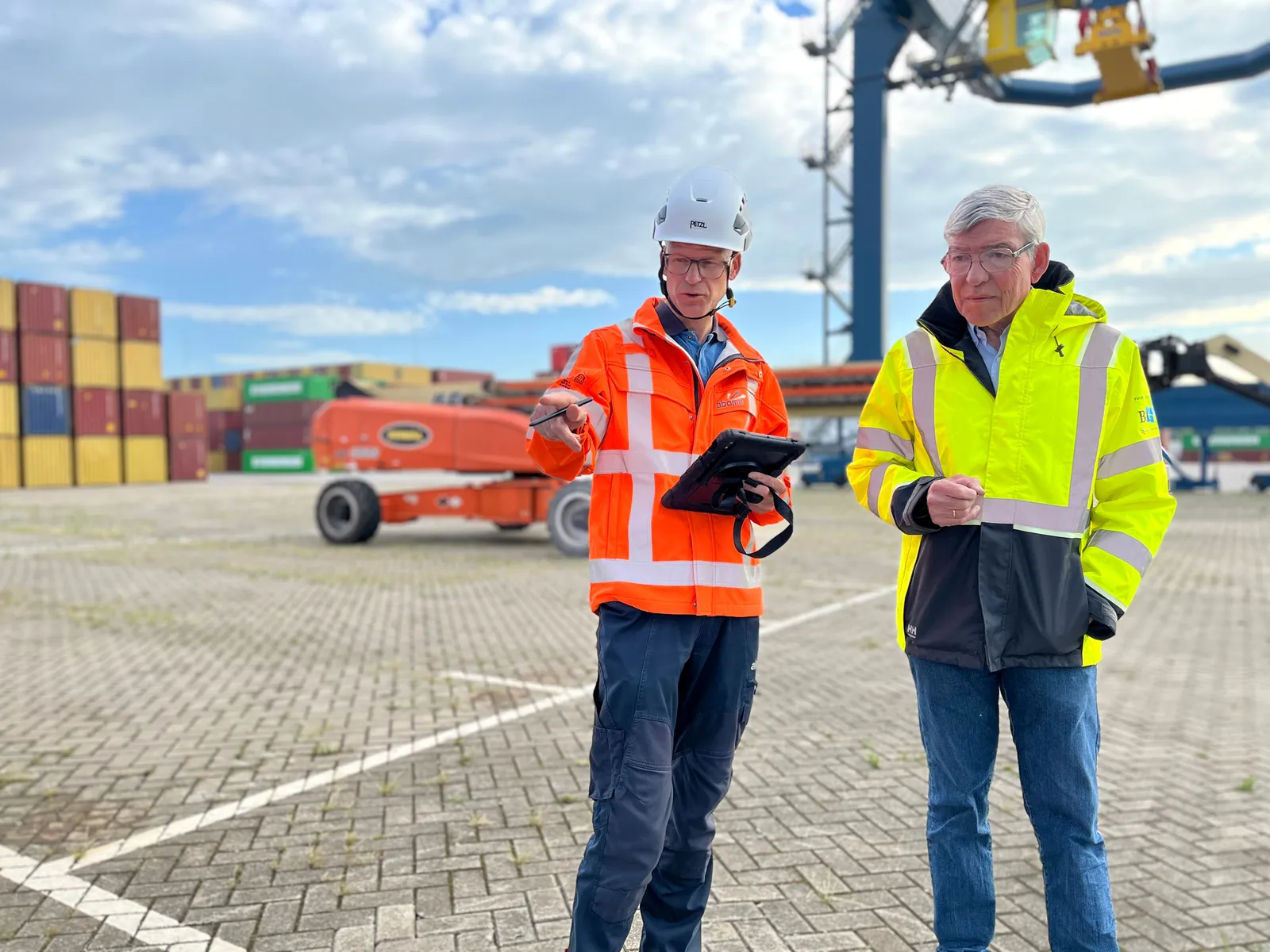
Organisations that take safety seriously now have an additional tool at their disposal. The Governance Code Veiligheid in de Bouw has recognised VCA-MAX as evidence for demonstrating level 3 under Safety in Tendering (ViA). According to Laurens Seinhorst of Aboma Consultancy, this is good news, particularly for SMEs.
The recognition follows an assessment by independent knowledge institutes of VCA, extended with the behaviour module (VCA-MAX). “The assessment found that the system provides sufficient safeguards to meet the requirements for safety culture level 3,” says Laurens, who is quick to add a caveat. “The updated Guidance on Safety in Tendering (June 2026 edition) states that VCA-MAX is accepted as evidence for SMEs with up to 250 employees.
A logical next step
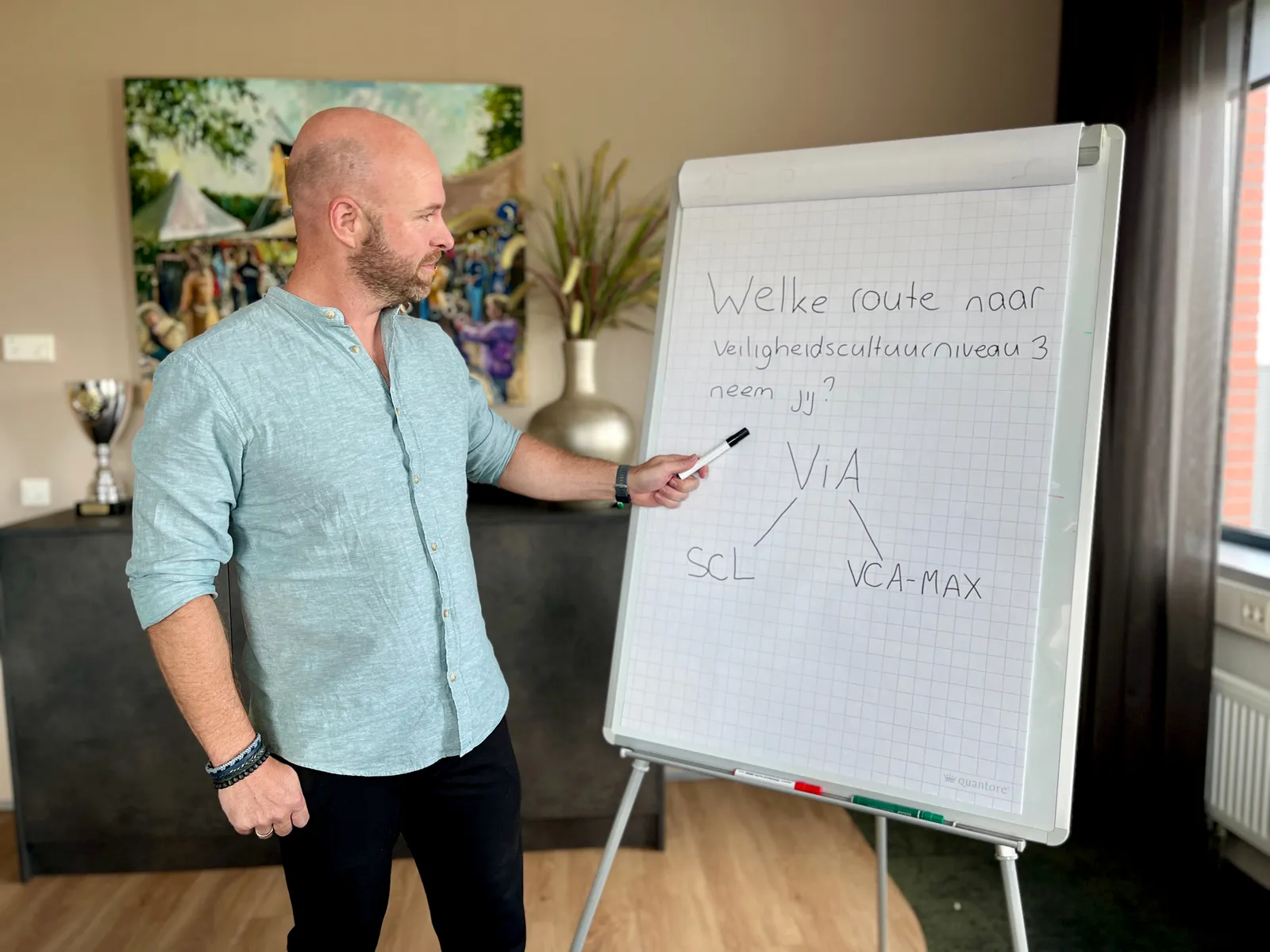
The question most frequently put to Aboma now is: should we choose VCA-MAX or the Safety Culture Ladder? “That is actually the wrong question,” says Laurens. “Much more important is where you want your organisation to go and what requirements your clients set. Only then should you choose the tool that best fits. For many SMEs already working with VCA, VCA-MAX is a logical next step. The existing safety management system is expanded with additional focus on leadership, safety conversations, behavioural aspects and actively involving employees. We recommend the Safety Culture Ladder to organisations that want to progress to a higher level of safety culture maturity, or serve clients who require at least level 4 for specific contracts, such as ProRail. VCA-MAX does not address that.”
Amended Working Conditions Act
According to Laurens, VCA-MAX’s recognition dovetails perfectly with the amended Working Conditions Act. “Since 1 July, Article 12 has been expanded, requiring employers to involve employees more explicitly in risk assessments, policy and decision-making,” he says. “This means the focus is shifting ever further away from technical and organisational measures alone, towards human behaviour, leadership and a learning safety culture.” Laurens says this is exactly the direction the sector is moving in. “The debate should not be about which tool is best. Recognition gives organisations more scope to choose a safety approach that suits them. Ultimately, safety is not about a certificate on the wall, but about a culture in which people help one another every day to get home safely, in good health and happy.”
Question about this story? Ask your question
Keep following this
Get an email when a new story is published. No account needed.
- ThemeSafe working and skilled professionals
- SubjectSafety