Willow: a centuries-old material with a surprisingly modern role
Text Susan Peek Images Van Aalsburg B.V.
From sustainable infrastructure solutions in hydraulic engineering to innovative applications beyond it
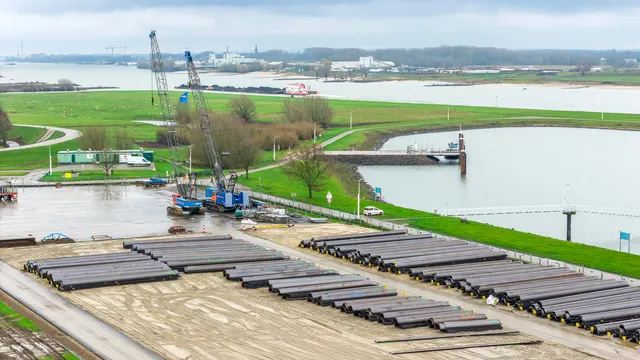
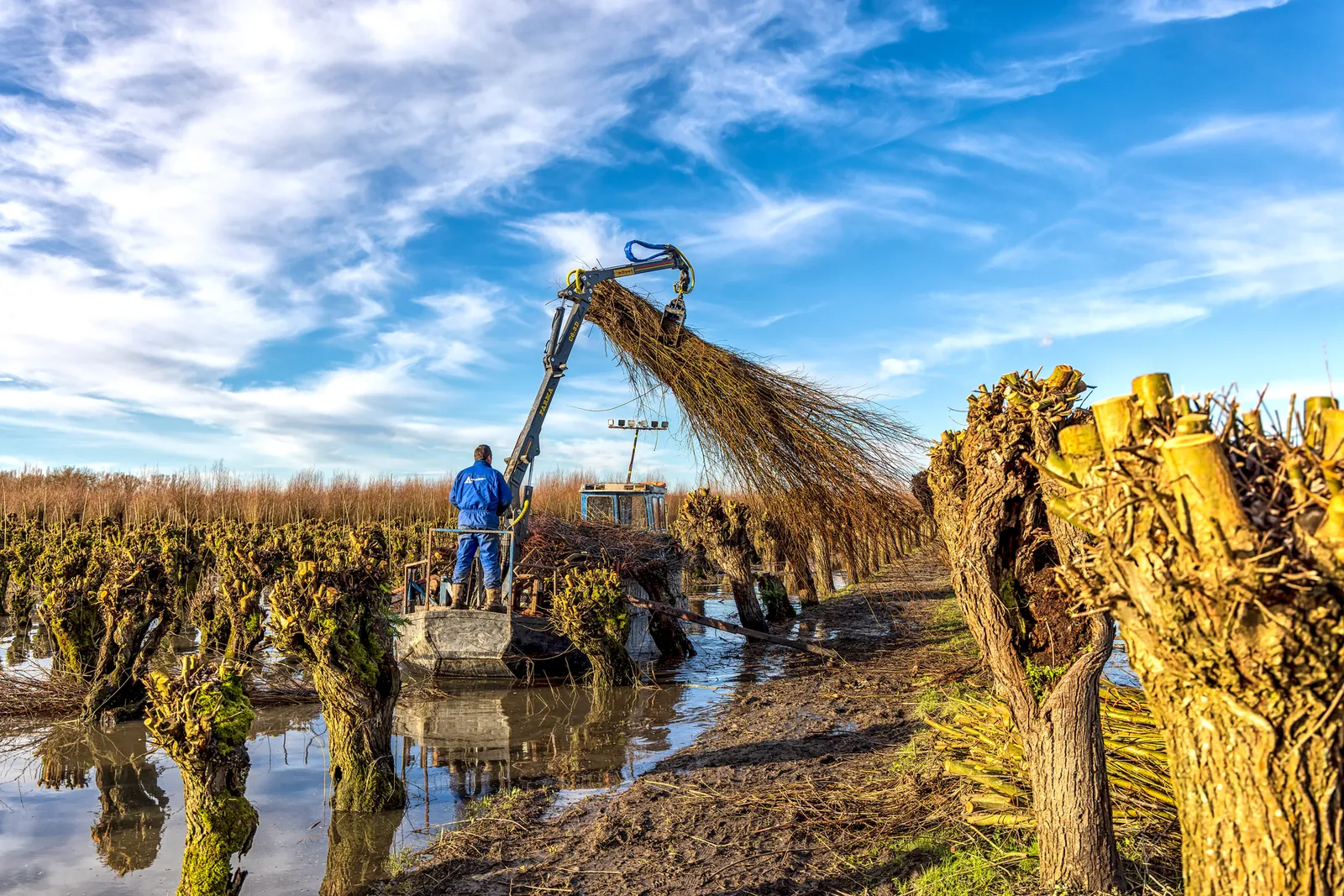
The quintessentially Dutch willow has been a familiar material in Dutch hydraulic engineering for generations. Family business Van Aalsburg has worked with it since the company was founded and continues to see new possibilities. Not because the willow has changed, but because this natural resource can answer an ever-growing range of needs. From sustainable infrastructure solutions in hydraulic engineering to innovative applications beyond it, Van Aalsburg’s Rico Hoskam believes willow still has plenty of potential to be explored.
Centuries-old techniques, a solution for today
“We use traditional techniques and materials that have been around for hundreds of years, but apply them in a world that is once again looking for natural solutions,” says Rico Hoskam, commercial manager at Van Aalsburg.
For years, the emphasis was mainly on technical and synthetic solutions. Interest is now growing in biobased alternatives with a lower environmental impact and a local source. “Willow grows right here in the Netherlands, absorbs CO2 as it grows, stores it underwater for a long time and also performs well on indicators such as the Environmental Cost Indicator (MKI). So it makes sense to take another look at what willow can do.”
More than just hydraulic engineering
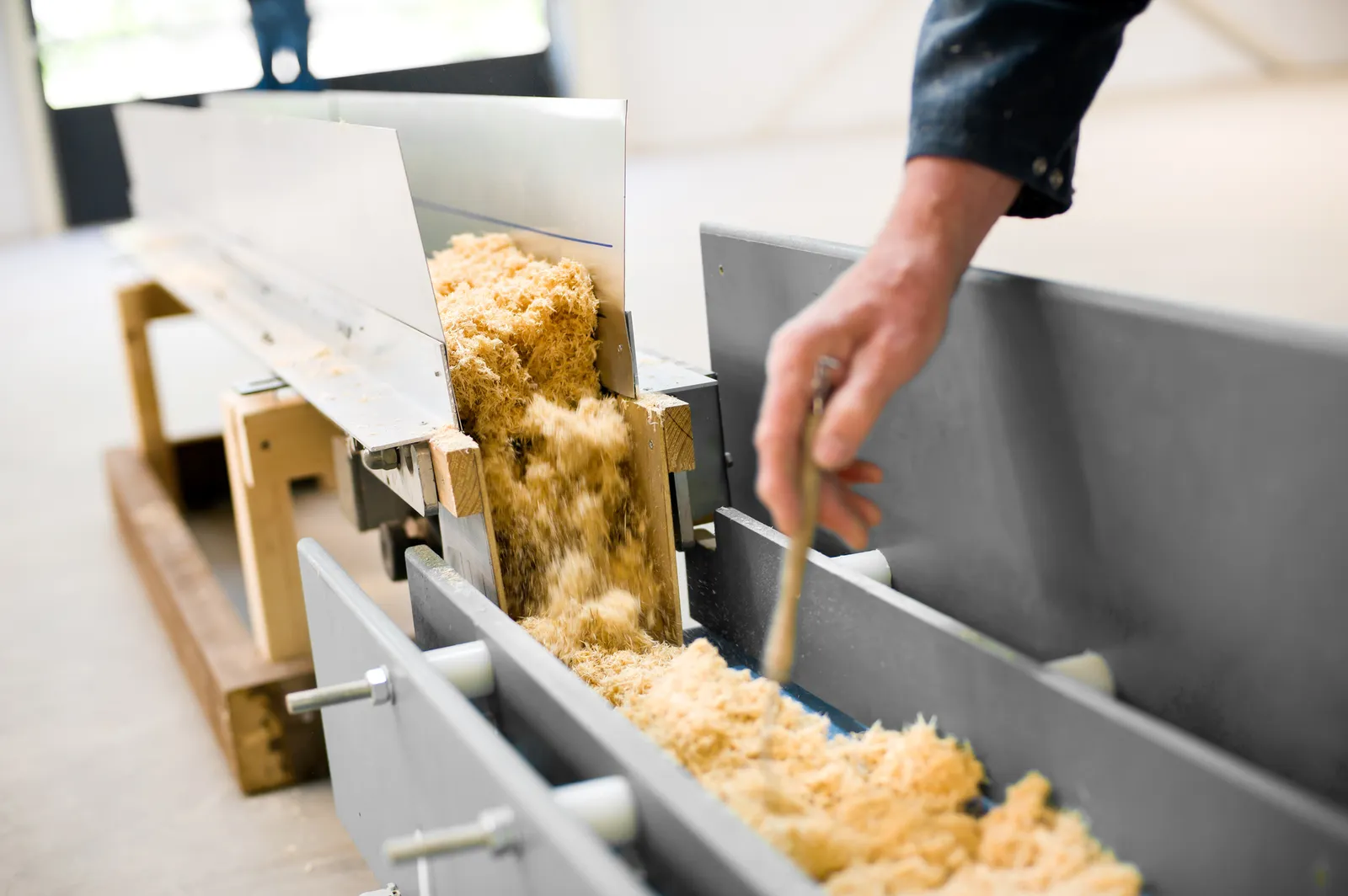
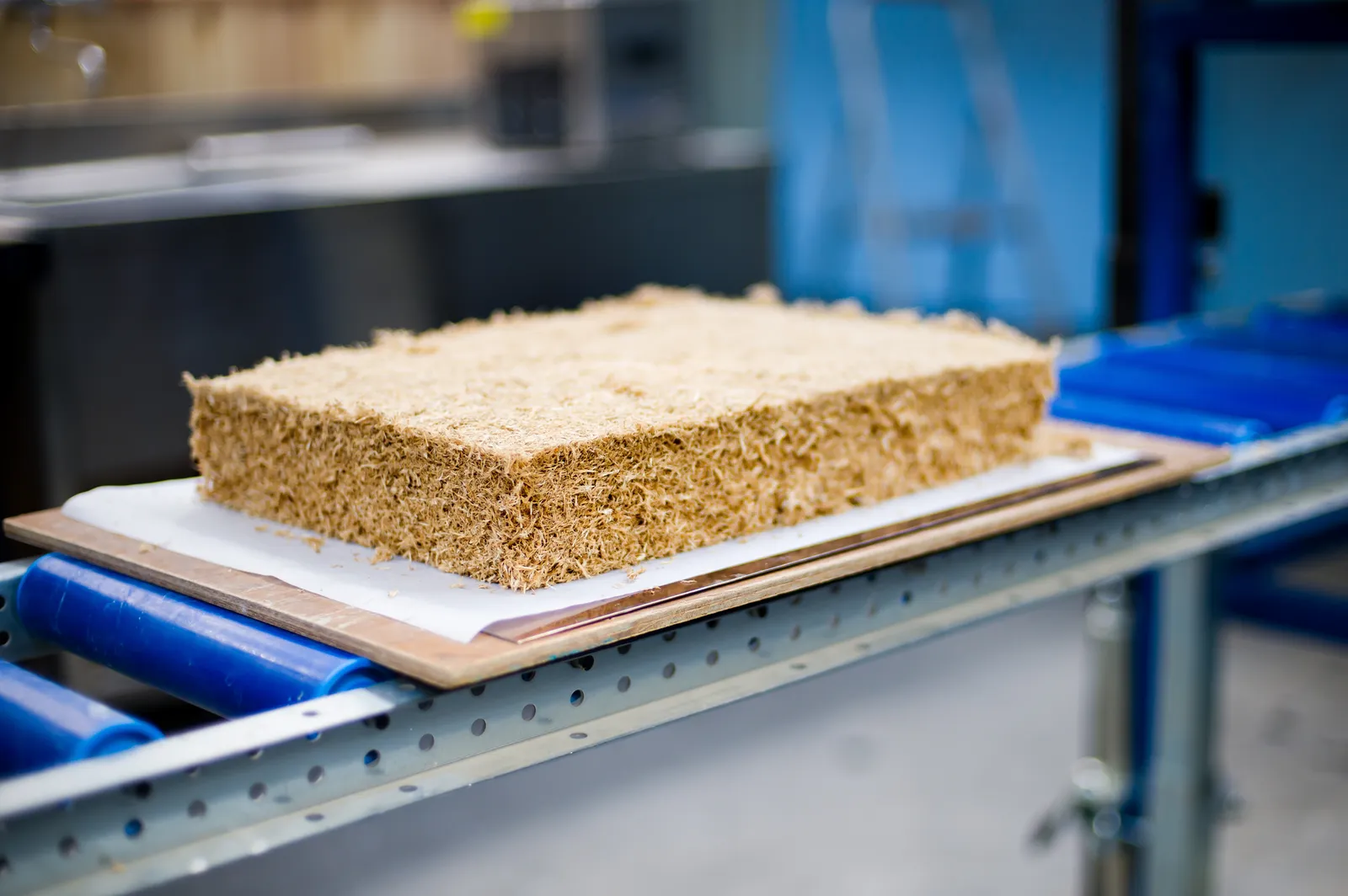
Van Aalsburg is now looking much more broadly at this resource. Alongside willow mattresses, revetments, floating gardens and nature-friendly banks, the company is investigating what new products can be made from the same material. Potential uses include processing willow fibres into board materials and façade cladding.
“Willow is much more than just a branch used in a hydraulic engineering structure,” says Rico. “We are learning more and more about everything it can do.” The focus is therefore shifting from the application to the raw material itself. New possibilities are emerging both in hydraulic engineering and beyond.
Working with nature
According to Rico, it is not only the materials being used that are changing, but also the way projects are approached. “The starting point should much more often be to work with nature, rather than work against or deplete this precious resource.” Willow, he says, is particularly well suited to this. It is locally available, grows back quickly and is a natural part of the landscape in which it is used.
He also sees a challenge, however. Tenders still often prioritise minimising maintenance, even though a solution that requires slightly more maintenance can be more sustainable overall. “We want to show that you need to look beyond maintenance requirements alone. Choosing a locally grown, renewable resource is also a conscious choice for the environment.”
Continuing to explore
One thing is clear to Rico: willow has proved its worth in Dutch hydraulic engineering for centuries and provides a solid basis for new applications. “The question is not really why you should use willow,” he concludes. “The question is: why wouldn’t you?”
A business enquiry for Van Aalsburg BV? Get in touch
Companies in this story
Keep following this
Get an email when a new story is published. No account needed.
- ThemeMaterials and techniques for infrastructure
- SubjectWater infrastructure
- CompanyVan Aalsburg BV