Volvo Trucks’ new combustion engines: fuel-efficient and compatible with alternative fuels
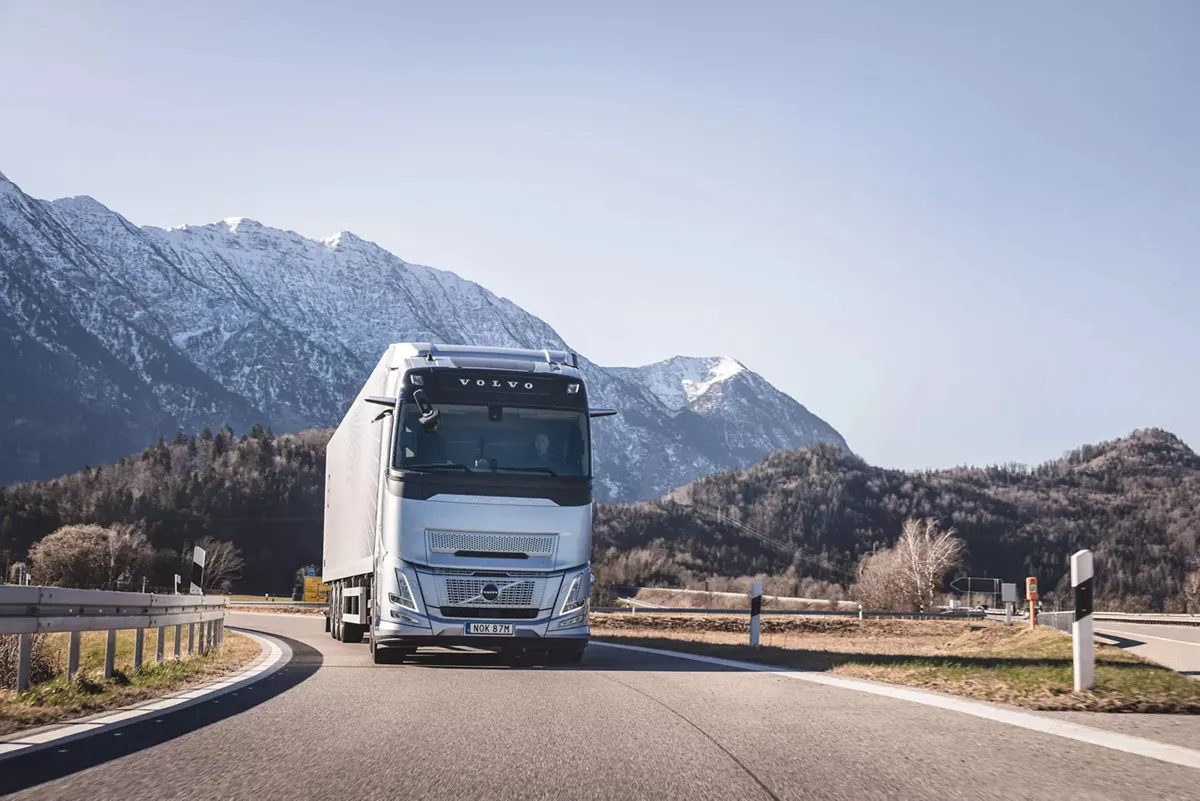
Volvo Trucks is introducing completely new 13-litre engines compatible with diesel, HVO, (bio-)LNG and future hydrogen applications. They are Volvo’s most fuel-efficient truck engines ever. The new engine platform has been developed entirely in-house.
Alongside electric powertrains, the combustion engine continues to play an important role in Volvo Trucks’ powertrain strategy. The new engines combine more power with lower fuel consumption, reduced emissions, lower noise levels and improved driving comfort.
Combined with Volvo Trucks’ latest fuel-saving innovations, the new engine can use up to 4%* less fuel than the engine it replaces. These technologies are now being made available to a wider group of customers.
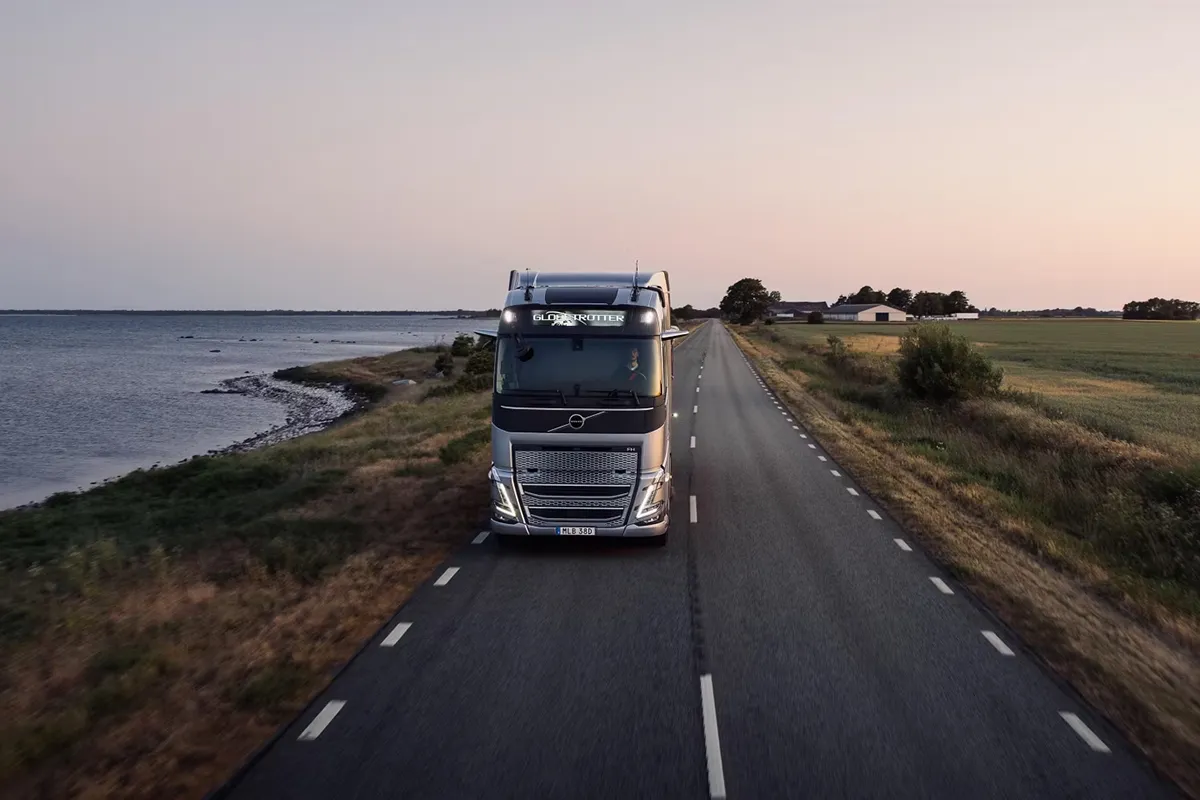
A completely new global platform for combustion engines
The new engines are suitable for a wide range of applications and operating conditions. They also meet, and even exceed, the requirements of new legislation on emissions and noise levels.
“These completely new combustion engines are not only our most fuel-efficient powertrains ever; they are also ready for the future,” says Jan Hjelmgren, Head of Product Management at Volvo Trucks. “Their flexibility and compatibility with all existing types of diesel and (bio-)LNG, as well as future hydrogen applications, mean we can offer efficient trucks worldwide with the potential for net-zero emissions.”
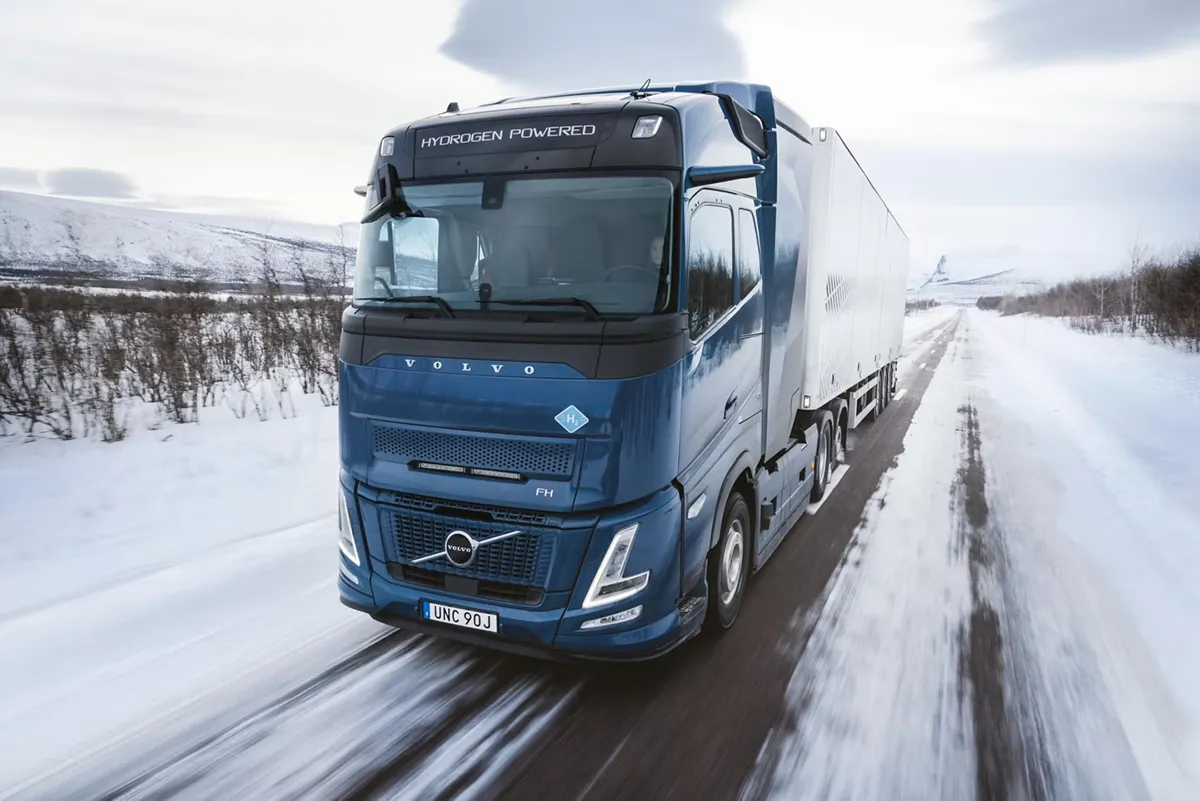
New technologies for maximum fuel efficiency and fuel flexibility
With an ongoing focus on improving fuel efficiency, Volvo Trucks has developed one of the most efficient generations of truck engines on the market.
Introduced in early 2024, the Volvo FH Aero range uses up to 5%* less fuel than the previous model. The completely new, in-house-developed engines deliver additional fuel savings of up to 4%* across a wide range of applications and segments.
The platform features a refined engine braking function for greater driving comfort, new cylinder and turbocharger designs, and an updated version of the popular Volvo I‑Shift gearbox. Both the diesel and gas versions also deliver significantly higher torque.
In addition, many versions of the diesel engine are compatible with Volvo Trucks’ I‑Roll with stop-start engine technology. This allows even more customers to save fuel and reduce emissions by switching off the engine and coasting downhill.
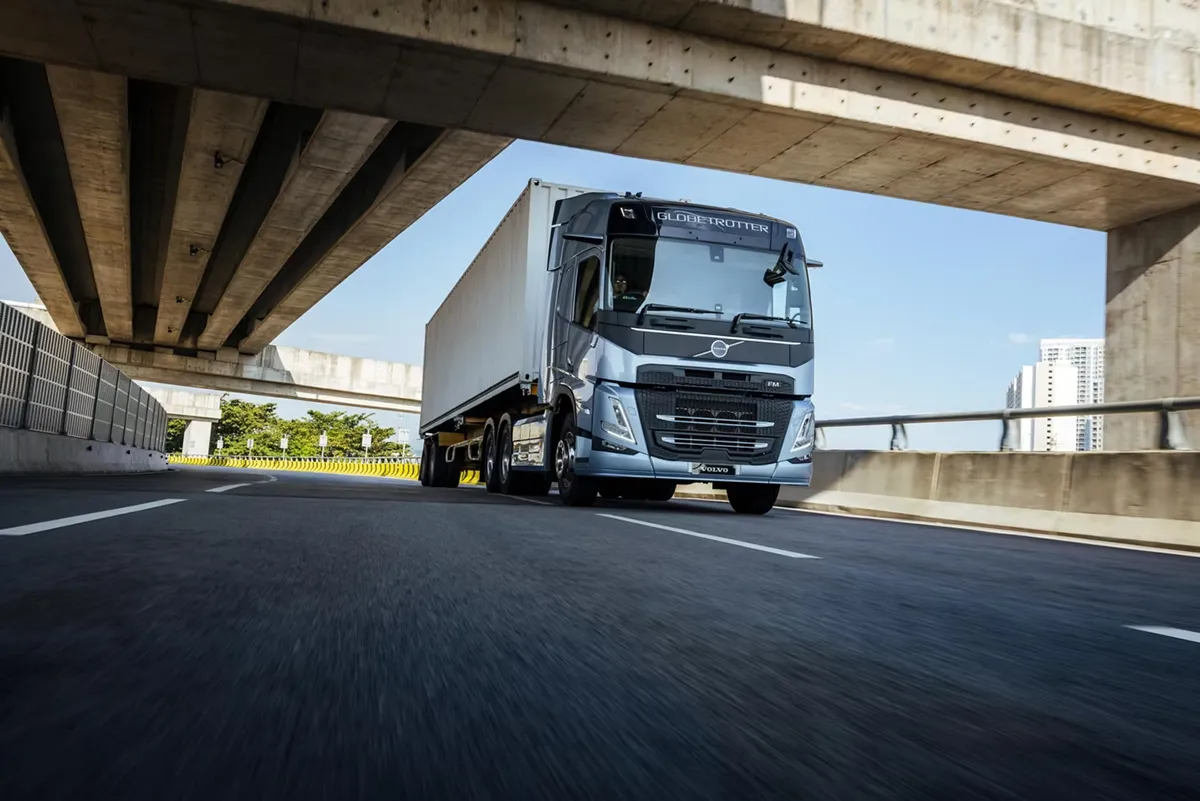
On the road to fossil-free transport
Volvo Trucks is aiming for net-zero emissions by 2040 through a three-pillar strategy. This strategy is based on battery-electric powertrains, fuel-cell electric powertrains and combustion engines running on renewable fuels such as green hydrogen, biogas (bio-LNG), biodiesel and HVO (Hydrotreated Vegetable Oil).
Facts about Volvo Trucks’ new combustion engines
- The new engine platform is compatible with alternative fuels such as biodiesel/B100, HVO, bio-LNG and green hydrogen
- The D13 engine is available with an output of 380 to 560 hp and torque of 1,800 to 2,900 Nm
- The G13 engine delivers 420 to 500 hp and torque of 2,400 to 2,800 Nm
- The new Euro 6 engines meet the new legal requirements NNR3 (New Noise Regulation Phase 3) and are prepared for future legislation
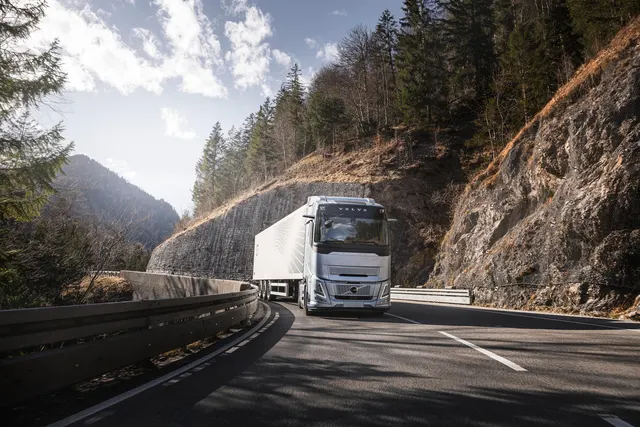
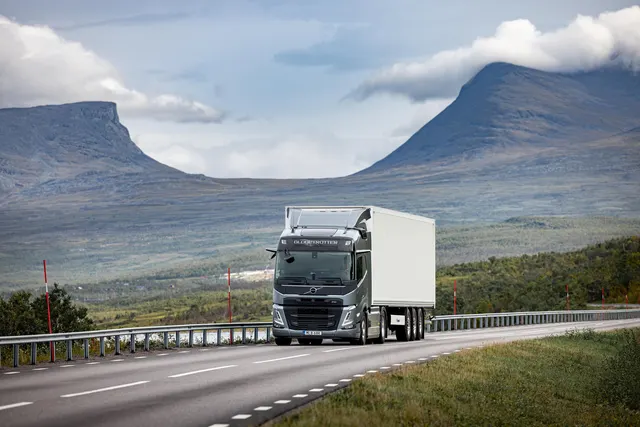
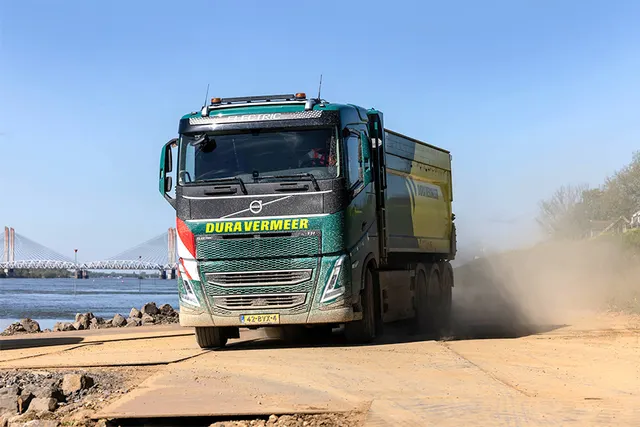
- Available on the Volvo FM, FMX, FH and FH Aero
- Sales begin in the third quarter of 2026
- Phased global launch, starting in Europe, Morocco, Turkey and India, followed by North and Latin America, Asia and Africa
- The engines will initially be produced in Skövde (Sweden); the trucks will be assembled in Göteborg (Sweden) and Ghent (Belgium)
* Example based on simulations of a Volvo FH 4×2T 500 hp with a gross vehicle weight of 35 tonnes, equipped with the new D13 engine and using Cruise Control, I‑See and I‑Roll with stop-start engine technology, compared with the previous standard D13 eSCR engine under representative European driving conditions. Actual fuel consumption may vary depending on factors including driving speed, use of cruise control, vehicle specification, load, topography, driver experience, vehicle maintenance condition and weather conditions.
Question about this story? Ask your question
Keep following this
Get an email when a new story is published. No account needed.
- ThemeLower emissions and more reuse
- SubjectConstruction transport