Foundations / Site investigation
Why concrete repair is a specialist discipline
Text Suzanne van Gaale Beeld Franki Grondtechniek
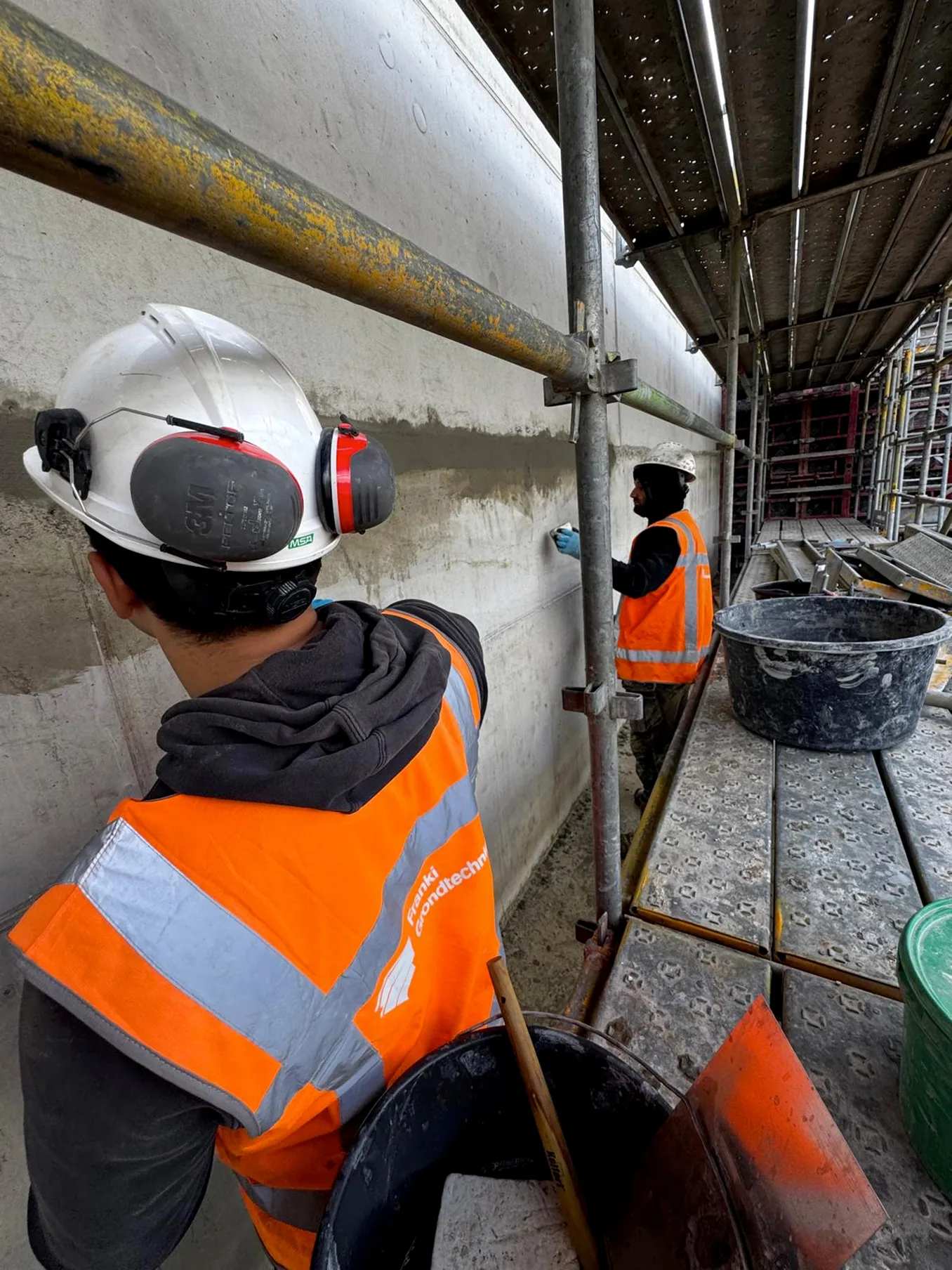
BRL-KOMO 3201 certification provides quality assurance
Not every instance of concrete damage can be fixed with a standard repair. Nor are conditions underground always as expected. These are precisely the situations where specialist techniques such as concrete repair, ground injection and soil stabilisation come into their own. BE-Inject, a division of Franki Grondtechnieken, has specialised in these techniques since 2017. Having recently achieved BRL-KOMO 3201 certification for concrete repair, it can now also demonstrate that it consistently meets the required quality standards.
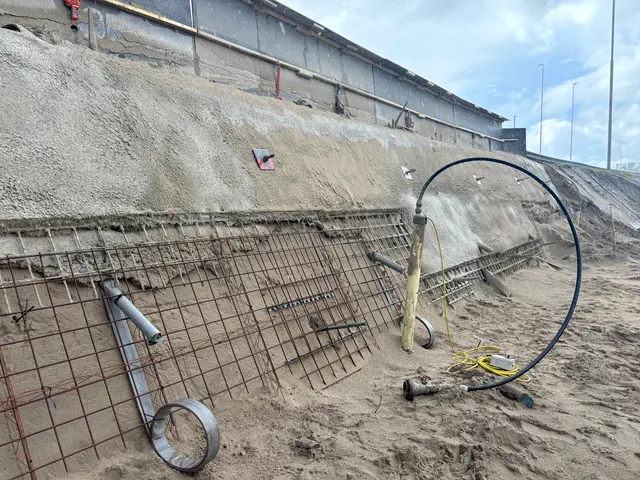
Franki Foundations has been active in specialist deep foundation techniques for more than 110 years. When conventional foundation techniques are not sufficient, it looks for a suitable bespoke solution. That technical expertise and experience also come in useful at BE-Inject. The division was established in 2017 under the responsibility of Nico Heiligers and has since developed into a specialist in areas including damp-proofing, construction pit leaks, soil stabilisation, horizontal ground injection and concrete repairs. “Concrete repair is an important part of BE-Inject’s work,” says Nico. “For example, we repair damage to concrete structures using concrete injection, manual repairs or sprayed concrete. The technique used depends on the structure, the damage and the required service life of the repair.”
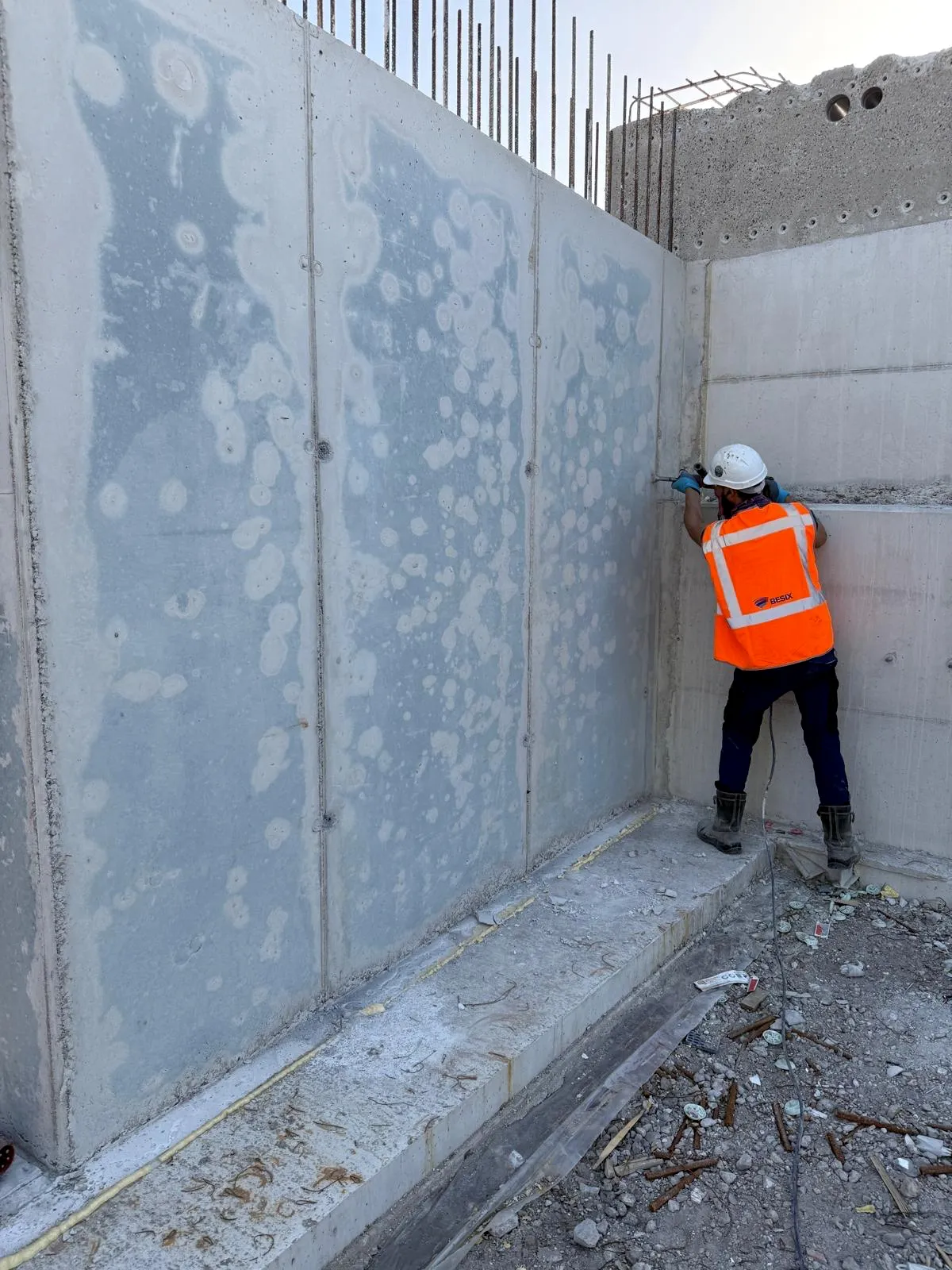
Assurance
Achieving BRL-KOMO 3201 certification marks an important step for BE-Inject in concrete repair. The certificate demonstrates that work is carried out in accordance with established quality and process requirements. “BE-Inject has always stood for quality. With KOMO certification, we can now demonstrate the quality of our concrete repair work as well. This gives not only us, but above all our clients, added assurance.”
Applied in practice at the Krammersluizen complex
The certification is already proving its value in practice. BE-Inject is carrying out concrete repairs as part of the major renovation of the Krammersluizen complex in Bruinisse. The complex comprises four locks, of which the two push-tow locks are being refurbished one at a time. The gates are taken to a factory hall in Vlissingen for the work, with each refurbishment taking around six months. As part of the ZEEKR partnership, led by BESIX, BE-Inject is responsible for the concrete repair work.
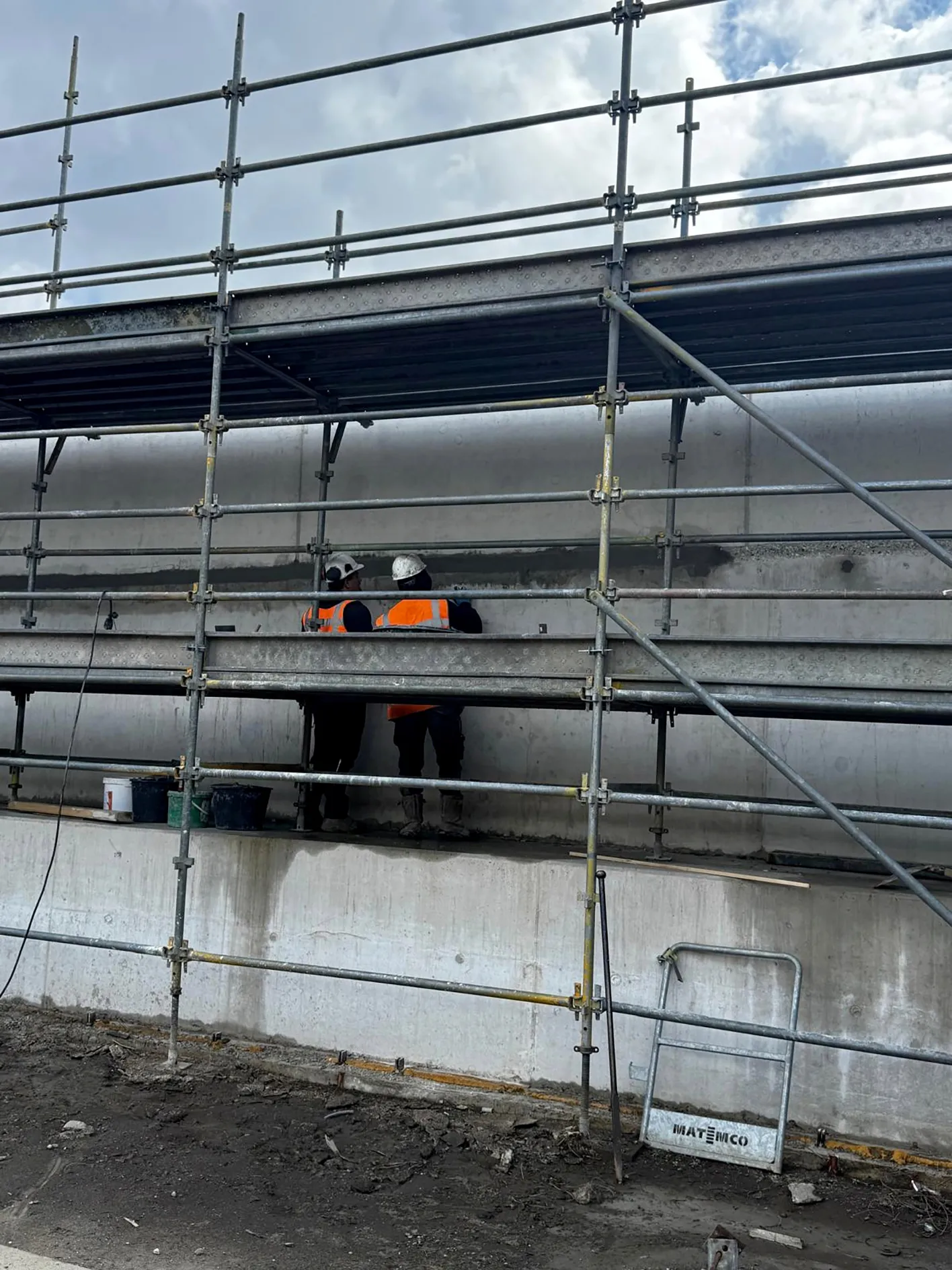
De Nieuwe Meer interchange
BE-Inject’s certified concrete repair work is also being used in the major reconstruction of the De Nieuwe Meer interchange near Amsterdam’s Zuidas. The division is demonstrating that concrete repair is a specialist discipline, both in major infrastructure renovation projects and on complex civil engineering structures. “No two projects are the same. What makes our work interesting is that you have to take a close look at the structure, the conditions and the problem that needs to be solved.”
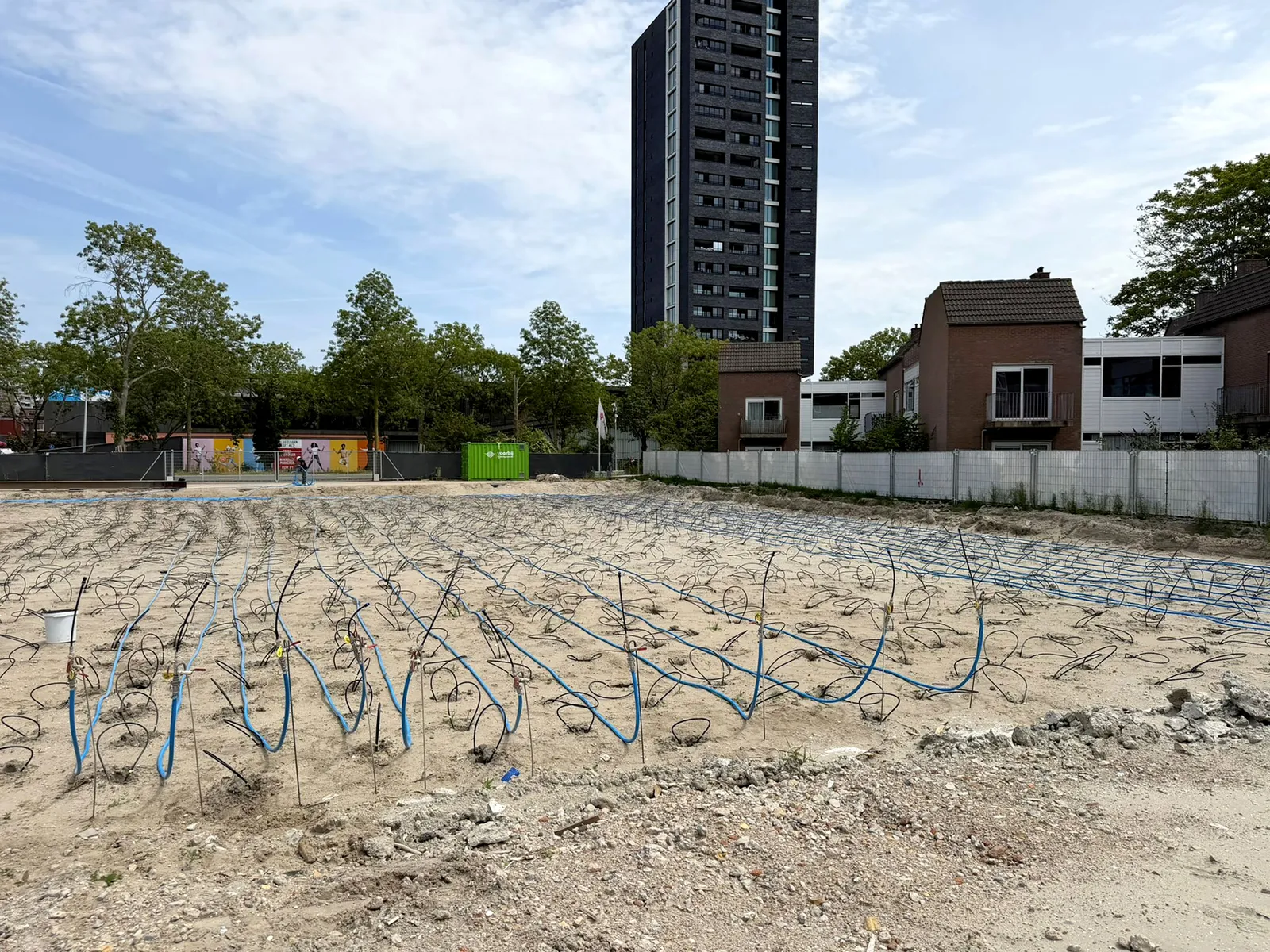
Ground injection
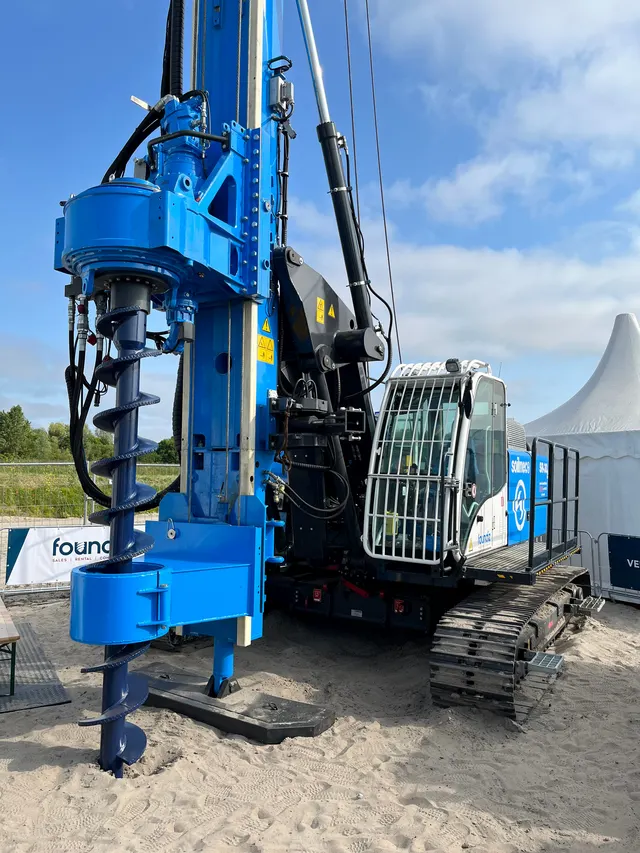
In addition to concrete repair, BE-Inject has a range of ground injection techniques at its disposal. Ground injection can be used, for example, to increase the bearing capacity of the soil or control unwanted water flows. Injection tubes installed vertically deliver a mixture of waterglass and hardener to the required depth in the sand layer. The individual injection zones overlap, creating a continuous water-resistant layer in the ground. One example is De Premier, a nature-inclusive apartment building in Leiden. Here, waterglass silicate ground injection is being used to create a water-resistant layer in the ground, comparable to the water resistance provided by a clay layer around one metre thick.
Accredited training company
Nico would also like to highlight that BE-Inject has been officially recognised by SBB as a training company for mbo students. “It’s a milestone we’re proud of,” he says. “It means we can supervise the work-based part of a full mbo programme, on the actual job site, in real conditions and with real challenges.”
Question about this story? Ask your question
Keep following this
Get an email when a new story is published. No account needed.
- ThemeExtending the life of roads and civil engineering structures
- SubjectFoundations / Site investigation