Drainage specialist also offers solutions for underground energy infrastructure
Text Susan Peek Beeld TBS-SVA Groep, EJ
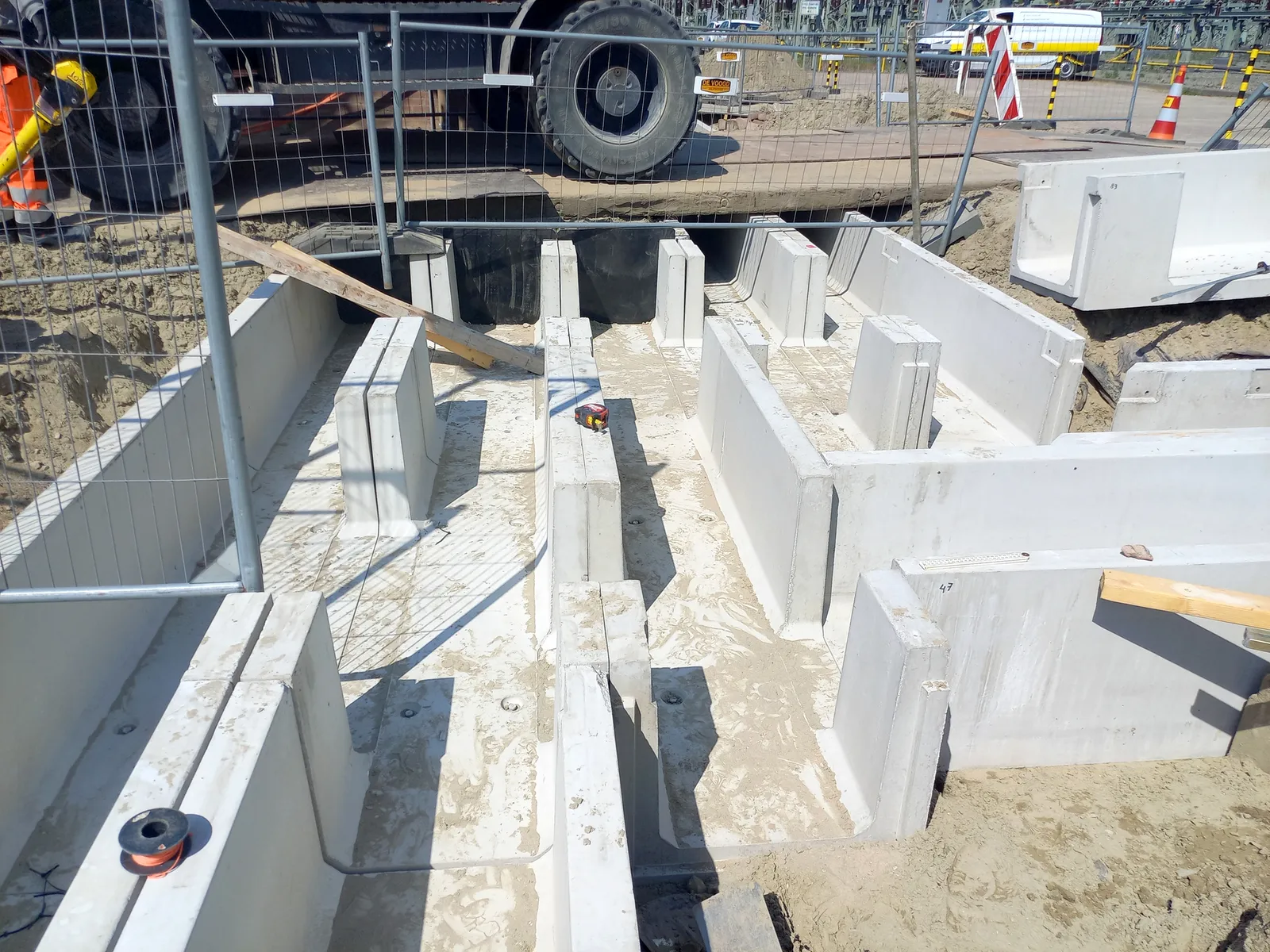
TBS-SVA Groep is best known in the civil engineering sector as a specialist in drainage products. But alongside climate-adaptive systems for rainwater management, the company also offers a broad range of products for underground energy infrastructure. “Grid reinforcement and increasing pressure on underground space are driving demand for cable routes that can withstand heavy loads, are easy to maintain and can be expanded flexibly,” says commercial director Willy Bruckers. “This calls for an integrated approach to design, accessibility and maintenance.”
Differentiation
According to Willy, this is particularly evident on industrial estates, at logistics hubs and in other heavily loaded environments, where the number of underground cable routes is rising sharply and future expansion must remain possible. “This also places higher demands on the layout of underground space, in terms of load-bearing capacity, accessibility and safety.”
Not every situation calls for the same solution. “On main carriageways and in industrial zones, for example, infrastructure has to withstand heavy traffic, while secondary areas and side roads are often subject to lighter loads. That is why we assess each situation to determine the best combination of materials, covers and load classes.”
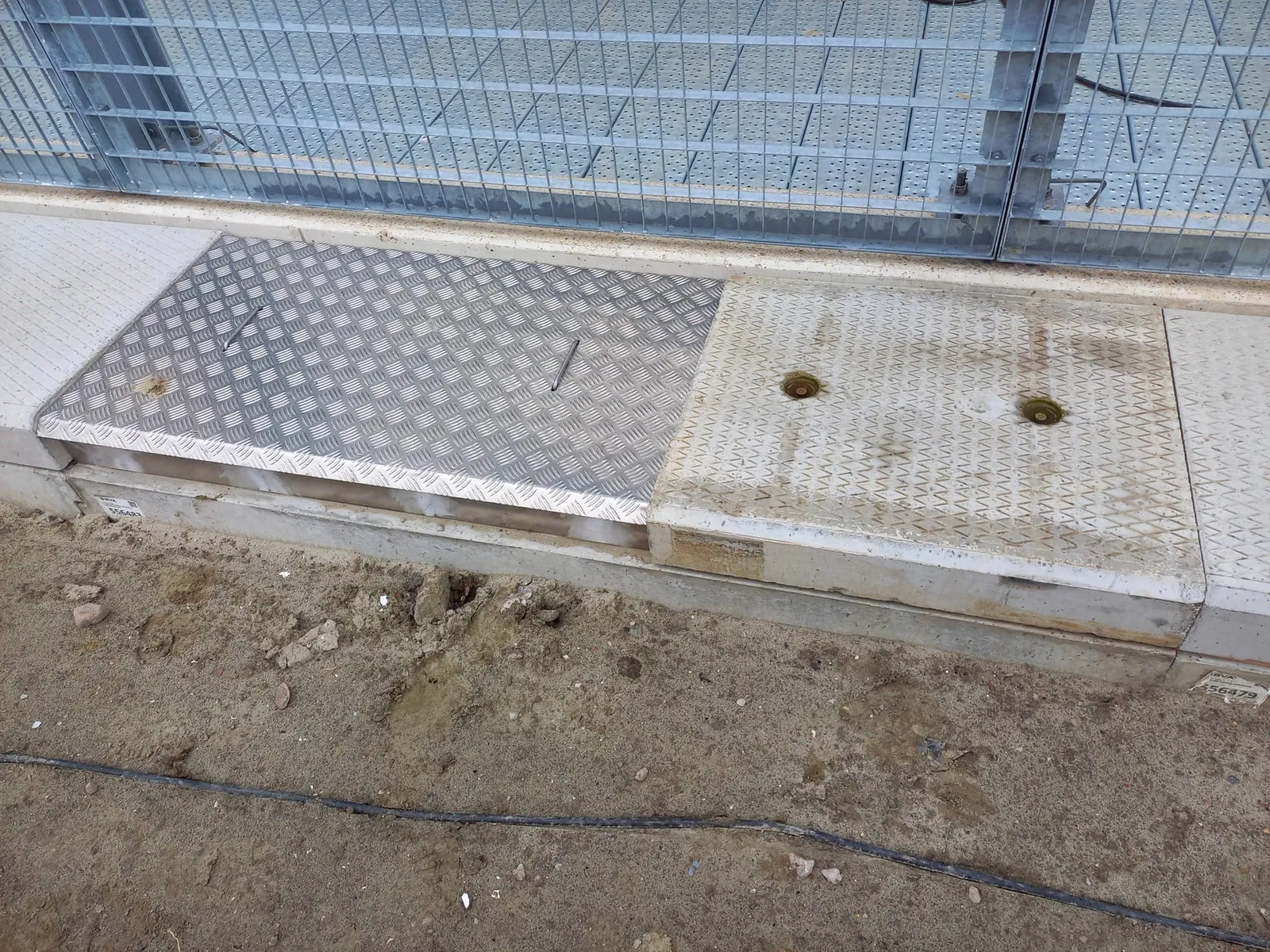
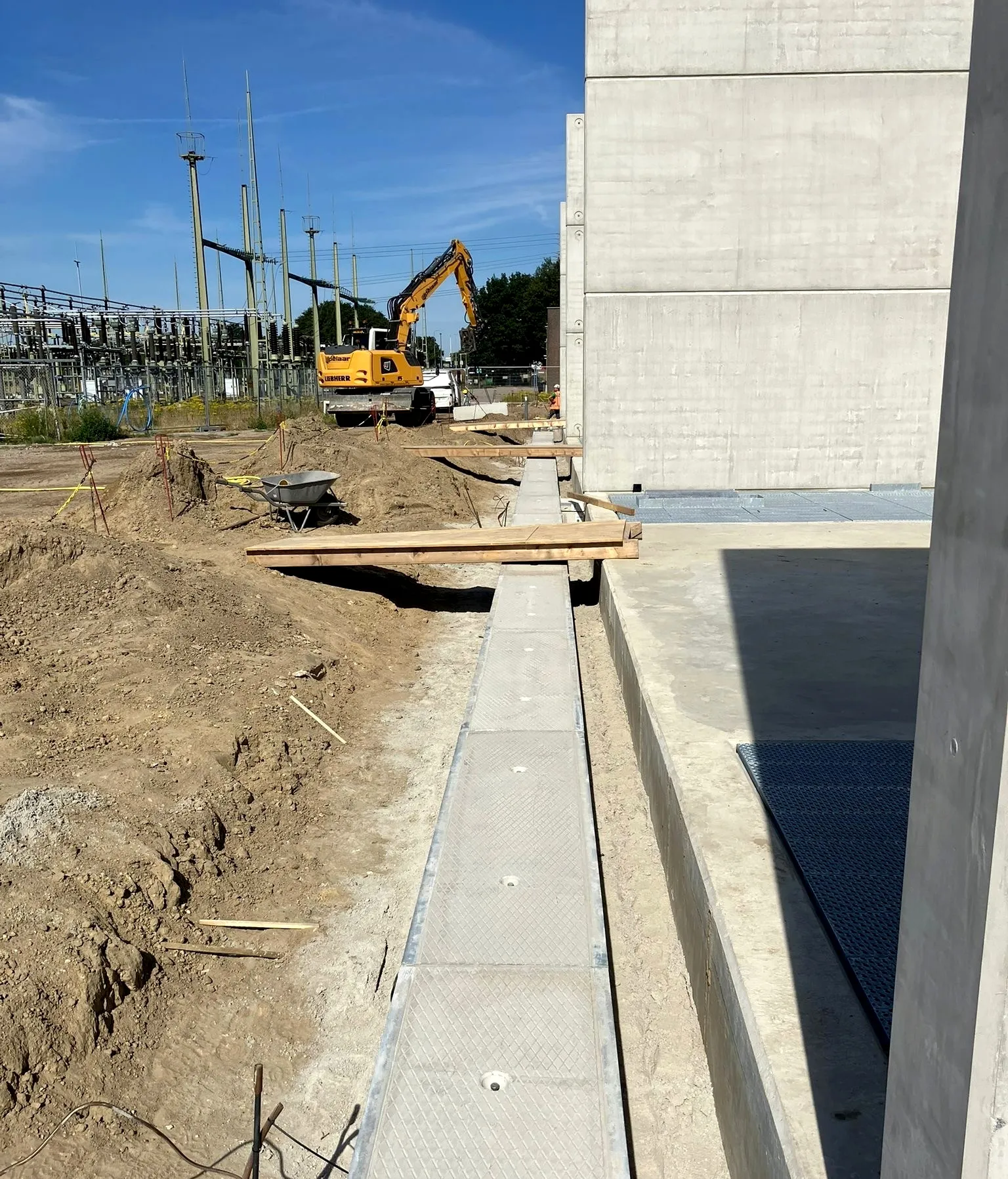
Depending on the application, cable ducts can be fitted with different types of cover, tailored to the technical requirements, the desired level of accessibility and the traffic load at a site. For heavily loaded infrastructure, TBS-SVA Groep uses robust concrete cable ducts and covers. Covers are available in concrete, aluminium, stainless steel and cast iron, while plastic options are also suitable for areas with lighter traffic. “This differentiation is what makes a system future-proof and easy to maintain,” says Willy.
Cable ducts
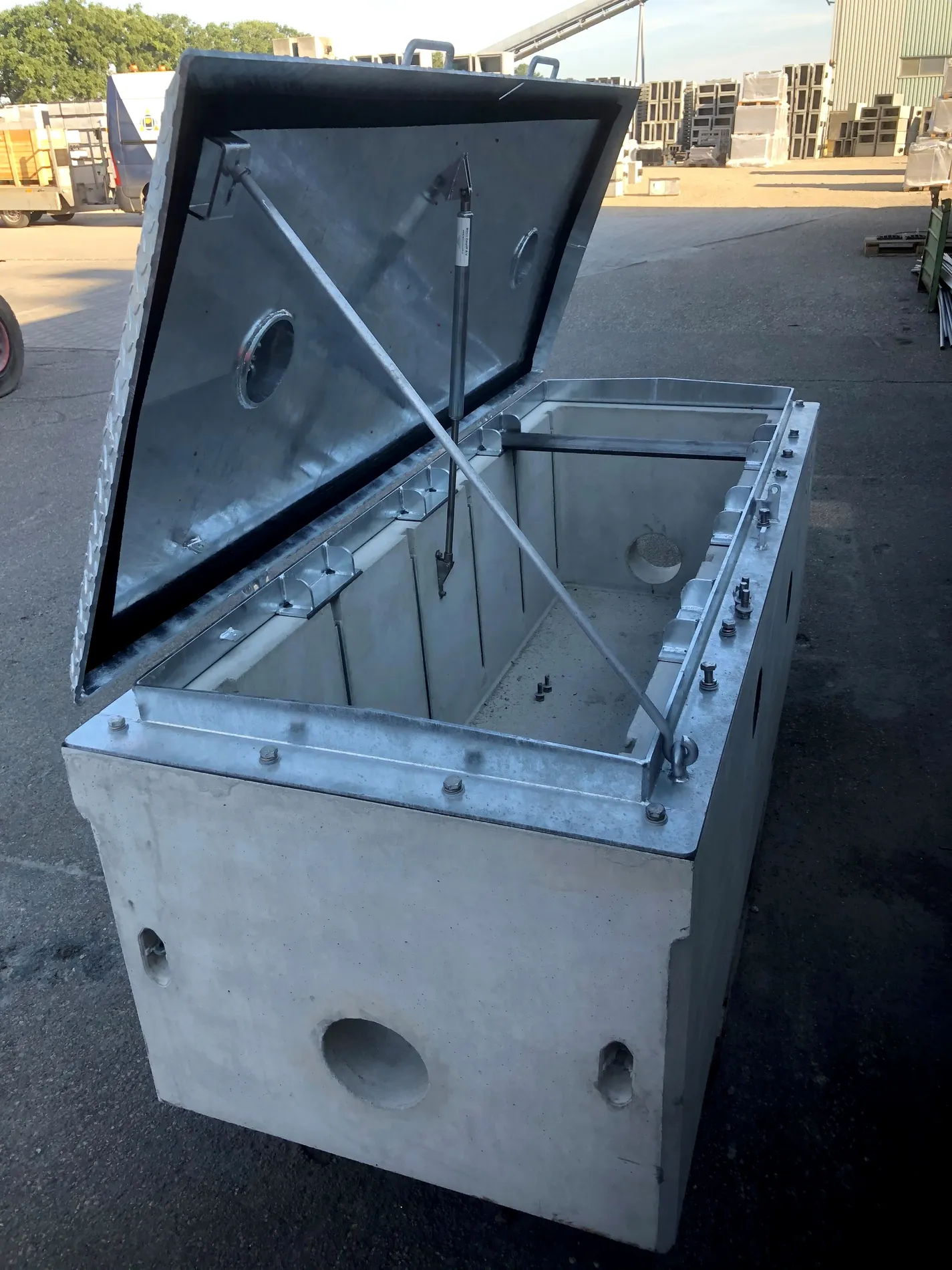
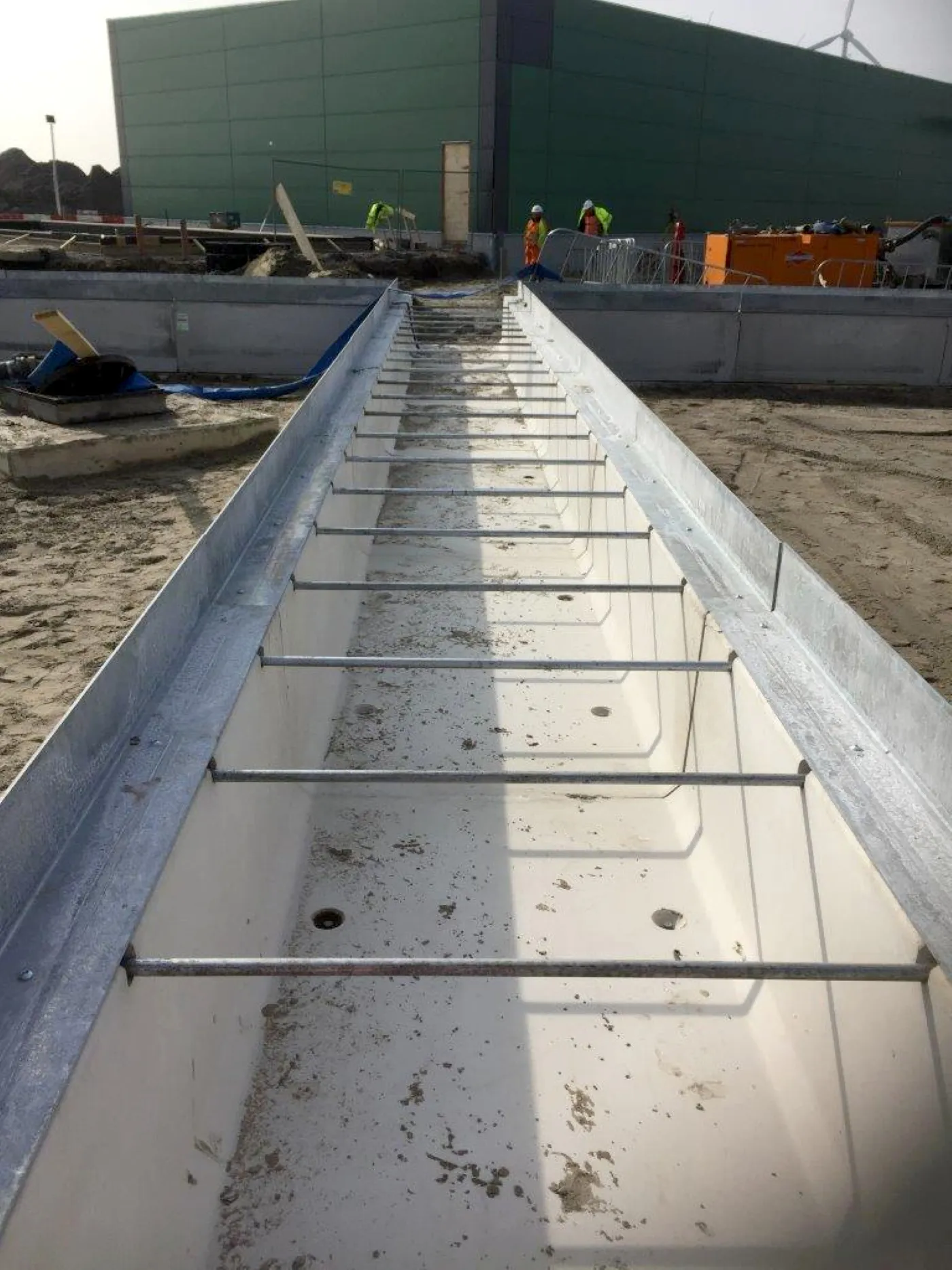
SVA’s CONDUCT cable ducts, made from reinforced concrete, provide a durable and robust foundation for underground cable routes. They are designed to house cables and pipes safely and in an orderly manner, including at medium-voltage substations, industrial installations and connections between business premises. By routing cables together and protecting them, the infrastructure remains manageable, even as network density and complexity increase.
The system can be configured flexibly with cut-to-size sections, mitred sections and corner solutions for changes of direction, as well as T-junctions for network branches. Provisions for earthing, drainage of leakage water and openings for structural connections can also be integrated. “This allows us to tailor a cable route fully to a project’s technical and civil engineering requirements,” says Willy. “Ancillary features, such as transformer pits and access systems, can also be integrated directly into the design.”
Accessibility
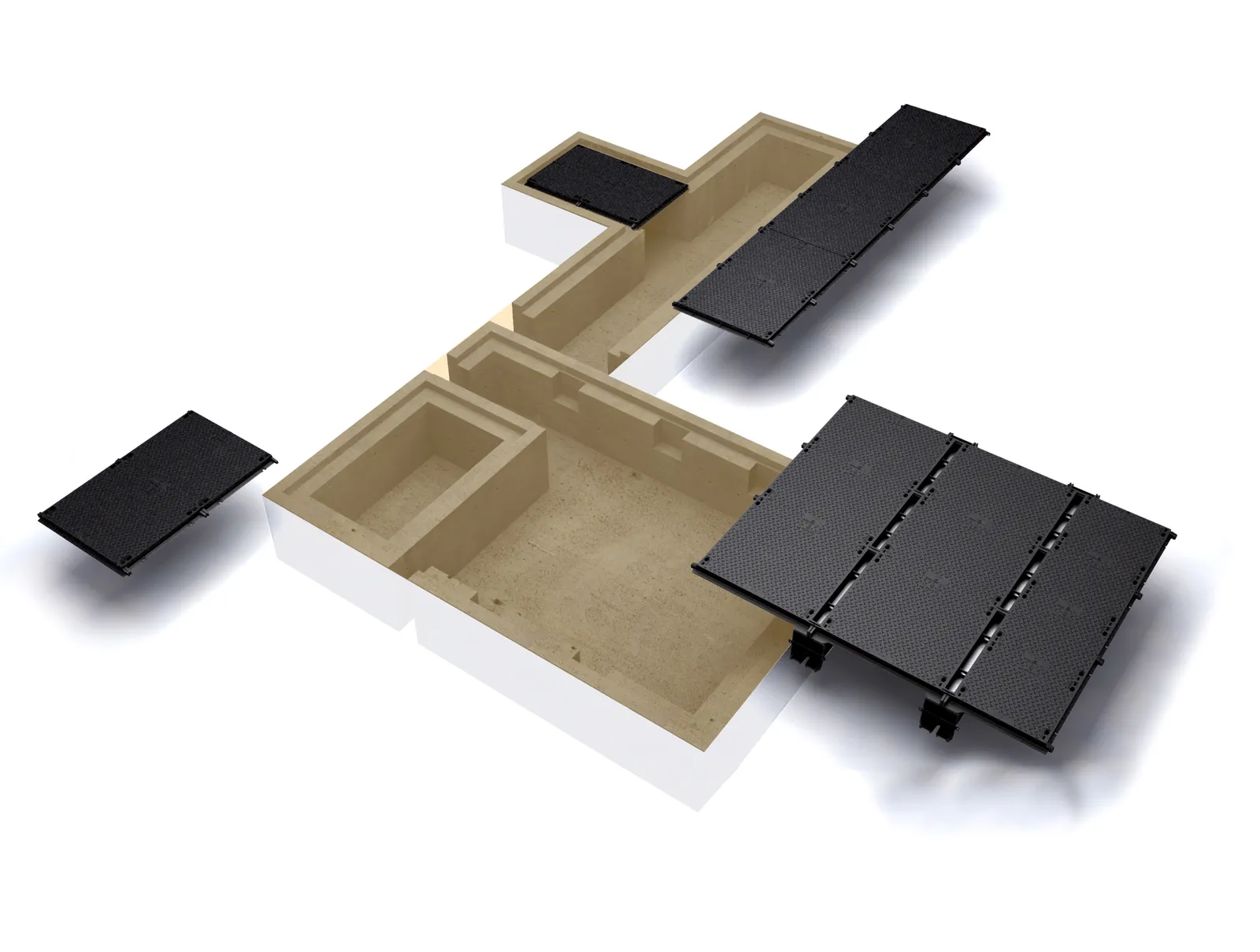
According to Willy, underground energy infrastructure is no longer just about installation. “Maintenance, accessibility and the ability to expand in the future are becoming increasingly important. That is why we supply not only cable ducts, but complete systems, including surface-mounted and cast-in access hatches in galvanised steel, stainless steel, aluminium and cast iron.”
These hatches provide safe, reusable and easy-to-maintain access to cable chambers, technical rooms and substations. “This keeps installations accessible for inspection, maintenance and future modifications.”
Willy says this accessibility offers significant long-term benefits. “Technical modifications or grid reinforcement can be carried out without extensive excavation or breaking up existing paving,” he says. “This reduces disruption and material use, and extends the service life of the infrastructure as a whole.”
Integrated approach
According to Willy, the key lies in combining cable ducts, access hatches and ancillary components into an integrated system. “We do not just supply individual components, we work with customers to plan the complete layout of a cable route,” he says, concluding: “By carefully coordinating all the components, we create a future-proof solution that meets the demands of grid reinforcement and maintenance in practice.”
Een zakelijke vraag aan TBS-SVA GROEP? Get in touch
Companies in this story
Keep following this
Get an email when a new story is published. No account needed.
- ThemeFlood protection and climate-resilient water management
- SubjectUnderground construction
- CompanyTBS-SVA GROEP