From material choice to industrial reliability
Text Roel van Gils Beeld Saint Gobain PAM
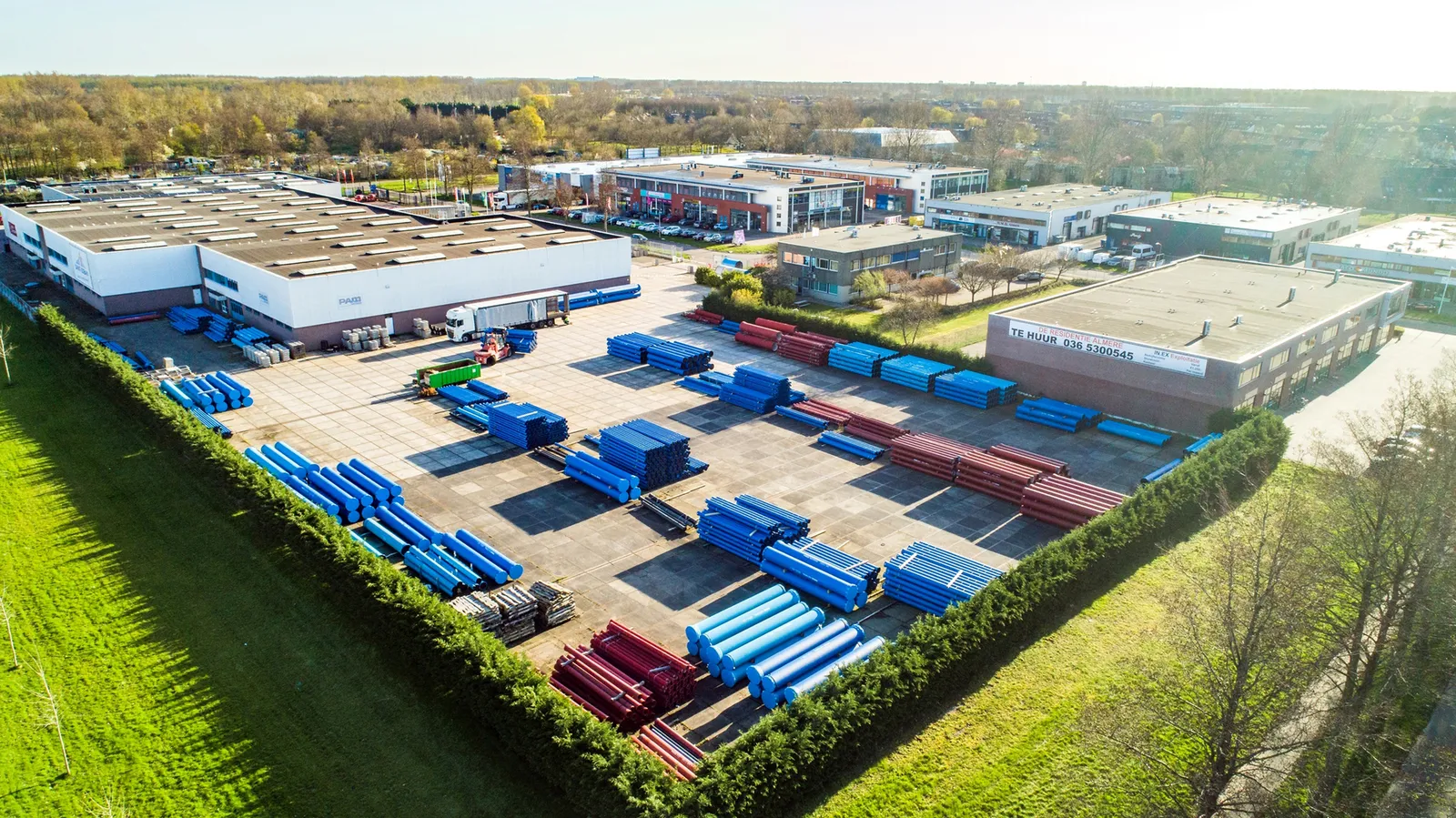
Cast iron has been used for centuries and reused for just as long. According to Saint Gobain PAM, too little attention is still paid to how this circularity is actually organised in practice. “It has almost become taken for granted,” says Marloes Meer, director of Saint Gobain PAM Netherlands. “But especially in vital infrastructure, we need to keep explaining why material choice really makes a difference.”
At Saint Gobain PAM, a project ideally starts with a conversation. Not about catalogues or products, but about the question: what exactly does this application require? “For us, a pipeline is never just a pipeline,” Marloes explains. “A transmission main between cities has different requirements from one serving a water treatment plant or an urban replacement project. We prefer to have that discussion as early as possible.”
Local involvement
Saint Gobain PAM has been providing solutions for drinking water and wastewater infrastructure for more than a century. In the Netherlands, the company works with all drinking water companies and water boards, with its Almere site serving as its logistics and commercial base. The pipes and fittings themselves are manufactured in Europe, within an internationally operating group active in construction materials and industrial solutions.
Inherently circular
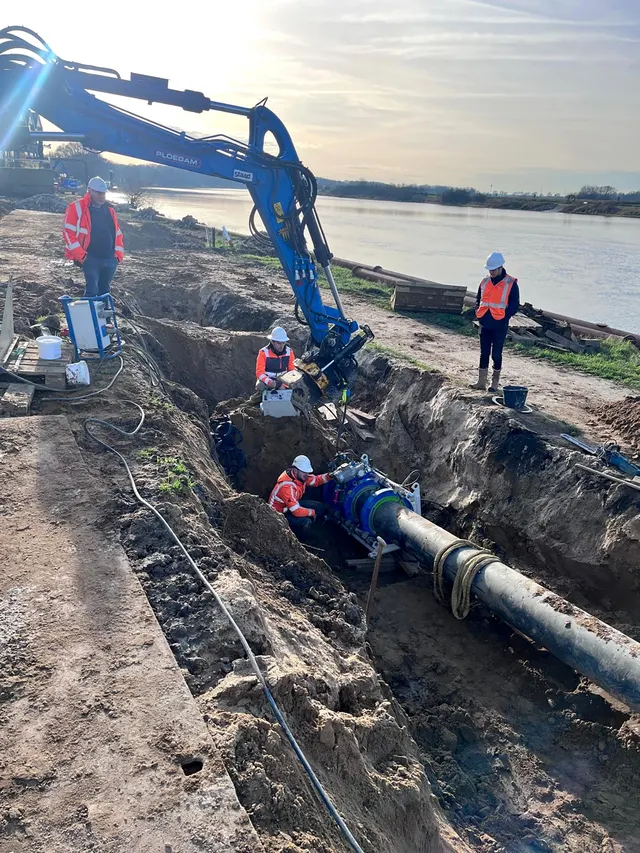
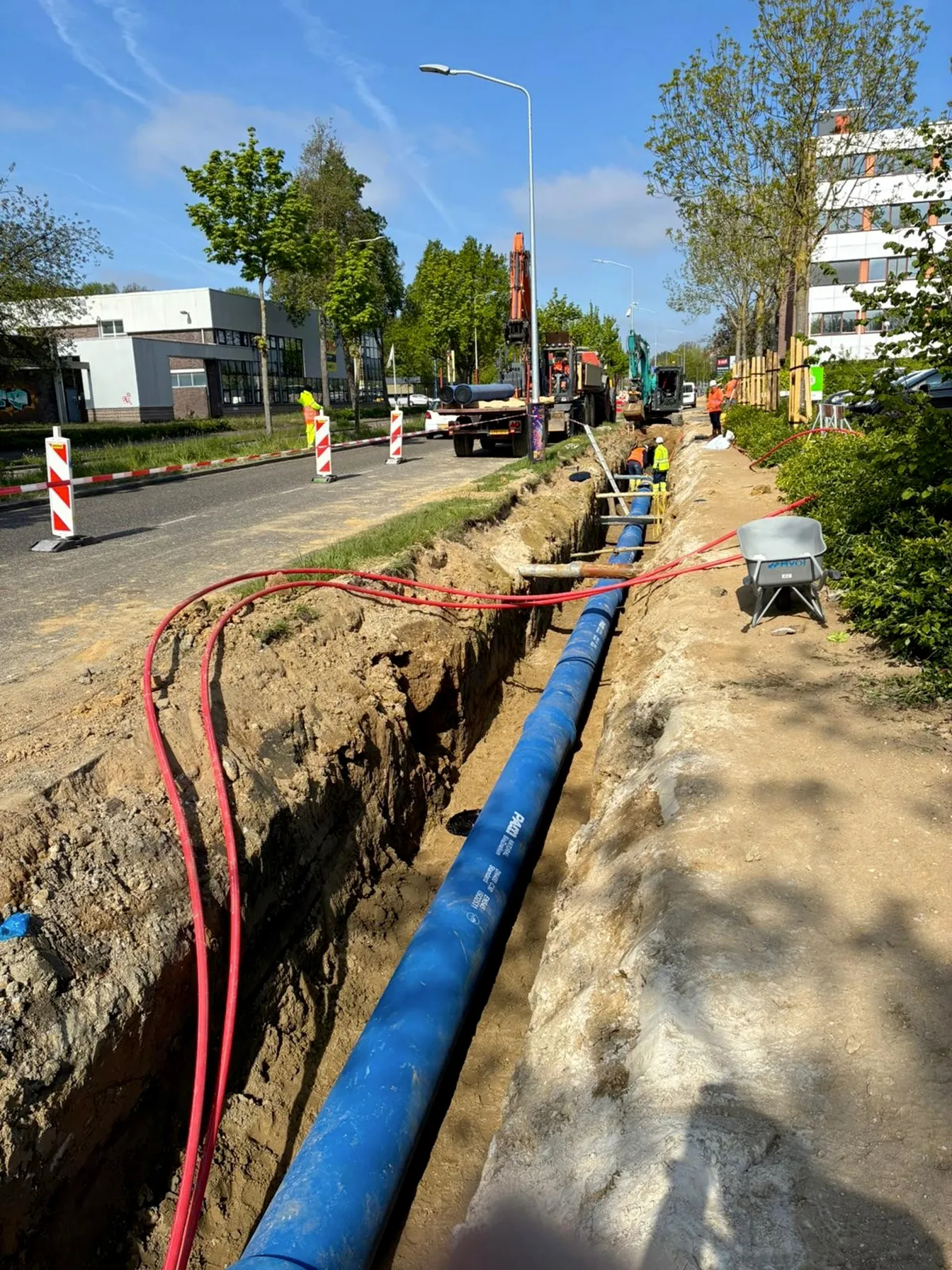
What sets ductile iron apart is its combination of durability and recyclability. “Pipelines that remain underground for a hundred years or more are the rule rather than the exception,” says Marloes. “And anything removed at the end of its service life can be put to use again.” In cities such as Amsterdam, as well as at historic installations such as Versailles, old cast-iron pipes have been replaced and the recovered material returned directly to the production chain. “That clearly shows how inherently circular this material is.”
Zero CO2 emissions by 2050
In recent years, this circularity has also taken on an added dimension. As part of the Saint Gobain Group’s wider sustainability strategy, which is targeting net zero CO2 emissions by 2050 with validated interim targets for 2030, heavy industry is a key focus. Although raw materials for iron and steel production remain widely available worldwide, the focus is increasingly shifting towards reducing dependence on energy and geopolitical risks throughout the entire life cycle. For Saint Gobain PAM, this translates into tangible investments in electrification, efficiency and a structural reduction in dependence on primary raw materials and fossil energy.
Electric and induction furnaces
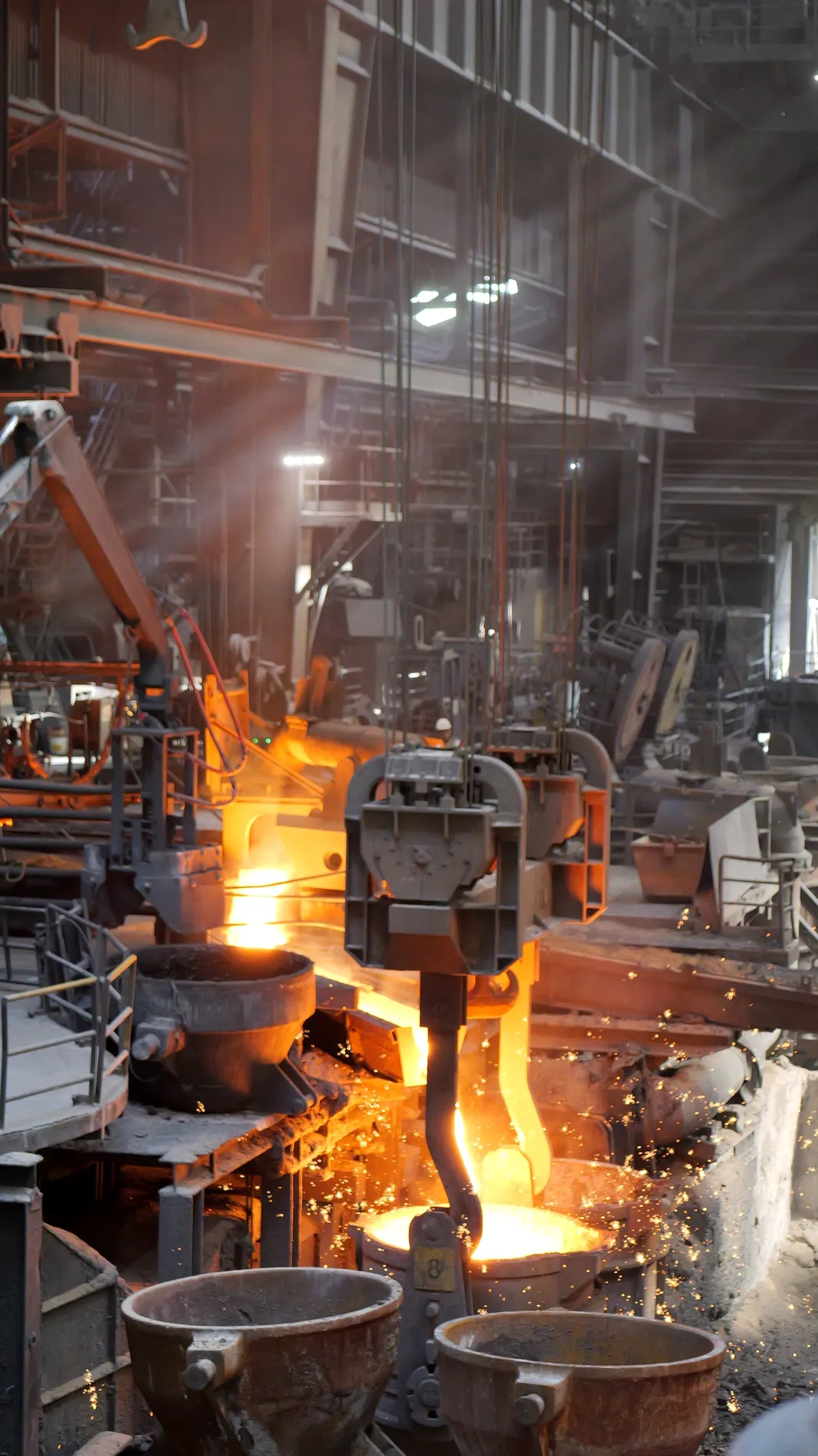
Where previously the focus was mainly on what could be recycled, attention is now increasingly shifting to how the material is produced again. Traditional furnaces fuelled by coke and other fossil fuels are gradually being replaced by electric and induction furnaces. These increasingly use widely available European scrap streams. This makes cast-iron production not only significantly lower-emission, but also more flexible in its choice of raw materials.
Security of supply
According to Marloes, this has a direct impact on security of supply. “The availability of raw materials is not just about global volumes, but above all about manageability. By using more scrap and becoming less dependent on fossil energy sources, we reduce risks in the supply chain.” At the same time, the company remains realistic: not all materials, such as specific ferro-alloys needed for certain material properties, are equally easy to diversify. “That is precisely why we believe transparency is more important than grand promises.”
According to Marloes, clients particularly value Saint Gobain PAM’s pragmatic approach. “We do not claim that one material or technology is the solution everywhere. But we do show what works today, what has potential tomorrow and where the limits are.” This creates partnerships that go beyond simply supplying products. “Ultimately, it is about reliable infrastructure. Pipelines disappear from view, but must function reliably for decades. If we can contribute to that through sustainable and considered material choices, then we are doing exactly what we have stood for for more than a hundred years.”
Question about this story? Ask your question
Keep following this
Get an email when a new story is published. No account needed.
- ThemeLower emissions and more reuse
- SubjectUnderground construction