









Champions League standard in mechanical engineering
Text Roel van Gils Image Demako
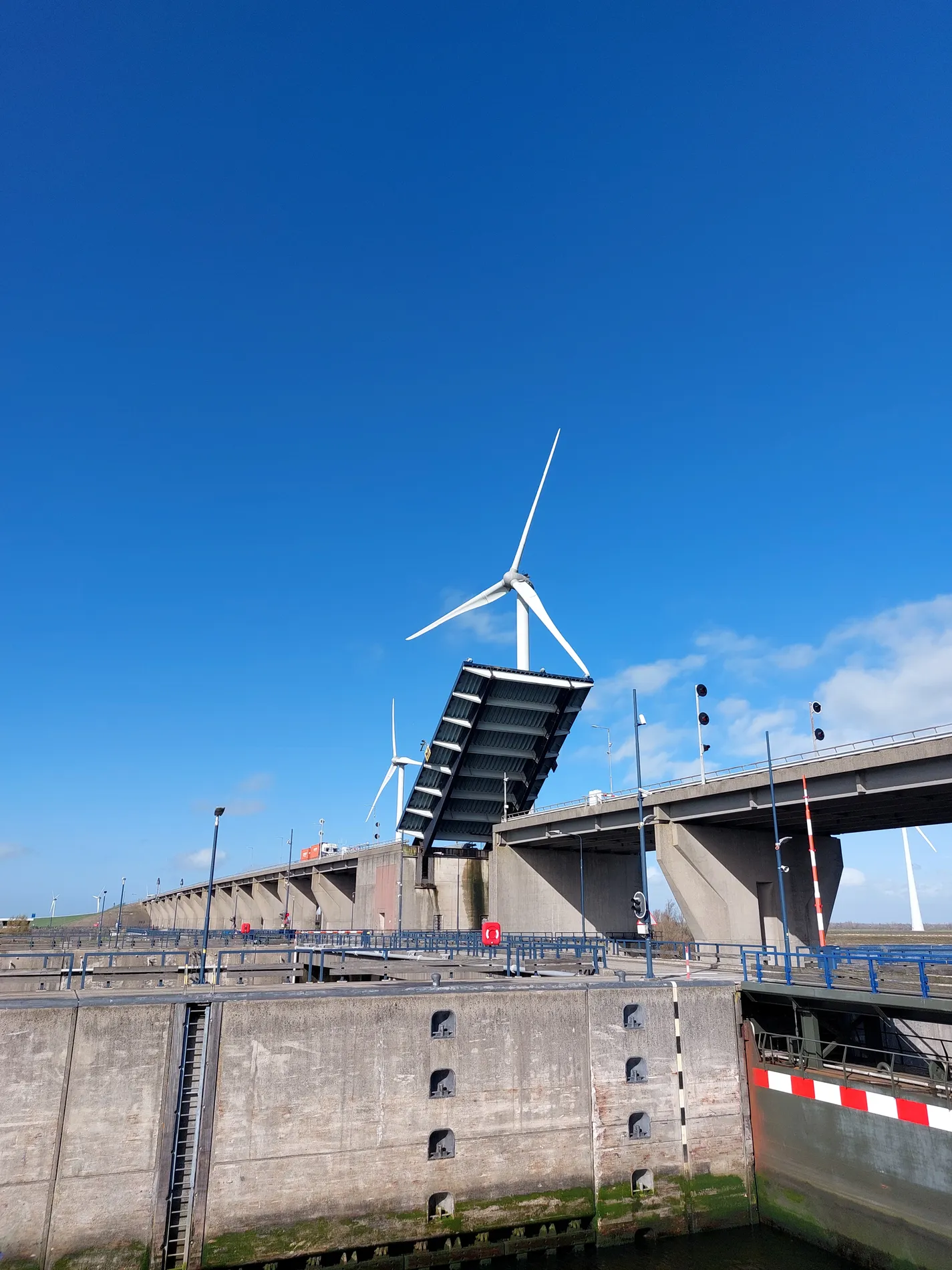
One of the Netherlands’ largest renovation projects
Demako is one of a select group of companies devoted entirely to the mechanical engineering systems, mechanisms and operating equipment of movable bridges and locks. That specialist expertise is being put to full use in the renovation of the Krammersluizen: from drives and levelling systems to gates, valves and bottom roller carriages. The company’s scope covers every component that determines whether the lock operates safely and reliably. Demako’s specialists say this is mechanical engineering at Champions League level.
The contract came at a particularly opportune moment for Demako. The company had been involved in the tender through another party, but the situation changed when that party judged the work to be too risky and ZEEKR’s mechanical engineering partner withdrew. The consortium then looked for a specialist to take responsibility for the entire mechanical engineering scope. “That phone call came at exactly the right time,” says managing director Thomas Beckx. “We already knew the specifications, requirements and technical principles. That meant we could respond quickly, even though the scope ZEEKR had in mind was slightly different from what we had originally bid for.”
Subprojects
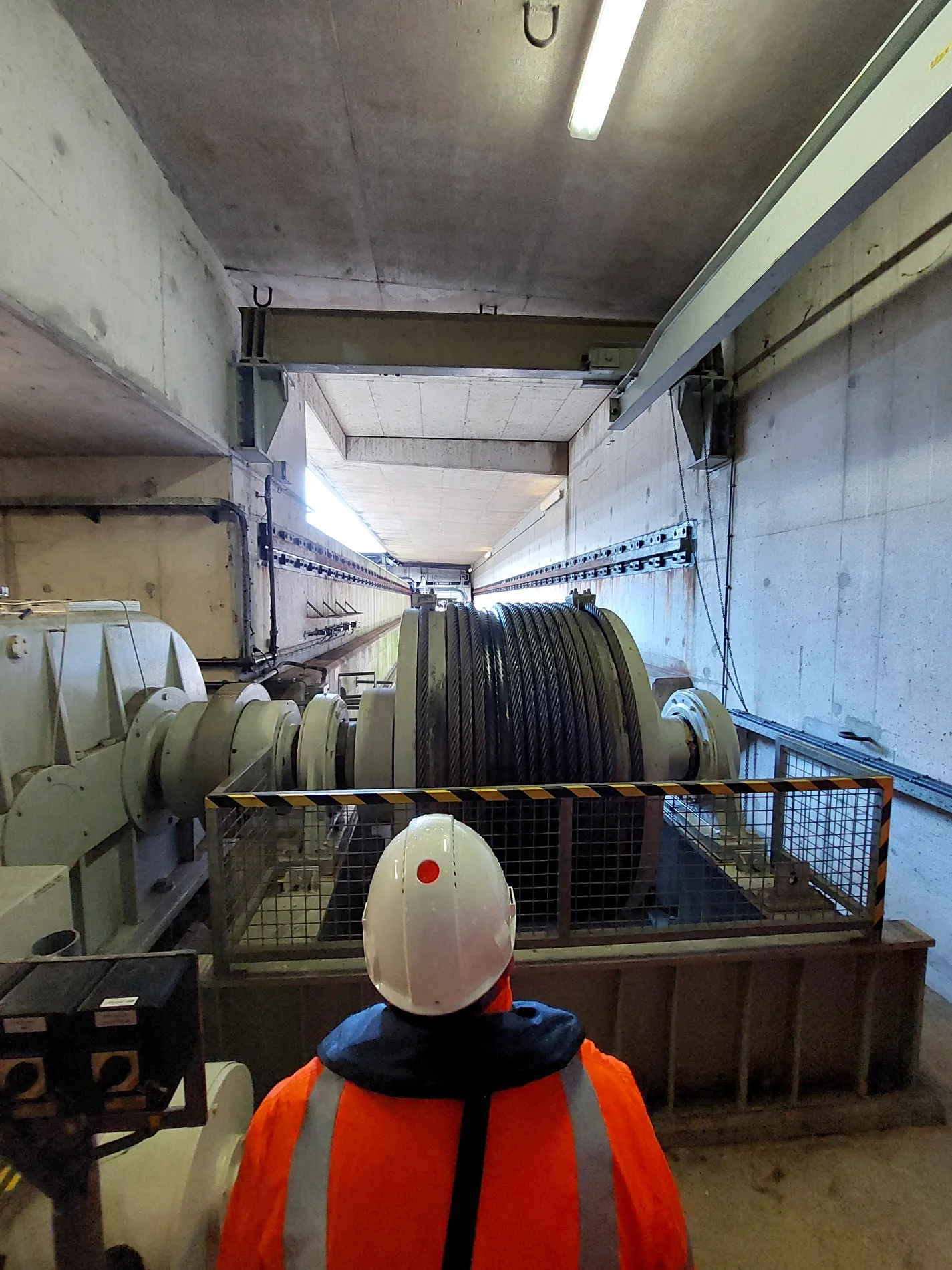
The renovation of the Krammersluizen is divided into several subprojects. “Our work sits at the intersection of mechanical engineering, drive technology and operating equipment,” says Bert Snauwaert, Krammersluizen project manager at Demako. “We are not a general steelwork contractor. Our strength lies in the specialist elements: everything that moves, everything that requires tight tolerances and everything that depends on mechanical engineering expertise.”
Some of the existing installations will be removed entirely. “For example, components of the push-tow lock will be dismantled and not reinstated after the renovation. Work is also being carried out on four large wall gates in the yacht locks.” Demako’s greatest technical challenge, however, lies in the moving structures. The company is responsible, among other things, for the drives for the push-tow lock gates and the new levelling system to be integrated into the lock gates.
Making smarter use of water
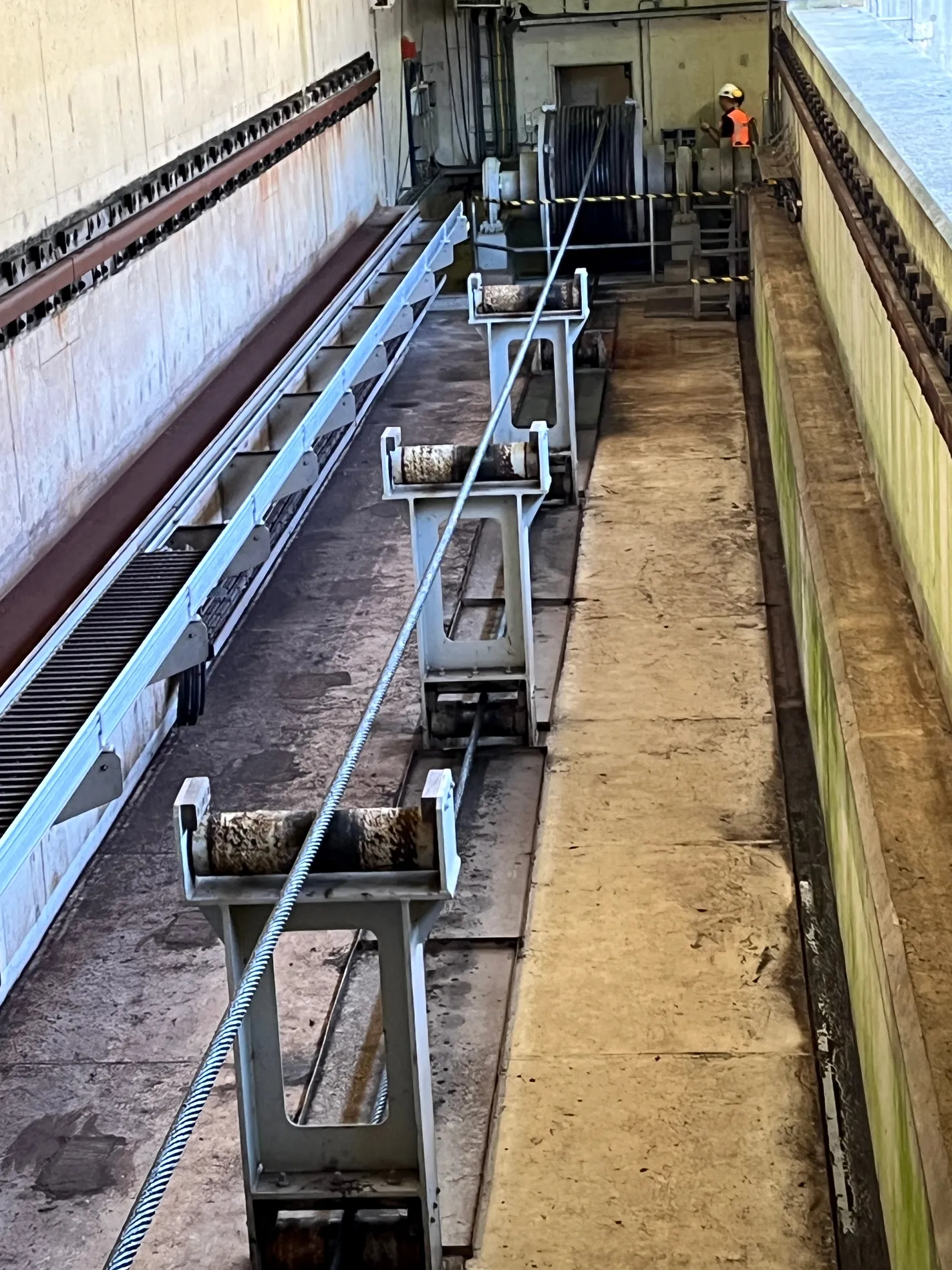
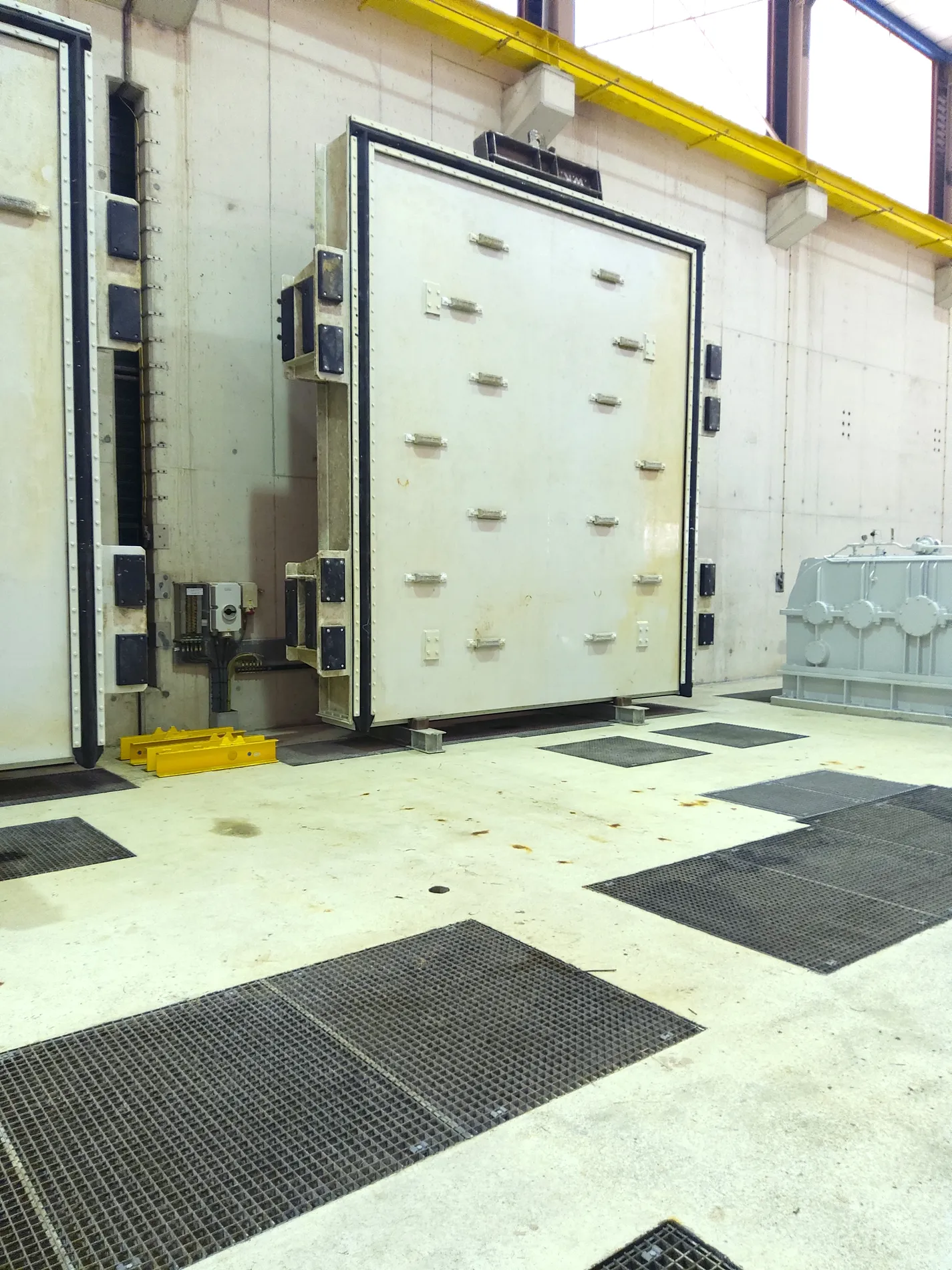
One of the renovation’s key aims is to make water management more sustainable. “The existing basin system uses large pumps that consume a lot of energy,” Thomas explains. “In the new system, much greater use will be made of natural differences in water level and gravity.” Bert adds: “When the water level in the Oosterschelde is low enough and the level in the basins is high enough, the basins will be able to drain by gravity. This will eliminate the energy-intensive pumps from the system. We are supplying and integrating new gates and knife-edge valves for this purpose, together with their drives. The installation is part of a completely upgraded water management system that will make the locks operate more efficiently and sustainably.”
Separating fresh and salt water
The new approach to separating salt water from fresh water is another notable feature. “In the 1980s, a system was deliberately chosen in which water was pumped to minimise mixing. In the upgraded system, the separation will be achieved using, among other things, a bubble screen and a new levelling system in the lock gates,” Bert explains. Large butterfly valves will be integrated into the gates themselves for this purpose. “We have already successfully applied the principle at the Prinses Beatrixsluizen and at the Pierre Vandammesluis in Belgium. It is once again an important part of the renovation of the rolling gates.”
New flushing facility and fish passage
Alongside renovating existing structures, Demako is also working on entirely new installations. “A new flushing facility and fish passage is being built between the push-tow locks. We are responsible for the complete design, engineering and delivery of the operating equipment and steelwork,” says Thomas. “For the hydraulic drive, we are working with Bosch Rexroth, one of the other project partners. We are also carrying out a thorough overhaul of the existing drive systems for a pumping station and a culvert.”
Years on the clock
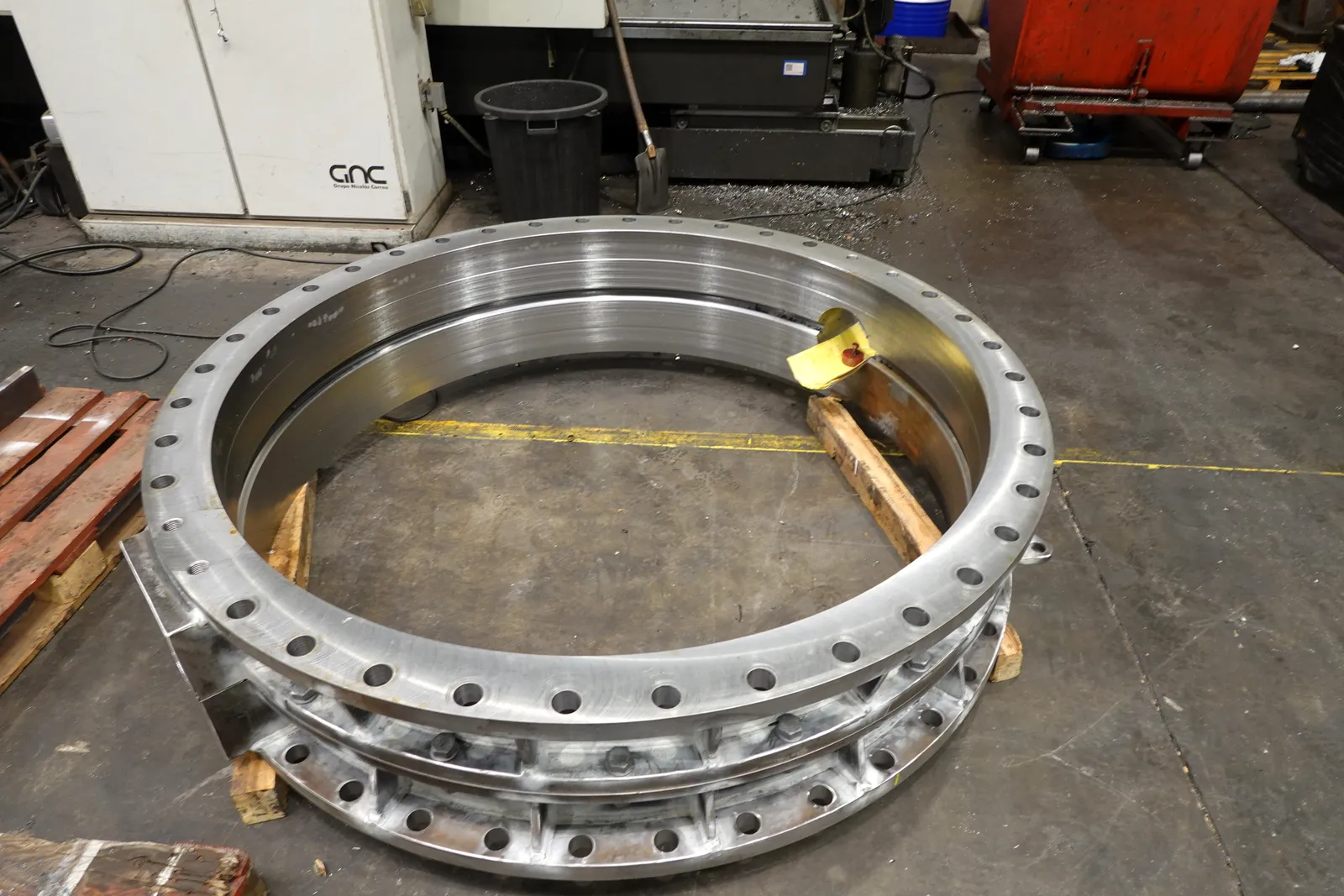
What makes the project unusual, both men say, is the combination of new construction, refurbishment and modifications to existing structures. “Everything you touch brings surprises. Our colleagues in the other disciplines are encountering them too. The Krammersluizen complex dates from the 1980s, and all the systems have many years behind them. A good example is the bottom roller carriages on which the enormous rolling gates of the push-tow locks move,” says Bert. “The two bottom roller carriages from the reserve gate are currently at our workshop and have been completely dismantled. They are being refurbished and a number of steelwork modifications are being made.” Most of the levelling valves are also manufactured in-house. Only the motors are purchased. This enables Demako to combine specialist engineering with its own manufacturing capacity.
First major milestone in sight
Although work at the site itself is still relatively quiet, construction is already well under way behind the scenes. “One of the key milestones is scheduled for October, when the first refurbished rolling gate for the push-tow lock will be reinstalled,” Thomas notes. “The final reinforcements and modifications are now being made at Iemants’ yard so that we can fit ‘our’ levelling valves there. A new hydraulic system from Bosch Rexroth will also be installed, and all the electronics will be replaced. Before commissioning, the gate will undergo an extensive Factory Acceptance Test (FAT), during which all the systems will be tested together before it returns to the Krammersluizen.”
With around 43 permanent employees, supplemented by contractors and specialist partners, Demako is making a relatively small but highly specialised contribution to the overall project. “Our people live and breathe mechanical engineering. We are not generalists, but specialists in operating equipment, drives and lock mechanisms. That is our field,” Bert stresses. This specialist expertise is crucial in a renovation of this scale. Dozens of parties are working together to secure the future of the Krammersluizen, with Demako making sure that every component that needs to move really does move.
Have a business enquiry for DEMAKO NV? Get in touch
Who worked on Krammersluizencomplex
- main contractor
 BESIXMentioned in The power of systems integration in the renovation of the Krammer Locks complex
- constructionZEEKRMentioned in The power of systems integration in the renovation of the Krammer Locks complex
- system integrationINNOCYMentioned in The power of systems integration in the renovation of the Krammer Locks complex
- system integrationCPM ConsultancyMentioned in The power of systems integration in the renovation of the Krammer Locks complex
- replacement, renovation and modificationIemantsMentioned in Modified 400-tonne lock gates improve the lockage process
- subcontractor
 DISA InternationalMentioned in The foundations for a new pumping station are being laid underwater
- independent baseline inspection
 A-QuinMentioned in Independent baseline inspection prevents surprises
- machinery safety consultant
 KaderMentioned in CE marking for one of the Netherlands’ most complex lock projects
- lead hydraulic engineering engineerHessel Voortman Engineering ConsultancyMentioned in A masterclass in hydraulic engineering


Keep following this
Get an email when a new story is published. No account needed.
- ProjectKrammersluizencomplex
- ThemeExtending the life of roads and civil engineering structures
- SubjectNews
- CompanyDEMAKO NV
- CompanyBosch Rexroth







