









What lies beneath the ground we build on?
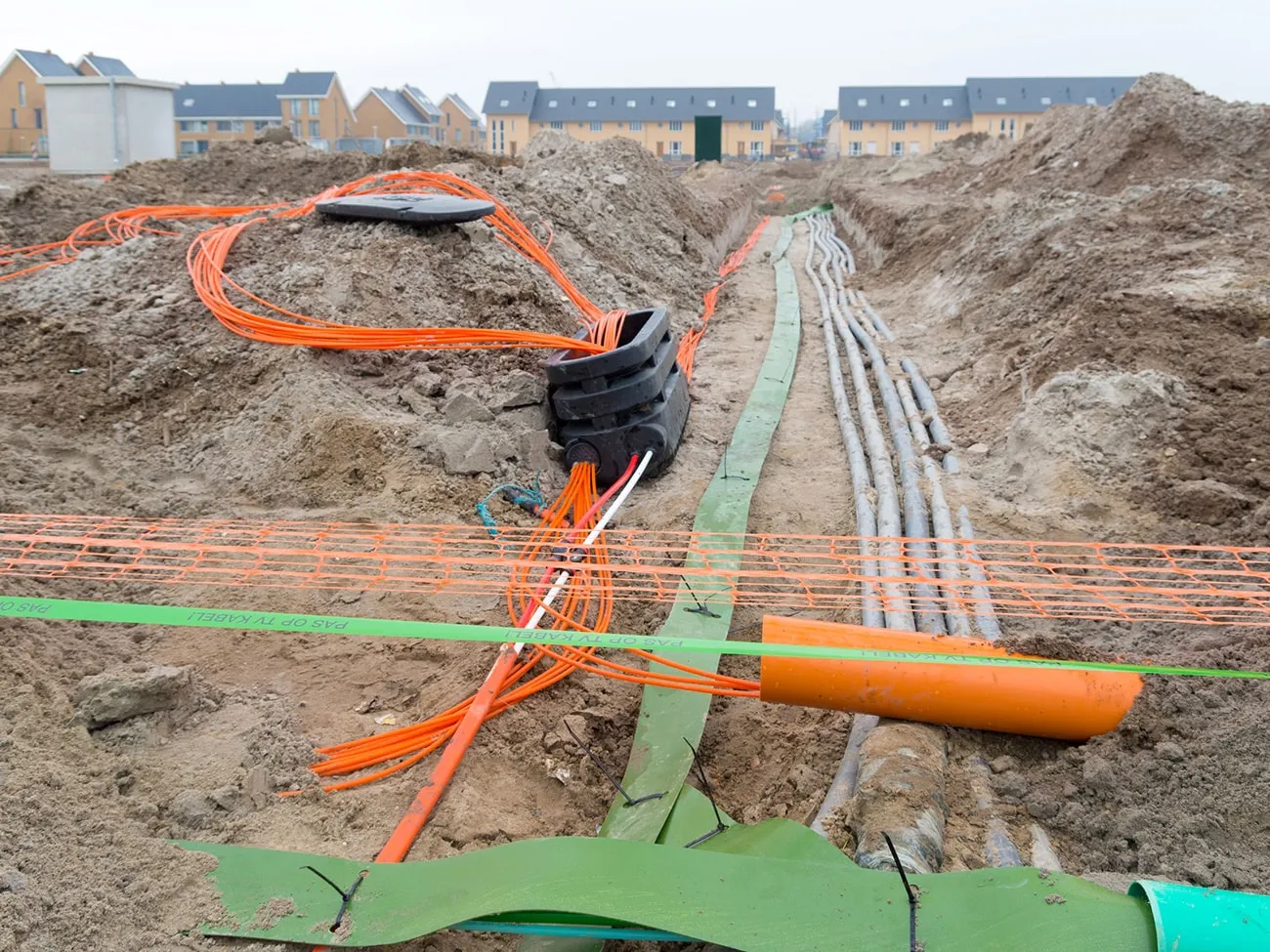
“It may sound harsh and judgemental to say that above-ground planning does not give enough thought to what lies beneath the surface. But in practice, developments at ground level are regularly confronted with underground surprises. This can lead to delays, damage, failure costs and frustration. A shame, because none of this needs to happen.” Speaking is Johan de Leeuw, project manager at SGS Nederland. We sit down with him and project leader Wilko van Kruisbergen to discuss the benefits of connecting the subsurface with the surface. It is a specialism that SGS Nederland has mastered down to the finest detail.
The question every builder should ask
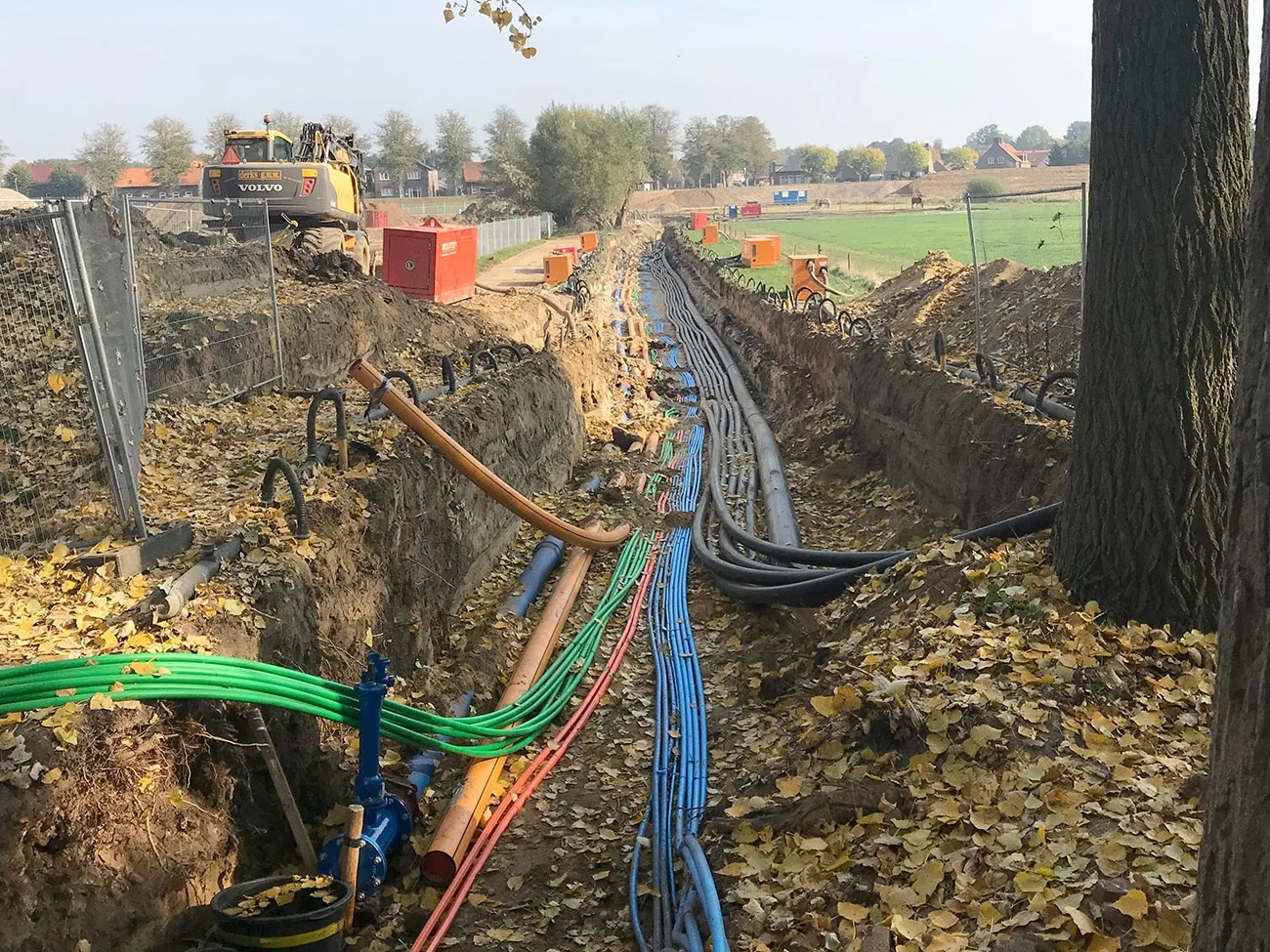
The subsurface is crowded
“We regularly see above-ground activities conflicting with objects in the subsurface,” says Wilko. “Think, for example, of excavation work for reconstruction projects, planting trees, placing art or other objects in a town square, underground waste containers, and so on. Whether large or small, these are projects planned from an above-ground perspective without taking account of objects in the subsurface, while the contractor often bears the risk of whether they can be built. If you are not properly prepared, you will run into all kinds of cables and pipelines.”
According to Johan, the subsurface is crowded. “Over the years, the Netherlands has become criss-crossed by all kinds of cables and pipelines. It is so easy to forget they are there, because we cannot see them. Some cables and pipelines are missing from records or are poorly documented, and old networks have not been removed, creating additional obstacles. In historic cities such as Amsterdam and Utrecht, the canals leave only a narrow strip of land for cables and pipelines. It is packed. Anyone who wants to work there but, for lack of insight, underestimates the interests at stake underground will get a rude awakening.”
Case study: Wolferen Sprok dike reinforcement
Fortunately, we are seeing a shift towards a more balanced allocation of risks between clients and contractors. A good example in practice is Waterschap Rivierenland’s ‘Dijkversterking Wolferen Sprok’ project. Johan: “We have been involved in this project with Combinatie Betuwse Waard (Ploegam, Dura Vermeer and GMB) since the tender phase. Instead of a traditional procurement, the project uses a two-phase contract. The contractor is involved during the planning phase and contributes to the plans. Planning can sometimes remain stuck at an abstract level, meaning the subsurface receives too little or no attention. For this project, we ensured that all parties had not only the necessary insight into the subsurface, but also a clear picture of the impact and risks associated with cables and pipelines.”
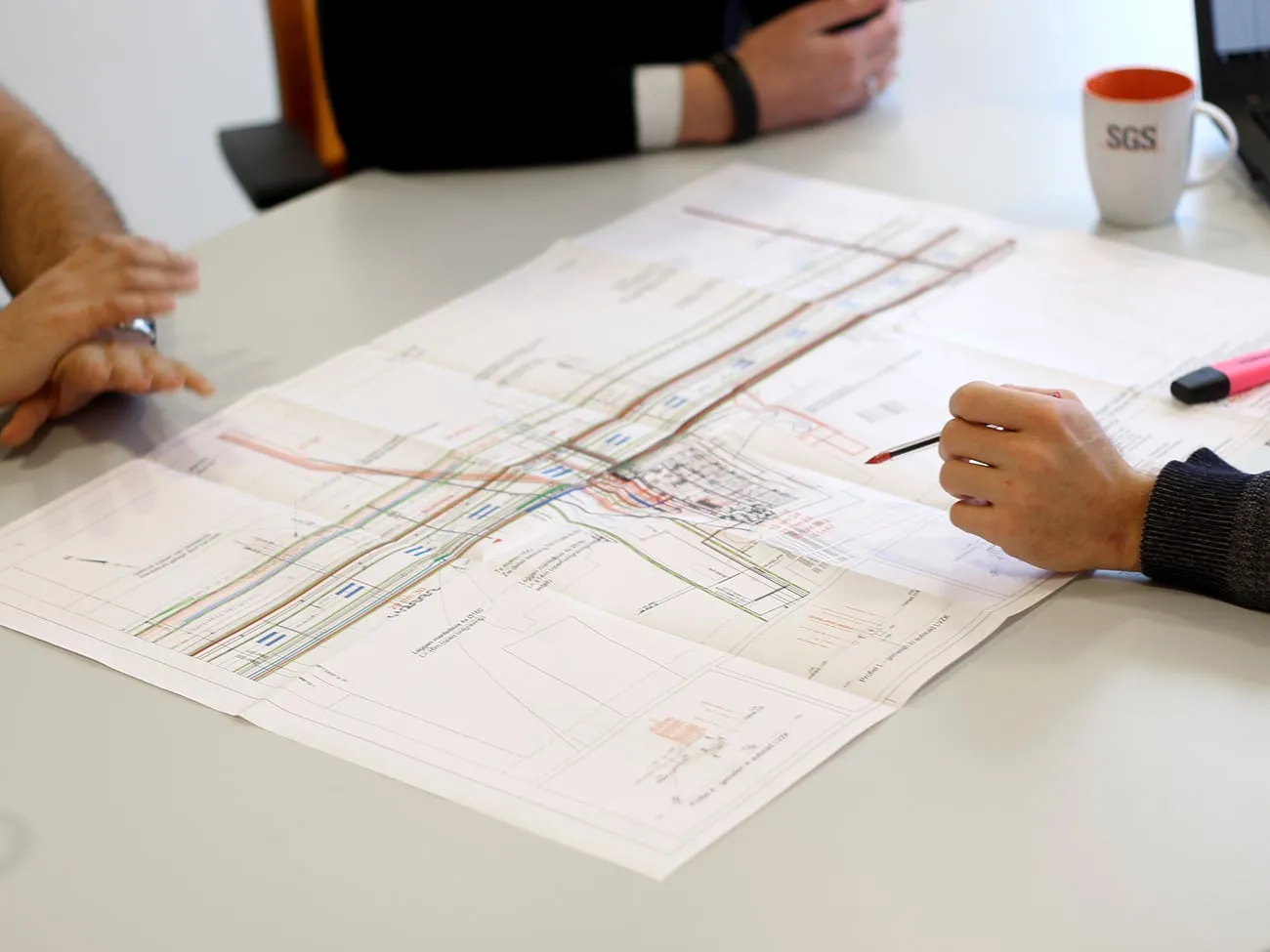
Wilko adds: “In a traditional procurement, the ‘cables and pipelines’ issue is often treated as a risk and cost item for the contractor concerned. In this case, however, we jointly identified the risks at a very early stage and considered how to manage them. As a result, during construction, the risks associated with cables and pipelines are well controlled and are no longer identified as top risks. Our colleague David Deinum plays an important role as project coordinator. With SGS, you literally bring ‘practical experience to the table’.” Johan: “We make the subsurface an integral part of the project.”
Keeping the local community better informed
SGS also helped provide clear information to the local community about what would happen during the works. “That too helps bring people together and led to a single, shared land acquisition process for all the work,” Johan concludes. “By working from one clear picture of the cable and pipeline work and communicating effectively, we keep expectations on both sides realistic.”
Safety assessment of cables and pipelines
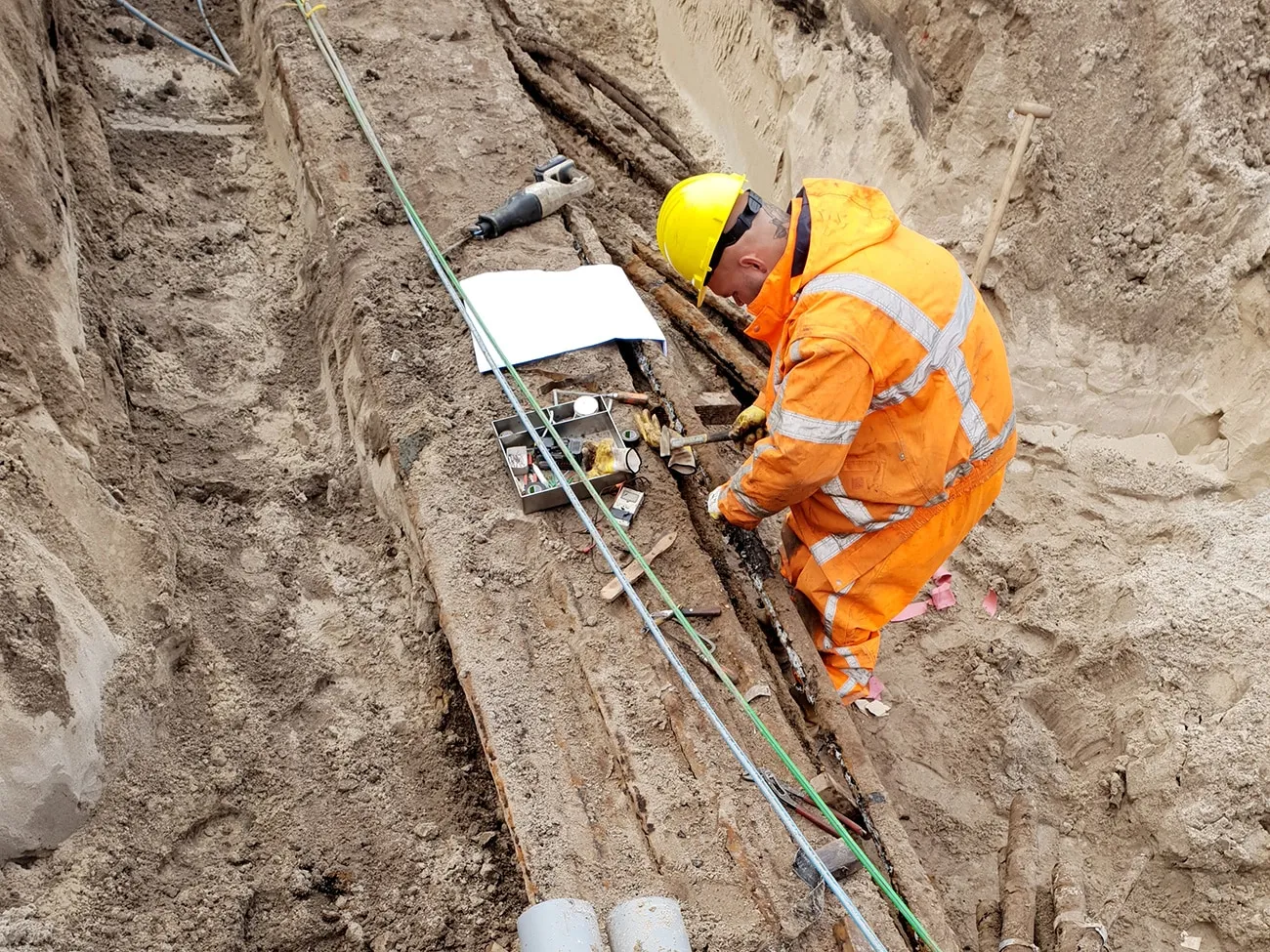
Living safely behind the dike may seem self-evident. Wilko says: “As a resident of the river region and someone evacuated during the high water in 1995, I am keen to work towards water safety. To ensure a safe dike, the safety of the cables and pipelines already in place must also be assessed.” Checking compliance with a standard using just a few calculations says nothing about the condition of the cables and pipelines, and can sometimes lead to unnecessary investment of public funds. The failure probability analysis for pipelines on the Wolferen-Sprok project was developed through the HWBP innovation programme. SGS’s knowledge and experience, and its ability to carry out non-destructive testing, proved invaluable.
Johan: “There are different interests at play, and SGS brings them together. Waterschap Rivierenland wants a reliable dike, cable and pipeline owners want uninterrupted supply, and in the case of Wolferen Sprok, the municipality wanted to expand the residential area. That requires a lot of new cables and pipelines. Since we were already relocating cables and pipelines, we tried to bring together all the parties with an interest in the subsurface. Combining the work saves time and money and reduces disruption. So the subsurface can also be the starting point for initiatives focused on the future!”
Room to deliver
Wilko commends Waterschap Rivierenland: “They took the initiative to use this contract form, giving us all the scope we needed to take this approach together with Combinatie Betuwse Waard.” Johan concludes: “As we know, there is a staff shortage everywhere. This was one reason Liander chose to pilot a design-and-construct contract, with Waterschap Rivierenland acting as delegated client. Because SGS often works for network operators, we were able to take over design tasks from Liander. This way of working is unusual and was made possible in part by this contract form.”
Een zakelijke vraag aan Combinatie De Betuwse Waard? Get in touch
Who worked on Dijkversterking Wolferen Sprok
- clientWaterschap RivierenlandIn this story
- contractorPloegamIn this story
- contractorDura VermeerIn this story
- construction consortiumDe Betuwse Waard construction consortiumMentioned in A modern take on a proven concept
- anchoring of the steel sheet pile wallDe Vries TitanMentioned in Expertise required to install grout injection anchors
Keep following this
Get an email when a new story is published. No account needed.
- ProjectDijkversterking Wolferen Sprok
- ThemeUnderground construction
- SubjectWater infrastructure
- CompanyCombinatie De Betuwse Waard
- CompanyWaterschap Rivierenland
- CompanyPloegam
- CompanyDura Vermeer
- CompanyGMB







