









Considering the surroundings at an early stage
Text Roel van Gils Image bbci Frijwijk
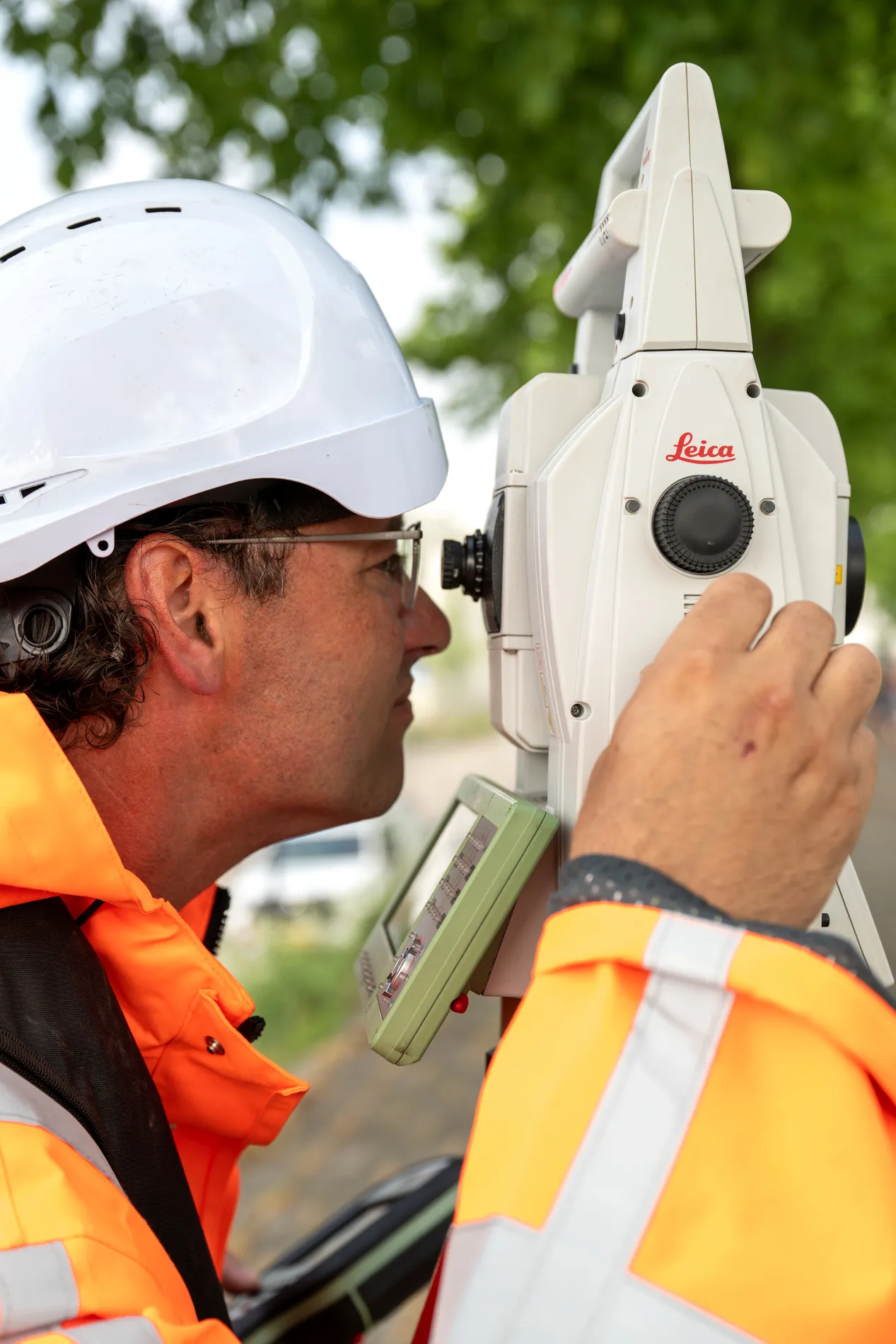
The Neder-Betuwe dike reinforcement project will improve safety in the hinterland, but the works will also have a major impact on the surrounding area. Homes, businesses and other assets close to the work deserve particular attention. This is why bbci Frijwijk was involved in the dike reinforcement at an early stage, to safeguard the interests of the surrounding community.
“Early in the process, the dike alliance asked us to help assess the risks to the surrounding area and how they could be managed,” says Max Veels, the second-generation owner of family business bbci Frijwijk. “That is a different approach from the usual one. Structural surveys and monitoring often only get under way later in the process.”
Monitoring plan
One of bbci Frijwijk’s tasks was to draw up a comprehensive monitoring plan. “Risk analyses were used to identify homes and assets that could be vulnerable to the works,” explains Wesley ten Braak, project manager at bbci Frijwijk. “Older buildings and detached outbuildings in particular can be more susceptible to settlement, vibration or deformation than new buildings. By carrying out a risk analysis and taking measurements well before work began, we built up a clear picture of existing settlement patterns and the baseline conditions in the surrounding area.”
Displacements and rotations
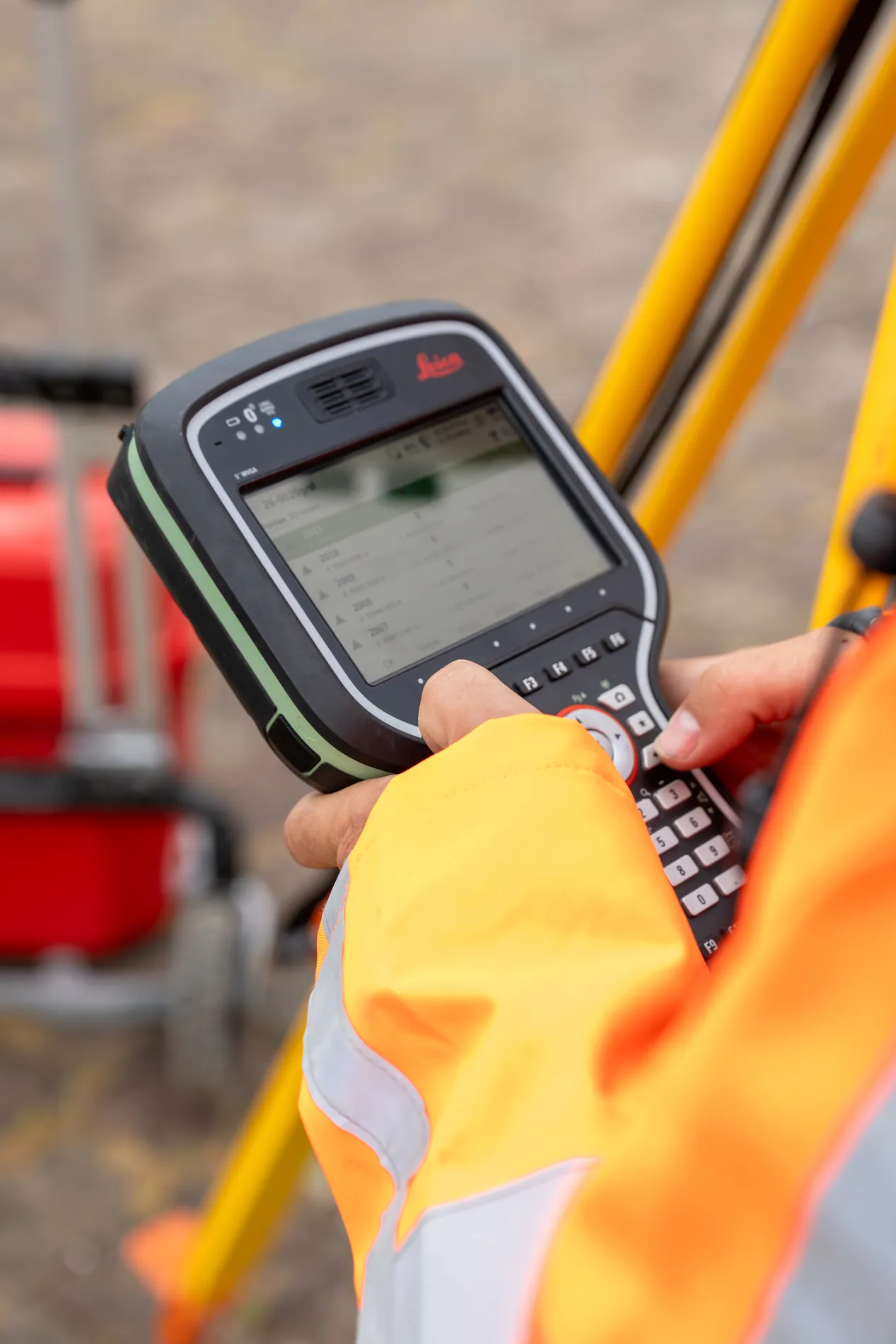
The dike reinforcement is divided into three sections. For each section, bbci carries out pre-construction structural surveys, baseline measurements and various forms of monitoring during construction. “This includes both level and deformation measurements,” Max adds. “Vibration meters also ‘travel’ with the works, and advanced TILT sensors are deployed at high-risk locations. These sensors measure displacements and rotations in different directions and provide early warning if deviations occur.”
GIS platform
All planned works are made available centrally via the GIS platform. “Monitoring has also been incorporated into the platform in collaboration with the dike alliance,” says Max. “This gives all the parties involved a single overview of the works, monitoring locations and points of attention. That transparency makes it easier to work together, respond quickly and take immediate action where necessary.”
Added value
The information collected also influences how the work is carried out. “Based on the risk analyses and monitoring data, decisions were made at certain locations to carry out the work differently,” Wesley notes. “For example, at some locations it was decided to press sheet piles into the ground rather than vibrate them in, to further reduce the impact on the surrounding area.” Max says this is where the added value lies. “Taking as much of the burden as possible off clients means not just carrying out the work, but above all thinking ahead. Making risks visible and drawing up a clear monitoring plan provides a thread that runs through the entire project.”
For bbci, this project is a good example of how structural surveys, monitoring and stakeholder management are increasingly converging. “Years ago, monitoring was seen mainly as a contractual obligation. Today, the construction and infrastructure sectors increasingly recognise that careful consideration of the surrounding area is essential,” Max observes. “Not only to keep any damage manageable, but also to maintain residents’ trust and protect clients’ reputations.”
Question about this story? Ask your question
Who worked on Dijkversterking Neder-Betuwe
- contractorconstruction company J. den BoerMentioned in Strategic clay extraction speeds up sustainable dike reinforcement

Keep following this
Get an email when a new story is published. No account needed.
- ProjectNeder-Betuwe dyke reinforcement
- ThemeFlood protection and climate-resilient water management
- SubjectWater infrastructure







