









Monnickendam pumping station protects polders against climate change
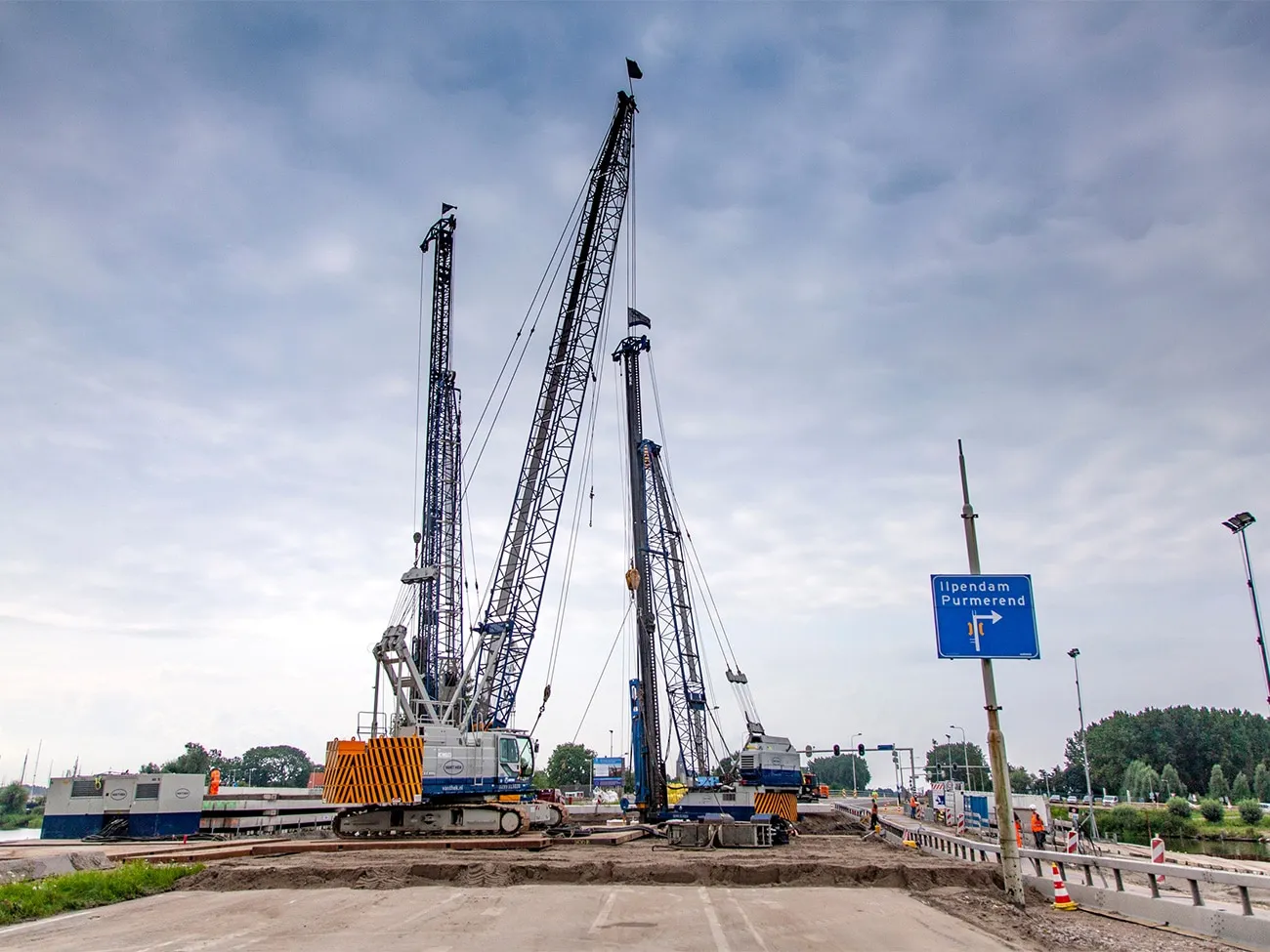
A new boezem pumping station is being built at Nieuwendam, near Monnickendam, on behalf of Hoogheemraadschap Hollands Noorderkwartier. Together with the pumping station at Schardam, completed in 2017, the new station will protect the polders north of Amsterdam against climate change. An intriguing detail: in 1895, engineer August Rups had already drawn up the first plans for a boezem pumping station at almost exactly the same location. After more than 125 years, it is finally set to become reality. Dutch water management at its best.
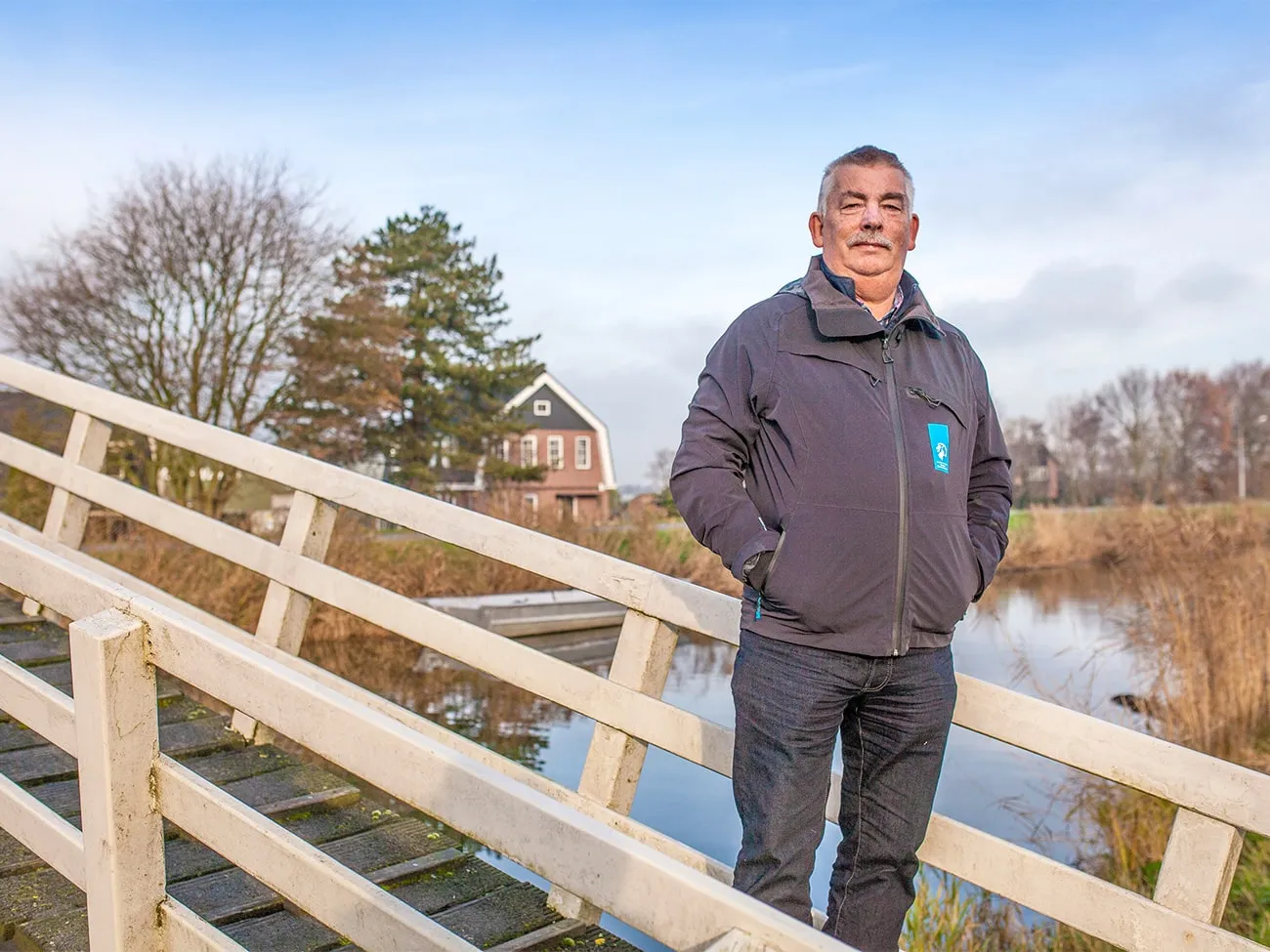
The polders behind Nieuwendam are effectively a bathtub in the landscape. “Water is drained from and supplied to the polders through the Schermerboezem system,” explains Maarten Poort, water systems project manager at the water board. “The Schermerboezem is a network of waterways that are all openly connected. It stretches from Den Helder to Zaandam, where the water is discharged via two existing pumping stations. Before the Afsluitdijk was built, there was an additional way to discharge surplus water at low tide from the eastern side of the Schermerboezem system to the Zuiderzee through sluices under gravity. We lost that extra drainage capacity when the land was enclosed.”
Pumping restrictions
Climate change means we are increasingly facing extreme weather, such as intense cluster rainfall, higher temperatures and periods of drought. “The current boezem system was not designed for this,” says Poort. “During severe flooding, the water level in the boezem rises so much that the small polder pumping stations have to be switched off because the system is overloaded. Naturally, you want to avoid having to stop pumping. To make the polders less vulnerable to climate change, the boezem, as the receiving system, must not be the weakest link. That is why it was decided to restore some of the extra discharge capacity we used to have, this time in the form of two new pumping stations, at Schardam and Monnickendam. With four boezem pumping stations in total on the Schermerboezem, including Gemaal Helsdeur near Den Helder and the Zaangemaal in Zaandam, the Schermerboezem area is assured of adequate drainage: whatever the polder pumping stations pump into the system, the boezem pumping stations can pump out, and even a little more. An added benefit is that the recently completed station at Schardam and the new station at Monnickendam can also operate in reverse during periods of severe drought, with some modifications, supplying water from the Markermeer to the polders.”
A unique location
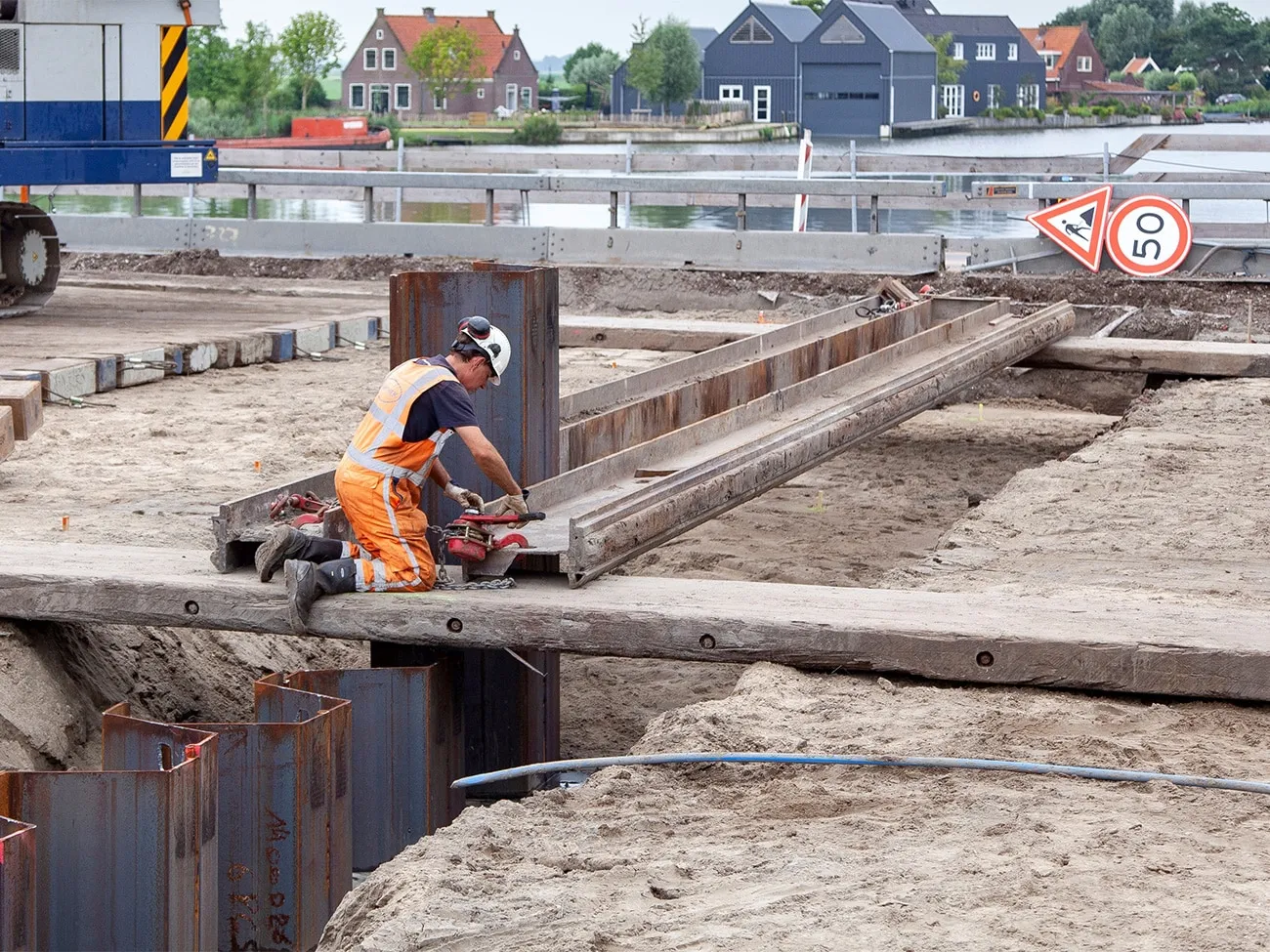
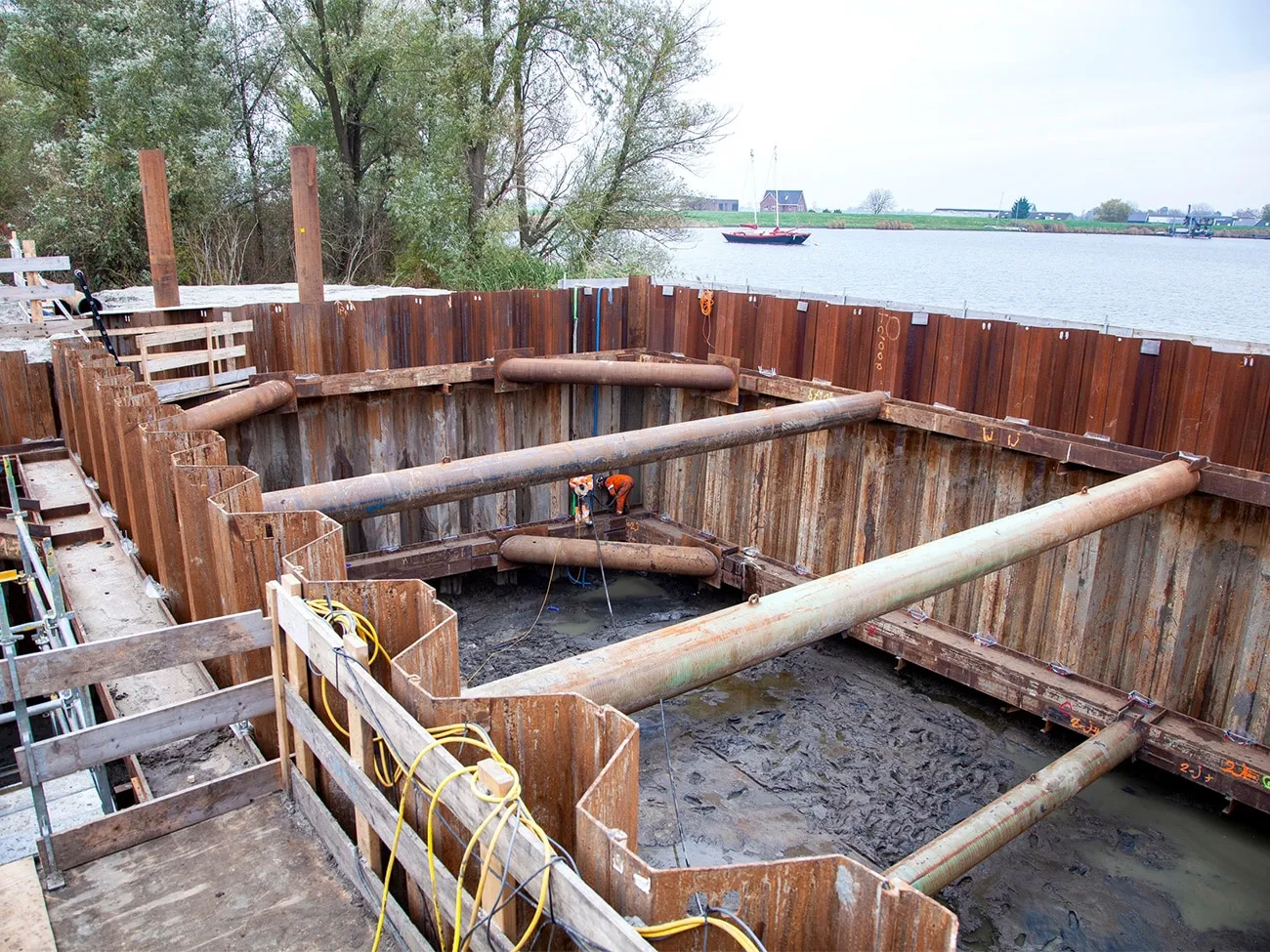
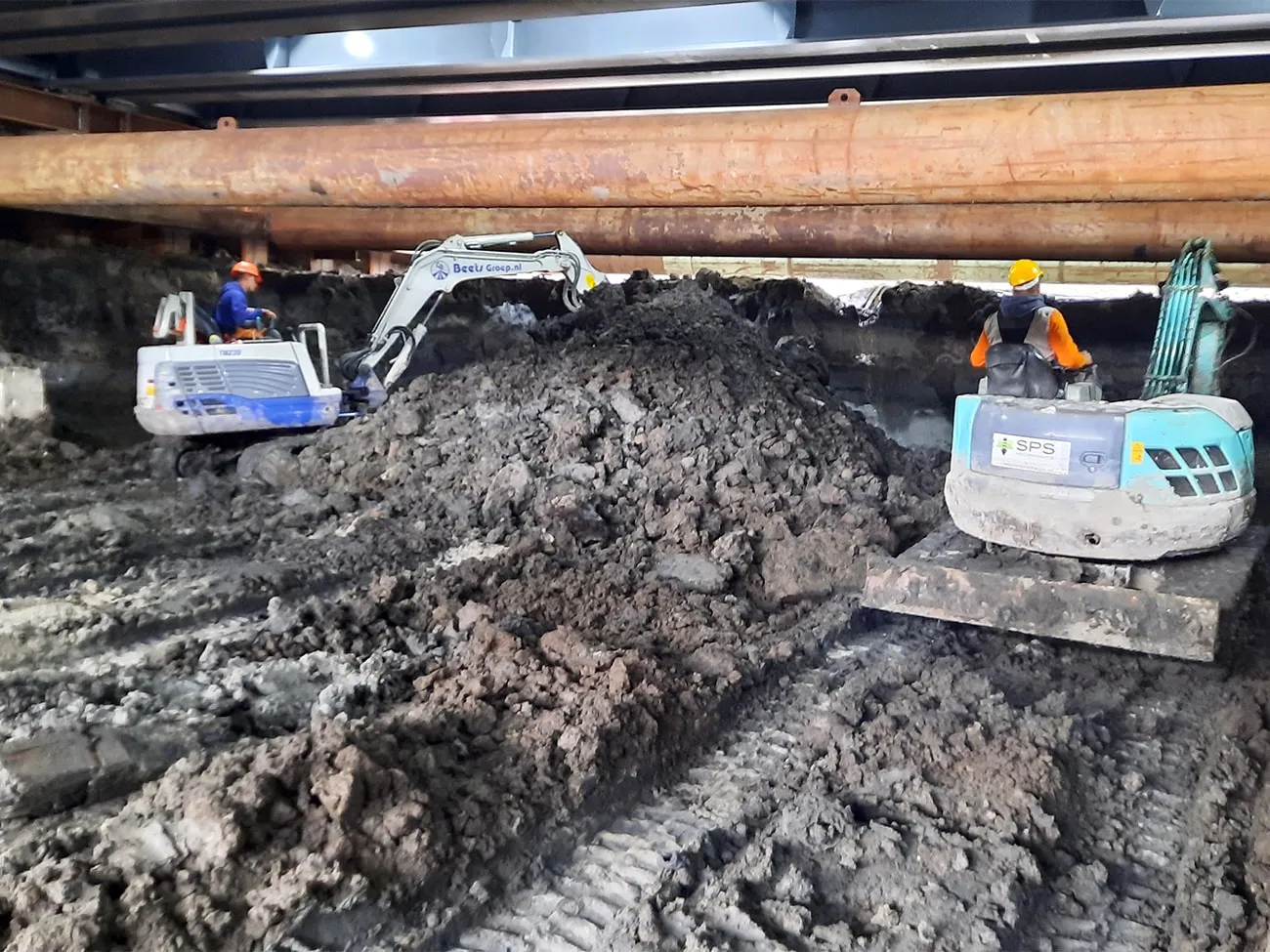
Gemaal Monnickendam is being built in a unique location. “What is remarkable is that not only August Rups, but even our distant ancestors, with their knowledge of water systems, reached exactly the same conclusion about the location, as shown by the archaeological discovery of an ancient flood barrier at Nieuwendam,” says Siem Jan Schenk, water board member and portfolio holder for water systems at Hoogheemraadschap Hollands Noorderkwartier. “The situation in 2022 is, of course, rather different. The boezem pumping station is being built beneath one of North Holland’s busiest provincial roads, in a primary flood defence. It is a complex site with many complications, but ultimately the most suitable location. You only get one chance to get it right. The extra costs and complications are temporary, the impact is long-lasting.”
A valuable addition
Gemaal Monnickendam will have a capacity of 1,200 m3 per minute, while the station at Schardam can pump the equivalent of an Olympic swimming pool every minute (2,000 m3). “Both pumping stations are part of a range of policy developments to prepare for water shortages and flooding,” Schenk sums up. “The two stations are a very valuable addition to the ‘toolkit’ of the two other discharge points on the Schermerboezem.” Schenk speaks from experience, having experienced several pumping restrictions in the area when he was a farmer. Poort adds: “Water pumped into the Wadden Sea via the station in Den Helder, or into the brackish Noordzeekanaal in Zaandam, is lost. The two new boezem pumping stations discharge into the Markermeer, which acts as a kind of expansion tank. The water is not lost, and can be pumped back during periods of extreme drought. That is how we protect the polders against climate change.”
The construction of Gemaal Monnickendam has been made possible in part by the European Agricultural Fund for Rural Development: Europe investing in rural areas.
Question about this story? Ask your question
Who worked on Gemaal Monnickendam
- contractors' joint venture
 Friso CivielMentioned in Monnickendam pumping station: A remarkable feat beneath the surface
- contractors' joint ventureVan Hattum en BlankevoortMentioned in Monnickendam pumping station: A remarkable feat beneath the surface
- clientHoogheemraadschap Hollands NoorderkwartierMentioned in Monnickendam pumping station: A remarkable feat beneath the surface
- NoNOx filtersVolkerWesselsMentioned in Monnickendam pumping station: A remarkable feat beneath the surface
- fish-friendly pumping station pumps
 Pentair Fairbanks NijhuisMentioned in Fish-friendly pumping station pumps
- gate valves and non-return valvesHC Waterbeheersing BVMentioned in Large spindle-operated penstocks and flap valves
- foundation specialistGebr. van ’t HekMentioned in Three ‘foundation projects’ to build a single pumping station
- research agencyVestigia Archeologie & CultuurhistorieMentioned in Uncovering the layers of a centuries-old dam
Keep following this
Get an email when a new story is published. No account needed.
- ProjectMonnickendam pumping station
- ThemeFlood protection and climate-resilient water management
- SubjectWater infrastructure







