Strong dikes start with strong grass
Text Suzanne van Gaale Image DSV Zaden
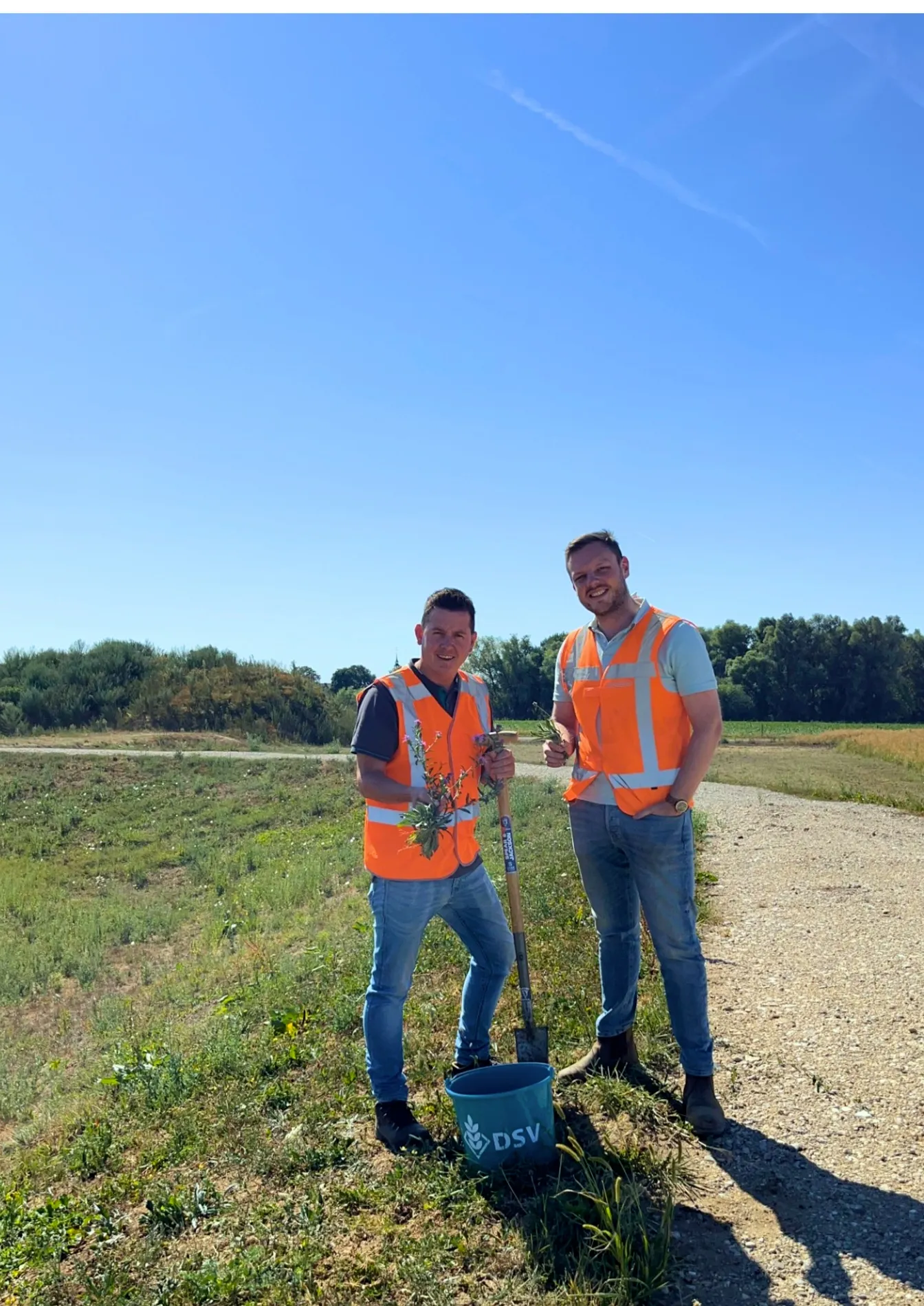
A foundation of grasses and herbs
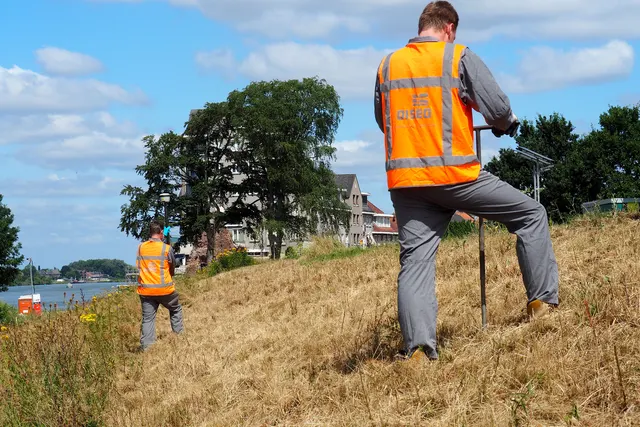
People walking along a green dike rarely stop to think about the vegetation growing on it. Yet a dense grass sward is much more than an attractive finish to a flood defence. The right grasses and herbs are an important part of erosion protection and therefore make a direct contribution to flood safety. That is why the composition of the seed mixes received considerable attention during the dike reinforcement works in Arcen. DSV Zaden supplied specially formulated grass and herb mixes for sowing on the upgraded dikes.
“During high water, a dike must withstand erosion caused by rain, wave action and currents,” says Thijs Schoenmakers, sales manager for amenity grasses. “That is why a strong grass sward is so important, with high-quality seed, good germination capacity and high purity. A large proportion of our seed is grown in the Netherlands, so its origin is also well suited to local conditions.” DSV Zaden, based in Ven-Zelderheide, is no stranger to mixes for dikes. The company has previously supplied seed mixes for dike reinforcement projects, including those in Steyl-Maasbroek.
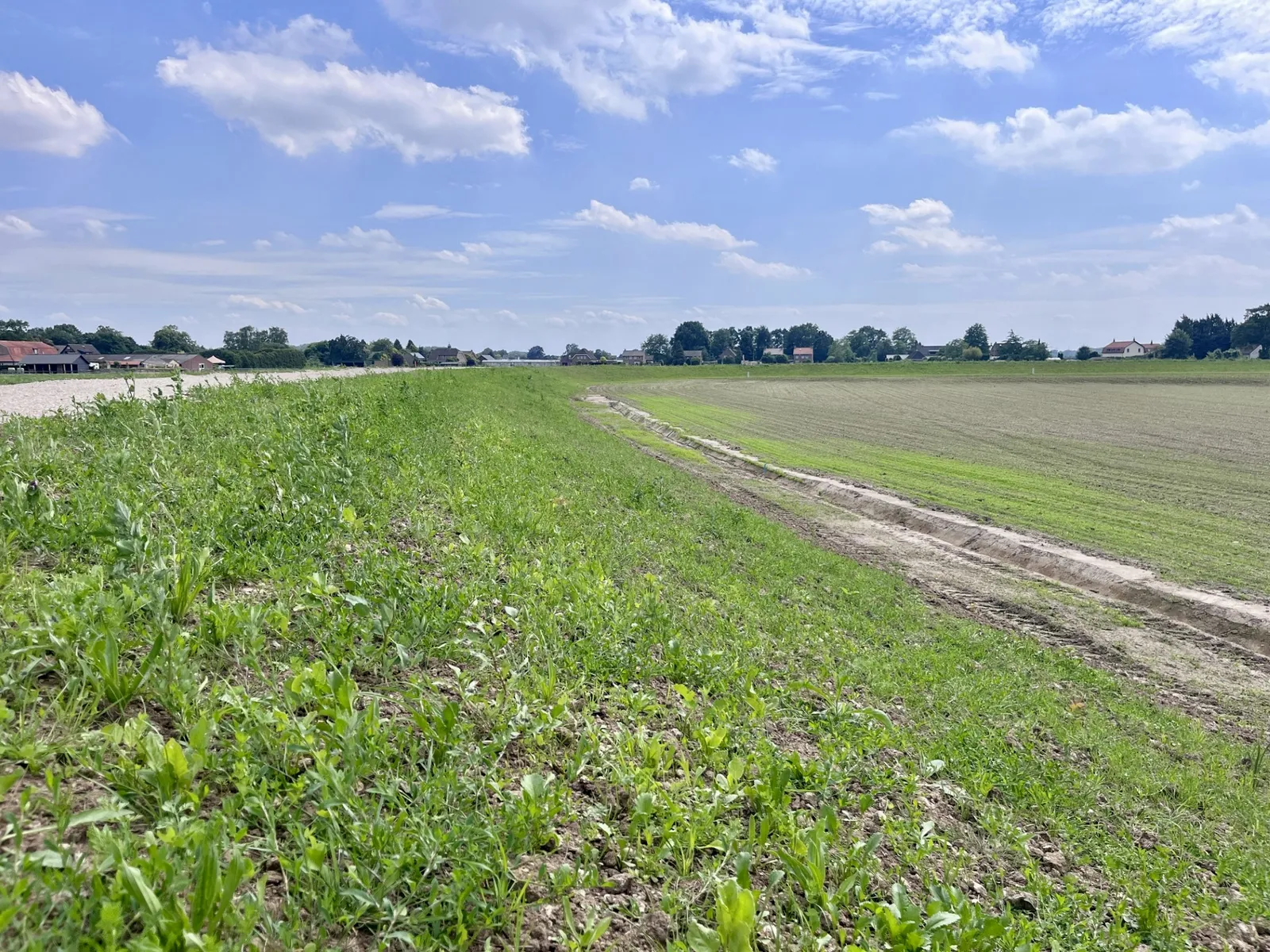
Mix formulated in accordance with flood defence guidelines
Dijkzone Alliantie Arcen selected Dijken Basis Gras (DBG) and Dijken Basis Kruiden (DBK) as the basis for the mixes. DSV formulated them to order in accordance with the Handreiking Grasbekleding op waterkeringen. The grass mix comprises around nine species. About 65 per cent consists of species from the standard D1 mix, supplemented by approximately 35 per cent grass species to broaden the diversity of species on Dutch dikes. These include crested dog’s-tail, tall oat-grass, yellow oat-grass, bent grass and sweet vernal-grass. These native species help create a strong, varied root system, making the dike’s top layer more resistant to erosion. Dijken Basis Kruiden (DBK), with around twenty species, was also selected. These include yarrow, hop trefoil, oxeye daisy, black knapweed and common sorrel. This gives the dike not only robust vegetation but also enhances its ecological value.
A good start
The first dike sections sown north of Arcen benefited from favourable conditions. “Sowing in April was followed by a wet spell, allowing the grasses and herbs to germinate well. The first cut took place in June. That first cut is important because it encourages the young grasses to form a sward while giving slower-growing herbs room to establish. You only get one chance to lay the foundations. If the vegetation gets off to a good start, it provides the basis for a strong dike for years to come.” According to Thijs, cooperation with Dijkzone Alliantie Arcen is going well. “We are working on several dike reinforcement projects with Ploegam, one of the alliance partners. This allows us to build a long-term relationship. Communication is direct, and we are familiar with the requirements for projects of this kind.”
Question about this story? Ask your question
Who worked on Dijkversterking Arcen
- geotechnical specialist
 FugroMentioned in The added value of geotechnical investigations in the Arcen dike reinforcement project
- grass and herb seed mixesDSV ZadenIn this story
- combinantPloegamIn this story
- engineering
 TAUWMentioned in Where engineering and construction come together in the Arcen dike reinforcement project
- regular contractor
 GW LeidingtechniekMentioned in Future-proof pressure main route in a new dike structure
- foundation specialistHakkers FunderingstechniekMentioned in Grouted anchors provide stability on the banks of the Meuse
- three vertical pumps
 PentairMentioned in Compactly designed pumps for low and high water levels at Arcen
Keep following this
Get an email when a new story is published. No account needed.
- ProjectDijkversterking Arcen
- ThemeFlood protection and climate-resilient water management
- SubjectDijkversterking Arcen
- CompanyDSV Zaden
- CompanyPloegam