









Maximum efficiency through selective asphalt milling
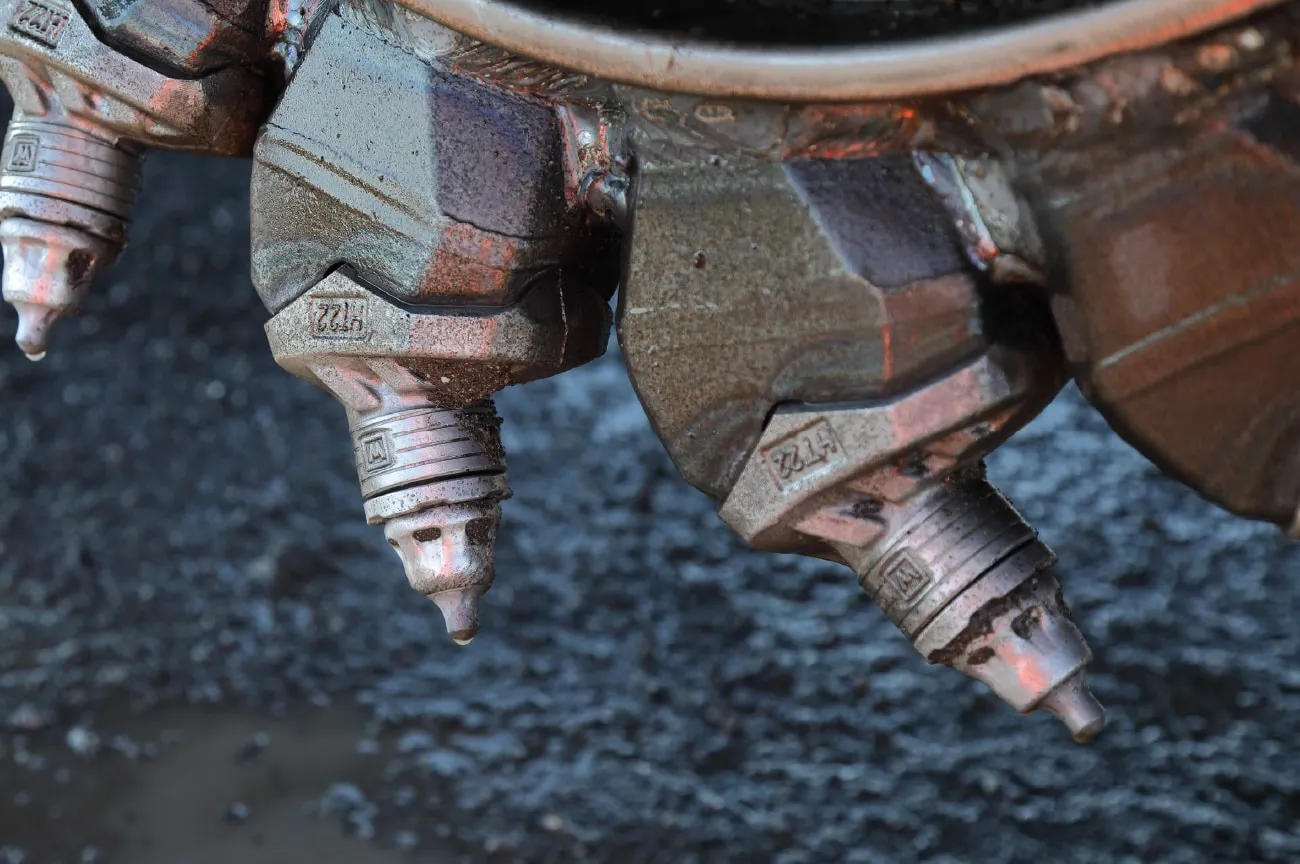
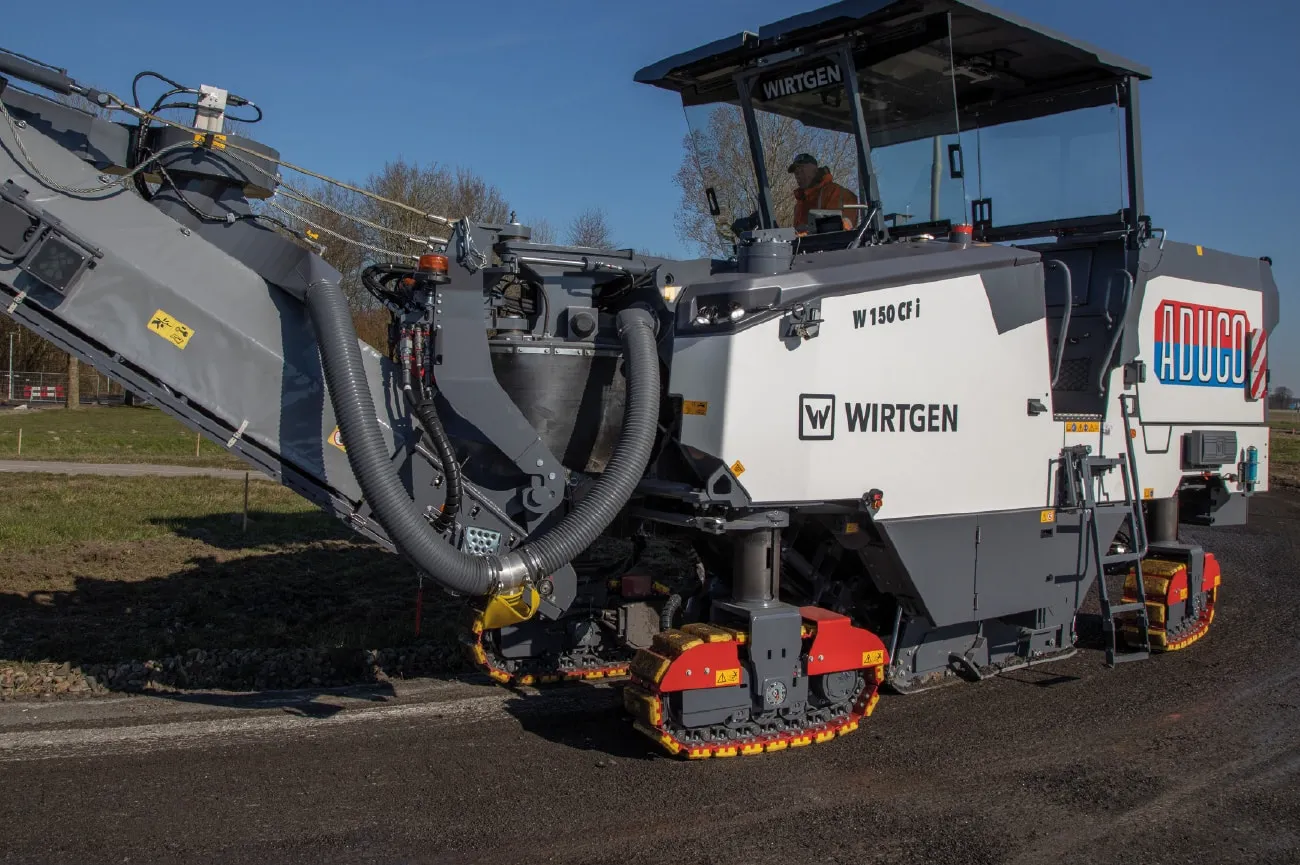
As part of the redevelopment of the A.C. de Graafweg (N241), Aduco is selectively removing the existing asphalt layers from both the carriageway and the cycle path along the full 12-kilometre route. The clean milled asphalt will be reused in the new asphalt. The more efficiently the milling is carried out, the greater the savings for Boskalis and the environment.
Aduco specialises in asphalt milling and stabilisation. “We are definitely at the forefront in this field, and have been since 1978,” stresses Otto Salomons, site manager at Aduco. “We always try to approach a project just a little more intelligently and efficiently.” Boskalis owns a 20% stake in Aduco and, when it comes to asphalt milling, generally always calls on the specialist. “For the redevelopment of the A.C. de Graafweg (N241), we were asked to help work out how to remove the asphalt layers as efficiently as possible, while clearly separating clean asphalt from tar-bearing asphalt. The clean milled asphalt will be used as a raw material for the new asphalt.”
Milling plan
A milling plan was drawn up based on Boskalis’s preliminary investigation. “It clearly shows where each type of asphalt is located. The law requires tar-bearing milled asphalt to be removed from the supply chain and cleaned,” says Salomons. “Our task is to mill out the contaminated asphalt as selectively as possible, to prevent any clean asphalt from being sent for cleaning. Thermal removal of the tar fraction from milled asphalt is a costly process. The more selectively we mill, the better it is for the ‘bottom line’ and the environment.” Speaking of savings, another of Aduco’s specialisms is stabilising roads and foundations using materials such as foamed bitumen. “The milled asphalt is then processed on site to create a stable, load-bearing foundation. This results in far fewer transport movements, doubles the design life and allows for a thinner asphalt layer. Unfortunately, this optimisation was not possible on the A.C. de Graafweg because the foundation layer contains blast-furnace slag.”
62,000 tonnes
The asphalt on the A.C. de Graafweg is being milled in several phases. “The total amount is 62,000 tonnes, but we follow Boskalis’s schedule,” says Marcel Hermans, estimator at Aduco. “For each phase and section, we plan the right machines with great precision, so we can achieve maximum efficiency here too. All our machines meet the highest environmental standards and are no more than 5 years old. We also use HVO100 biofuel wherever possible.”
The two men are extremely satisfied with their collaboration with Boskalis. “It feels like family. We work as one team, which is very pleasant. Boskalis has everything well organised and always keeps an eye on project progress,” says Salomons. “If there is any delay, issues are resolved quickly. That is a real blessing for us and for our crews on site too, because they need to be able to load the milled asphalt into a tipper.”
Have a business enquiry for Boskalis Nederland? Get in touch
Who worked on A.C. de Graafweg
- rerouting the pipelineVan Baarsen BuisleidingenMentioned in N241: awarded on the basis of collaboration
- clientProvinciaal Waterleidingbedrijf N.V. (PWN)Mentioned in Making a difference through collaboration
- asphalt millingAducoIn this story
- geotechnical engineering consultancyIngenieursbureau BT GeoconsultMentioned in Dual role for geotechnical engineering firm
- directional drillingVan VulpenMentioned in Relocating and upgrading a drinking water transmission main
- full-service installerKo Hartog ElektrotechniekMentioned in Intelligent traffic signal systems and more
- signageTraffic Service NederlandMentioned in Improving safety and traffic flow through traffic management measures

Keep following this
Get an email when a new story is published. No account needed.
- ProjectA.C. de Graafweg
- ThemeExtending the life of roads and civil engineering structures
- SubjectRoad construction
- CompanyAduco
- CompanyBoskalis Nederland







