N214: integrated design for a safe, accessible and future-proof provincial road
Text Eddie Wienk Beeld Iv
Redeveloping a provincial road is rarely straightforward, particularly when major maintenance, road safety, accessibility and ecology all need to be addressed together. On behalf of the Province of South Holland, engineering consultancy Iv is working on the N214. The project covers more than 22 kilometres and includes changes to junctions and roundabouts, improved cycle crossings and extensive ecological measures. At the same time, traffic must keep moving as freely as possible and local communities must be kept well informed. Iv is taking an integrated approach, from analysis and design through to phasing, coordination and construction. Now that ecological works have begun, this approach is starting to take shape on the ground.
The complex puzzle of the N214
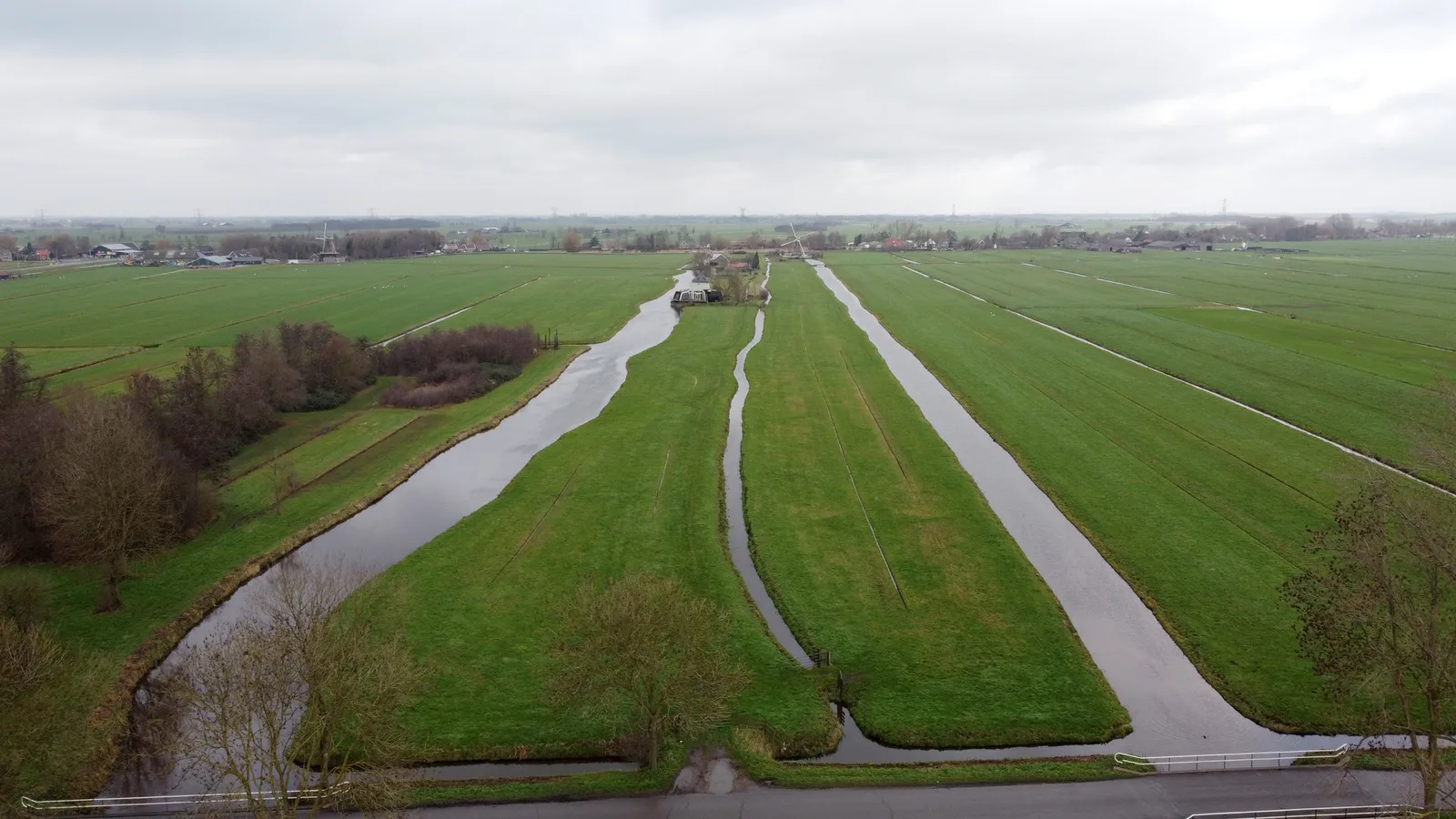
The N214 is an important link between the A15 near Papendrecht and the A27 near Noordeloos. Major maintenance and improvements to road safety and traffic flow are needed, while keeping the road accessible and minimising disruption to the surrounding area. As the N214 forms part of a wider regional network, works have direct consequences for neighbouring routes, villages and towns. At the same time, the section of the N214 between the junction with the N216 and the N3 forms part of the National Ecological Network and serves as an important ecological corridor. Road improvements here must therefore go hand in hand with enhancing the quality of this ecological route. This combination makes the project more than a technical redevelopment.
Integrated design
To manage this complexity, an integrated approach was chosen from the outset. Disciplines including geotechnical engineering, civil structures, traffic, ecology, water and stakeholder management are being developed in conjunction. Decisions in one area have direct consequences for other parts of the project. Iv has been involved since the early planning stages, from initial studies and design through to contract development. This continued involvement makes it possible to coordinate engineering, the local context and construction as an integrated whole.
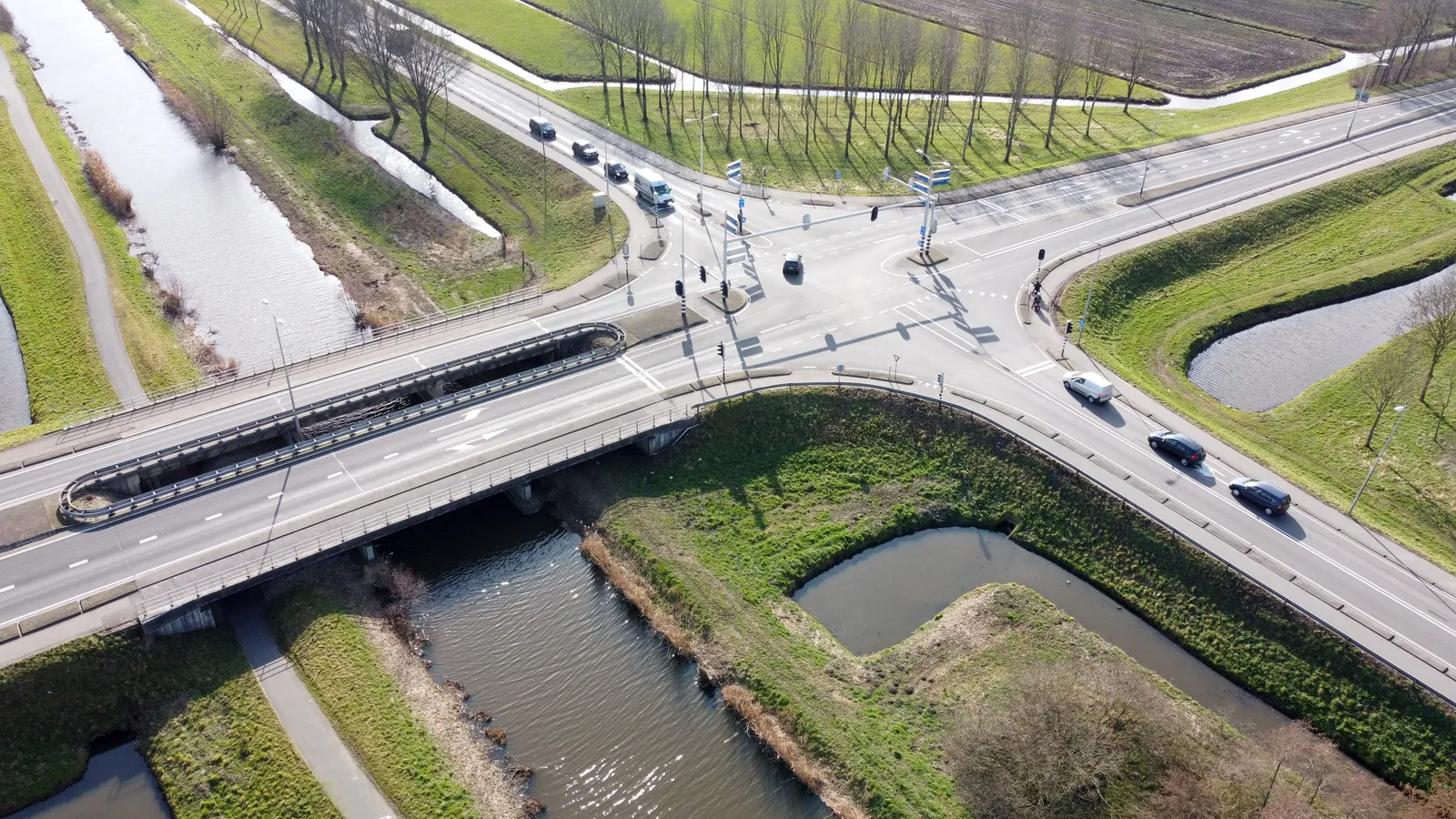
One practical example is the junction at Minkeloos. The widening of the A27 will mean the N214 has two lanes here, requiring traffic to merge. The existing junction is too close to this merging manoeuvre, which would create an unsafe situation. Following traffic and design advice from Iv, the province and Rijkswaterstaat agreed to move the junction. This will improve road safety and create scope for logical phasing and a design that can be built efficiently. The N214 also requires tailored solutions underground. At several locations, the road crosses a Gasunie main transmission pipeline. To prevent road widening from causing unwanted settlement or additional ground pressure on these pipelines, so-called overbridges have been designed: structures that function as underground bridges. This allows the road to pass safely over the pipelines, without putting nationally important infrastructure at risk.
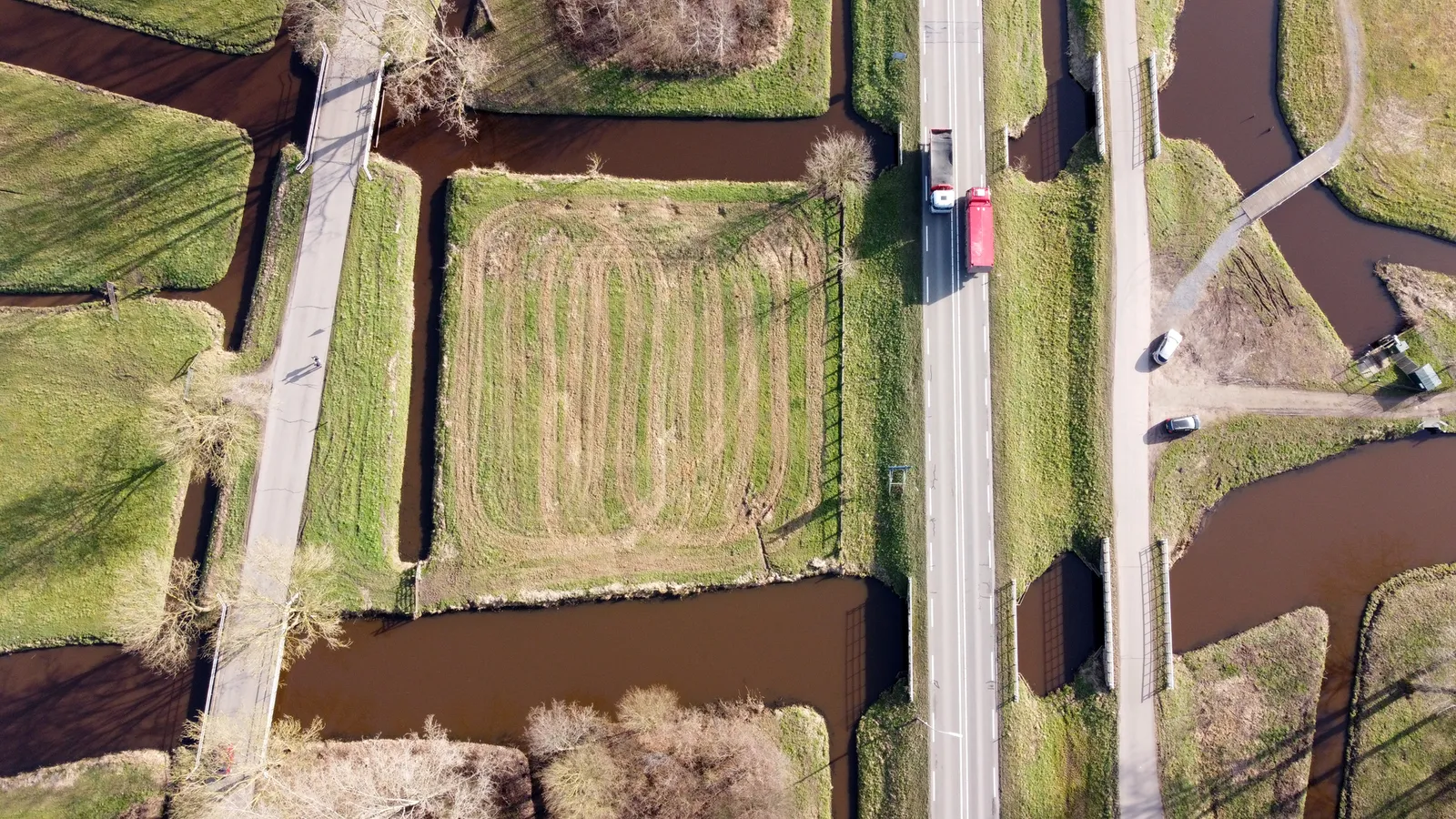
Water management also called for a smart approach. Ditches and culverts have been modified, and water has been replaced where necessary. Standard solutions are not enough, as watercourses are often managed and owned by different parties and ecological constraints also apply. A parcel owned by Staatsbosbeheer was identified at Ottoland, some distance from the road, for an integrated water and nature compensation plan that benefits both the province and local nature.
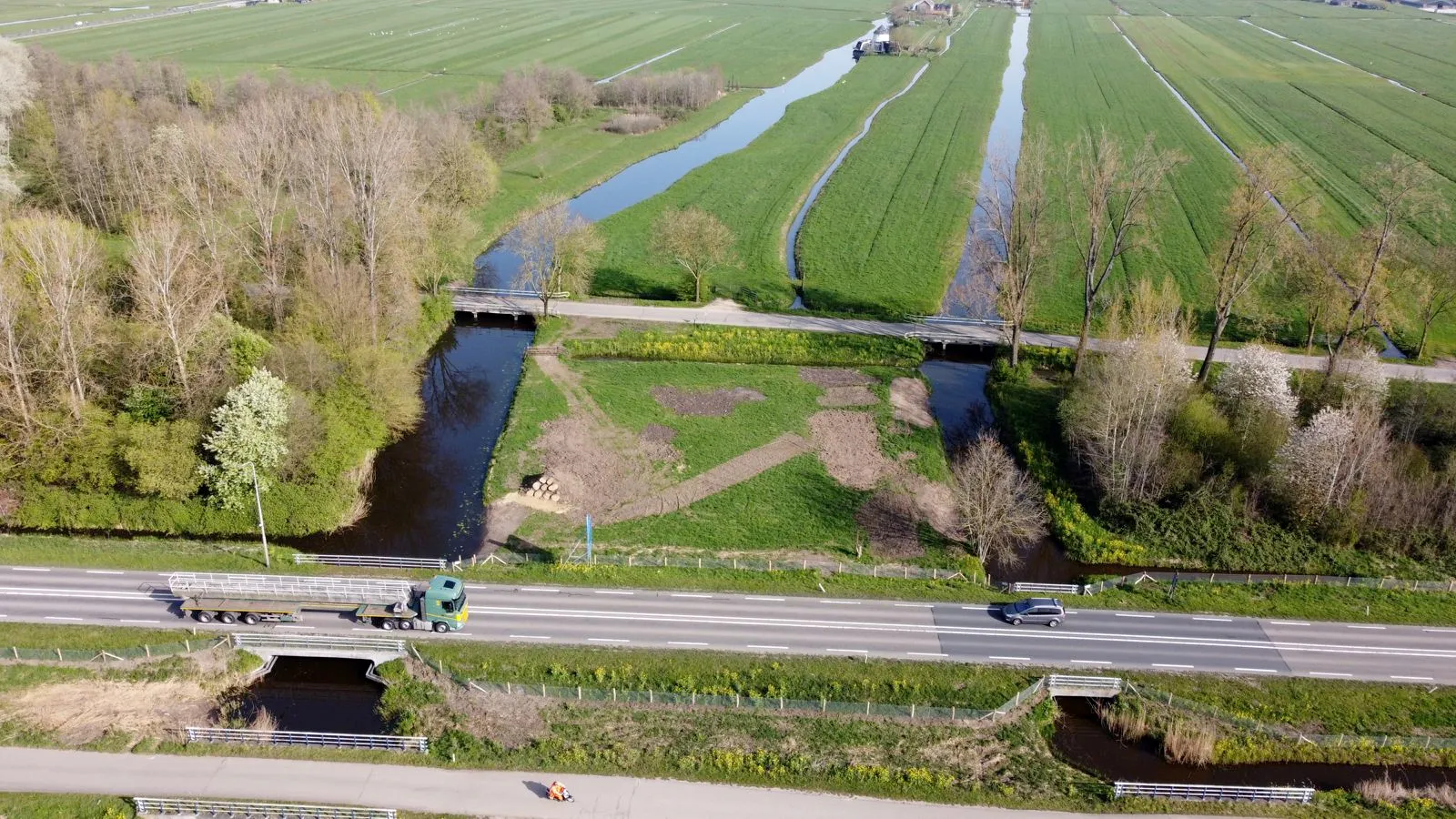
Ecology and nature have been fully integrated into the project. A planting and compensation plan was drawn up with ecological adviser VanderHelm. Under the plan, a variety of native trees and shrubs will be planted along the N214 to compensate for those affected by the works. The diverse planting will create a varied tree structure, with species including common ash, black alder, pollarded willows, English oak, blackthorn and hawthorn. The structures (culverts and bridges) are also being made otter-friendly and fitted with wildlife fencing to guide otters safely beneath the N214. In addition, ledges beneath the structures are being installed or restored, shrubs planted, natural banks created and bee hotels installed. Local ecologists, farmers and landowners have been involved to ensure the measures are practical to implement and well suited to the surrounding area.
Stakeholder management
Alongside its technical complexity, the project requires careful stakeholder management. The N214 passes through a range of landscapes and residential and working areas, with the differing interests of residents, road users, local authorities and asset managers to consider. Iv coordinates with stakeholders in close collaboration with the province and other parties involved. This means not only keeping people informed, but also working together to find practical solutions that have their support.
Public meetings have been held at various stages, and digital platforms have been used to keep local communities informed about plans and progress. Now that the first phase of construction is starting, communication with businesses, villages and the authorities involved is being stepped up so that traffic measures and road closures can be coordinated in good time and disruption kept to a minimum.
From design to construction
Given the scale of the project, the work has been divided into four contracts. The start of the ecological works is an important milestone: for the first time, the results of years of preparation are becoming visible. Construction is deliberately starting with ecology, so that measures can be implemented in good time and will not be impeded by later works. Major maintenance and road safety improvements, including the installation of hard shoulders, will follow. Step by step, the N214 is becoming a safer, more accessible and future-proof provincial road.
Question about this story? Ask your question
Who worked on it
N214
- provinceprovince of South Holland
- engineering consultancyIv
- ecological consultantVanderHelm
Keep following this
Get an email when a new story is published. No account needed.
- ProjectN214
- SubjectRoad construction
- Companyprovince of South Holland
- CompanyIv
- CompanyVanderHelm