Taking control of the road surface
Text Roel van Gils Image SmallToGo
Smart inspections in a time of growing pressure
The Netherlands has thousands of kilometres of roads, carrying tens of millions of cars every year. Factors such as speed, weight, temperature and rainfall all take their toll on the road surface. And the pressure is only increasing as heavier electric vehicles become more common and maintenance backlogs across the network grow. That makes efficient, accurate road surface inspections more important than ever. With SmallToGo’s Road Inspection Application, it’s a breeze.
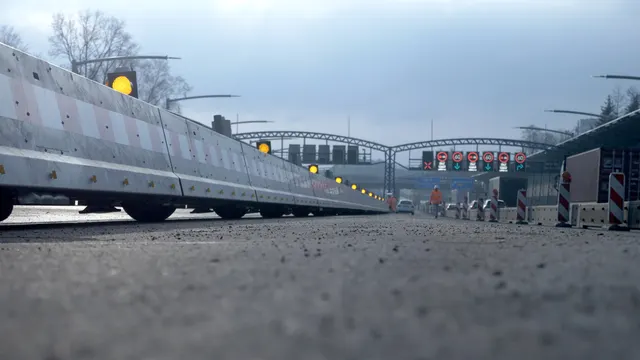
The volume of car and lorry traffic, with vehicles carrying ever greater loads, is causing even more wear and increasing the need to keep a close eye on the condition of our roads, says Danny van Hooren of SmallToGo. “At the same time, maintenance of our infrastructure has been under pressure in recent years. Bridges, such as the one over the Waal at Gorinchem, and motorway slip roads are showing defects more and more often. Damage is mounting, while budgets do not always keep pace.”
A digital approach
Anyone who regularly drives in Germany will recognise the problem all too well: long stretches of roadworks and warnings about bridge damage. “This situation is a taste of what could happen in the Netherlands too if action is not taken in time,” says Van Hooren. “That makes efficient, accurate road surface inspections more important than ever. Traditional inspection and reporting methods are often time-consuming and prone to errors. At a time when speed and data are crucial, there is a need for a smart, digital approach. A modern road inspection application offers a solution.”
GPS
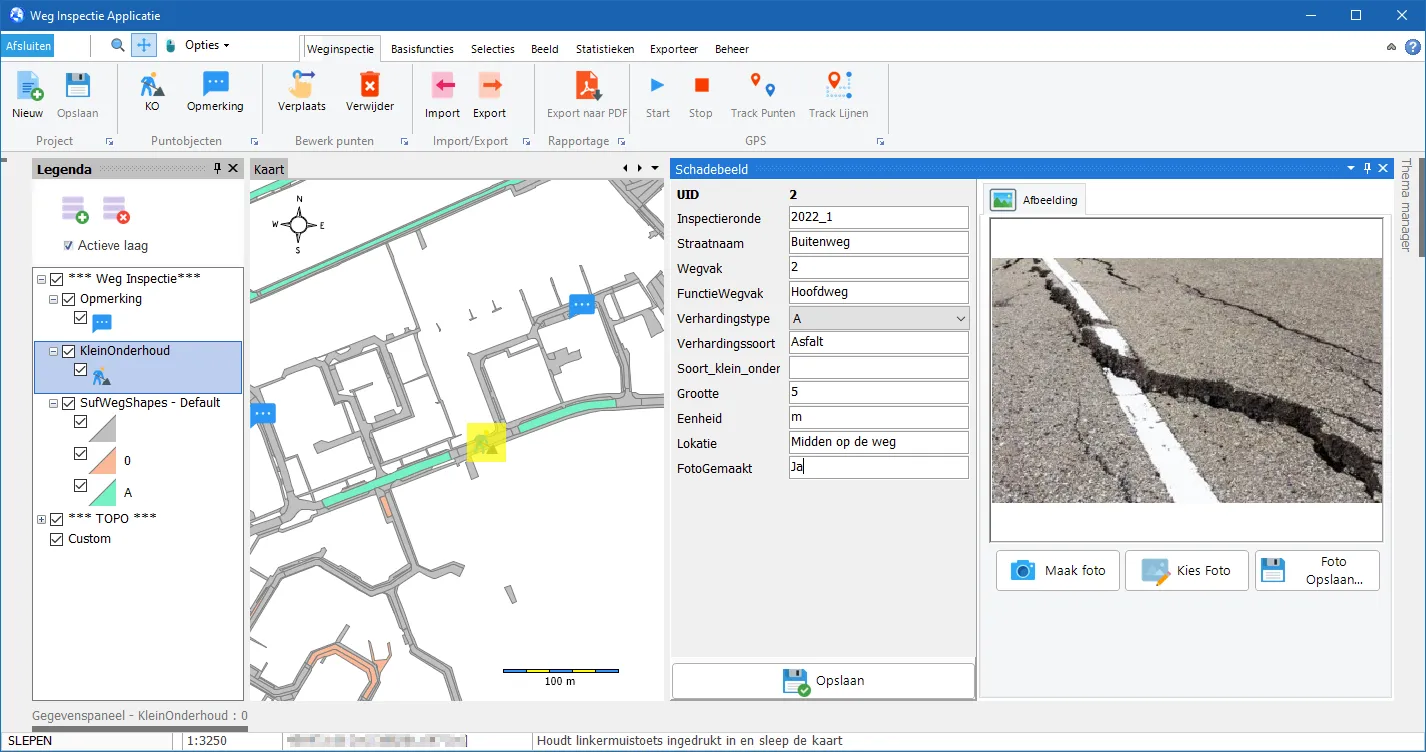
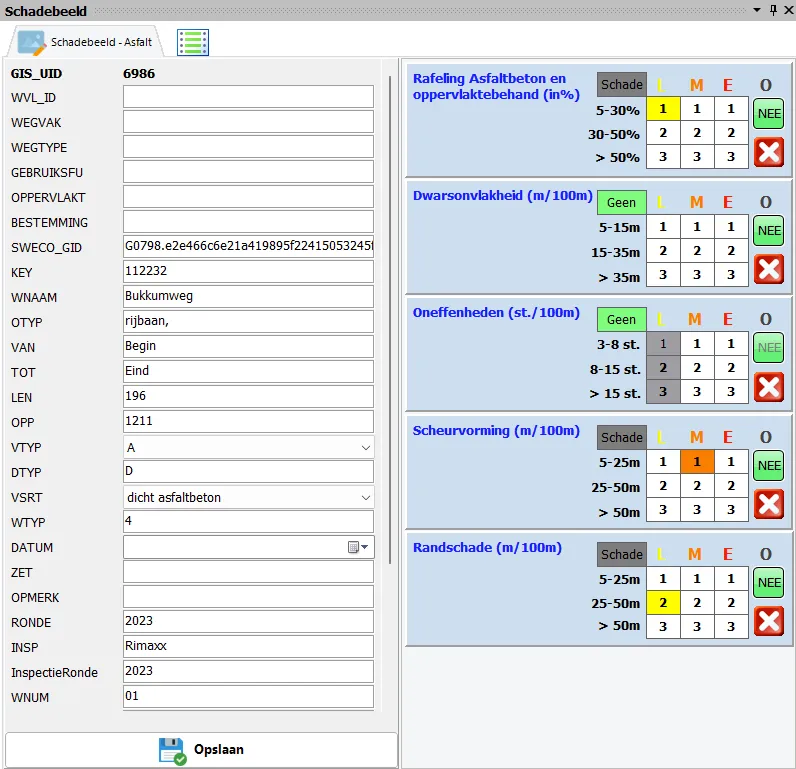
With SmallToGo’s Road Inspection Application, inspectors can record damage on site, even without an internet connection. “Offline use is essential, because inspections often take place in locations where network coverage cannot be taken for granted,” says Van Hooren. “GPS automatically records the exact location of an inspection.” The application is easy to use. “The inspector selects a damage point on the map, adds a photo and indicates what damage is visible and how severe it is. A few clicks are all it takes to build a complete picture of the situation. This not only saves time, but also ensures that information can be used immediately for analysis and decision-making.”
Ease of use
According to Van Hooren, the application has been designed with ease of use as a priority. “Settings, including the language, can be adjusted so inspectors can work faster and more consistently. Automatic saving ensures that no data is lost, even if a device unexpectedly fails. These kinds of smart features minimise the number of steps involved and maximise the quality of inspections.”
To stay in control of the road surface, we need to look ahead. By making smart use of technology in road surface inspections, problems can be identified earlier and addressed more effectively. This will help keep the Dutch road network not only accessible, but also safe and fit for the future.
Question about this story? Ask your question
Keep following this
Get an email when a new story is published. No account needed.
- ThemeExtending the life of roads and civil engineering structures
- SubjectRoad construction