









Sustainable sheet piles key to success
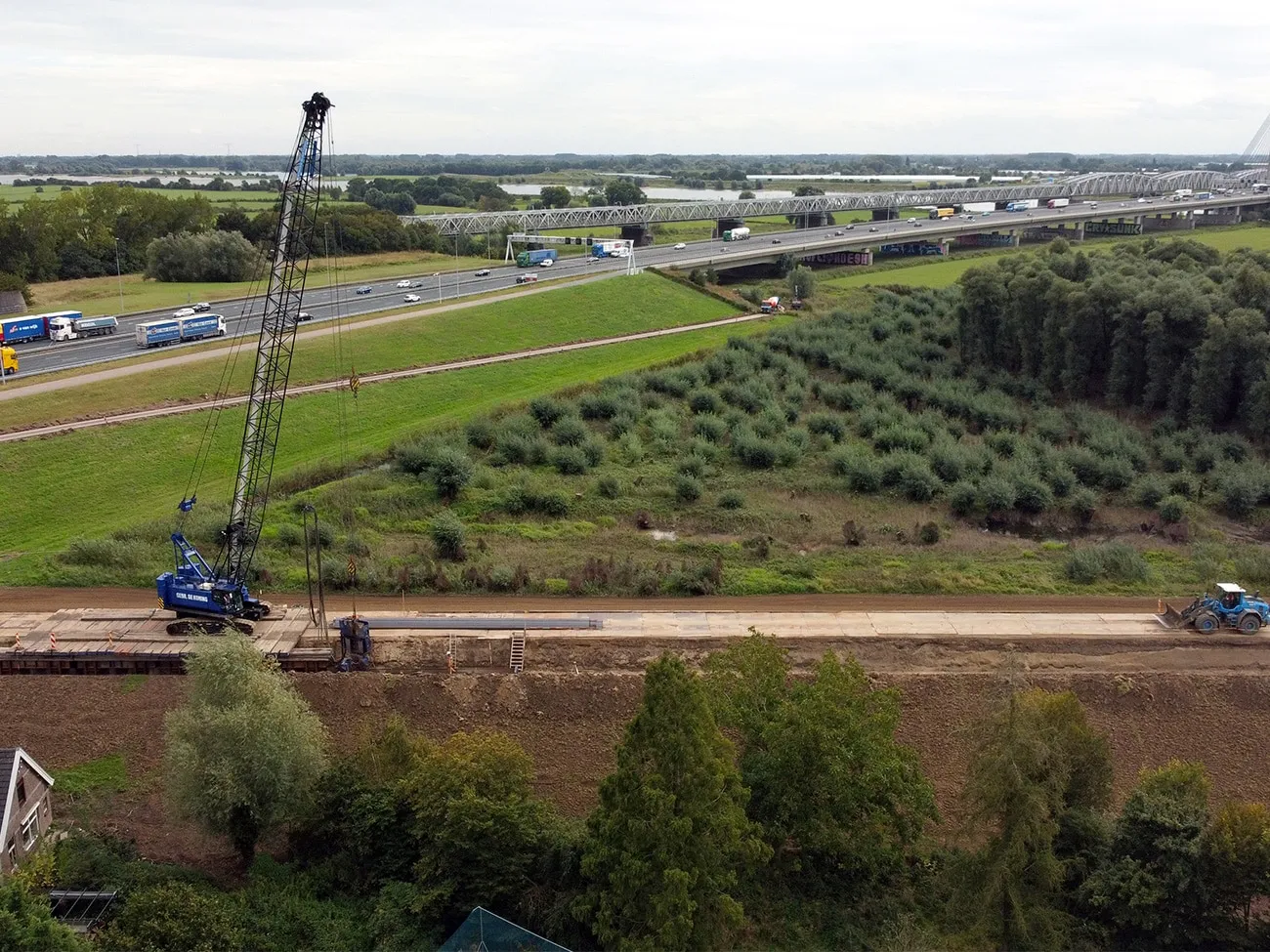
Steel sheet piles are being used on a large scale for the Gorinchem-Waardenburg dike reinforcement project to protect the dike against the failure mechanisms of global stability failure and piping. Of the 23 km of dike reinforcement, the De Graaf Reinaldalliantie has chosen to reinforce more than 6 km using steel sheet piles. In this article, Roel Bijlard, Technical Sales Engineer at ArcelorMittal Projects, explains more about this process and its impact on the sustainability of the project.
The steel sheet piles support the earth embankment under design loads. Sheet piles are the ideal way to reinforce the dike, particularly in locations with limited space around it. Locations where both stability and piping are critical are especially interesting. At these sites, a single sheet pile structure can address both reinforcement requirements. The large number of sheet piles required for the Gorinchem-Waardenburg project has an impact on its sustainability. The ArcelorMittal group is fully committed to the Paris climate agreement, with a target of reducing CO2 emissions by 35% by 2030 and achieving completely emissions-free steel production by 2050. We reduce the environmental impact of the steel sheet piles we supply in three ways: Recycling, Reduce & Reuse.
Recycling
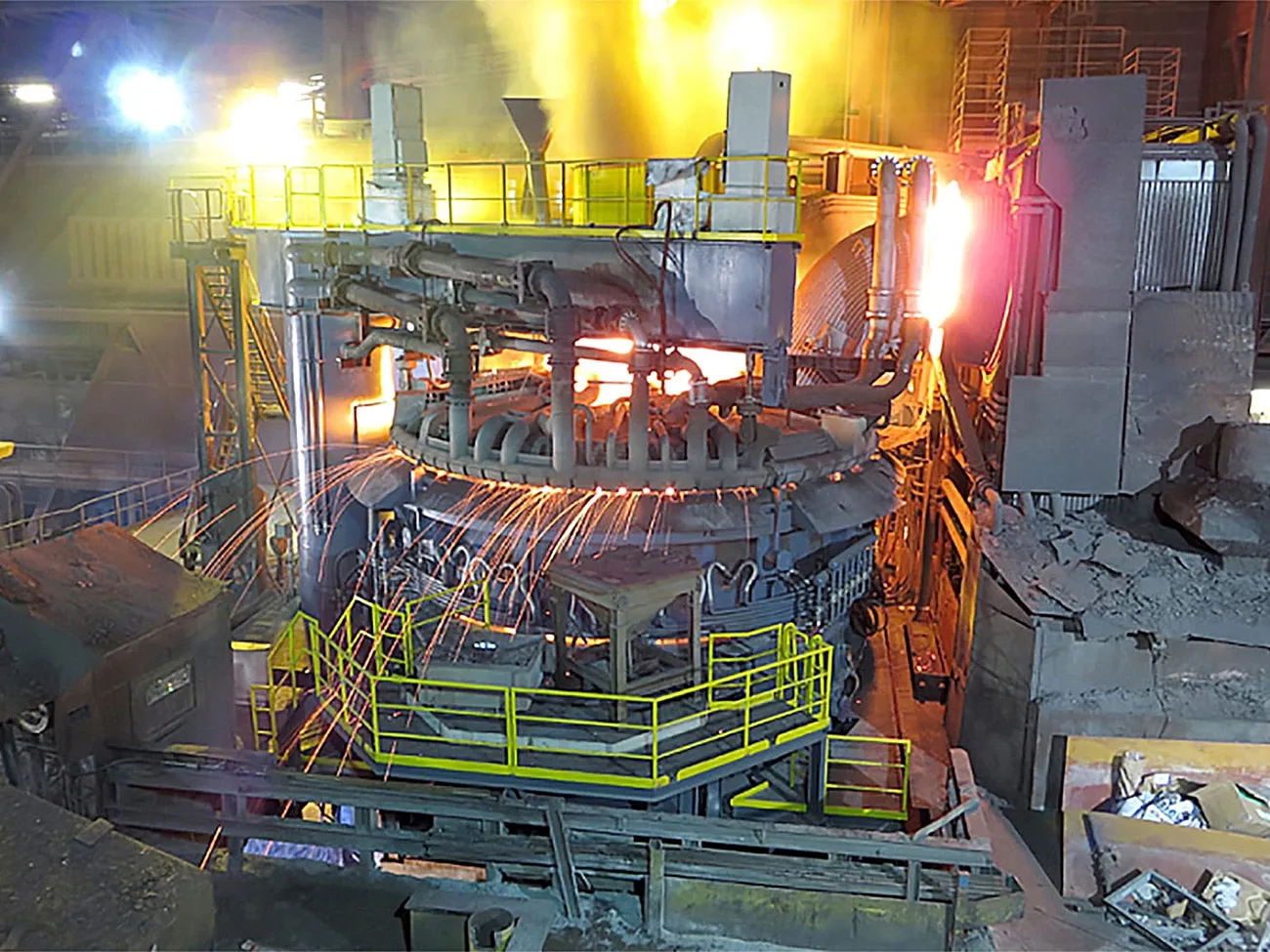
The sheet piles are supplied from the factory in Luxembourg, where the steel is produced in an electric arc furnace. An electric arc furnace uses 100% scrap steel in production, so iron ore is no longer used. This means no primary raw materials are extracted from nature, making it the most sustainable method of steel production. It also generates less waste than the blast furnace process, which has carbon dioxide emissions around five times higher. The production process releases 430 kg of CO2 per tonne of steel sheet piles. This reduction in emissions is demonstrated by the Environment Product Declaration (EPD) EcoSheetPiles™, specifically prepared for the Dutch market. The new EPD EcoSheetPiles™ Plus is also now available, based on 100% green electricity. This will further reduce CO2 emissions in the production process to 340 kg of CO2 per tonne. ArcelorMittal holds a unique position among sheet pile manufacturers for hot-rolled sheet piles, thanks to the short distance to the factory and the sustainable production process.
The Gorinchem-Waardenburg dike reinforcement project has a design life of 100 years. Since corrosion of sheet piles within a dike body is minimal, the sheet piles will still be removable from the dike after 100 years. The removed sheet piles may be partly reused in other projects. Anything that cannot be reused will be fully recycled and returned as raw material to the electric arc furnace. The cycle from scrap to steel sheet pile to scrap is now complete and will be repeated in the next project.
Reduce: using less material
The greatest reduction in emissions, and therefore the biggest improvement in sustainability, comes not from the production process but from using less material. The findings of the 2018 sheet pile failure test reports from Eemdijk show that sheet piles can be designed shorter and lighter than has previously been the case in dike reinforcement projects. For this project, the sheet piles are supplied in steel grade S430 GP, allowing a lighter sheet pile section to achieve the required strength.
Reuse: excellent potential for reuse
Steel sheet piles are ideally suited to reuse in temporary applications, such as temporary construction pits. However, used sheet piles are rarely used in permanent structures such as dike reinforcements. For Gorinchem-Waardenburg, the De Graaf Reinaldalliantie has chosen to use used sheet piles at locations where piping is a failure mechanism. To protect the dike against piping, the seepage path must be extended sufficiently to prevent the phenomenon from occurring. A used sheet pile can fulfil this function just as effectively as a newly manufactured one. The key difference is that the emissions from the production phase do not need to be counted in full for the used pile, as some of them have already been accounted for during its previous temporary applications.
Een zakelijke vraag aan ArcelorMittal Projects Europe B.V.? Get in touch
Companies in this story
Keep following this
Get an email when a new story is published. No account needed.
- ThemeFlood protection and climate-resilient water management
- SubjectWater infrastructure
- CompanyArcelorMittal Projects Europe B.V.







