









Rapid response to environmental incidents on the Afsluitdijk
Text Suzanne van Gaale Images Ecoloss
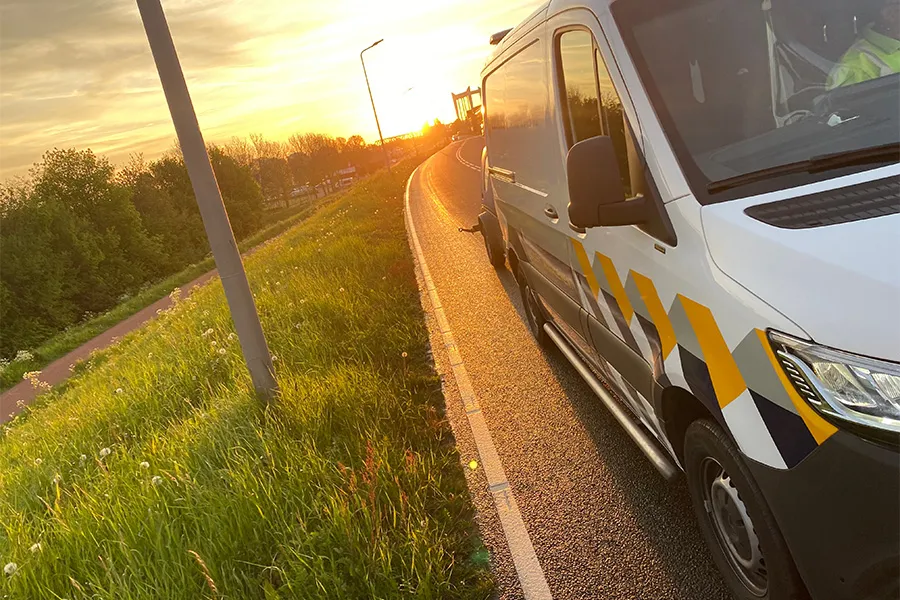
Work on the Afsluitdijk is carried out with care, yet incidents with potential environmental consequences do sometimes occur. Ecoloss is called in to prevent or minimise those consequences, particularly in the event of accidents involving hazardous substances, fuels and oil products. A rapid response is essential, so the Ecoloss team swings into action.
“All reports come into our control room in Pernis, our head office,” says Niels Moerkerken, director of Ecoloss. EcoLoss is an independent consultancy and service provider. As well as providing advice, its staff specialise in the response to and management of incidents, particularly those with an environmental impact on soil. Examples include oil spills on roads, illegally dumped asbestos and drug waste, and liquid leaks in construction pits. Ecoloss responds to incidents involving hazardous substances or potential soil and road-surface contamination, both on land and on water. On behalf of Rijkswaterstaat, Ecoloss works on a range of infrastructure projects, including at Schiphol, on provincial roads and on the Afsluitdijk. “When a report concerning the Afsluitdijk comes in, our control-room team decides whether our incident response staff or those of a partner organisation need to attend. In any event, we coordinate the response, liaise with clients and manage the mobilisation protocols.”
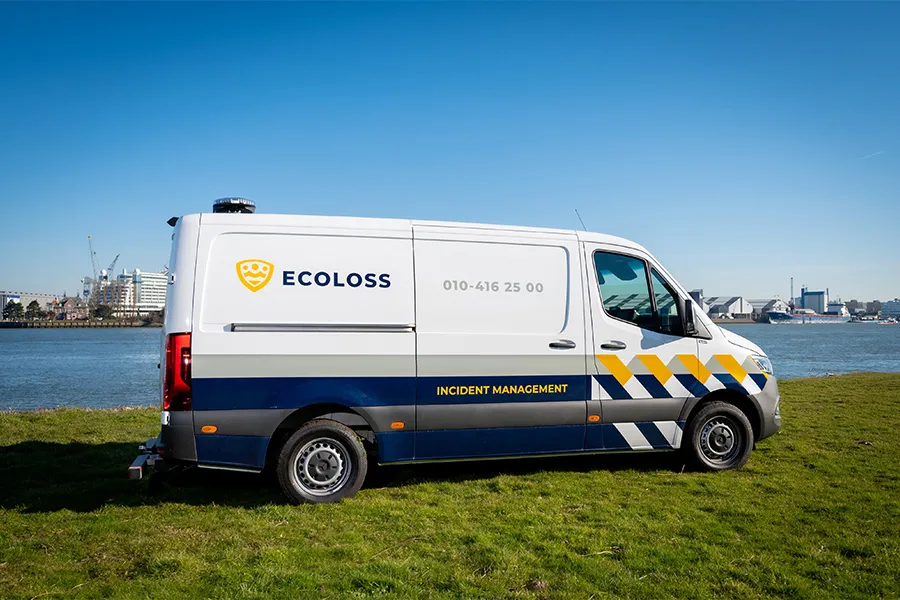
Quick to arrive on site
Environmental incidents can also occur during work on the Afsluitdijk. “For example, a hydraulic hose on a machine could burst and leak into a construction pit. We make sure we get there quickly and clean everything up in accordance with the relevant regulations, so that work can resume safely and as soon as possible.”
Question about this story? Ask your question
Keep following this
Get an email when a new story is published. No account needed.
- SubjectWater infrastructure







