









Planning under pressure
Text Roel van Gils Image DISA
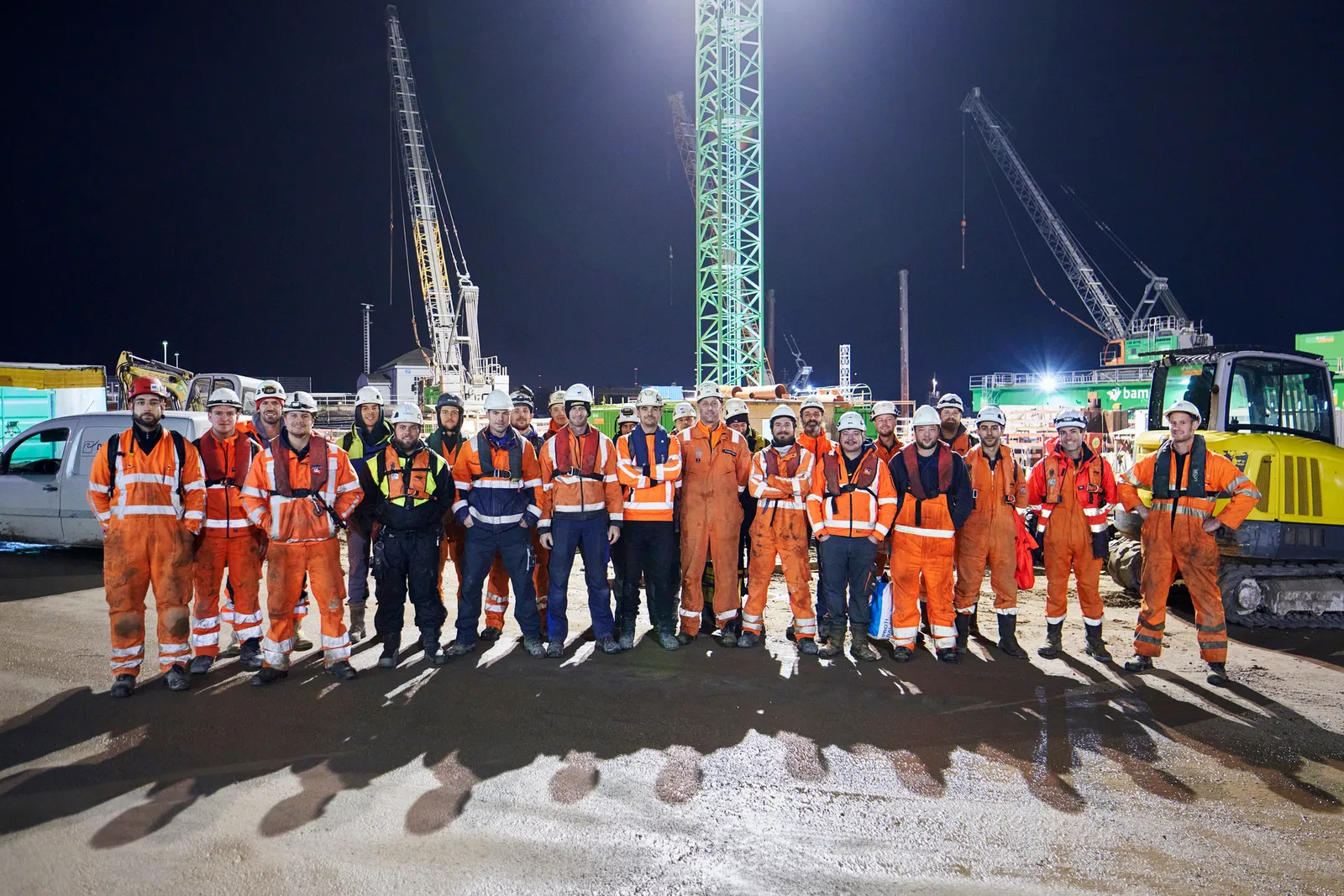
The difference between chaos and success
What looks from the outside like a tightly organised operation is, in reality, a constantly shifting landscape. In the world of maritime services, schedules change regularly, while projects still have to keep moving. It is in this very dynamic that the strength and challenge of DISA International’s planning department lie.
DISA’s planners operate at the intersection of people, technology and international regulations. They ensure that divers, technicians and equipment are in the right place at the right time, anywhere in the world. But as complexity increases, new opportunities also emerge. The rise of innovative technologies such as drones and ROVs (Remotely Operated Vehicles) is also opening the door to new markets and specialisms. The planning department’s role is therefore shifting from simply organising to thinking strategically ahead.
Balancing act
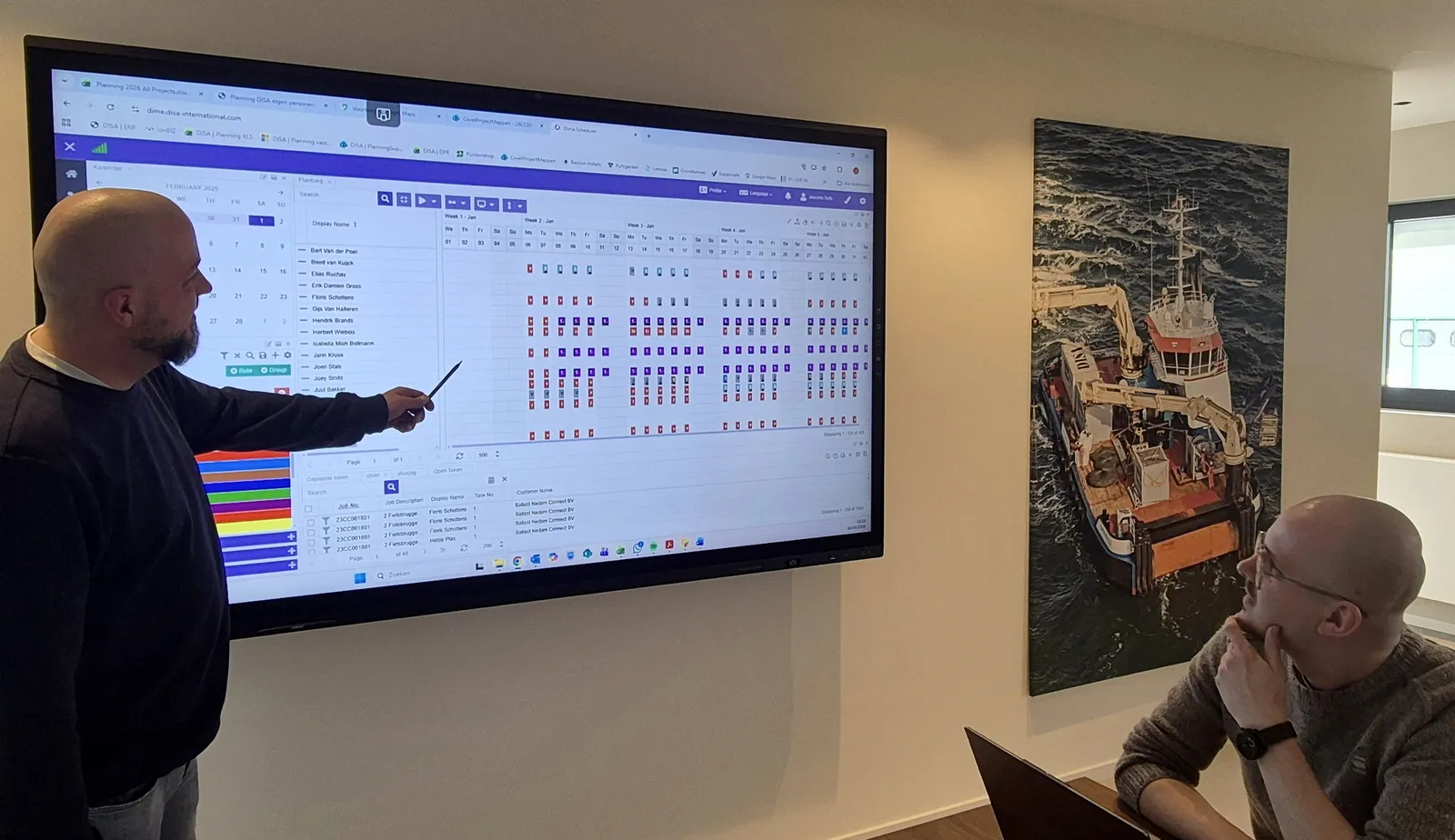
Planning may seem straightforward at its core, but in reality it is a constant balancing act between availability, skills and deadlines, says Joachim Torfs, who is responsible for planning at DISA. “We often manage dozens of projects at once, with up to 150 people on the schedule. And the rule is always the same: get the right person, with the right certificates, to the right place at the right time.” Working outside the EU, and even in different EU countries, brings a maze of rules. “Managers, supervisors, divers, riggers and other technicians need specific certificates, work permits and visas. At the same time, practical matters such as accommodation, transport and insurance have to be arranged down to the last detail.”
Flexible workforce
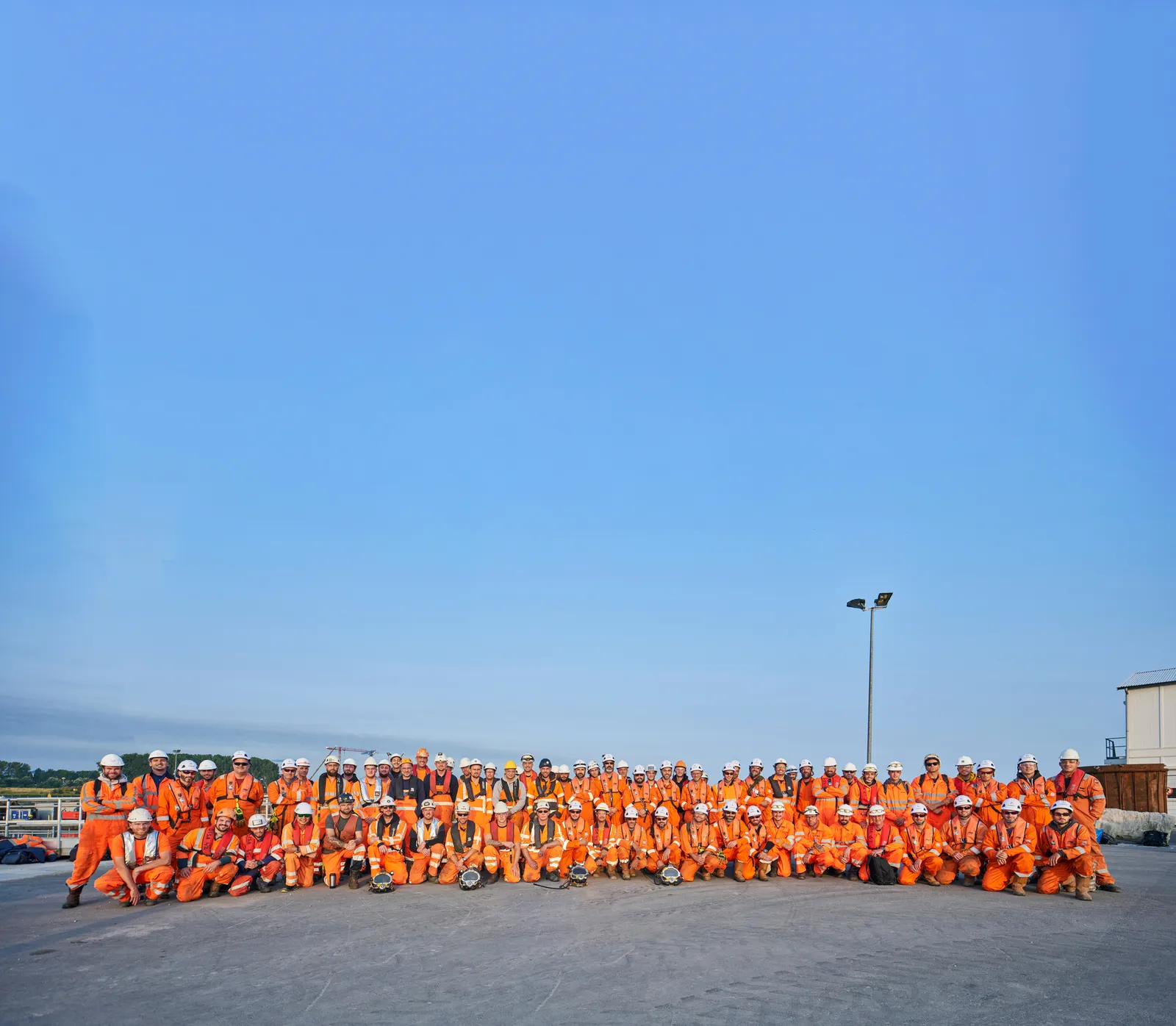
DISA International is fortunate to have a very large permanent workforce spread across its various locations in Belgium, the Netherlands, Germany, Denmark, the UK and Singapore, but also relies on a flexible workforce through partnerships with other companies. “Working with a range of partners across the EU is also common practice at DISA,” says Thomas Hacker, a planner in DISA’s German division. “Team dynamics are crucial. A project requires not only the right qualifications, but also the right chemistry between specialists such as project managers, supervisors, works managers, riggers, technicians, divers, and drone and ROV pilots.”
ROV and drone technology
The market is constantly changing. “Brexit, for example, has made it significantly more difficult for our British colleagues to work in Europe,” says Torfs. “They used to be able to work freely, but now complex administrative processes are required.” At the same time, new opportunities and challenges are emerging, such as the growth of ROV and drone technology. “These systems are rapidly gaining ground and, wherever possible, are now operated from our head office. But there is still a worldwide shortage of qualified personnel. This has created a ‘war for talent’, with companies competing to attract specialists,” says Tommy Paredes, who is responsible for planning in Denmark.
Day-to-day dynamics
Paredes says that in almost all EU countries, specific national documents and registrations also need to be arranged so colleagues can carry out work in that country. “That is another challenge for us planners, on top of the day-to-day dynamics.” Torfs agrees: “Schedules can change completely within a week. It is not unusual for dozens of calls to come in within an hour, some of which ultimately lead nowhere because the situation has changed. Decisions often have to be made extremely quickly, without losing sight of the bigger picture and while constantly considering all possible consequences.”
Yet that is precisely where a good planning department’s strength lies. “Commitment and trust make the difference,” says Hacker. “By investing in relationships with our colleagues and partners, we create a kind of family feeling. People know they will be well prepared when they set off, that everything has been arranged and that we are thinking about their long-term employability.”
The planning department is therefore much more than simply moving ‘people’ and equipment around on a static schedule. It is a strategic and human link in a complex international environment, making the difference between chaos and success.
Have a business enquiry for DISA International? Get in touch
Companies in this story
Keep following this
Get an email when a new story is published. No account needed.
- SubjectWater infrastructure
- CompanyDISA International







