









Pilz helps lay the foundations for safe bridges and locks through standards committee
Text Susan Peek Beeld Pilz, Shutterstock (Joop Hoek)
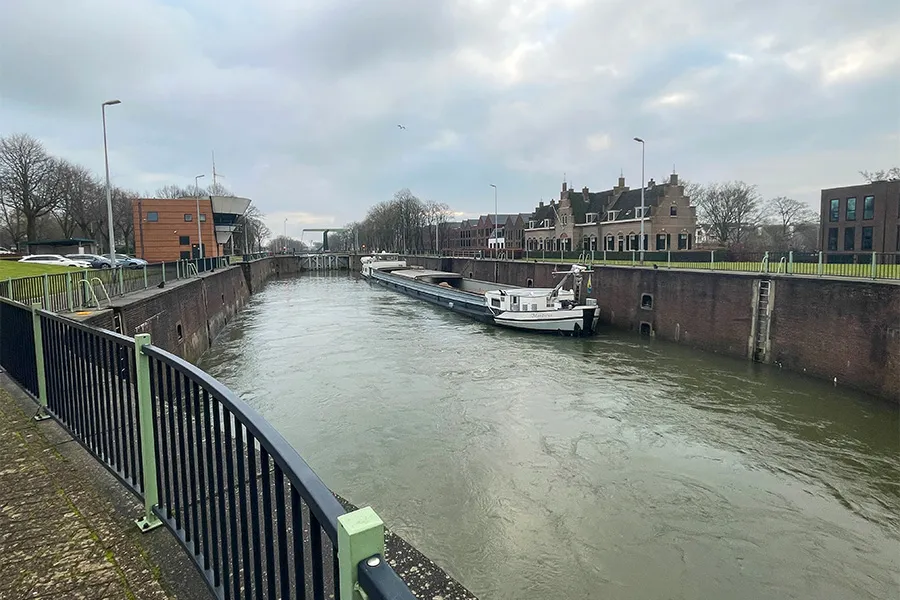
The Netherlands has thousands of movable bridges and locks, which are an important part of its infrastructure. Given Rijkswaterstaat’s major maintenance and replacement programme, it is crucial for the parties involved to work together on consistent solutions. As a leading player in safety technology, Pilz is playing an important role in developing new standards for these vital infrastructure assets.
Dozens of experts from a range of disciplines are working together on new standards to ensure the safety and reliability of these assets. Koen Krikke, Safety Consultant at Pilz, is a member of the standards committee for bridges and locks and regularly discusses the work with Emiel van Zundert, Project Manager Services.

The importance of standards in infrastructure
“When standards are drafted, legal requirements, for example those applying to machinery, are translated into specific provisions. This establishes which standards must be applied to meet these requirements and how to interpret them correctly,” Koen explains. As a safety consultant, he works on the technical aspects of infrastructure safety every day. “Our involvement in the standards committee gives us the opportunity to actively shape the safety of bridges and locks.” He says that work on a revised version of the bridge standard and an entirely new standard for locks has been under way for around ten years. “The new standard is not yet in place, and the bridge standard was often applied when building locks. But a lock is much more than a ‘bridge on its side’,” he stresses.
Safety and reliability
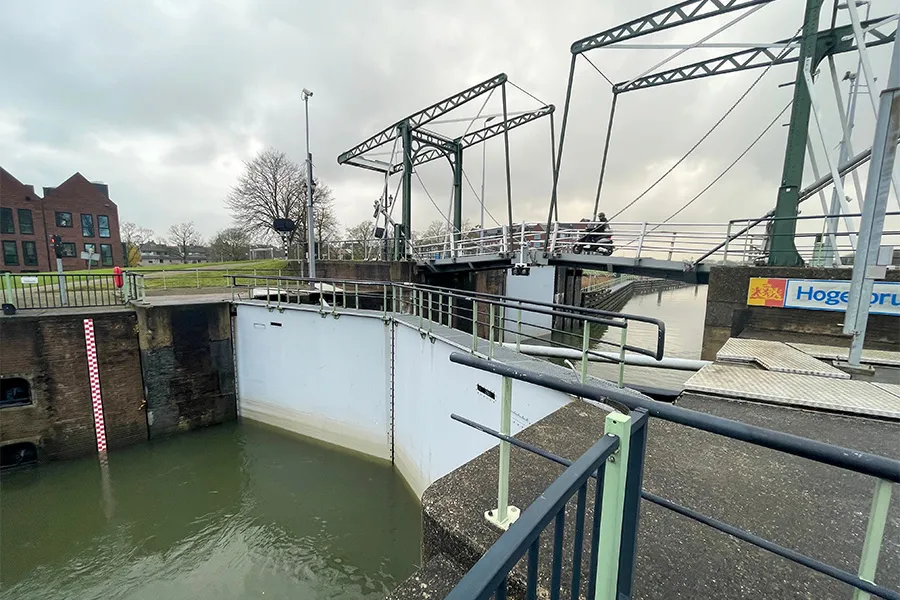
Emiel considers reliability and availability crucial: “The new standards are needed to ensure that locks are safe not only during normal operation and use, but also in exceptional circumstances or in the event of a fault. People must be able to rely on the fact that no unsafe situations will arise, even then. That requires clear safety procedures.” Koen adds: “As well as retaining water, a lock is used to level water and discharge it. There are also vessel impact protection systems, escape ladders, ice management… all of these present challenges, because a lock failure can have far-reaching consequences.”
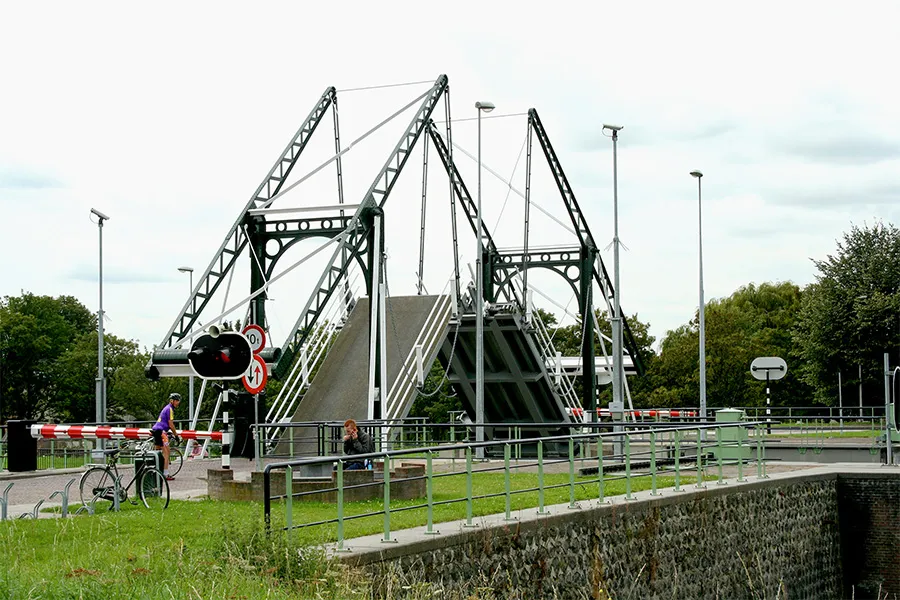
This wider responsibility makes it especially important to Emiel and Koen that every technical aspect of the standards is carefully considered. “The combination of bridges and locks calls for innovative solutions,” Koen adds. “Bridges and locks are often treated as a single complex asset. This means the standards for both components must fit together well to ensure safe and reliable operation.”
Standards and practice
Pilz brings practical experience as well as theoretical knowledge to the standards committee. “We find that implementing standards can sometimes pose practical challenges,” says Koen. “Our expertise in machinery safety and fault management helps ensure that the standards are not only technically sound, but also genuinely practical to apply.” Emiel agrees, noting that clients want clear guidance. “Standards need to be modernised, and guidelines need to deliver tangible improvements in the safety and operational reliability of bridges and locks. Whether we are talking about large movable bridges and locks that are crucial to commercial shipping, or smaller locks managed by local authorities, everyone benefits from clear guidance.”
Koen acknowledges that translating standards into technical solutions is an ongoing challenge. “But that is exactly where Pilz can make a difference. For example, we clarify the basic requirements set out in legislation and regulations, or update details that are outdated in the current bridge standard in light of today’s state of the art.”
Solutions that make a difference
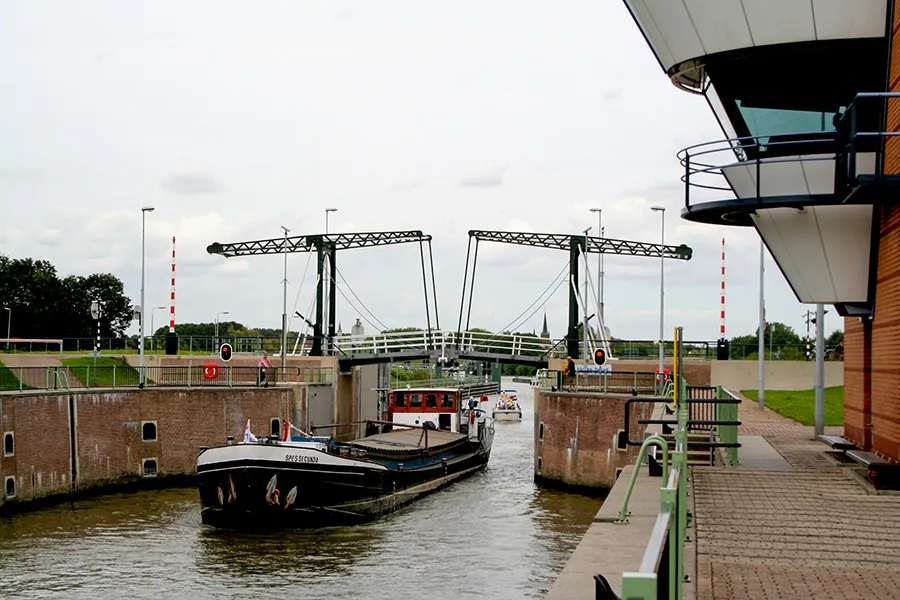
A specific example is the Julianasluizen in Gouda, an important lock for shipping between the Hollandse IJssel and the Gouwekanaal. “Work on major maintenance at this lock has begun, and the new standard lock software of the Province of Zuid-Holland is also being installed at this lock complex,” says Emiel.
Version 2 of the draft NEN 6787-1 standard for bridges is now available. We expect to complete the standard for locks (NEN 6787-2) in 2028. Pilz remains committed to ensuring that these standards are fit for the future and practical to apply.
A business enquiry for Pilz? Get in touch
Companies in this story

Keep following this
Get an email when a new story is published. No account needed.
- ThemeExtending the life of roads and civil engineering structures
- SubjectWater infrastructure
- CompanyPilz







