









From a local replacement need to generic level crossing control
Text Susan Peek Image Pilz
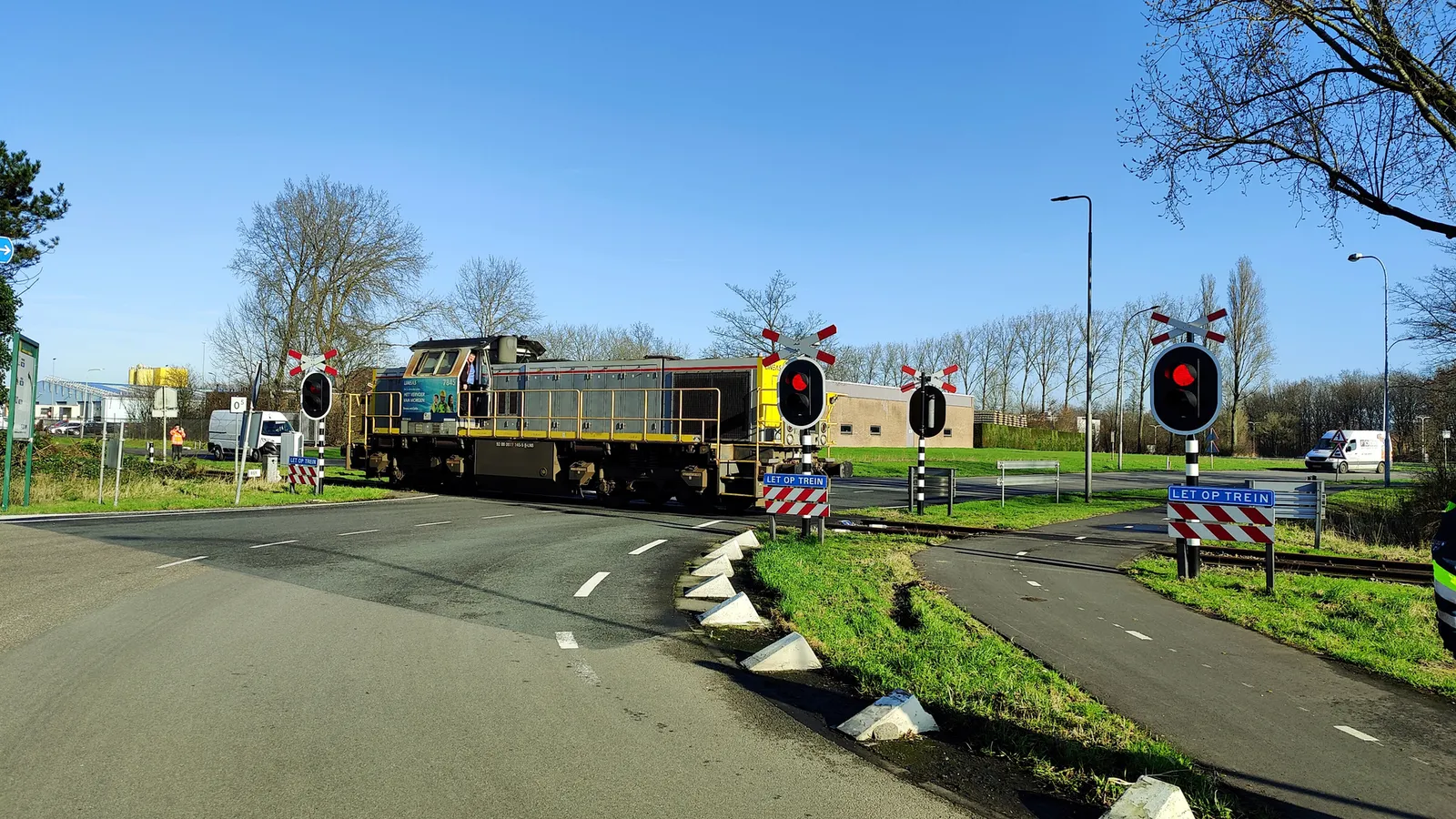
Ageing installations in Terneuzen led to the development of a new level crossing control system
The request seemed straightforward: replace a number of ageing level crossing installations in Terneuzen. In practice, it proved much more challenging. The existing technology was no longer supported, most of the documentation was missing, parts were barely available and there was no suitable alternative. The customer had already approached several companies, but without success. “The companies from the rail sector consulted by the customer said that, at the time, they had no solution available for level crossings outside the mainline network,” says Maarten van Dis, Rail Project Leader at Pilz. “These are exactly the kinds of challenges we find interesting.” The solution was not limited to a single project, but developed into a generic level crossing control system for crossings without barriers outside the mainline network.
From a practical need to a standard solution
The control system was initially developed as a bespoke solution for the level crossings in Terneuzen. During the design process, Pilz decided to make the solution more widely applicable to crossings without barriers outside the mainline network.
“Similar installations are nearing the end of their service life on many industrial railways, port sites and heritage railways,” says Maarten. “If you are developing a new control system anyway, it makes sense to make it generic from the outset, so it can be used at other locations too.”
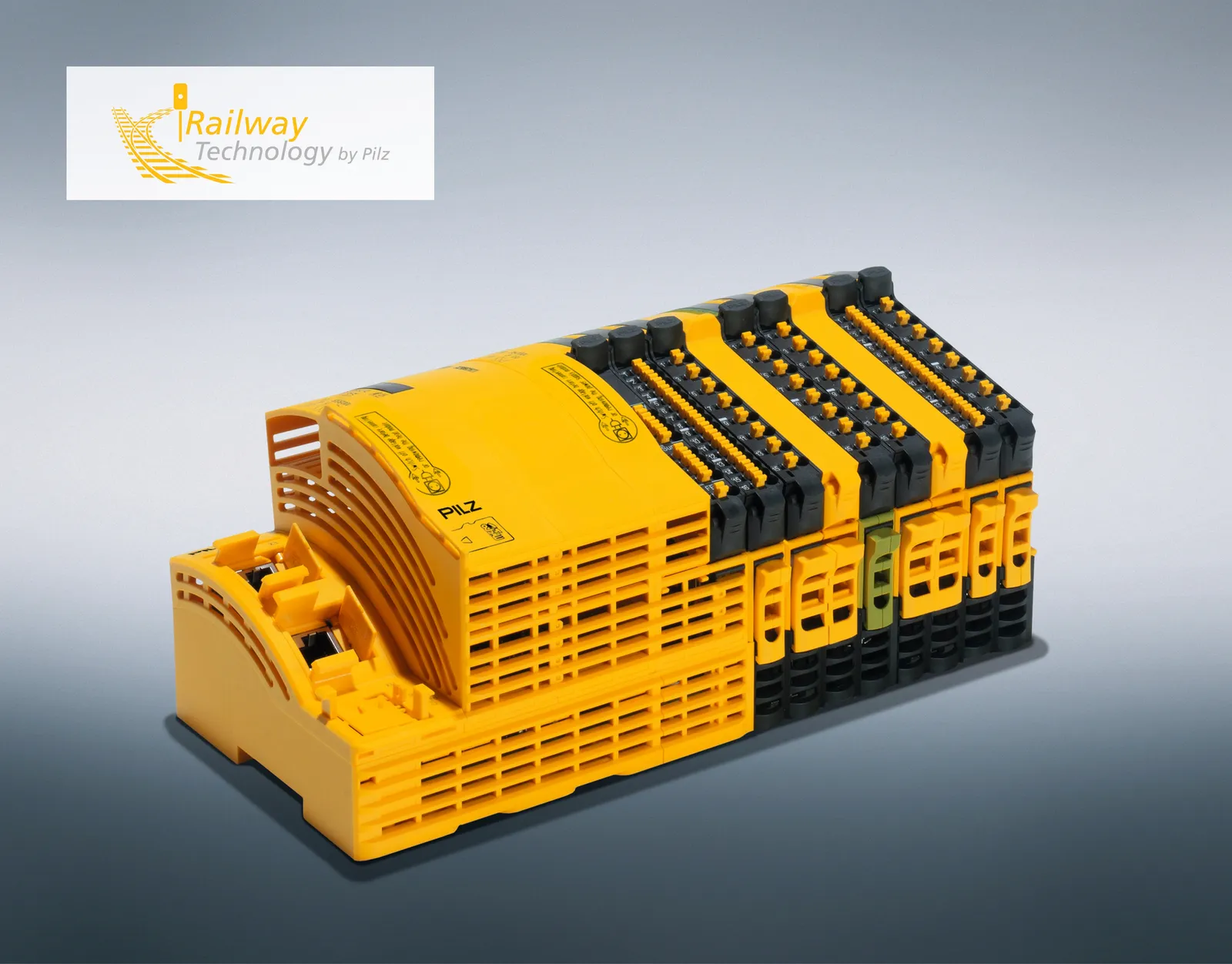
This led to the PHAOL (Pilz Half-Automatic Level Crossing with Light Installation): a generic control system for manually operated and semi-automatic level crossings without barriers outside the mainline railway infrastructure.
Safety as the starting point
Pilz develops safety solutions for both the mainline network and industrial railways. This combination made it possible to develop a suitable solution for this application. “The requirements outside the mainline network differ from those on the mainline, but safety remains the top priority,” says Maarten.
He says demand for safe solutions is growing. Many completely unprotected level crossings remain on branch lines from the mainline network to industrial sites. At the same time, traffic is increasing. “Rail operators are increasingly uncomfortable with the situation. They no longer want to stand at a crossing with a flag to stop traffic.”
For the PHAOL, Pilz therefore opted for a configurable safety relay. As this is a less complex level crossing, a full PLC control system designed for railway applications is not required. The controller checks the lights and monitors the entire process, from the train’s approach and passage through to its departure.
Less maintenance, better management
Safety was not the only important consideration in the design: maintenance also played a key role. With maintenance staff in short supply, demand is growing for solutions that make faults easy to identify.
The Pilz Monitoring Platform allows maintenance providers to check the current status of the installation remotely. If a fault occurs, they receive an immediate alert and can assess what action is needed before a technician arrives on site.
Pilz also deliberately used COTS components (Commercial Off-The-Shelf). This means parts are readily available from regular suppliers, making asset managers less dependent on specialist suppliers. The use of LED technology also reduces maintenance requirements.
“We designed the solution to be as open as possible,” says Maarten. “After training, maintenance providers can carry out many tasks themselves. This makes asset managers less dependent on external parties.”
Keeping a close eye on practical needs
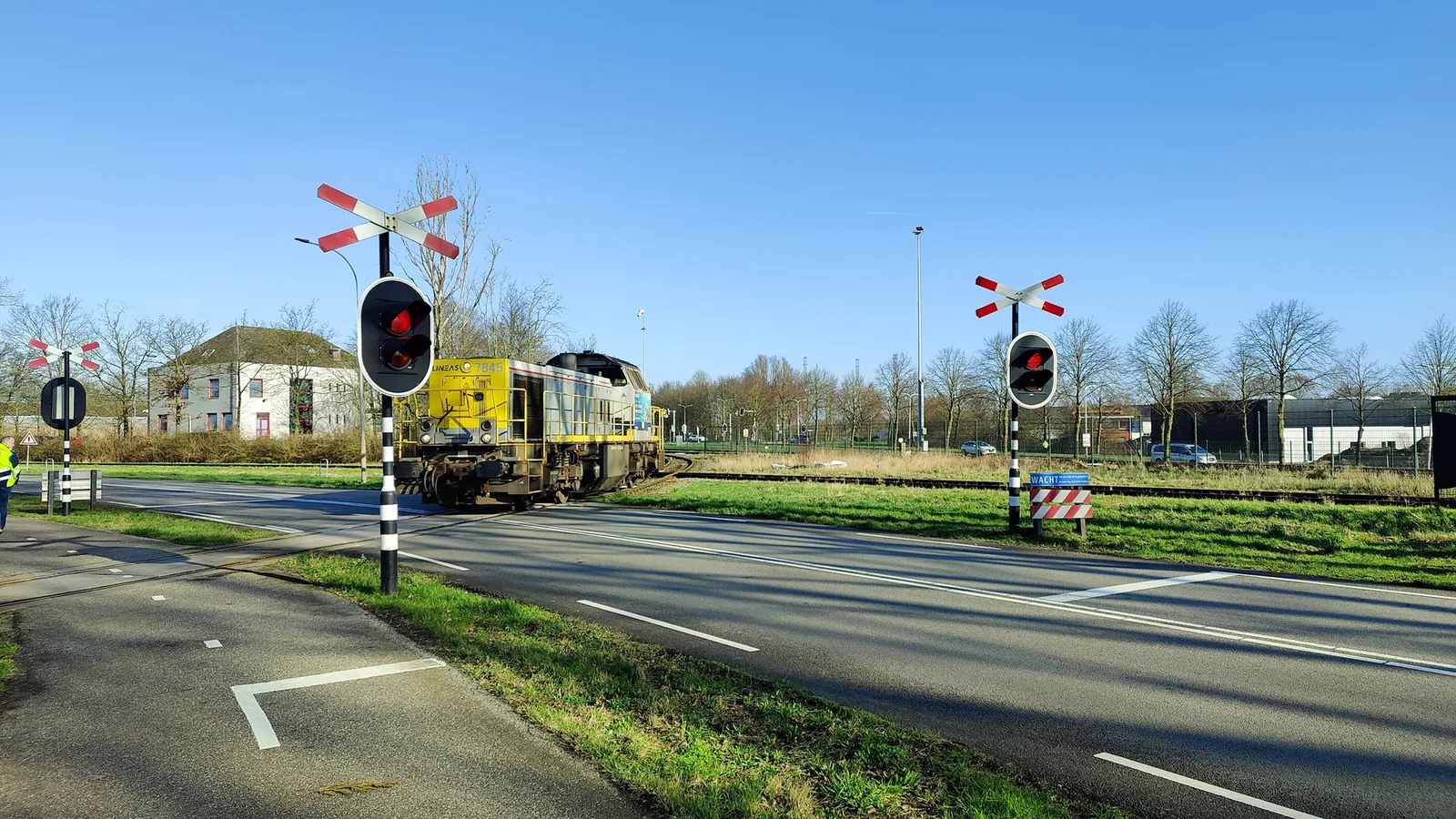
For Maarten, the development of the PHAOL shows above all that safety does not always call for a standard solution. “It is precisely outside the mainline network that you encounter situations requiring a slightly different approach,” he says. “We developed a solution that brings together safety, ease of maintenance and future-proofing, and can be used at many more locations.” Maarten expects demand for solutions of this kind to grow in the years ahead. Not because the technology is changing, but because asset managers are increasingly looking for solutions that are both safe and practical to manage.
A business enquiry for Pilz? Get in touch
Companies in this story
Keep following this
Get an email when a new story is published. No account needed.
- ThemeExtending the life of roads and civil engineering structures
- SubjectNews
- CompanyPilz







