









Infrastructure upgrade for GVB electric ferry
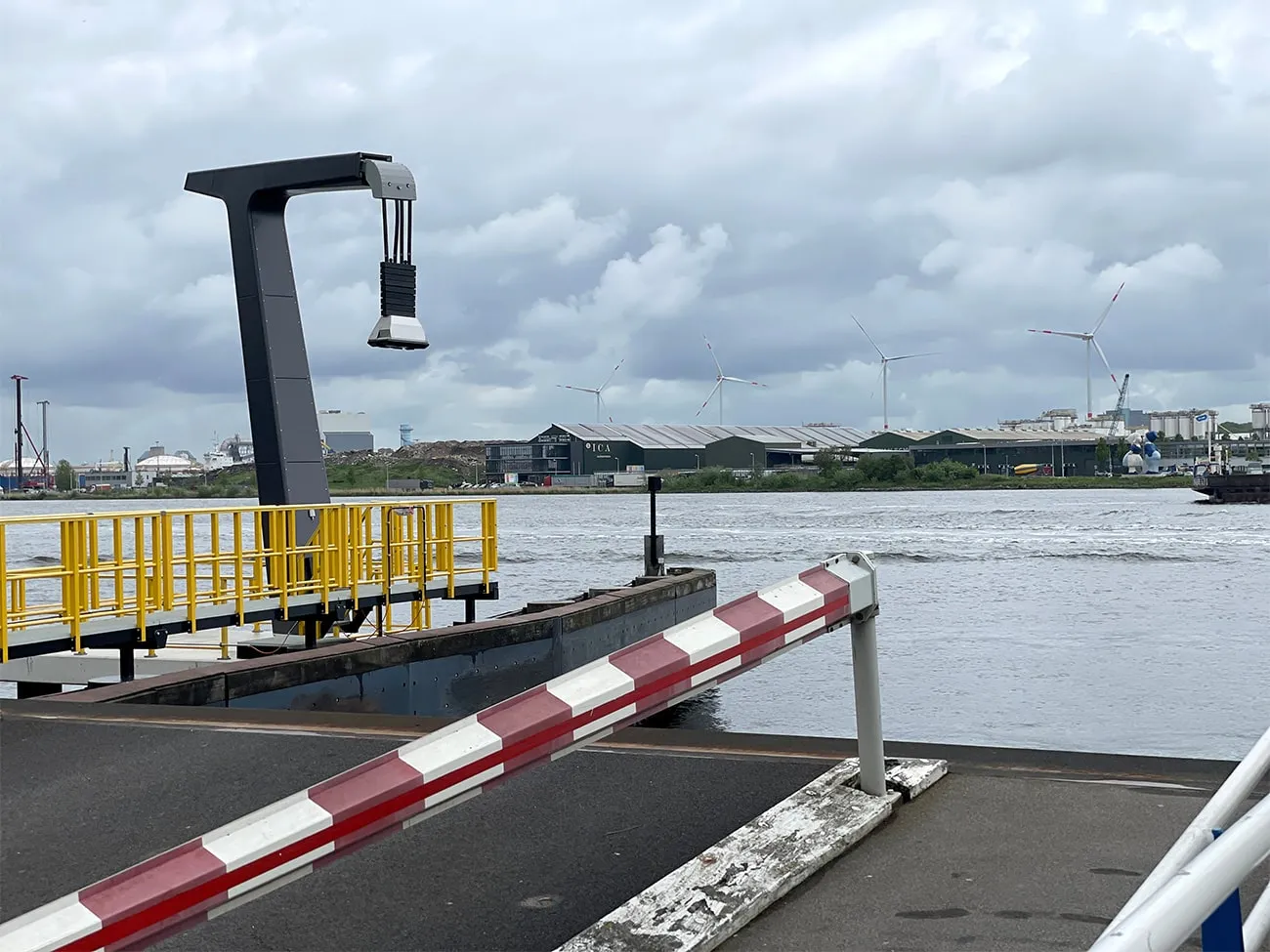
Gemeentelijk Vervoersbedrijf Amsterdam (GVB) operates three ferries across the North Sea Canal and one across the IJ. In recent years, work has been under way to replace the diesel-powered ferries with electric ones. As part of this major project, Pilz was commissioned to adapt the electrical infrastructure at the landing and berthing points for the new vessels. An extensive innovation project that did not stop the ferries from running.
As the operator of several ferry services in and around Amsterdam, GVB is responsible both for running the services and for maintaining the ferries and their associated technical infrastructure. The ferry that runs from Zaandam-Noor to Amsterdam, the Hempont, uses two so-called ferry landing pockets on each side. Each pocket contains a movable bridge section that allows all motorised traffic to board and disembark safely and smoothly.
In need of replacement
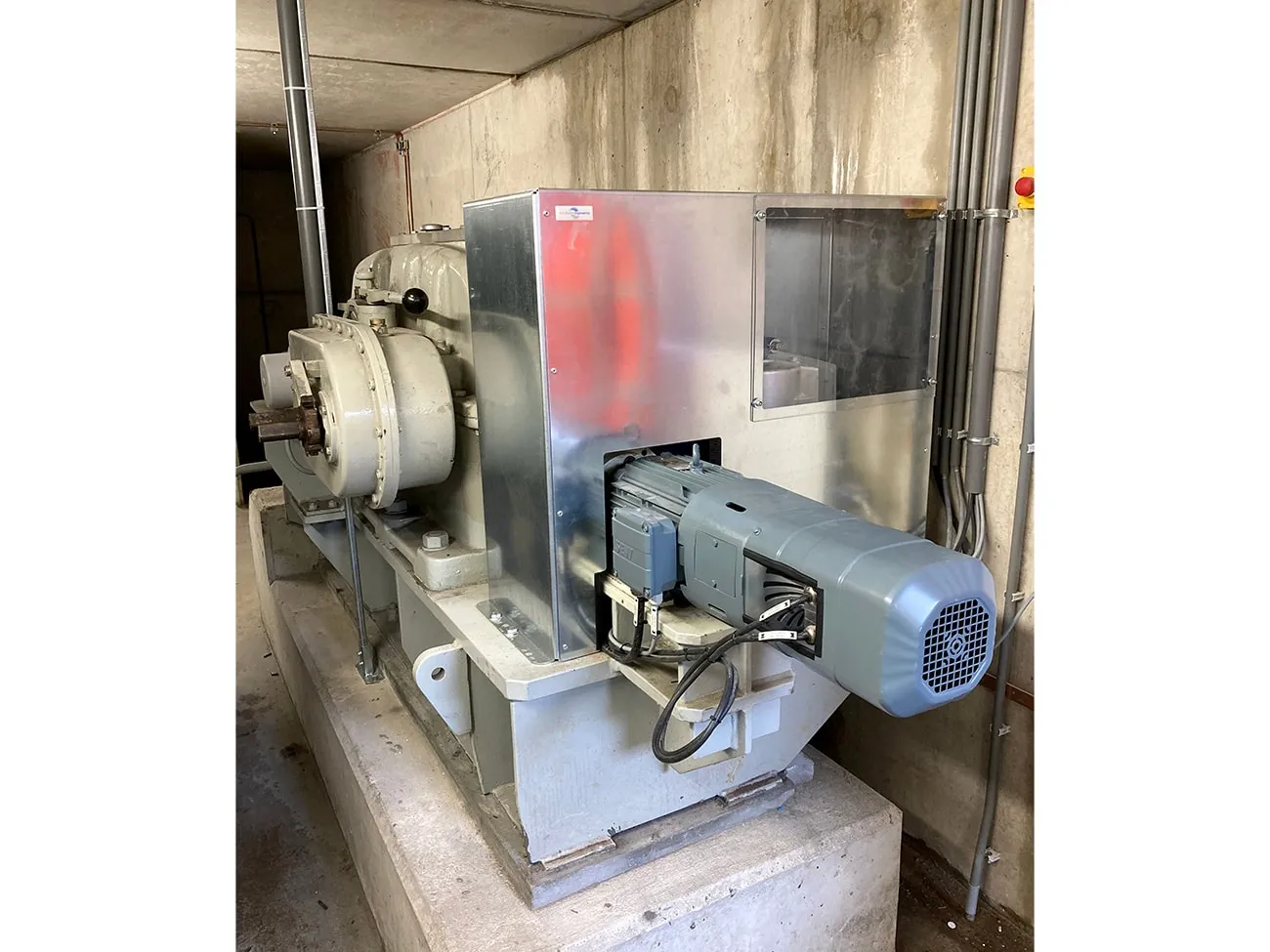
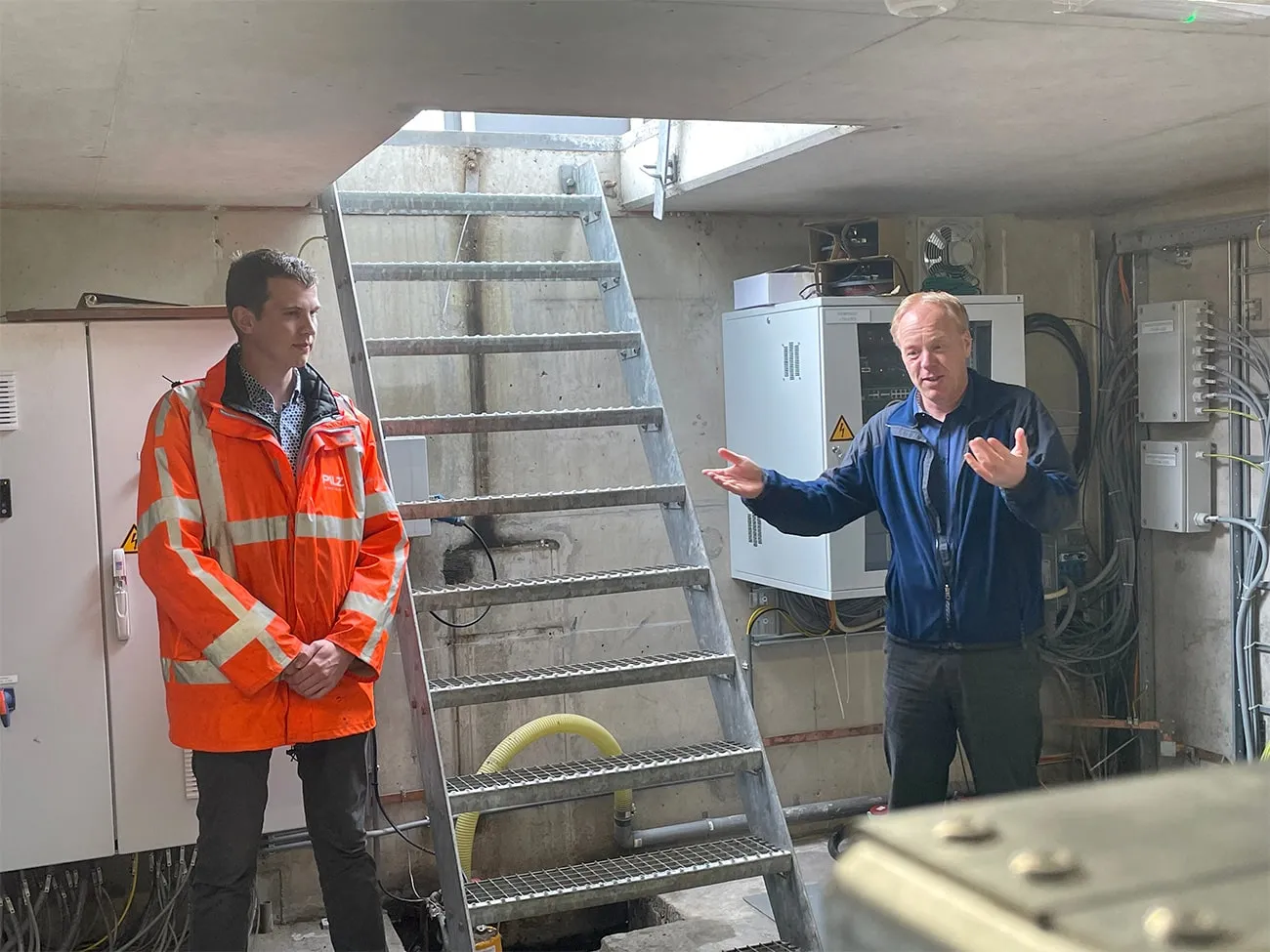
All the equipment needed to operate the bridge deck section and traffic control equipment, including the barrier and lights, is housed in basements beneath the landing and berthing points. Casper van der Werf, Programme Manager at GVB Veren, says: “In recent years, we noticed that this equipment was becoming outdated and needed to be refurbished. The decision to replace the diesel-powered ferries with electric ones, equipped with rechargeable battery packs, provided an ideal opportunity.”
As refurbishing the infrastructure in the basements and installing the charging posts would be a major undertaking, the work was put out to tender. Pilz was awarded the contract on the basis of its programme, price and project plan. The company faced a major challenge: the ferry had to keep running throughout the project.
From survey to delivery
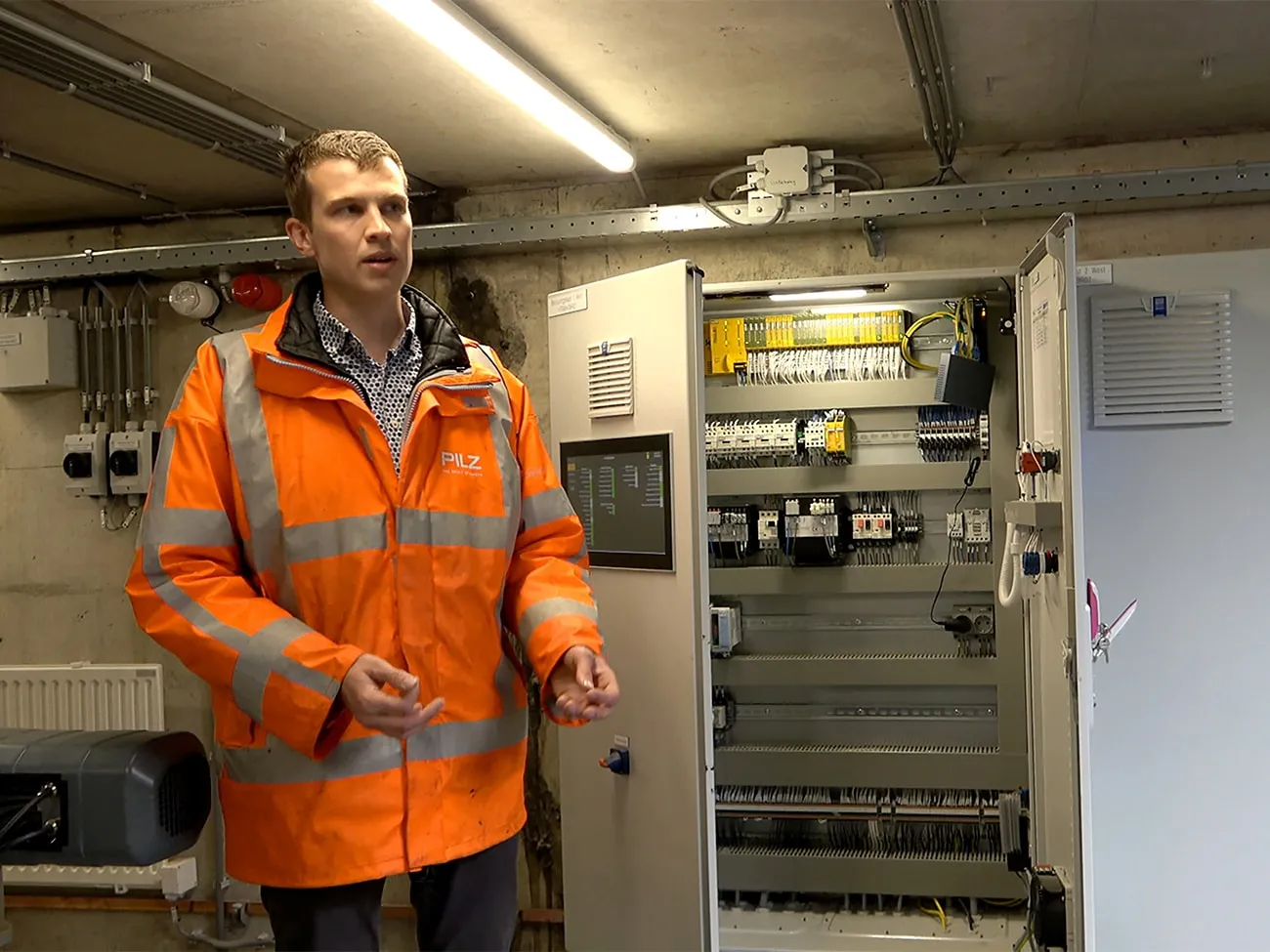
Pilz began by surveying the existing situation and drawing up a project plan. The next step was to build a temporary installation so that the ferry service could continue in all circumstances. Christian Oort, Project Manager at Pilz, says: “We tested the system thoroughly first to make sure it worked reliably. It was quite something each time we had to disconnect the cables from the permanent installation and connect them to the mobile version. But it worked well!”
Electric motors and power supply
The new installation had to deliver at least the same functionality, with a few added features. The old electric motors driving the bridge deck section have been replaced with variable-speed motors. This has made the system safer and extended the motors’ service life.
Another part of the work involved replacing most of the cabling in the basements. BAM installed the additional cables supplying power to the two charging points located alongside the two landing pockets. Casper van der Werf says: “The ferries are basically charged every time they berth. It is not strictly necessary from a capacity point of view, but it does make the service more reliable. And besides, if you do it every time, you are less likely to forget.”
Control cabinets
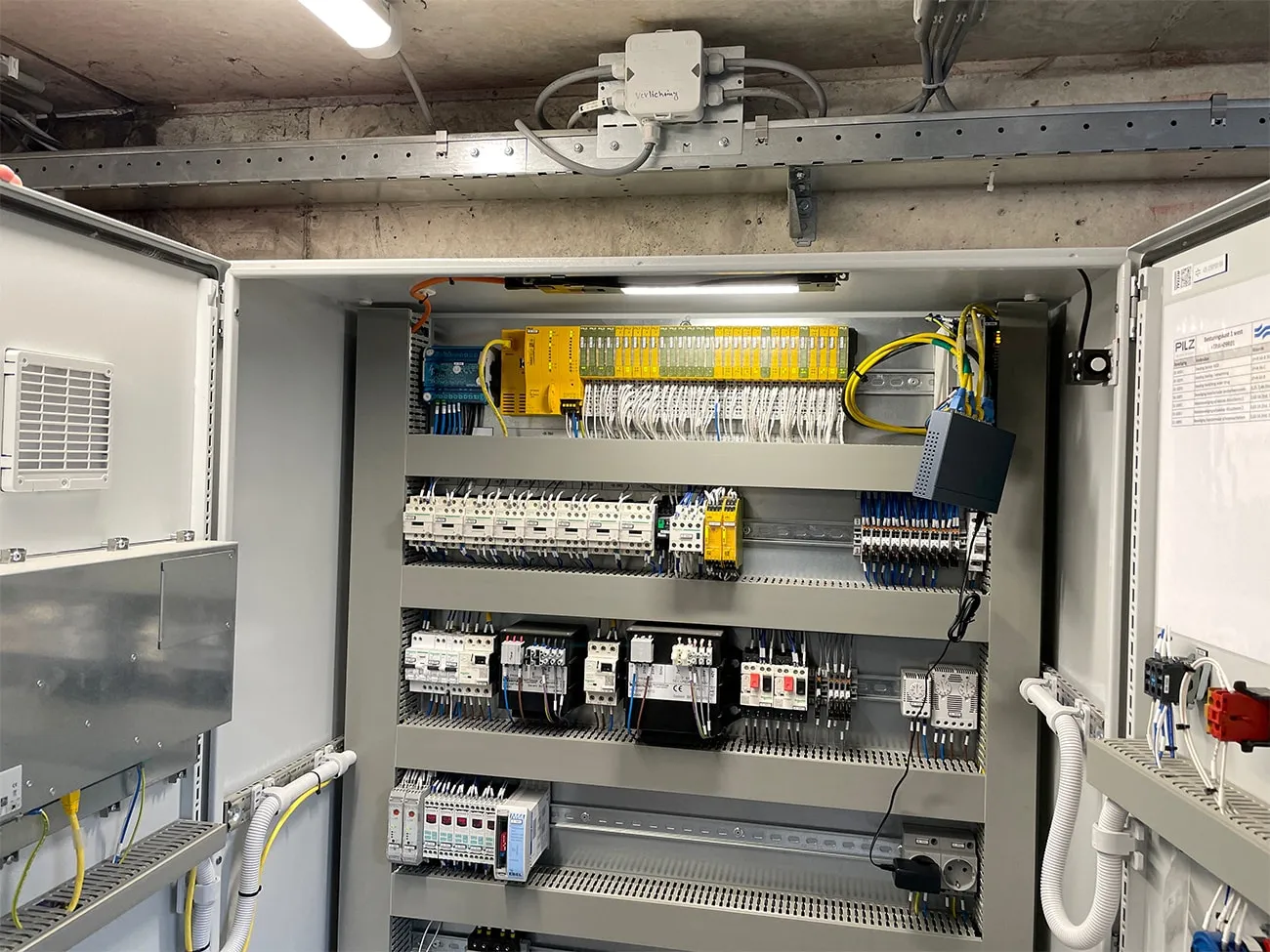
The control cabinets have also been completely refitted with new components. At one end of the basement is the cabinet containing all the components for operating the bridge deck section and barrier. In the new installation, two safety PLCs have been used to separate the control of these two functions. Various interlocks have also been installed, including ones that prevent the bridge deck section from moving while the battery pack is being charged. If the power supply fails, the bridge deck section can also be operated manually.
The other control cabinet contains all the I/O for the traffic control equipment. This includes various types of lighting needed to direct shipping traffic, particularly during hours of darkness. Pilz has also incorporated safety features here. For example, lamp voltage is measured automatically to ensure that the lights are continuously monitored.
Working together
Both parties are very satisfied with the collaboration. The GVB construction team was clear about its requirements and expectations of Pilz, and is more than happy with the final solution. Casper van der Werf says: “The result is actually better and more impressive than we had imagined. We are also pleased with all the effort that went into keeping the ferries running. By building a separate installation that we could switch over to during the work, the service was barely affected at all. Our teams also worked together very well, which made the whole process a pleasure. Now we are waiting for the grid operator to connect the transformer substation and for the electric ferries to be delivered. We are really looking forward to it!”
Question about this story? Ask your question
Companies in this story

Keep following this
Get an email when a new story is published. No account needed.
- ThemeLower emissions and more reuse
- SubjectWater infrastructure
- CompanyPilz







