









Greater focus on mechanical engineering in civil structures
Text Roel van GilsImage Wouters Werktuigbouw
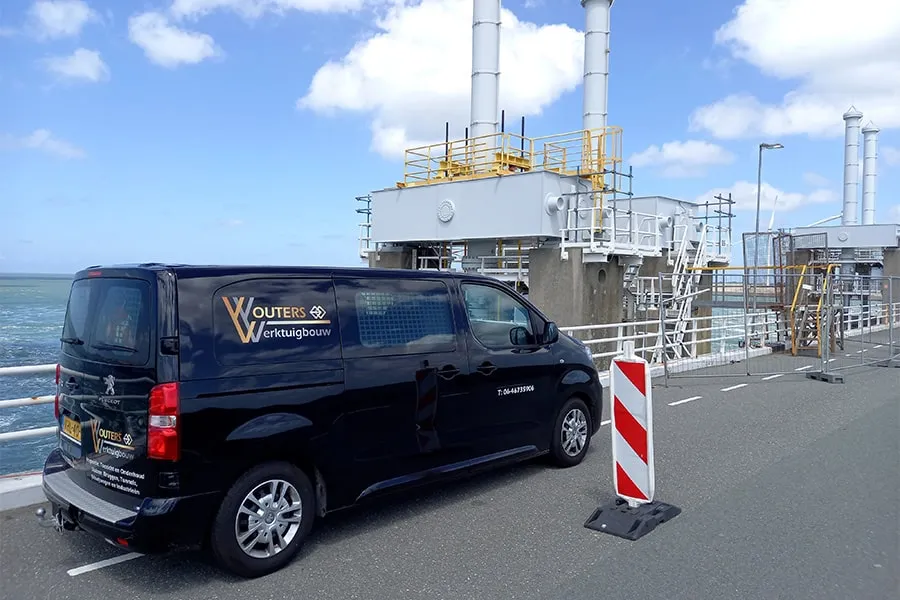
The investment in the drive system for a lock, bridge, flood defence, pumping station or weir is often dwarfed by that in the overall civil structure. Yet the greatest risk of failure often lies in the electromechanical and hydraulic drive systems. According to Louis Wouters of Wouters Werktuigbouw, this is often overlooked. “A lock gate or weir that fails because a faulty mechanical or hydraulic component is not in stock can have serious consequences.”
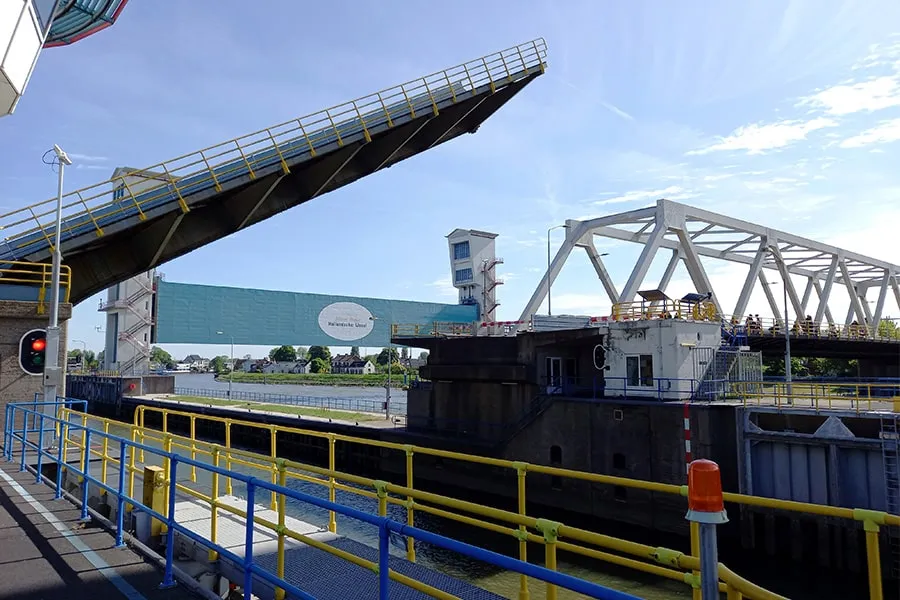
Wouters Werktuigbouw is in its element in water infrastructure. “We advise on the construction and renovation of hydraulic structures, and also carry out periodic inspections. Our expertise lies mainly in mechanical engineering, particularly mechanics and hydraulics,” says Louis. Using the findings from inspections, we assess existing structures against the applicable standards and requirements, for example. This produces a condition score. If it falls below the threshold, even structural safety may be at risk, making it important to act quickly. We also contribute to the design of new-build projects and, where required, help make the right mechanical engineering choices to ensure the structures do what they are supposed to.”
Water Act
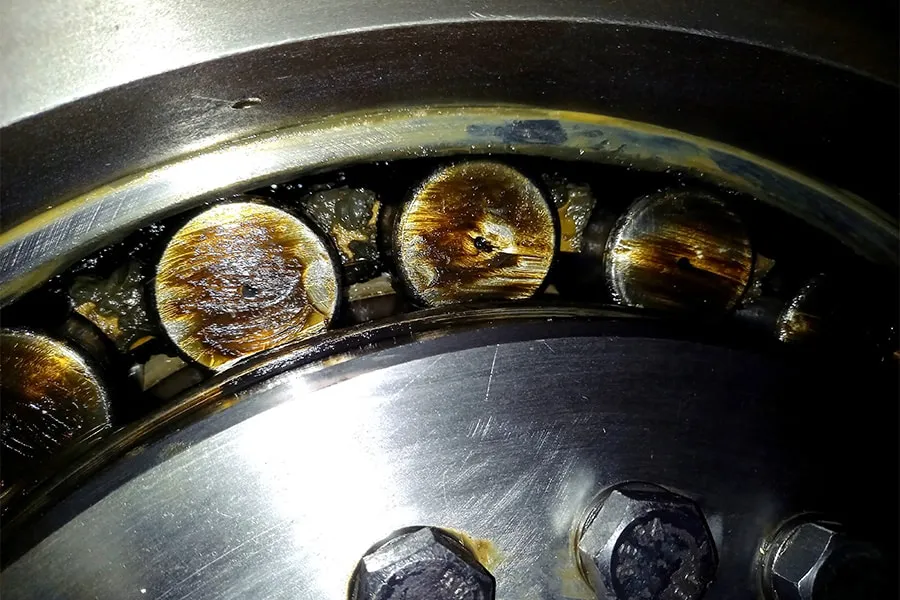
Critical structures, such as flood defences, are managed on the basis of their probability of failure. “This is calculated mathematically, and all the technical components have an influence on it. Previously, a failure rate of 1 in 200 was allowed for the Hollandsche IJssel flood defence, for example. Following changes to the Water Act, that figure is now 1 in 1,500 by 2030. That is a considerable reduction in the probability of failure. And within the next twenty-five years, it will fall to 1 in 2,000. So absolutely nothing can go wrong. Sound, practical judgement can already help tackle many of these potential problems,” Louis assures us. “First of all, make sure you carry out proper preventive maintenance. Inspections and measurements are an important part of this, as is the careful management of critical components. You can do all the mathematical calculations you like, but it is also vital to keep thinking carefully about what happens in practice. We were recently called in to deal with a fault at a structure. It turned out that a small technical component had failed. And you guessed it, it was not in stock. The moral of the story is to make sure your spare parts are properly managed too.”
Shocking
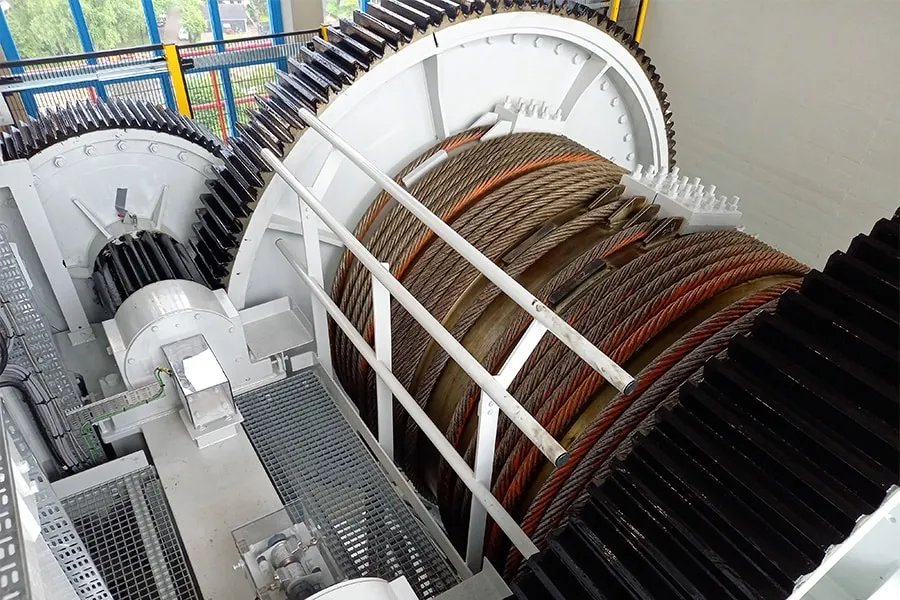
Louis also knows that in hydraulic engineering, most of the investment goes into the civil structures. “With relatively little input from us, risks involving substantial sums can sometimes be tackled, along with consequential costs that could be many times higher. You do not want to know what it costs when a critical structure is deemed unsafe or can no longer fulfil its function.” Louis says there is every reason to take preventive action and tackle potential risks in advance. “We were recently asked to inspect a hydraulic structure and assess whether it could remain operational for another four years, until the major maintenance work was due. The findings were quite shocking. Immediate action was needed. And unfortunately, that is no longer an exception. We quite often have to recommend temporary measures to keep hydraulic structures operating safely.”
Louis believes the great diversity of structures is one of the best things about Dutch hydraulic engineering. “They range from structures built just after the Second World War using old, reliable techniques to those equipped with the very latest technology, including extensive electronics and hydraulically powered systems with proportional control. With more than 30 years’ experience in this sector, we are ideally placed to support clients and contractors in ensuring these structures operate safely and reliably. And that starts at the design stage, with a focus on the mechanical engineering aspects.”
Question about this story? Ask your question
Keep following this
Get an email when a new story is published. No account needed.
- ThemeFlood protection and climate-resilient water management
- SubjectWater infrastructure







