









The importance of building surveys and monitoring
Text Susan PeekImage Topcon
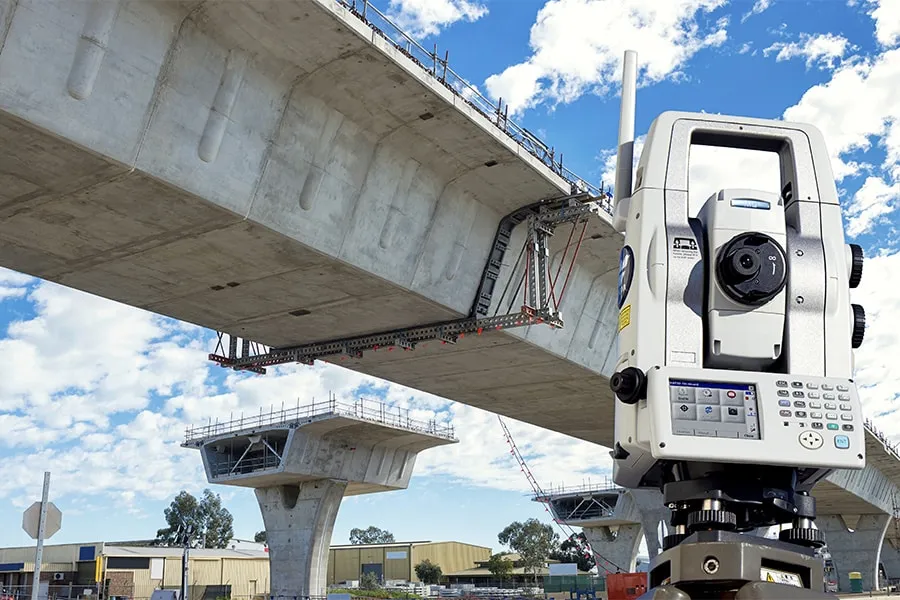
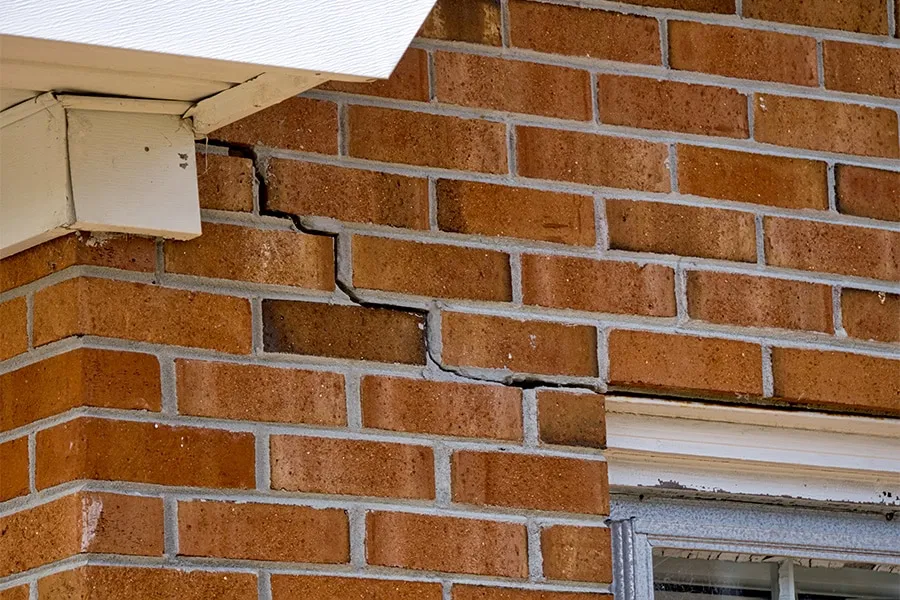
As a contractor, you are obliged to prevent damage to the surrounding area as far as possible when carrying out a construction project. Activities such as excavation, piling, vibrating sheet piles into the ground and dewatering can destabilise the soil, potentially causing nearby structures to subside, for example. It is therefore important for all parties to identify these risks and, above all, minimise them. This can be done by carrying out a building survey of the risk area before a construction project begins and monitoring it during the works.

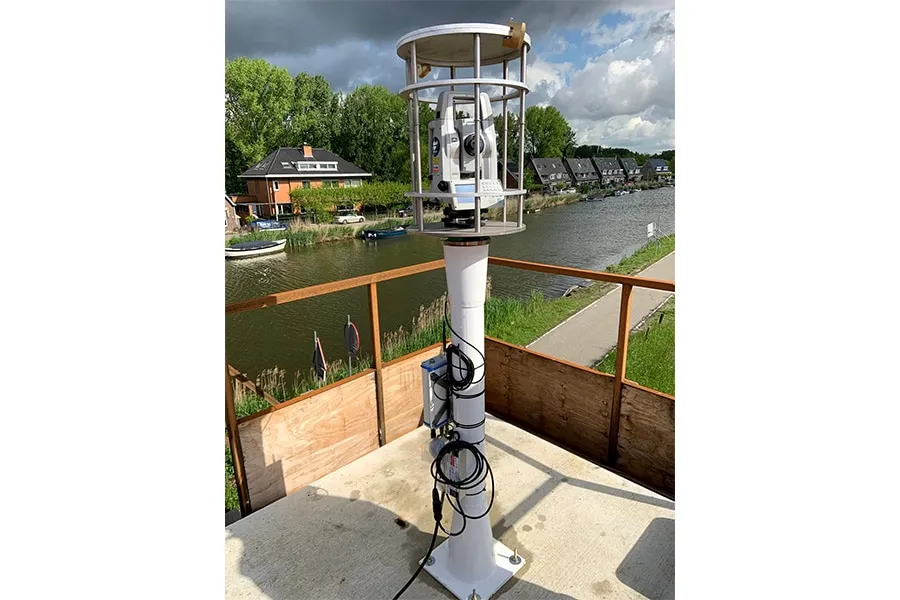
The building survey establishes the precise condition of every nearby structure in advance. It also gives the contractor information about the risks posed by the construction work and the likelihood of damage. During the works, the contractor monitors both the construction pit and site, as well as nearby structures. They measure whether all structures remain at the same distance from one another and from their surroundings. If any changes are detected, the contractor can take action. “Building surveys and monitoring are important for many reasons,” says Barry Engelen, Geodesy Adviser at Topcon Positioning Netherlands.
Six reasons to carry out building surveys and monitoring
1. The survey provides the legal basis for starting the project;
2. The survey clarifies structural risks in the construction environment;
3. Surveys and monitoring can prevent reputational damage;
4. Surveys and monitoring can prevent failure costs in terms of time and money;
5. You can make an insurance claim if damage does occur;
6. You will be well prepared for the Quality Assurance for Construction Act (Wkb).
The need is clear, but how should you go about it? How do you incorporate surveys and monitoring into your work processes? We look at how contractor Heijmans does it.
Part of the work process
“Fortunately, the risk of major structural damage is relatively low on most projects. For major construction projects where the impact on the surrounding area is so great that structural problems could arise, building surveys and monitoring are a standard part of our work process,” says Robin Dullens, project manager at Heijmans. “First, a survey expert carries out a building survey of the risk area. A monitoring plan is then drawn up based on the design. It specifies what needs to be monitored, how and how often. It also sets out the control measures and the threshold values that must not be exceeded.” Dullens explains that the monitoring equipment is then installed and measurement data sent to the relevant parties. “If the alert threshold is reached, for example, the project manager is notified that changes have occurred and the method of working can be adjusted. If the intervention threshold is reached, work must stop immediately. Naturally, we do everything we can to prevent that. We want to build with a risk-based and controlled approach, safeguarding the structural safety of both the structure being built and the surrounding structures.”
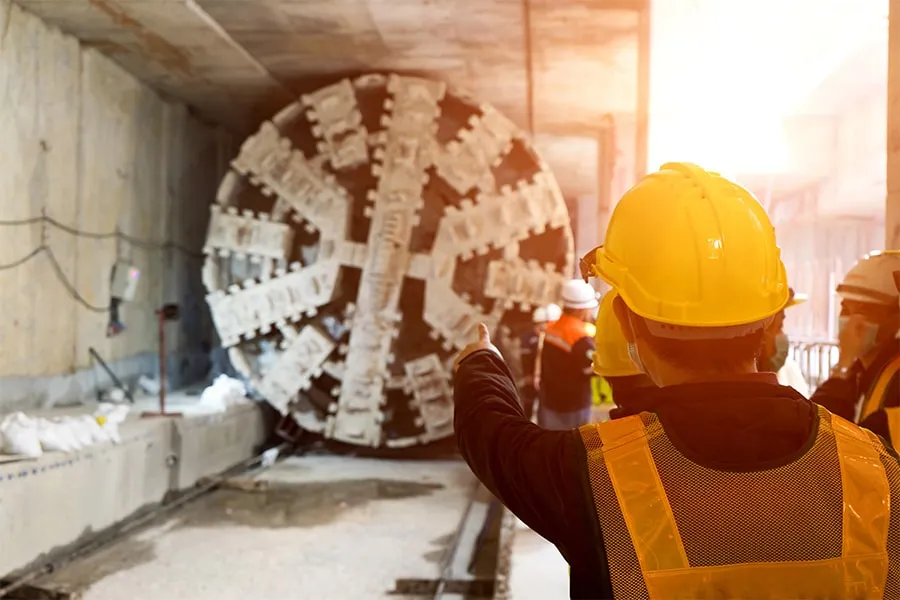
Grand Paris Metro
Effective monitoring is also in place in Paris for the Grand Paris project, a major metro project that will double the size of the network. As much as 20 tunnel boring machines will be at work on the construction of 200 kilometres of new metro lines around Paris. Safety is vital on a project of this scale beneath a busy city. Cementys uses Topcon monitoring equipment to keep an eye on nearby structures, including stations and tunnels, as well as adjacent roads, masts and antennas. This detection technology picks up even the slightest movement, allowing intervention where necessary. Every measurement must therefore be accurate: the success of a project like this depends on it. Equipment accuracy is crucial, and must be guaranteed to within half a millimetre in all weather conditions. In Paris, experts use Topcon’s specialist equipment to provide a safe foundation for this megaproject.
Topcon, in collaboration with Cobouw, has written a white paper on the importance of monitoring and how to incorporate surveys and monitoring of the risk area into project workflows. Want to receive it? See: https://bit.ly/467RLbn
Een zakelijke vraag aan Topcon Positioning Netherlands? Get in touch
Companies in this story

Keep following this
Get an email when a new story is published. No account needed.
- ThemeUnderground construction
- SubjectSpecials
- CompanyTopcon Positioning Netherlands







