









Rehabilitation and maintenance of movable bridges
Text Roel van Gils Images DMB Elektrotechniek
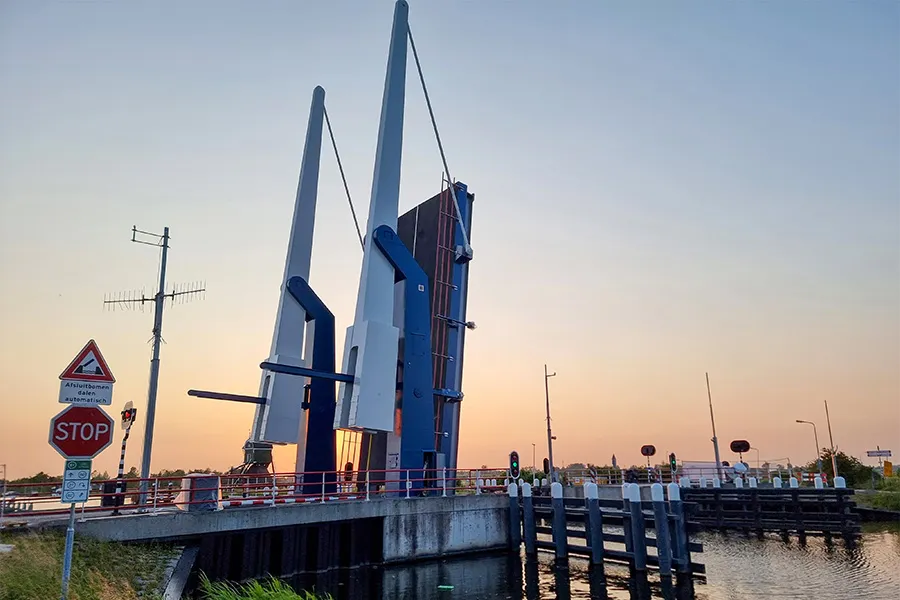
Realistic assessment of bridge drive systems
In terms of rehabilitation, movable bridges are more complex than fixed structures. This is because their various components (civil structure, drive system and installation) have different design lives. Replacement is costly, so wherever possible, we aim to extend the life of existing assets. From a structural safety perspective, simply assessing drive systems against current standards often means they fail to comply, bringing replacement into view. Antea Group advocates a more realistic way of assessing drive mechanisms. For example, minor changes to the drive train can mean that drive systems can be retained while remaining structurally safe. The engineering and consultancy firm has the experts to do this in-house and can even draw on scientific research.
Assessing the structural safety of movable bridges involves several factors. “On the one hand, you have a static structure, but there is also a dynamic component that needs to be assessed,” says Jan Roeleveld, project manager at Antea Group. “The current standards take a theoretical approach to fatigue, which means that, to put it bluntly, they often calculate that the drive system has failed, even though no deterioration can yet be observed in practice. This kind of assessment feels counterintuitive. That was also why Kodo Sektani, one of our valued engineers, began conducting scientific research into the subject. His research will make it possible to assess existing drive systems in a more practical and realistic way, demonstrating that keeping them in service can be a safe option.”
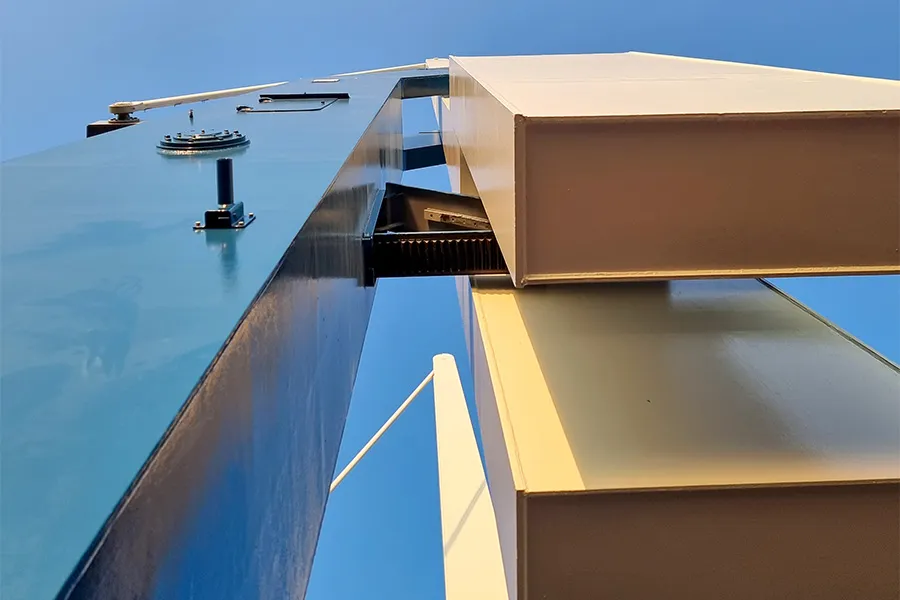
Machinery Directive
Because of their moving components, movable bridges are now also covered by the Machinery Directive, even though they were not designed to meet its requirements decades ago. “The Machinery Directive was originally developed for industry and sets out safety criteria for machinery in enclosed manufacturing plants,” says Sander Jussen, project engineer at Antea Group. “With movable bridges, we are dealing with ‘machines’ in a dynamic environment, where cyclists, pedestrians and cars cross the bridge and ships pass underneath. This means that interpreting the Machinery Directive requires a tailored approach in every case. We specialise in identifying risks and then implementing measures pragmatically and cost-effectively to ensure the safety of the asset.”
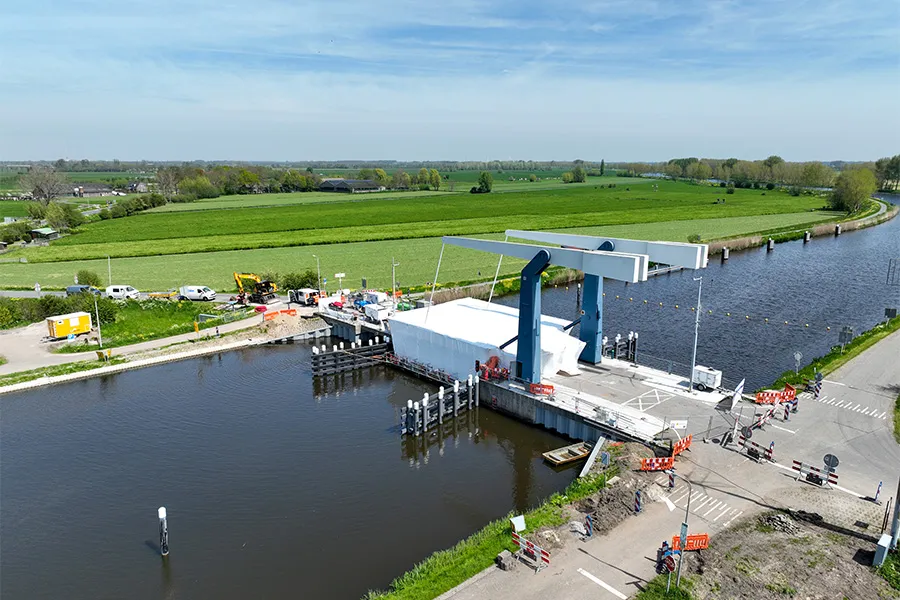
CE marking
New movable bridges are designed and built with CE certification, says Jan. “The contractor building the bridge is the manufacturer. But that is more difficult with an existing bridge built 50 years ago. Responsibility for safe operation and assessing it lies with the asset manager. Antea Group’s strength is that we have all the necessary disciplines in-house. Not just inspectors, but also civil engineers, mechanical engineers, CE advisers and electrical engineers: in short, people with expertise in dynamic structures. We know what we are talking about. This enables us to bring existing movable bridges into line with current engineering practice and ensure they are CE marked.”
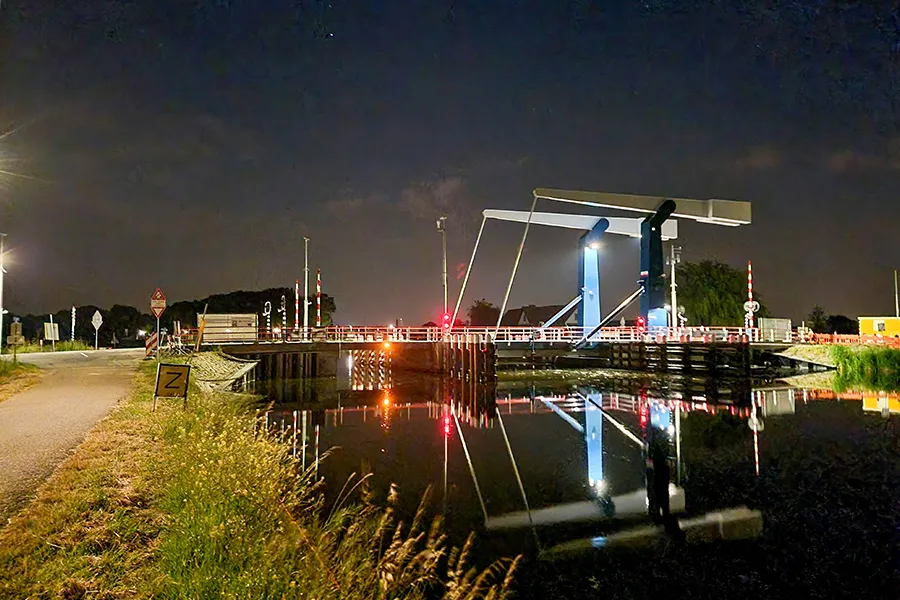
Periodic maintenance of seven Merwedekanaal bridges
A current example of this approach is the periodic maintenance of seven movable bridges along the Merwedekanaal, for which Antea Group was engaged by the province of South Holland as part of a construction team. “Six are electrically driven and one is hydraulically driven. One is a historic swing bridge dating from the 19th century; the other structures were built in the 1960s and 1970s. The aim is to upgrade them so that they are CE marked and require no maintenance for the next fifteen years,” explains Sander. “Each bridge is unique and is fully refurbished in six weeks. Depending on the circumstances, the motor output is increased, the electrical installation renewed and the braking system upgraded to meet the higher safety standard.”
“We are also bringing all the Merwedekanaal bridges into line with current standards. By assessing the drive systems intelligently, we can retain them while ensuring structural safety. Gearboxes and drive trains generally account for a large share of the costs. If they do not need to be replaced, this saves a considerable amount of public money. It is also a much more sustainable choice,” Sander rightly points out.
Interested in this topic? Be sure to listen to our podcast series, ‘The world of movable bridges’.
Question about this story? Ask your question
Keep following this
Get an email when a new story is published. No account needed.
- ThemeExtending the life of roads and civil engineering structures
- SubjectSpecials







