Platform on civil engineering, underground infrastructure, energy, construction equipment & construction machinery
Simplicity as the key to robust traffic systems
With the acquisition of the VEVA and CADO systems from SPIE, VEVACADO faces a clear technical challenge: making systems that have seen little further development over the years future-proof for an infrastructure that places ever-increasing demands on safety, availability, and cybersecurity. In conversation with technical manager Jasper Bethlehem and owner Martin Nanninga, it becomes clear that this challenge is less about more technology and more about making better technological choices.
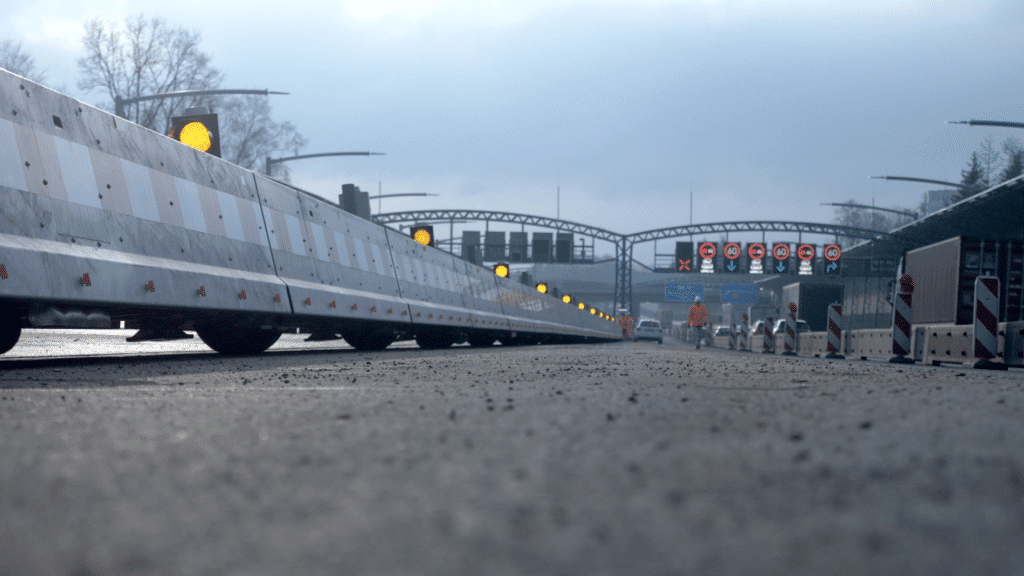
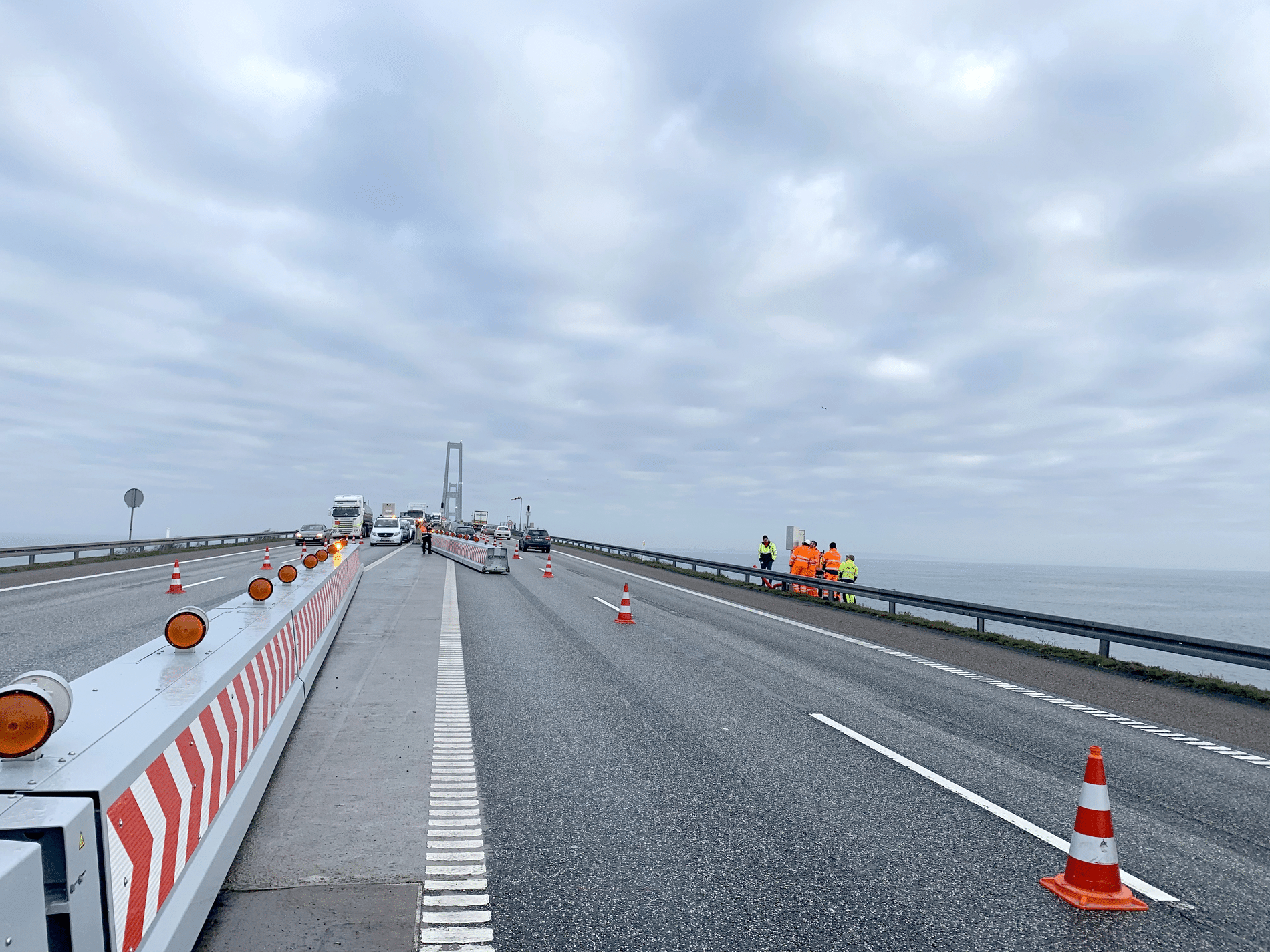
On paper, the systems VEVACADO works with are relatively simple: barrier-like installations that close off lanes or divert traffic. In practice, however, they are crucial components of traffic management systems, such as in reversible lanes or tunnel applications. “The impact of a malfunction is immediate and significant,” says Nanninga. “If such a system fails, traffic comes to a standstill or unsafe situations arise.”
That is precisely why the balance between security and availability is a recurring theme in ongoing development. Nanninga illustrates this with a past project in which security systems had been implemented to such an extent that a single faulty light bulb was enough to shut down an entire installation. “On paper, that makes sense. In practice, it doesn’t work. Then you have to rethink how to ensure safety without making your system vulnerable.”
That lesson forms the foundation of VEVACADO’s technical approach. Bethlehem: “You have to avoid over-engineering your systems. The more components you add, the greater the chance that something will fail somewhere. Ultimately, you want a machine that is robust and remains maintainable.”
Bethlehem’s design philosophy is clear: keep it simple. While traditional systems rely on a combination of sensors and fixed reference points in the road surface, VEVACADO seeks smarter, yet less complex, solutions.
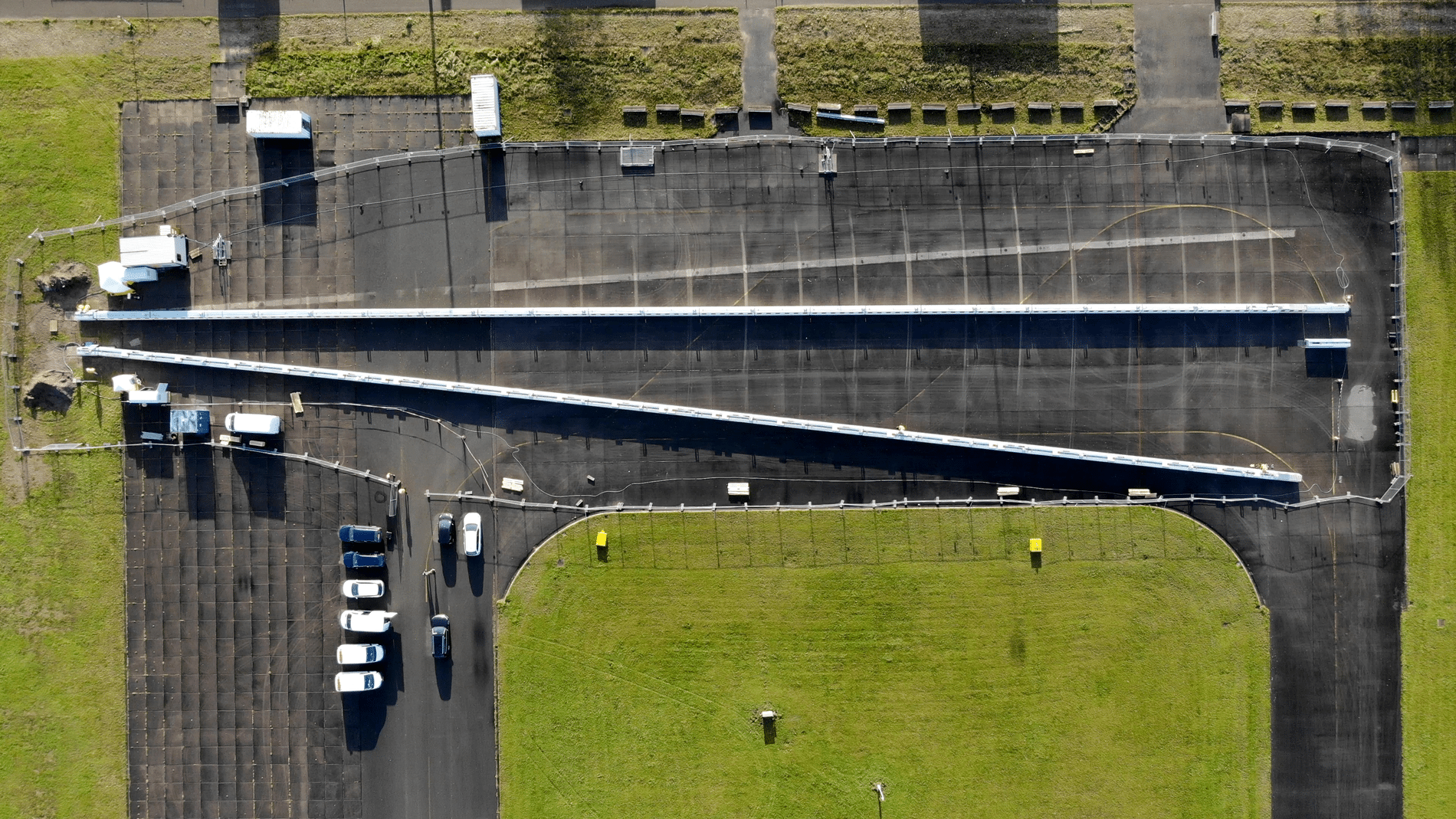
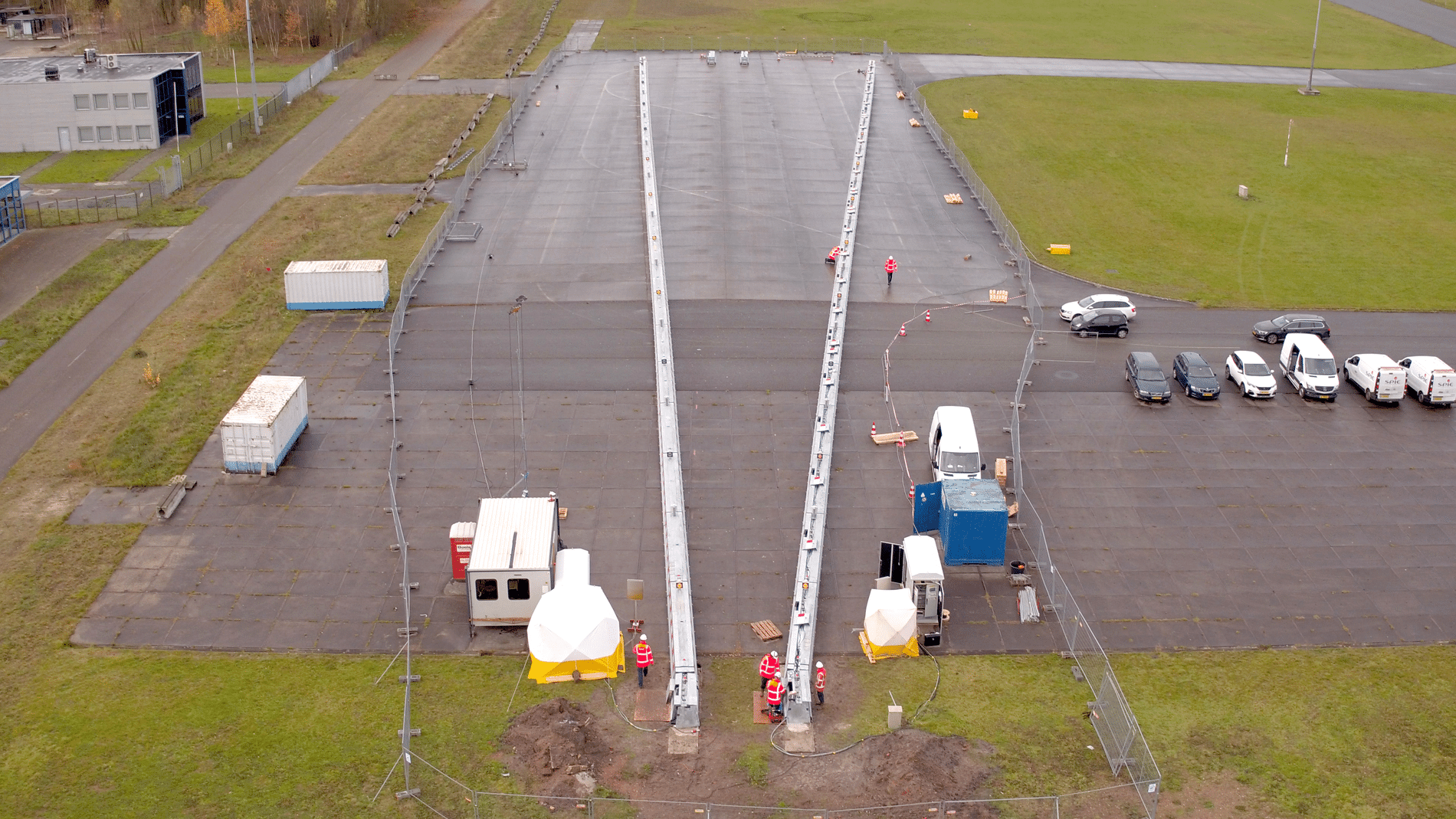
A concrete example of this is the Multipoint Positioning System (MPS), which is currently being developed for the VEVA facilities. In existing systems, the position of a moving arm is determined using sensors embedded in the road surface. After an emergency stop or power outage, the system often needs to return to a zero position before it is operational again.
“That takes time, especially with large installations,” explains Nanninga. “With a 150-meter VEVA arm, you’re looking at ten to fifteen minutes of movement time, not counting the preparation.”
The MPS takes a fundamentally different approach. Instead of a single reference point, the system uses multiple encoder positions within the machine itself. By continuously comparing and analyzing these positions, the system knows exactly where it is at all times.
Bethlehem: “We use multiple encoders and analyze their relative angles and positions. This allows us not only to determine the position, but also to detect deviations. If a wheel slips or falls behind, you can see it immediately in the data and take corrective action.”
The main advantage lies in its reliability. After an emergency stop or power outage, the system can resume operation immediately without needing to be reinitialized first. This reduces downtime and makes the system more effective in dynamic traffic situations.
In addition to safety, availability is one of the most important design criteria. Some projects even require 100 percent availability. “That’s not theoretically feasible,” says Nanninga. “But you have to aim for it.”.
”That means you need to think about how to prevent malfunctions right from the design stage, and how to deal with them if they do occur.”
This approach requires making choices. Not every safety mechanism needs to automatically trigger a complete system shutdown. At the same time, safety must never be compromised. The result is a layered approach, in which critical functions are given priority, but less critical components do not immediately shut down the entire system.
A relatively new aspect of this development is cybersecurity. New CE directives impose additional requirements on the digital security of systems. For infrastructure applications, where systems are often operated remotely, this is no minor matter. “If someone with malicious intent can compromise such a system, the impact can be enormous,” says Nanninga.
For new installations, this means that both hardware and software must be designed in such a way that updates and security measures remain possible throughout the system’s lifecycle. With existing installations, the situation is more complex. In those cases, it is necessary to assess which components are present at each location and how cybersecurity can be integrated without disrupting the system’s operation. Bethlehem: “In many cases, it is technically possible to add security measures, but it does have an impact on the overarching system. That requires coordination with the client.”
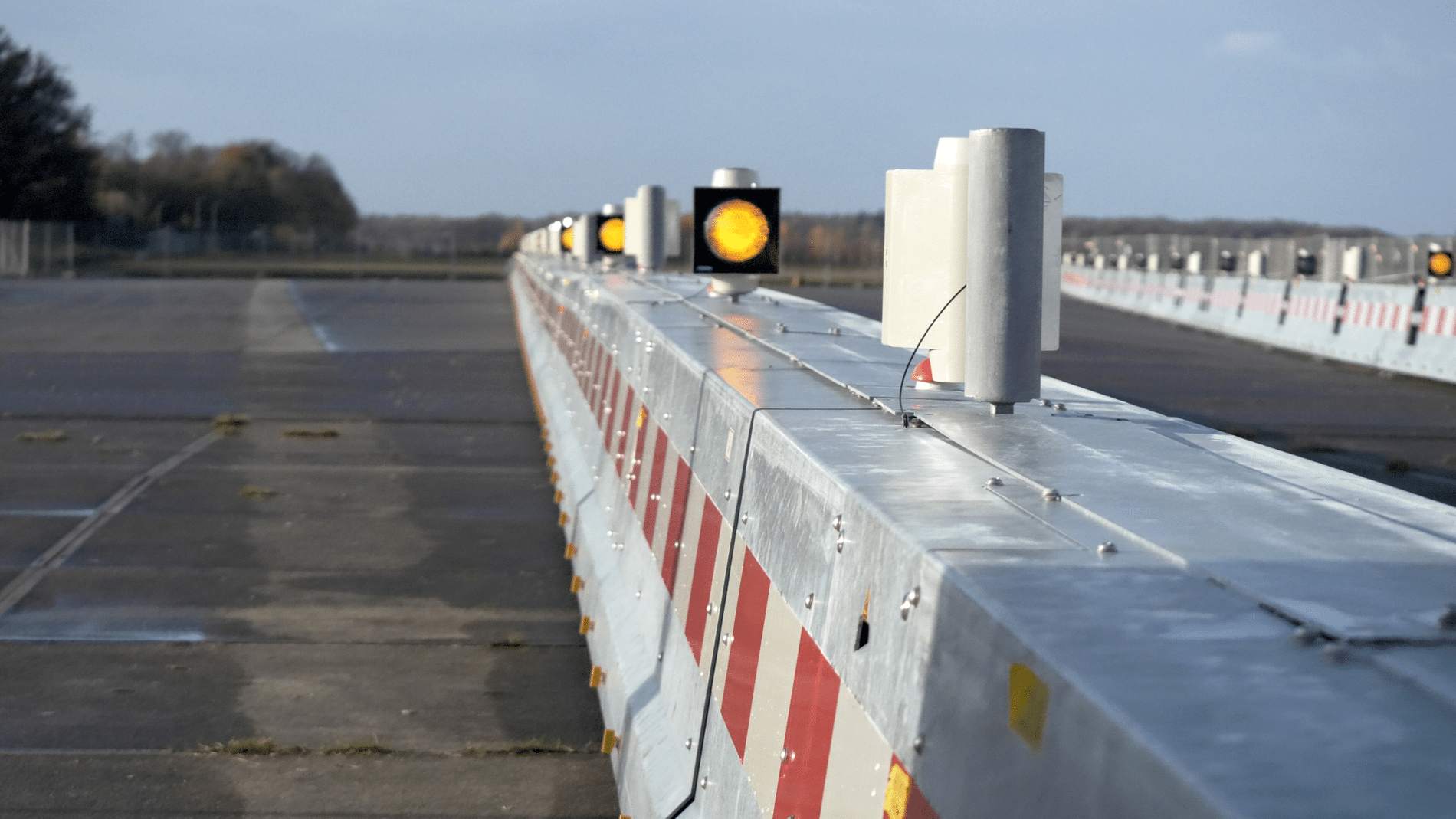
The VEVA and CADO systems rarely operate on their own. They are part of broader traffic management systems, often controlled from a central control room. VEVACADO provides the physical installations and control within the enclosed area, while integration with, for example, traffic lights and gantries takes place at the system level.
“You have to design the entire process,” says Nanninga. “From speed reduction and warnings to the actual closure and rerouting of lanes. Our systems are right at that critical point where traffic is physically directed.”
International applications, such as those in Singapore, demonstrate how such systems are used to optimize the capacity of existing infrastructure. By dynamically allocating lanes to the prevailing direction of traffic, traffic flow can be significantly improved without physically expanding the road.
VEVACADO’s projects are by no means limited to the Netherlands or Europe. The company operates globally, with installations in Germany, Asia, and Oceania, among other places. This international reach places high demands on the technical implementation—not only due to differences in regulations and standards, but also because of varying views on security, availability, and remote management.
While countries such as Australia and New Zealand are moving relatively quickly toward digital control and remote management, in Germany, for example, there is greater reluctance, and the emphasis is more strongly on physical security and control. This calls for systems that are flexible in configuration, yet robust enough to function reliably in various contexts.
Practical constraints also play a role. In some projects, installing physical infrastructure—such as fiber-optic connections—is complex and costly. This necessitates smart choices in communication and system architecture, without compromising on security and availability. It is precisely in this tension between technology, environment, and usage that international practice demonstrates the added value of a well-thought-out design.
VEVACADO’s technical development demonstrates that innovation in the infrastructure sector does not necessarily mean that systems become more complex. On the contrary: it is precisely by reducing complexity and organizing functions more intelligently that a higher degree of reliability is achieved.
Bethlehem sums it up: “What we do may seem simple. But the challenge lies in eliminating what isn’t necessary, without compromising on safety and functionality.”
With this approach, VEVACADO aims to develop a new generation of traffic management systems that not only meet today’s requirements but are also capable of adapting to the technological and societal developments of tomorrow.
Neem dan rechtstreeks contact op met VEVACADO International BV.
 Contact opnemen
VEVACADO International BV has continued the sales and production of SPIE Nederland BV regarding the VEVA® and the CADO® as of April 1, 2025. VEVACADO International has thus become the owner of the VEVA®️ and the CADO®️. From now on, we will independently take care of sales, design of specific conditions up to and including installation on [...].
Bekijk Bedrijfsprofiel