









Pump installations from concept to maintenance
Text Tony VosImage REMONDIS
Peter Stam works as a project adviser at REMONDIS Smart Infra Westland in Wateringen. With eight branches, REMONDIS is a nationwide installation company specialising in quantitative water and infrastructure management. Most of its clients are contractors and public authorities, from municipalities and water boards to provinces and Rijkswaterstaat.
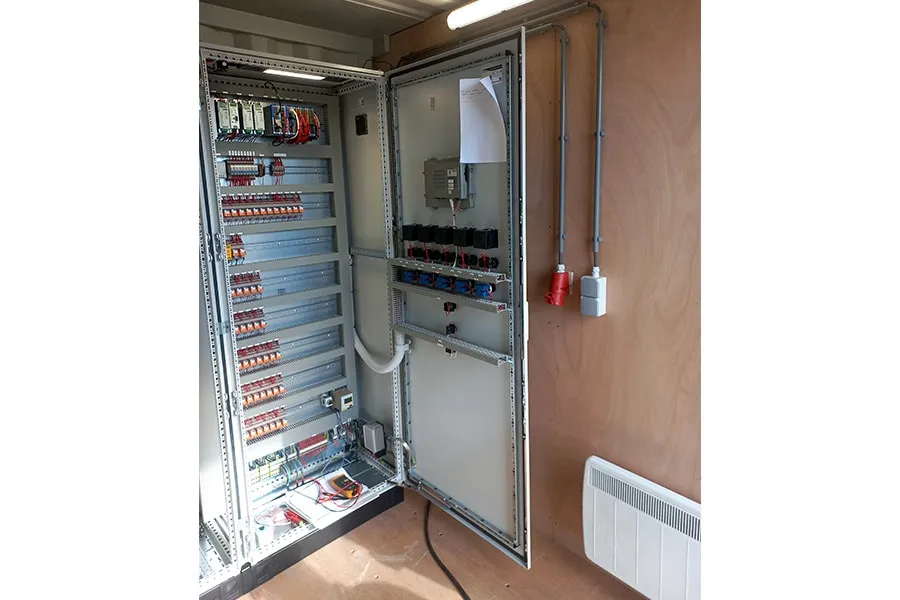
Stam: “Alongside its waste and recycling business, REMONDIS Nederland has a Smart Infra division, where I work. For convenience, we call it the ‘pumping division’. This includes sewer pumping stations, complete with pumps and control systems, and the automation of polder pumping stations and weirs. We also install pumping systems where motorways run below ground level, including at viaducts, aqueducts and in tunnels, to pump away rainwater that flows in.”
REMONDIS Smart Infra designs, supplies and installs complete pumping systems, from small to large. After installation, it also provides maintenance, servicing, inspection and refurbishment.
Pumping systems
Stam: “On the Rijkswaterstaat A9 Badhoevedorp-Holendrecht project, VeenIX is our client. We came into contact with them because of our knowledge and experience of pumping systems and the associated control systems for tunnels. A construction consortium can find everything it needs under one roof at our company. From the very start, we support our clients with advice and engineering. The contractor then pours the concrete structure, including the pump sump, following our advice and with our assistance. We then supply and install the pumping system.”
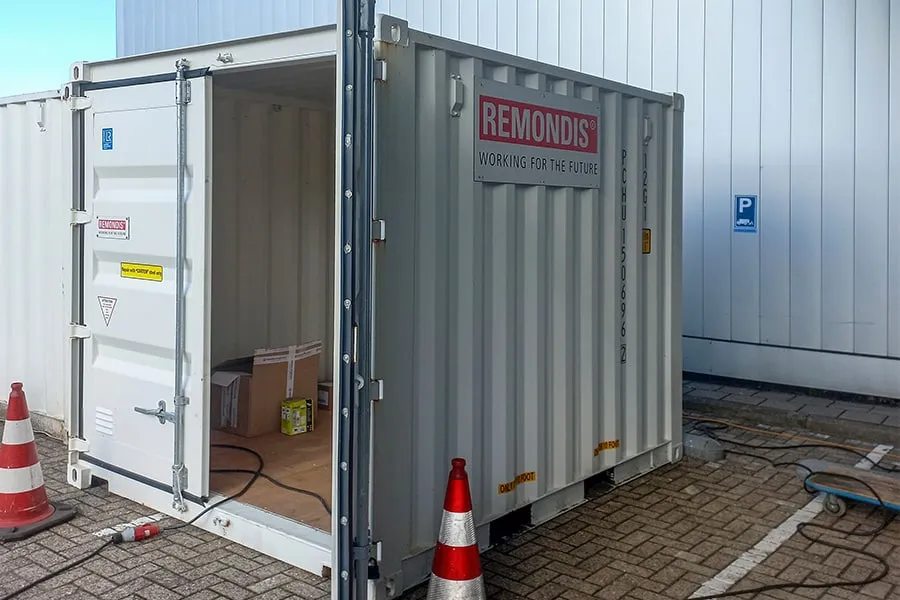
REMONDIS Smart Infra has been engaged at three locations on the A9 project. The first project has been completed: the installation of a Temporary Pumping Station. Stam: “There was an existing pumping station with five pumps directly behind the noise barrier along the old A9. A little further on, we built a Temporary Pumping Station to replace it. This was initially expected to be in place for three to four years, but it will ultimately be longer.”
REMONDIS Smart Infra clearly distinguishes between dirty (sewage) and clean (rain) water. The second project is the Keizer Karelweg sewer pumping station, with three dry-installed pumps. It will ultimately be handed over to the municipality of Amstelveen. Stam:
“Its rising mains run across the roof of the land tunnel. The wastewater is conveyed to the wastewater treatment plant. The municipality of Amstelveen has been directly involved since the project began, with its own programme of requirements (PVE).”
A transparent process
The third project is the permanent pumping station that will replace the Temporary Pumping Station. 3D engineering is being used extensively during its development. Stam: “This benefits not only REMONDIS, it also makes the entire process more transparent for the client. That is useful during the engineering phase, when deciding on the position of pumps and pipework, for example, and the locations of cable trays. We also see this benefit during construction. We have been actively using 3D engineering on our projects for years.”
Stam says one of REMONDIS Smart Infra’s strengths is that clients can rely on a single company from concept through installation and for long-term maintenance. The sites are monitored using a telemetry system. Based on the alerts received, the team can intervene remotely or decide to visit the site. Each project has its own project manager, who is the client’s main point of contact.
Question about this story? Ask your question
Keep following this
Get an email when a new story is published. No account needed.
- ThemeViable projects and strong collaboration
- SubjectRoad construction







