









The next step towards climate-neutral and circular infrastructure
Text and images Ministerie van Infrastructuur en Waterstaat
A clearer direction that reflects industry practice
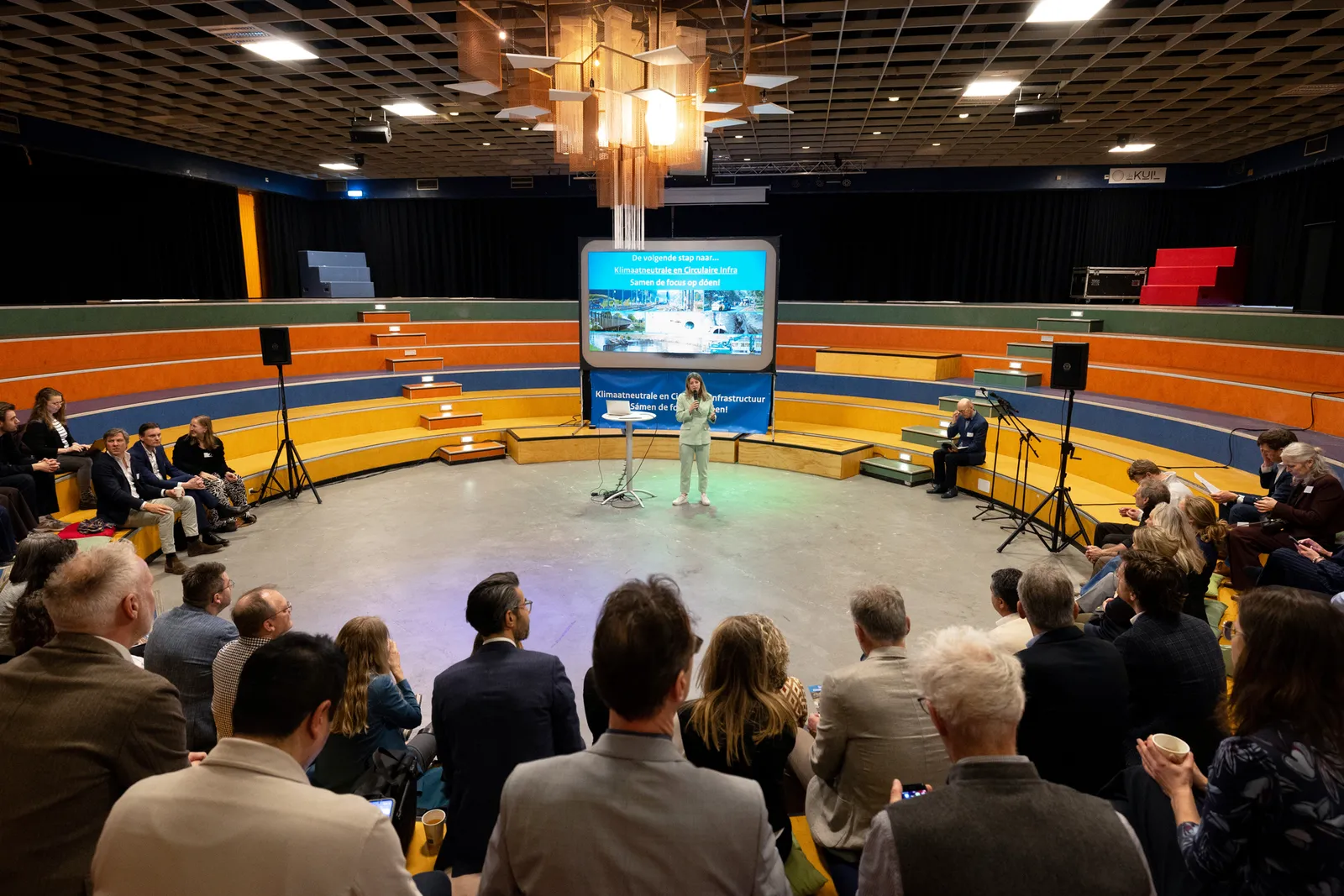
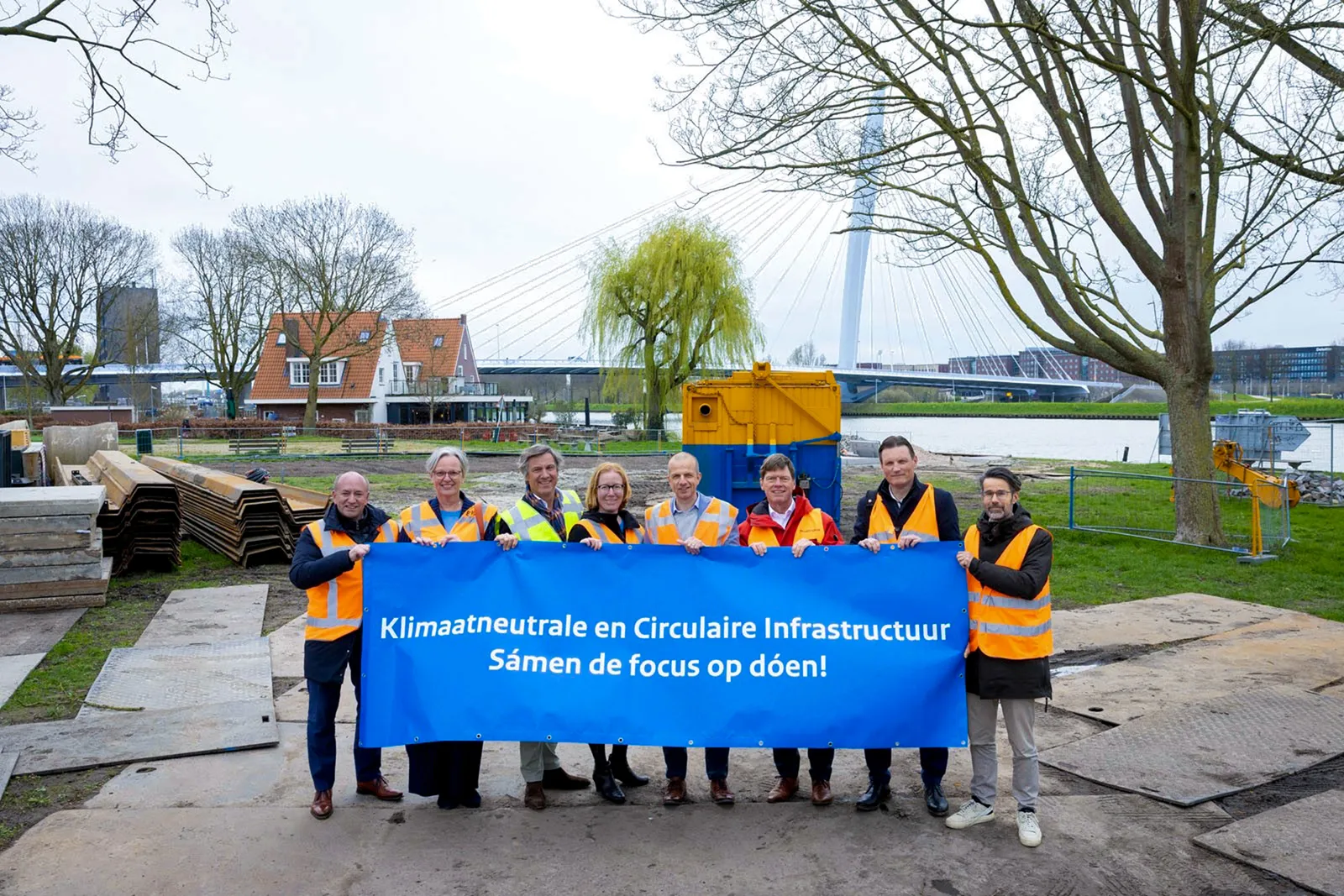
All public-sector clients are working hard to make the transition to climate-neutral and circular infrastructure. They have now taken the next step. On 27 March, the Steering Group of Public-Sector Clients for Sustainable Infrastructure (PODI) presented the updated Climate-Neutral and Circular Infrastructure (KCI) roadmaps and KCI cooperation agreements at a celebratory event at Krachtstation Kanaleneiland in Utrecht. “The energy all the parties bring to the table makes the difference.”
Cooperation is essential
Susanne Schilderman, Utrecht City Council’s alderwoman for the Circular Economy, kicks off the event. She says the city wants to reduce the CO2 impact of construction materials by focusing on reuse and climate-resilient innovation. “The way we manage our raw materials is no longer sustainable. Utrecht is growing rapidly, and by using materials more efficiently and investing in short, reliable supply chains, we will not only become more sustainable, but also less vulnerable to disruption, scarcity and geopolitical uncertainty. To make further progress towards a circular city with more reuse, close cooperation between government and market players is essential. That is why we felt it was important to actively contribute to the cooperation agreements and the Climate-Neutral and Circular Infrastructure roadmaps.”
Reflecting industry practice
The focus then turns to the roadmaps, which originated with the Climate Agreement. This states that, by 2030, central government and other public authorities should work as climate-neutrally and circularly as possible on projects in the civil engineering sector. To support this, central government, the Interprovinciaal Overleg (IPO) and the Unie van Waterschappen (UvW) drew up KCI cooperation agreements and five roadmaps in June 2023. The cooperation agreements have now been updated, and the roadmaps were also revised over the past year. “This brings everything more in line with the day-to-day realities of provinces, water authorities and municipalities,” says Marc de Rooy, senior policy adviser at the Ministry of Infrastructure and Water Management. A sixth roadmap has also been added: Sewerage. The roadmaps set a direction and identify which measures will have the greatest impact.
Paul Witmer was involved on behalf of Utrecht municipality in developing the Sewerage roadmap. “When putting it together, we focused above all on what circularity and sustainability mean for our waterways and pumping stations. We tried to make the roadmap as practical as possible. I think we succeeded.” To help people quickly find information that matters to their organisation, De Rooy recommends duurzame-infra.nl. “Every public authority has its own easy-to-use landing page here.
With measures that are relevant to you.” He also recommends the Doeboek Duurzame Infra, which brings together practical experience from fifty municipalities across the country and provides guidance on sustainable infrastructure, from tendering and construction to maintenance and replacement.
Familiar faces, new arrivals
According to Jasper Hoogland, representing IPO, and Marleen Nicolai, representing the Unie van Waterschappen, close cooperation between municipalities, provinces and water authorities is key to achieving results. Hoogland says: “I see a great deal of energy among all the parties involved to get to work on these challenges. Pooling their efforts and taking a joint approach offer significant added value and make the difference.”
Two new organisations have joined the partnership: Kennisplatform CROW and Koninklijke NLingenieurs. “This is right at the heart of our work,” says Titia Bredée, director of Koninklijke NLingenieurs. “We know what works in practice and what is needed in policy.” Pieter Litjens, CROW’s managing director, adds: “We are joining because this is our mission: through our expertise, we enable clients, contractors, construction companies and engineering consultancies to do their work better, more efficiently and more sustainably.”
A look behind the scenes
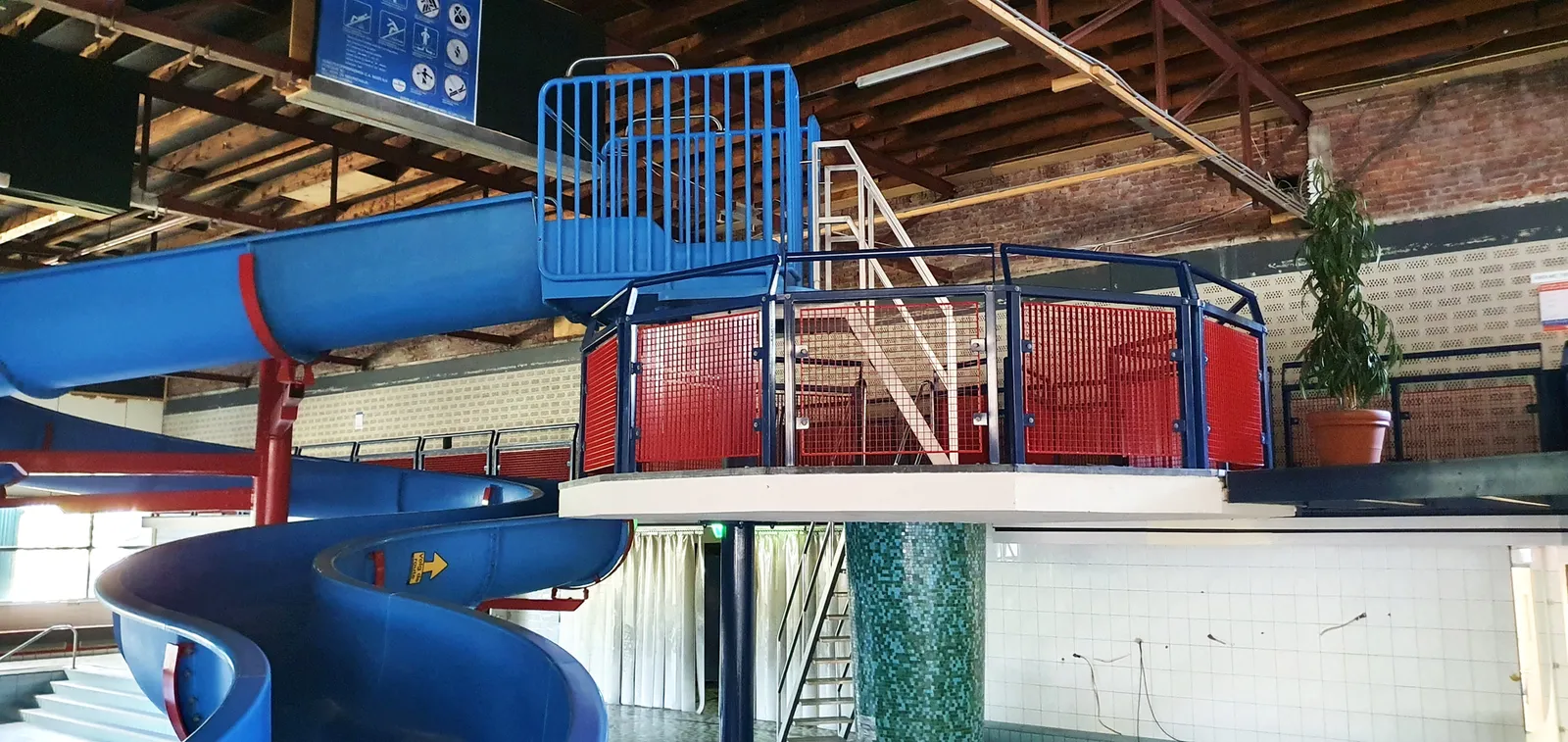
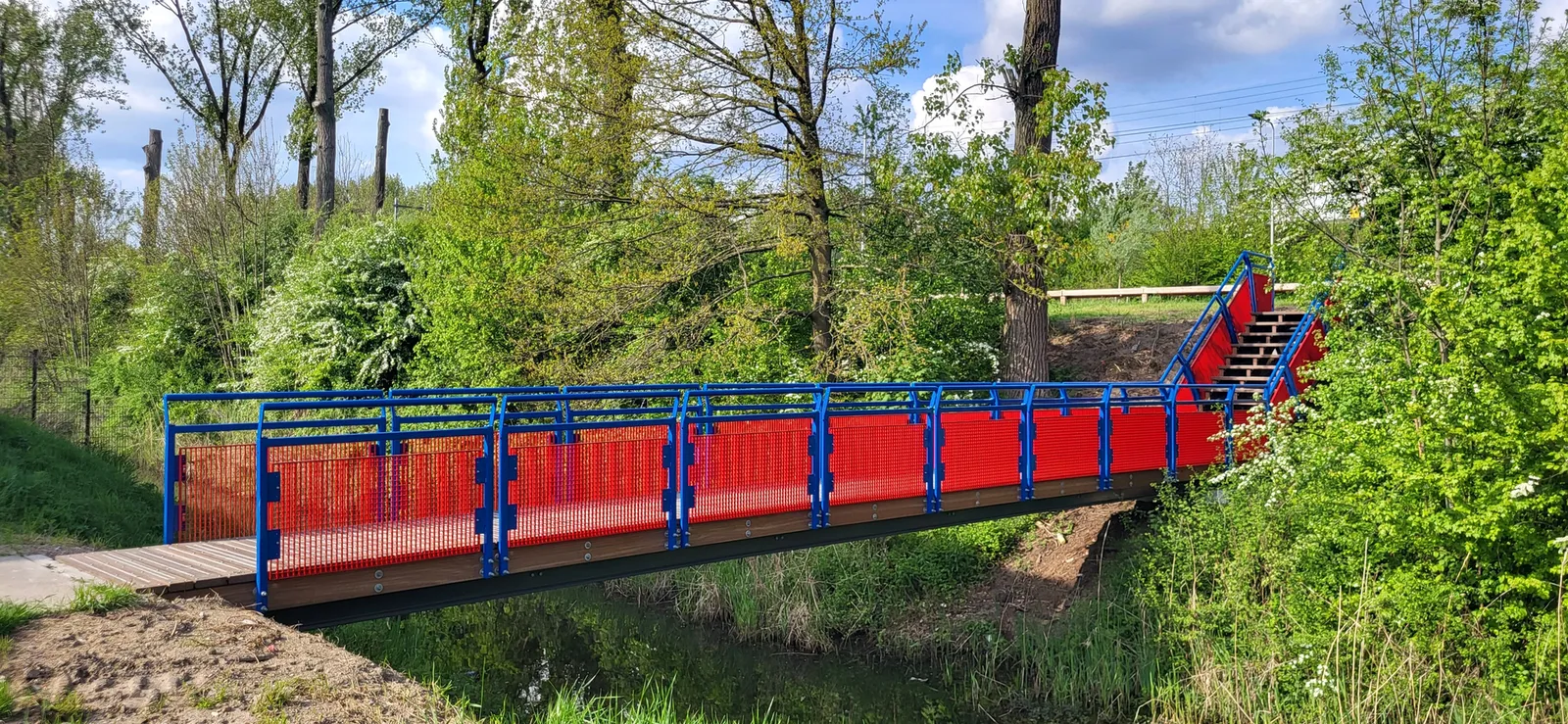
Two practical examples show what is already happening across the country. Jeroen van Gaalen, asset manager at Arnhem municipality, and Robbert de Metter of Meerdink Bruggen tell attendees all about the municipality’s circular cycle and pedestrian bridges. They have already gained extensive experience in reusing components. Their key advice: “Don’t be afraid, just start small,” says De Metter, who shows one of the reused bridges over a video call. “Once you have completed several smaller projects, you can take the next step and achieve greater impact.”
Next, it is the turn of the Hoogheemraadschap van Schieland en de Krimpenerwaard, also joining by video call. Standing beside the water somewhere in the polder are Gerben de Jong, project manager for dredging projects at the water authority, and Johan Schilder of dredging company J.P. Schilder. Behind them, an emission-free dredger is working to improve the health of the waterbed. Schilder says his company invests a great deal of time and money in emission-free dredging. “In return, we need clients to put emission-free work out to tender.” De Jong therefore urges water authorities and municipalities to allocate a budget for this. “That is needed to make investments like this possible in the market.”
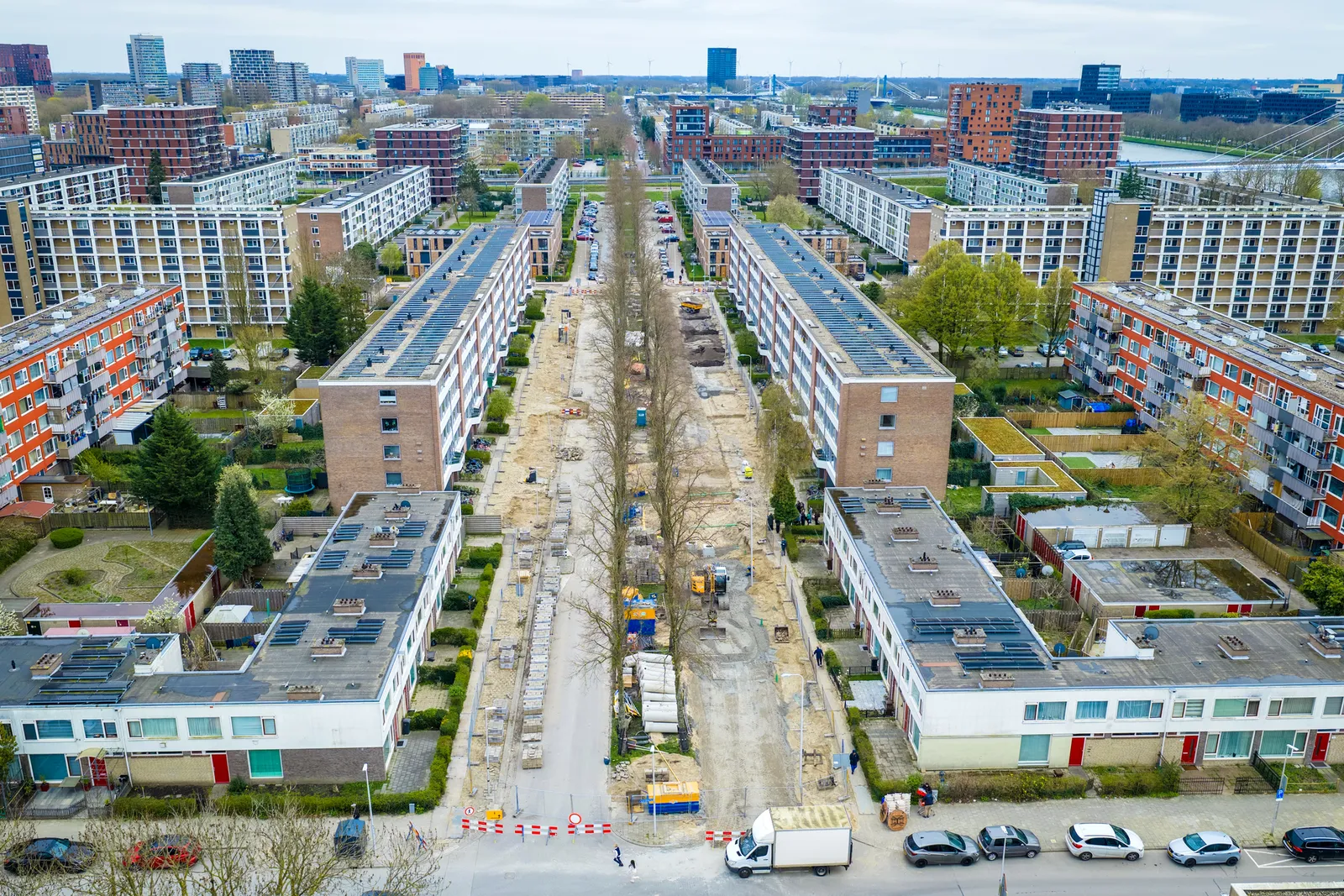
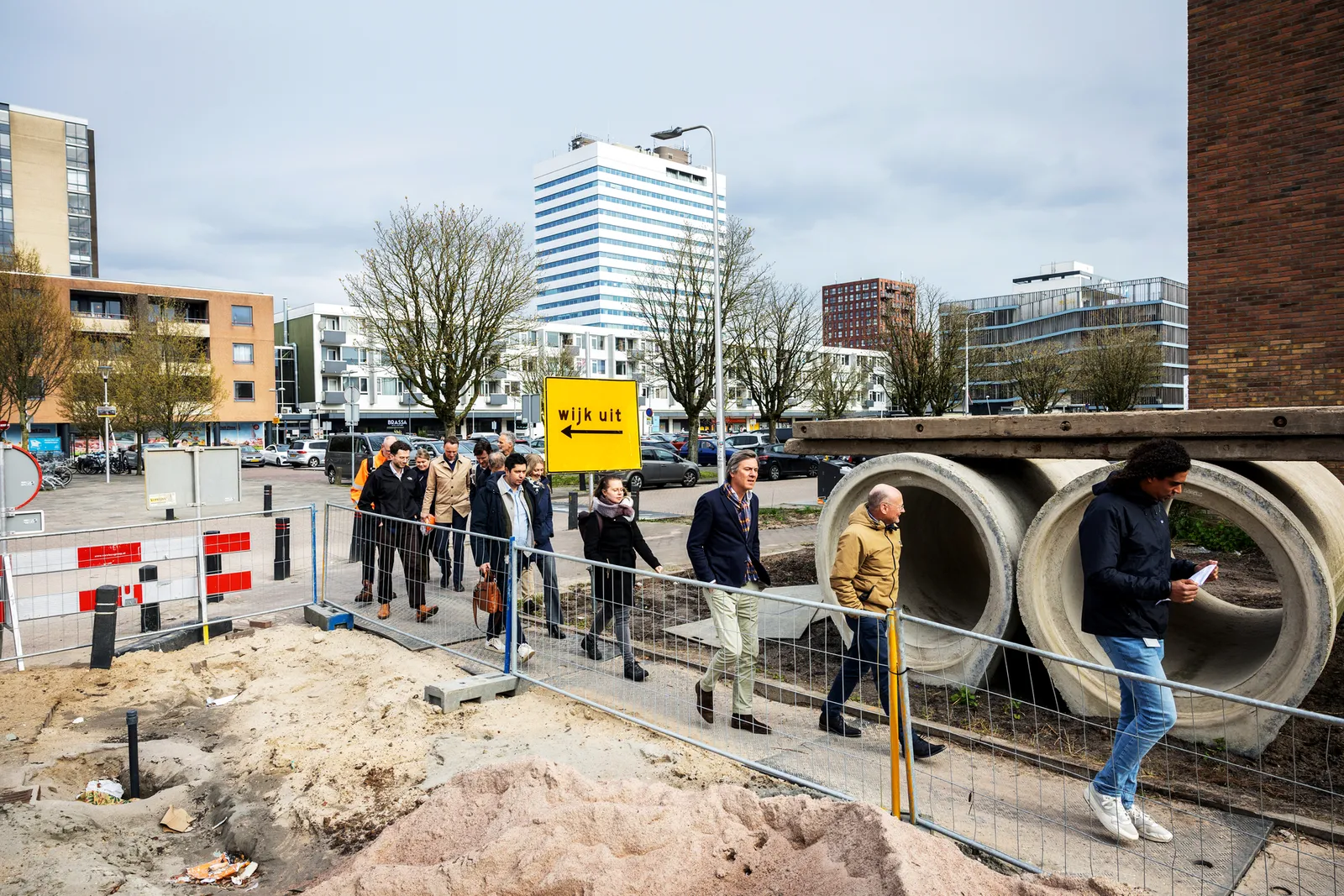
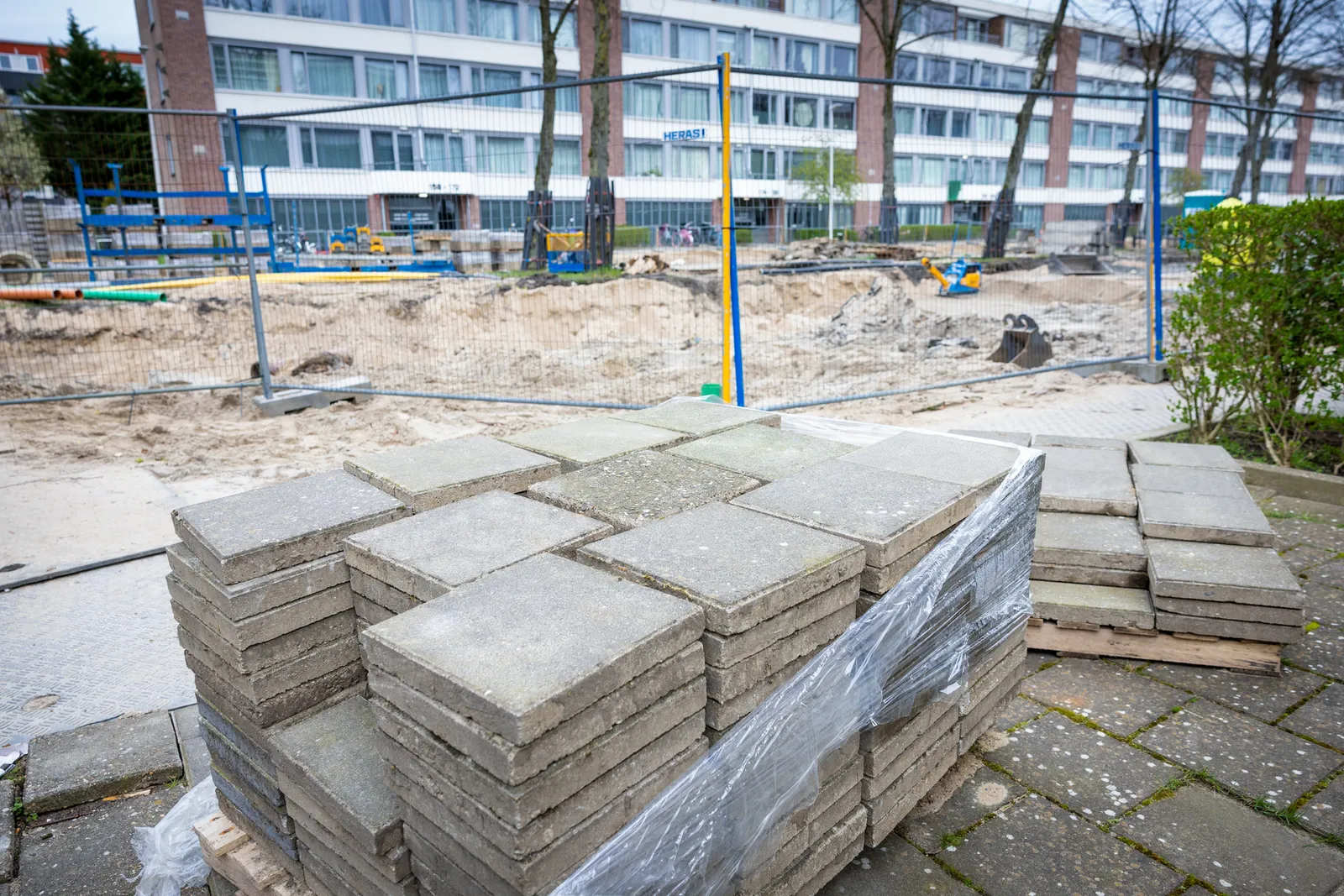
To round off the event, attendees head out into the neighbourhood. Accompanied by several project managers from Utrecht municipality, they visit Bernadottelaan, one of the areas in Kanaleneiland being redeveloped. The work is circular, sustainable and climate-adaptive. Various materials, including clay pavers and concrete sewer pipes, lie along the roadside. Sourced from the municipality’s own materials depot, they are ready for a new life in the neighbourhood. In Kanaleneiland, this brings the purpose of the updated KCI roadmaps to life: making sustainable infrastructure tangible in practice.
Question about this story? Ask your question
Keep following this
Get an email when a new story is published. No account needed.
- ThemeLower emissions and more reuse
- SubjectNews







