









Water quality in the Meuse
Text Roel van Gils Image Rijkswaterstaat
Tracking down pollutants
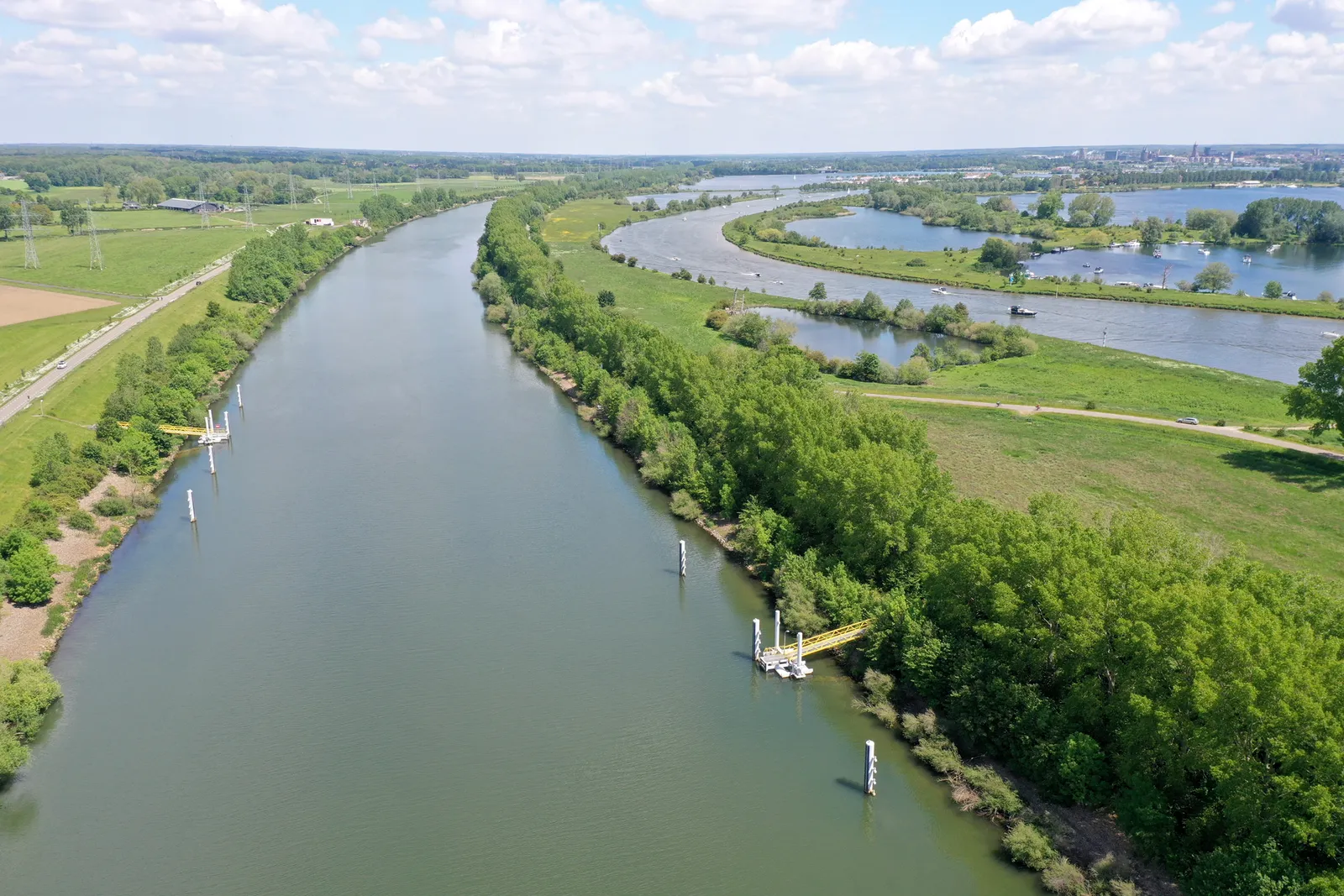
At around 1,000 kilometres long, from its source in France to the North Sea, the Meuse is one of the most important rivers in Western Europe. In the Netherlands and Belgium, the river is vital: an estimated seven million people depend on Meuse water for their drinking water. It is hardly surprising, then, that Rijkswaterstaat and the drinking water companies concerned keep a close eye on water quality. They thought they had it under control, but increasing numbers of substances that do not belong in the river are being detected.
Legal limits have been set for many chemicals in water. “If a concentration exceeds the limit, it can harm people and the environment,” says Roel Kwanten, coordinator for emerging substances and water quality at Rijkswaterstaat. “At the same time, our society produces hundreds of thousands of chemicals, most of which have no limit set. These are known as ‘emerging substances’: substances whose potential harm is unknown.” Past incidents have shown how vulnerable the Meuse is. In 2015, a discharge of pyrazole led to restrictions on drinking water production for several months. Other substances, including melamine, PFAS and, more recently, a fungicide, have also caused concern. Such events underline the importance of early detection.
Monitoring stations
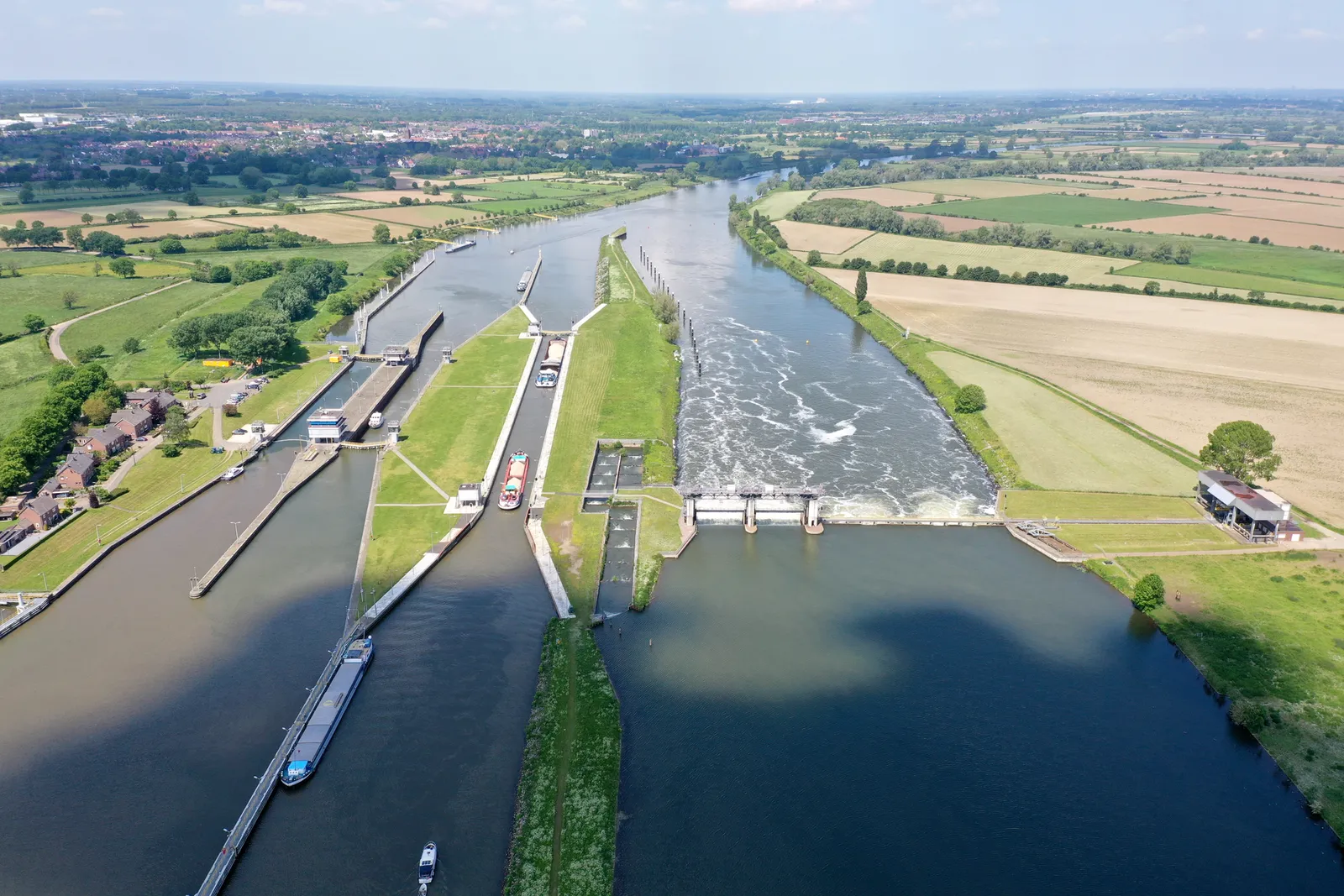
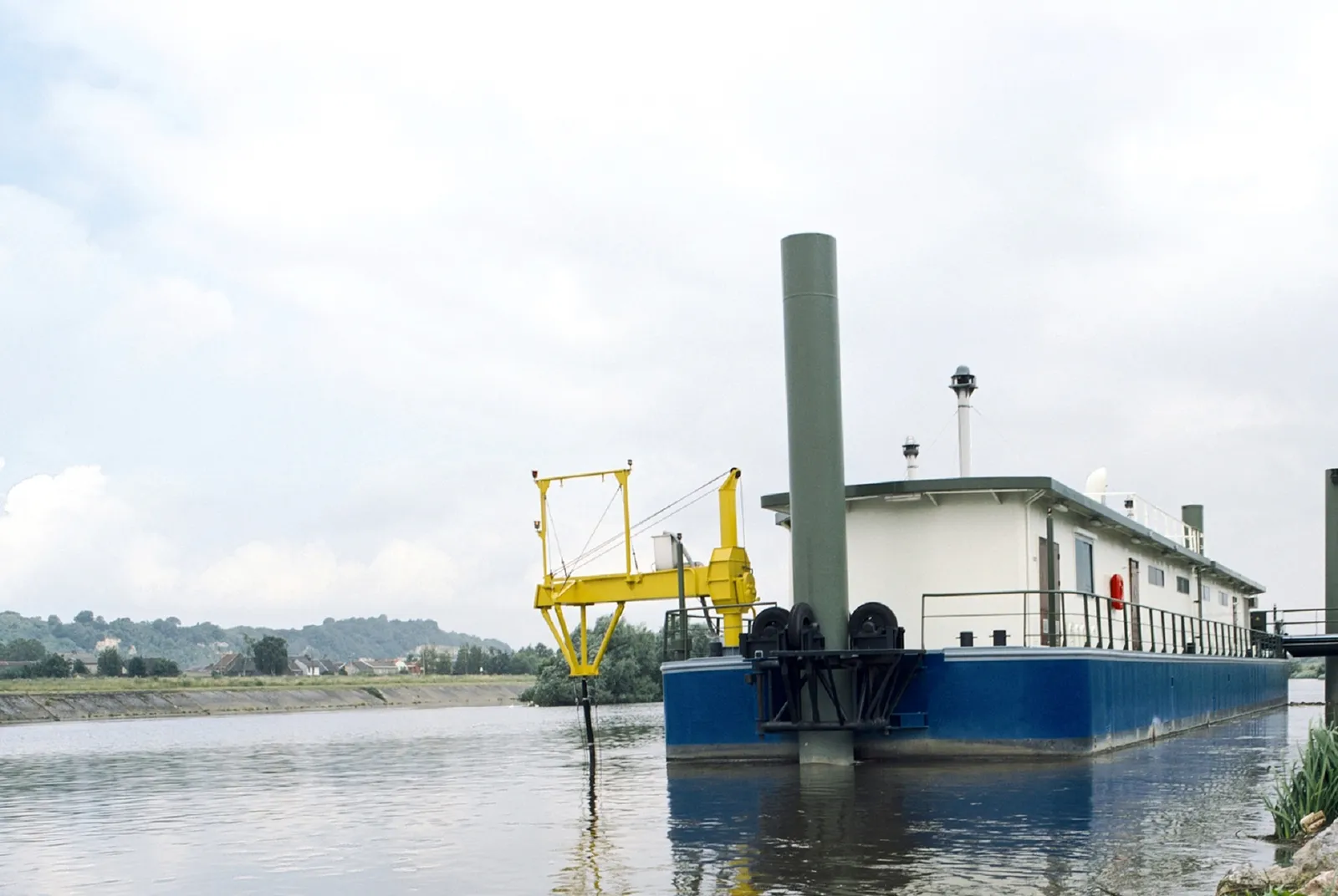
Rijkswaterstaat monitors water quality in two ways. Under the Monitoring Waterstaatkundige Toestand des lands (MWTL) programme, samples are taken monthly at fixed monitoring stations. They are analysed in a laboratory for around 2,000 substances. “Along the Meuse, key monitoring stations are located at Eijsden, Stevensweert, Belfeld and Keizersveer,” says Kwanten. “The results are publicly available at waterinfo.rws.nl. There is also real-time monitoring from the floating laboratory at Eijsden. If a threshold is exceeded, an alarm is triggered. Drinking water companies then decide for themselves whether to temporarily suspend abstraction from the Meuse, preventing contaminated water from entering the drinking water treatment process.” On average, around 30 alarm notifications are issued each year.
Pollution
The Meuse catchment comprises numerous tributaries that eventually flow into the river. “Pollutants can come from industry, agriculture, households or sources abroad,” Kwanten notes. “That is why we work with water boards and drinking water companies through the Schone Maaswaterketen. We also consult with Belgium, France and Germany, partly under the European Water Framework Directive.” Kwanten expects four categories of substances to pose a threat to water quality in the coming years: PFAS, microplastics, pharmaceutical residues and pesticides from agriculture. “PFAS are persistent, barely break down and can be harmful even at very low concentrations. At the same time, they are widespread in consumer products and industrial applications, including pizza boxes, non-stick coatings and even lipstick.”
The cocktail effect
Kwanten emphasises that Rijkswaterstaat is an executive agency operating under the responsibility of the ministry. This means it advises, monitors and enforces within the current policy framework. At the same time, there is public concern about whether that framework is strict enough, particularly for substances with potentially serious health risks such as PFAS. The RIVM has already indicated that people take in more PFAS through food and drinking water combined than the limit allows. There is also the so-called cocktail effect: the combined impact of several substances at once. Together with low river flows, which mean less dilution, this puts water quality under pressure. One thing is clear: without continuous monitoring, rapid alarm procedures and close cooperation between government bodies and drinking water companies, the Meuse would be a much more vulnerable source of drinking water.
Question about this story? Ask your question
Keep following this
Get an email when a new story is published. No account needed.
- SubjectWater infrastructure







