









Water filtration with Activated Filter Media (AFM®)
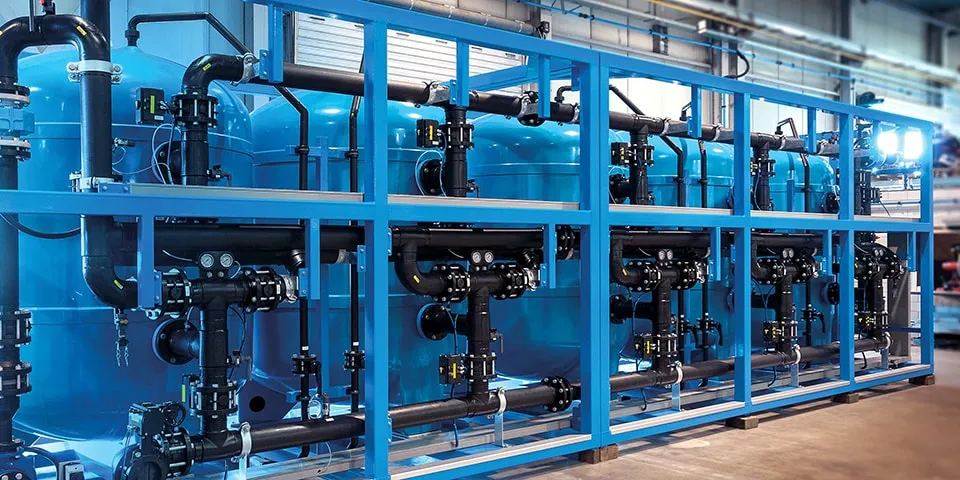
For decades, Pomaz has achieved excellent results in swimming pool water filtration with Dryden Aqua AFM®. However, this glass filter medium is suitable for many other forms of water filtration. AFM® manufacturer Dryden Aqua has an impressive track record around the world across a wide range of applications. By adjusting the electrostatic charge to suit each application, many more substances can be filtered out of water. A pilot project is even under way to filter microplastics and pharmaceutical substances from water.
“For many years, operators and managers of public swimming pools have been our ambassadors for water filtration with Dryden Aqua AFM®,” says Roy Peeters of Pomaz. “It has never been easier for them to safeguard water quality. The results are impressive: cleaner, healthier water, healthier air with less combined chlorine, all at much lower cost. What makes the filter unique is its active electrostatic charge, which can be tailored to the specific application. By adjusting this, AFM® can be transformed into a bespoke product for filtering all kinds of substances from water. This also makes it suitable for applications beyond swimming pool water filtration. We have already achieved excellent results at zoos, aquariums, breweries, large water features and fish farms. AFM® also offers major advantages as a pre-filtration stage for RO systems, preventing biofilm from forming on the membranes.”
100% sustainable
Dryden Aqua’s AFM® is made from 100% recycled glass, making it a sustainable alternative to sand filtration. “Its filtration performance is more than eight times that of a sand filter, and the glass filter medium lasts much longer,” Peeters explains. “Sand absorbs dirt, but it also creates an environment in which bacteria secrete a slimy substance: biofilm. This, in turn, provides the basis for biomass, the main cause of problems in a filtration system. By contrast, the electrostatic charge in AFM® prevents bacteria from developing. They cannot reach the surface of the glass granules. This rules out disruption to the filtration system. Depending on the application, we can adjust the electrostatic charge to filter the desired substances from the water. Thanks to our many years of experience with filtration processes and AFM®, we can develop a tailored solution for every application. We are now working with Dryden Aqua and a UV specialist on an application to filter microplastics and pharmaceutical substances from water. We will present the results in six months.”
More and more companies are turning to Pomaz to solve filtration problems or improve the performance of their filtration systems. “With AFM®, we can provide an accessible, relatively low-cost solution with high performance and a long service life,” Peeters concludes.
Question about this story? Ask your question
Keep following this
Get an email when a new story is published. No account needed.
- SubjectWater infrastructure







