









Water engineering sector: pivotal to climate adaptation
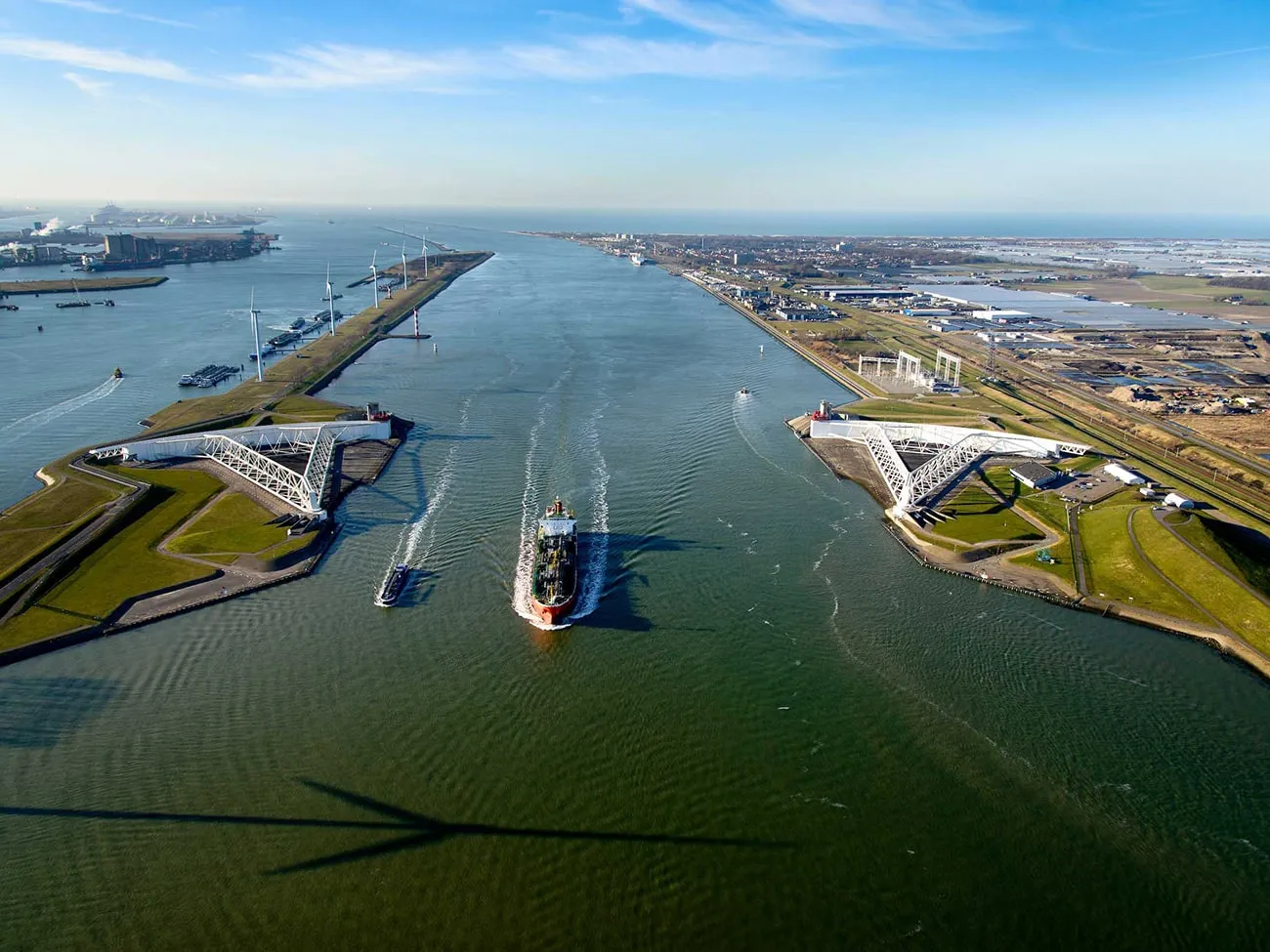
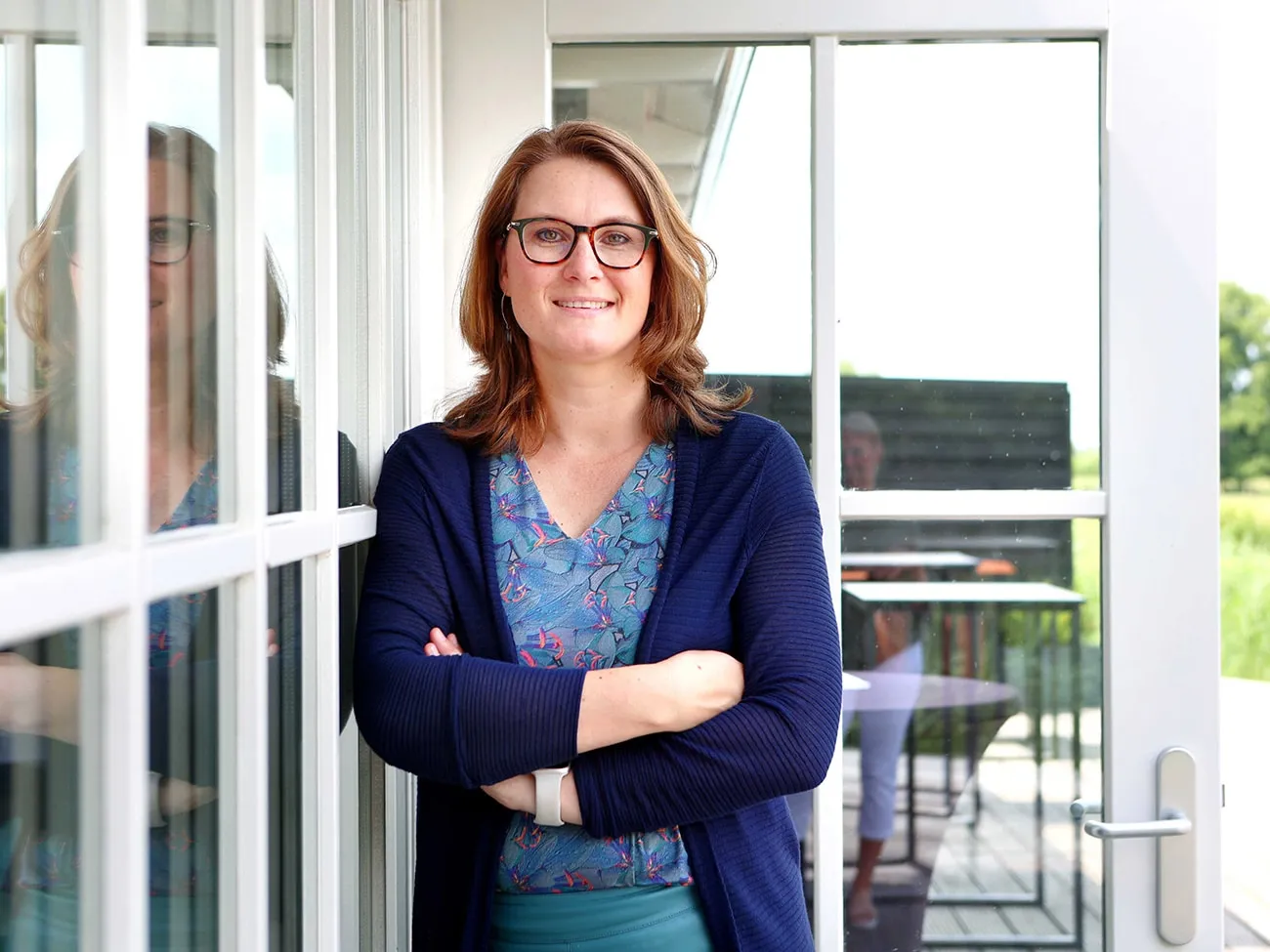
The climate is changing, sea levels are rising and the Dutch land is subsiding. Calls for practical climate adaptation measures are growing louder, and many existing water structures will need to be adapted. The water engineering sector has a crucial role to play. It is not only a worthwhile task, but also a rewarding and highly visible one. Andrea Vollebregt, director of the Vereniging van Waterbouwers, explains.
February marked the anniversary of the 1953 North Sea flood, the biggest natural disaster in the Netherlands in the 20th century. “Although it happened seventy years ago, the issue is still very much relevant today. And rightly so,” says Vollebregt. “It is not that we are in immediate danger, but we do need to realise that we are in transition. We will have to anticipate this. That means the government needs to consider how it wants to shape the country in the future. Should we preserve it as it is and raise the dikes? Or should we adapt the coastline so that we can rise with the water?”
Added value
These are interesting questions being discussed at various levels, with many parties playing an important role, Vollebregt believes. “On the one hand, there is the government; on the other, engineers with design ideas, and, of course, water engineering contractors, who contribute their practical experience. In other words, the different disciplines across the entire chain will need to come together. The role of the water engineering sector should not be underestimated. Its added value is enormous, and that is what makes the sector so fascinating: you are literally helping to shape the Netherlands.”
Sustainable developments
Building the future of the Netherlands is also becoming increasingly sustainable. “We will make great strides over the next five to six years,” Vollebregt expects. “There is plenty of development in low-emission and zero-emission equipment, although it has to be said that, especially for large equipment, we are still very much exploring the options and practical solutions. But work is progressing on this in various places, involving both research institutes and water engineering contractors. It is not just the equipment that is becoming more sustainable; the way we carry out the work also calls for sustainable methods. For example, there is a proposal under consideration to use dredged sediment in concrete blocks rather than dumping it, thereby locking in the carbon. Work is under way on sustainability and circularity on all fronts.”
Challenges
One issue that ‘plagues’ the water engineering sector is nitrogen. “It means less work is coming to market, which is quite worrying given the societal challenges we face,” Vollebregt acknowledges. “We are concerned about the future. On the other hand, it does stimulate creativity and innovation among water engineering contractors. As a sector, we have also weathered PFAS and COVID-19 well.” And while we are on the subject of challenges, finding qualified staff is no easy task either. “We are not alone in that, but as a sector we have an enormous amount to offer. It is a fascinating and exciting sector, with a strong focus on innovation and a wide range of roles at every level, from vocational to university education.”
Question about this story? Ask your question
Keep following this
Get an email when a new story is published. No account needed.
- SubjectWater infrastructure







