









The road to climate-resilient infrastructure
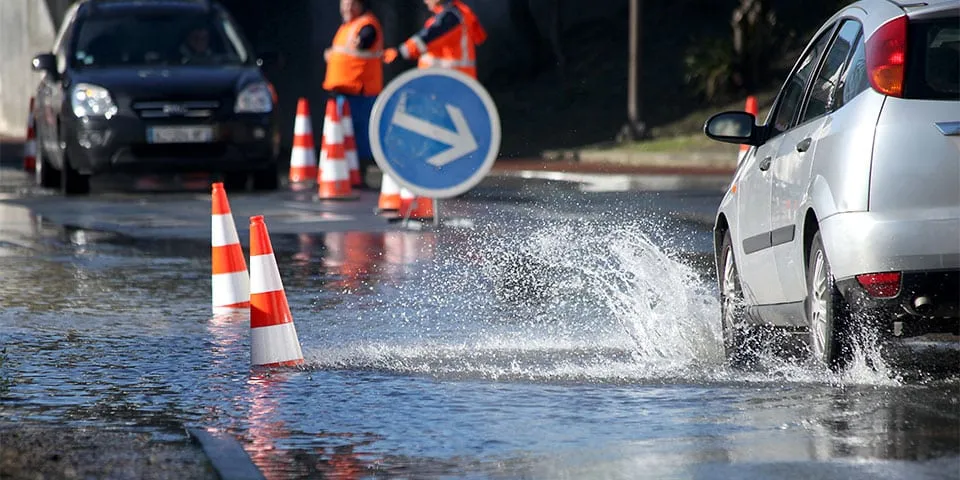
Against the backdrop of climate change, public authorities and infrastructure managers are currently busy carrying out stress tests and risk dialogues as part of the Delta Plan for Spatial Adaptation. This work maps not only the risks, but also the adaptation measures needed to achieve climate resilience. How can public authorities, policymakers and infrastructure managers develop a sound strategy based on proven knowledge?
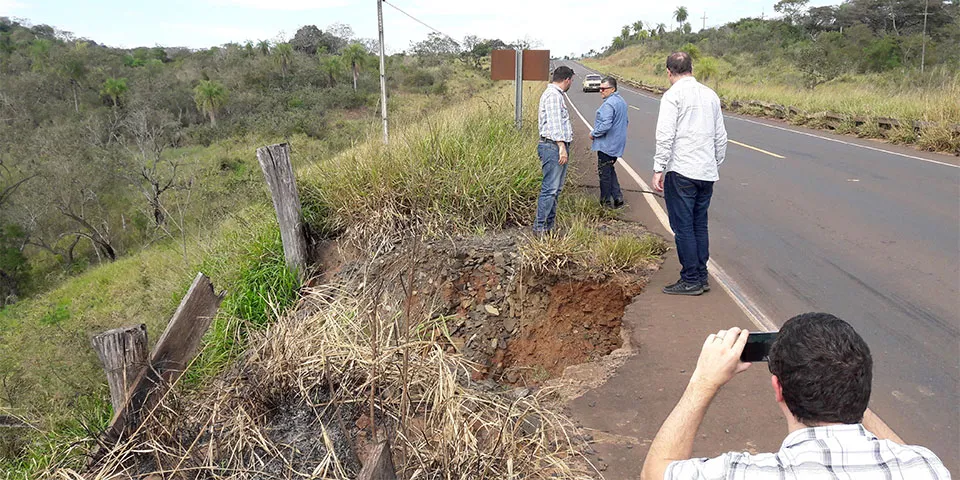
Knowledge of water and soil systems, combined with local and regional factors, is key to developing an evidence-based approach to climate-resilient infrastructure. “This knowledge enables us to turn the results of stress tests into tangible actions,” says Thomas Bles, an expert at research institute Deltares. “We look at long-term developments and what they mean for the options available today. We bridge the gap between the latest scientific insights and day-to-day practice. For example, we assessed the impact of climate change on Rijkswaterstaat’s main road network and moved from assessing risks to identifying possible courses of action for provincial infrastructure in South Holland. We also build on and validate our knowledge base through research projects well beyond the Netherlands, including in Albania, Paraguay and the Dominican Republic.”
Answers
Stress tests generally give infrastructure managers insight only into their assets’ vulnerability to flooding, waterlogging, drought and heat. This is certainly useful to know, but it is only a first step, Bles believes. “Things get really interesting, and difficult, after vulnerability has been assessed. That is simply because managers then need answers to a wide range of questions. What is the impact of failure, and which locations are most critical? In economic terms, but also in terms of safety, the environment and reputation. What does this mean for users? What measures are needed to tackle the risks? Do the benefits of the measures outweigh the costs? How do the measures fit into existing workflows?”

Approach
To build a full picture of the risks, Deltares takes the entire range of issues and considerations into account in its approach. “Only in this way can we develop an approach that establishes whether particular risks are acceptable,” says Bles. “It is important for managers to work through this process in dialogue with local stakeholders and to consider their ambitions and measures together. Does everything still fit the current strategy, or might the direction and level of ambition need to change? And what about the costs and benefits? Many people have not yet fully worked through these steps, but they are essential to turning stress-test results into actionable plans.”
Question about this story? Ask your question
Keep following this
Get an email when a new story is published. No account needed.
- SubjectWater infrastructure







