









The pioneer of the plastic road gully
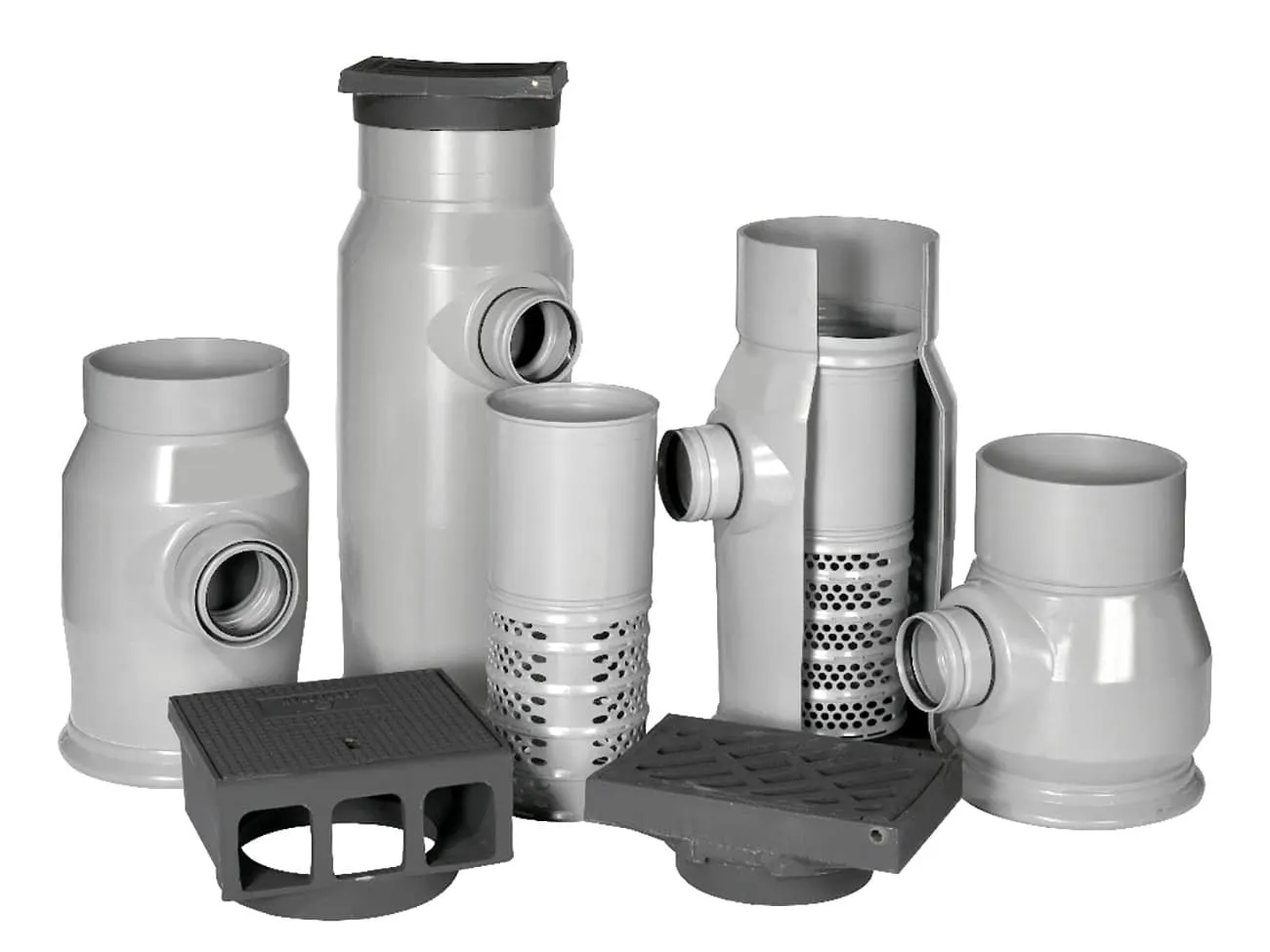
As the pioneer of the plastic road gully and preferred supplier to Katwijk council and the surrounding area, BT Nyloplast’s road gully was specified for the N206 ir. G. Tjalmaweg extension. The gully has undergone spectacular development over the past forty years and performs exceptionally well in terms of sustainability and circularity. The product is manufactured locally in the Netherlands using a unique process.
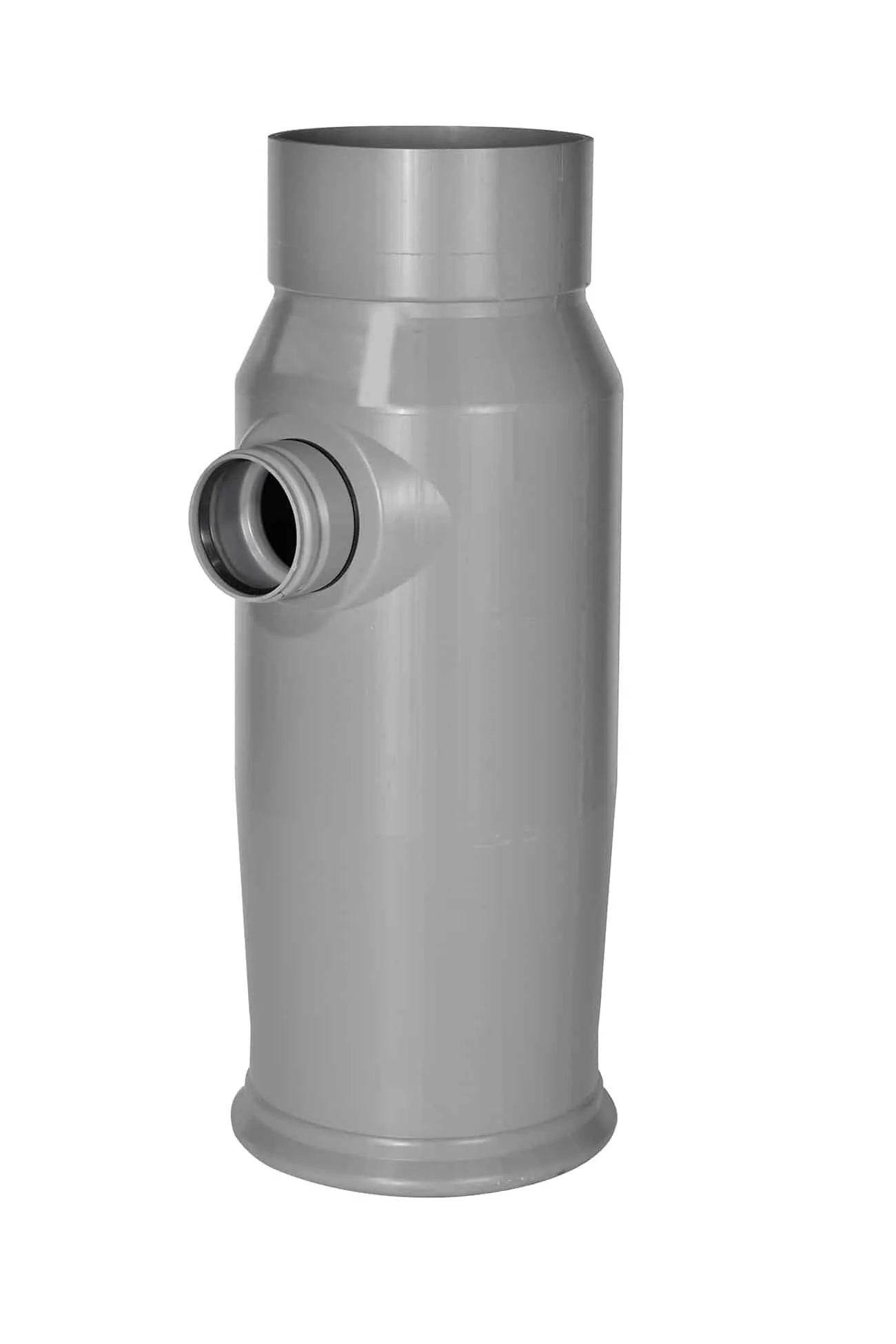
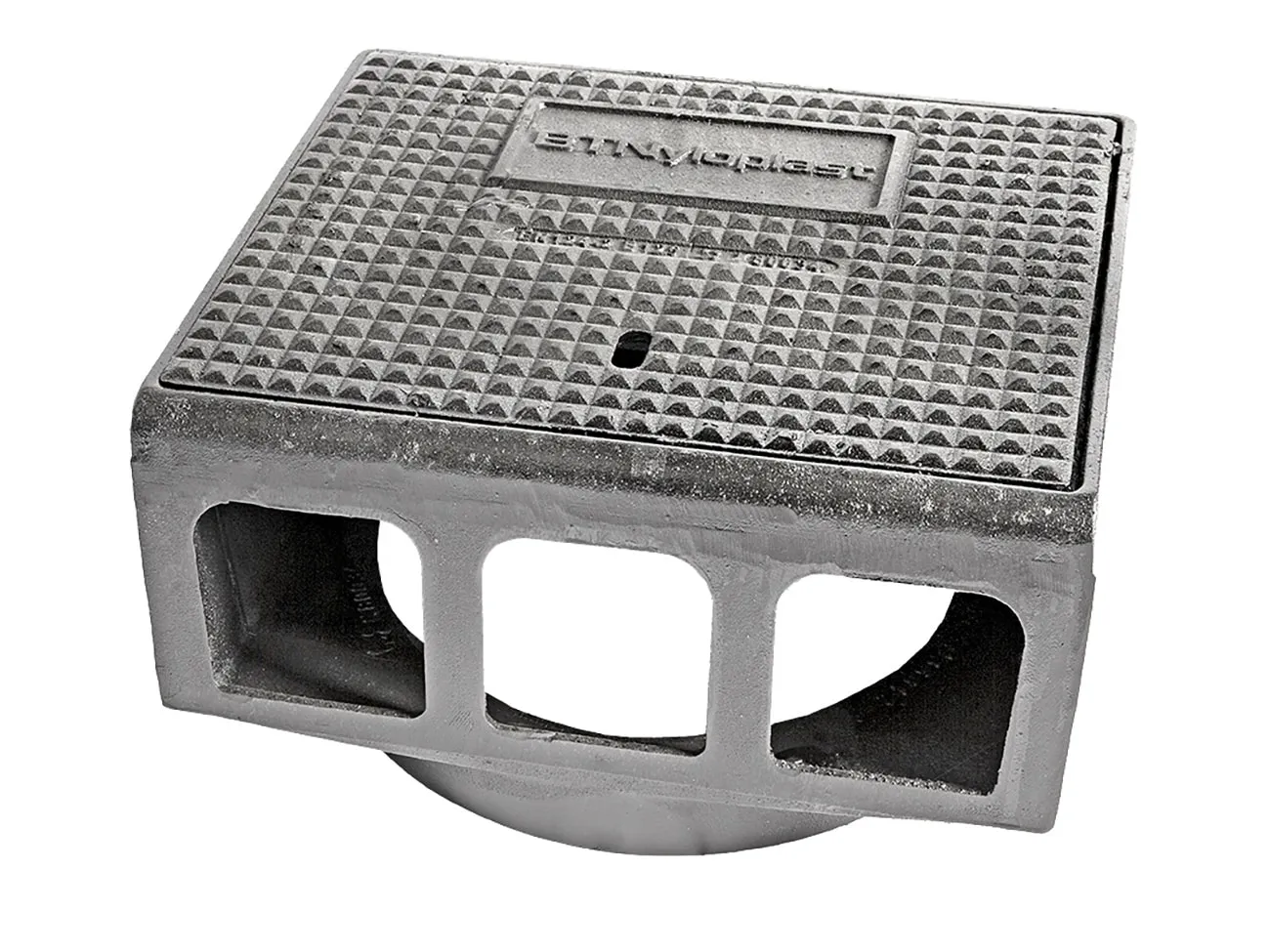
“We have been supplying road gullies in various sizes to Katwijk council for many years,” says Arjan Heijdra of BT Nyloplast. “Because there is generally a lot of sand blowing around in the streets in this region, the 50-litre gullies with a larger silt trap are usually chosen, meaning they need to be emptied less often. This type was also specified in the contract for the new Tjalmaweg. Contractor Boskalis placed an order with us for 30 road gullies and 15 footway gullies, both fitted with a cast-iron top and a standard cylindrical odour baffle in the lower section.”
Thermomoulding
According to Heijdra, the BT Nyloplast road gully is far from standard. “We have been selling this gully very successfully for forty years. Drawing on practical experience and discussions with local authorities, contractors and consultancies, we have continued to optimise it over the years. This has led, among other things, to an impact-resistant PE base, a lower section made from U3 recycled material rather than a solid wall, and an extensive range of cast-iron covers, filter systems, debris collectors, ball joints and silt traps in various capacities. The gully is made from standard pipe using the Thermomoulding process. We heat the pipe in an oven and then shape it in a mould using air pressure. The standard pipe made from U3 recycled material is supplied by our sister company DYKA in Steenwijk. U3 means that the inside and outside of the pipe are made from virgin material, while the core consists of recycled plastic. This means that 40 per cent of the product is made from recycled material, contributing to its sustainability.”
The BT Nyloplast road gully is lightweight and can therefore be easily positioned without lifting equipment. “Our unique production process enables us to accommodate bespoke modifications at little extra cost. For example, if a connection is designed to sit 10 millimetres lower, that is no problem for us. The outlet has a standard angular adjustment of 6 degrees, but a ball joint allows us to increase this to 15 degrees in any direction. The BT Nyloplast road gully is therefore a highly versatile product, manufactured locally at our site in ’s-Gravendeel.”
Question about this story? Ask your question
Keep following this
Get an email when a new story is published. No account needed.
- SubjectWater infrastructure







