









The Netherlands and water: thinking about the future
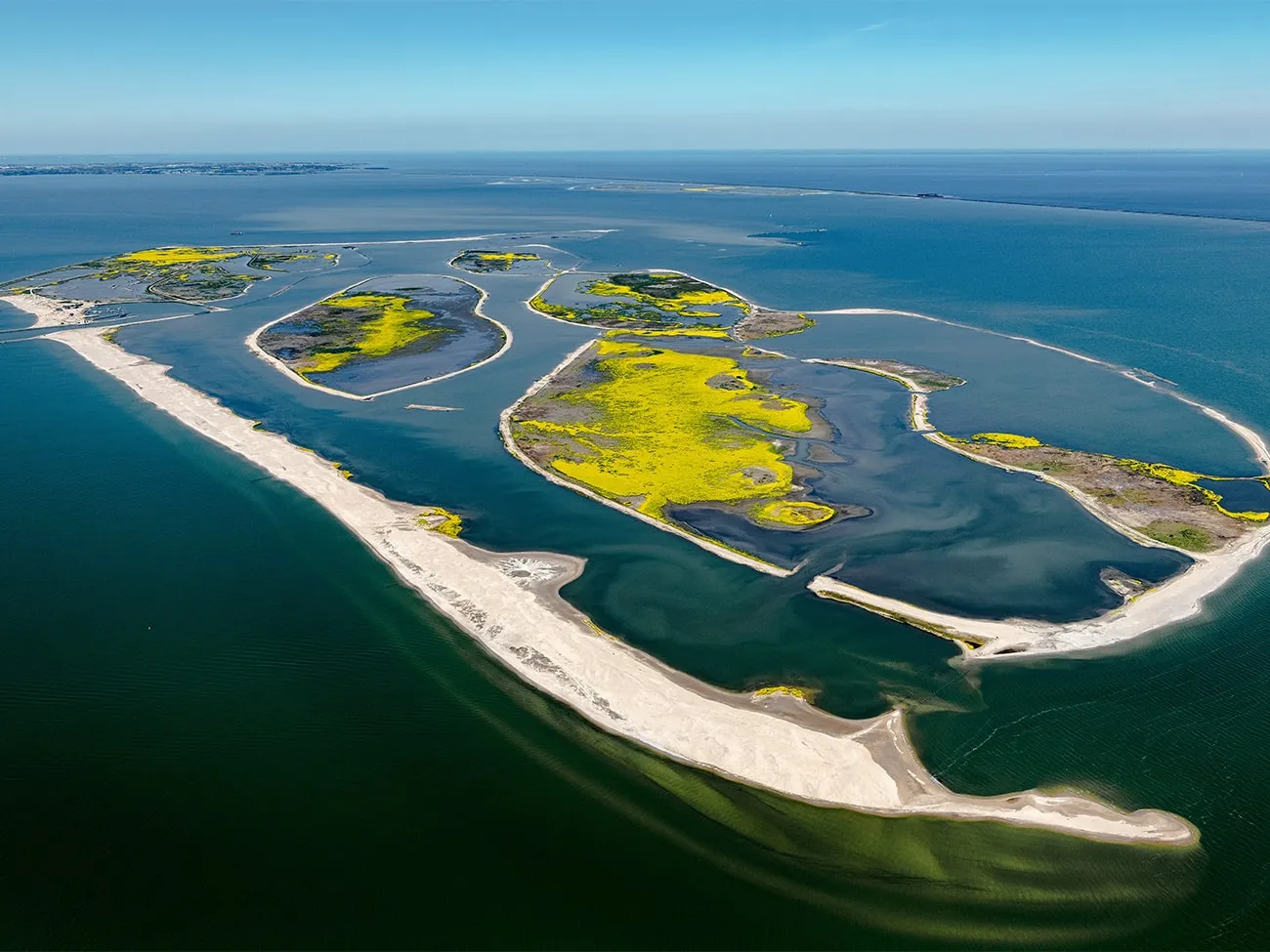
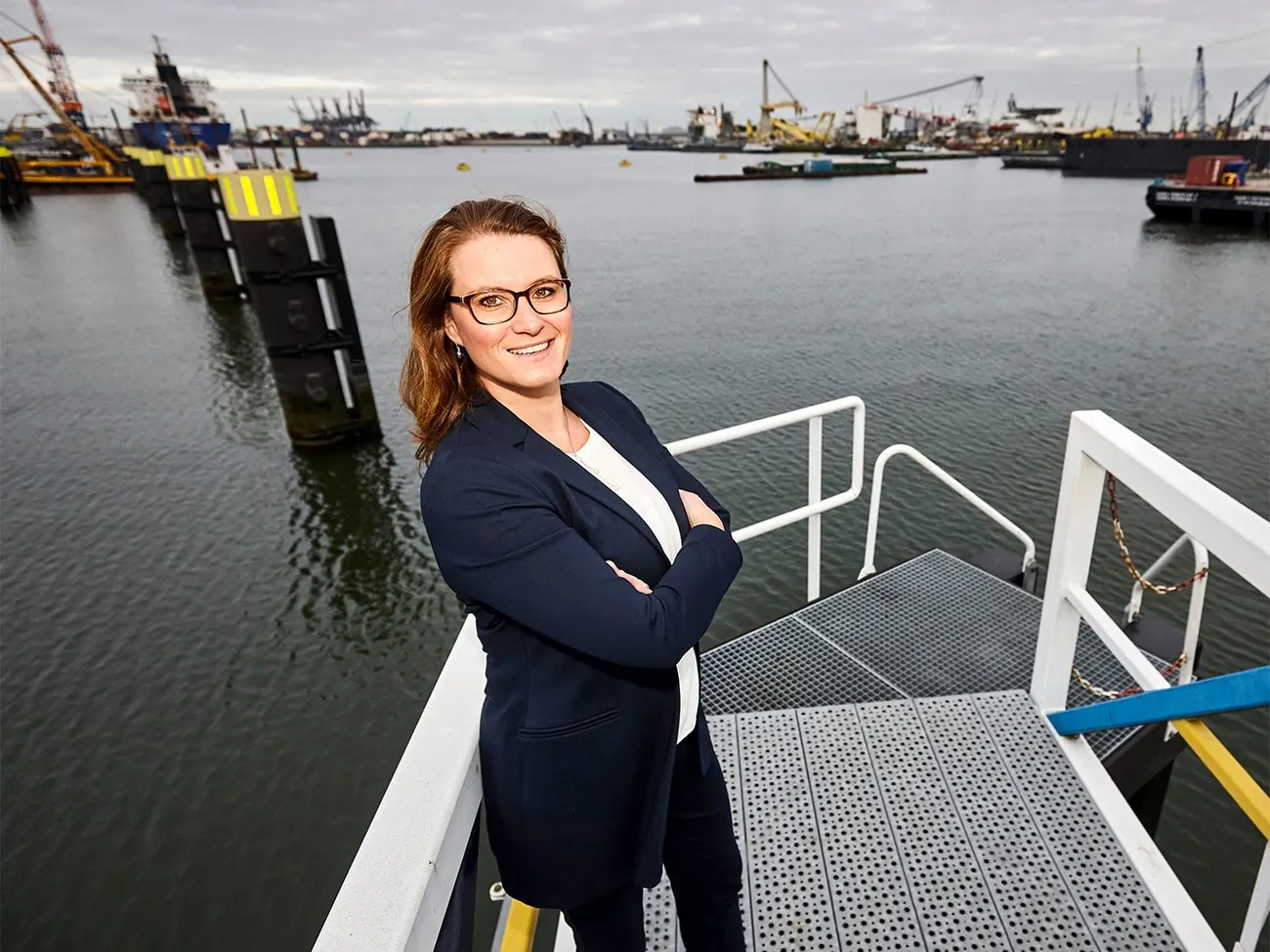
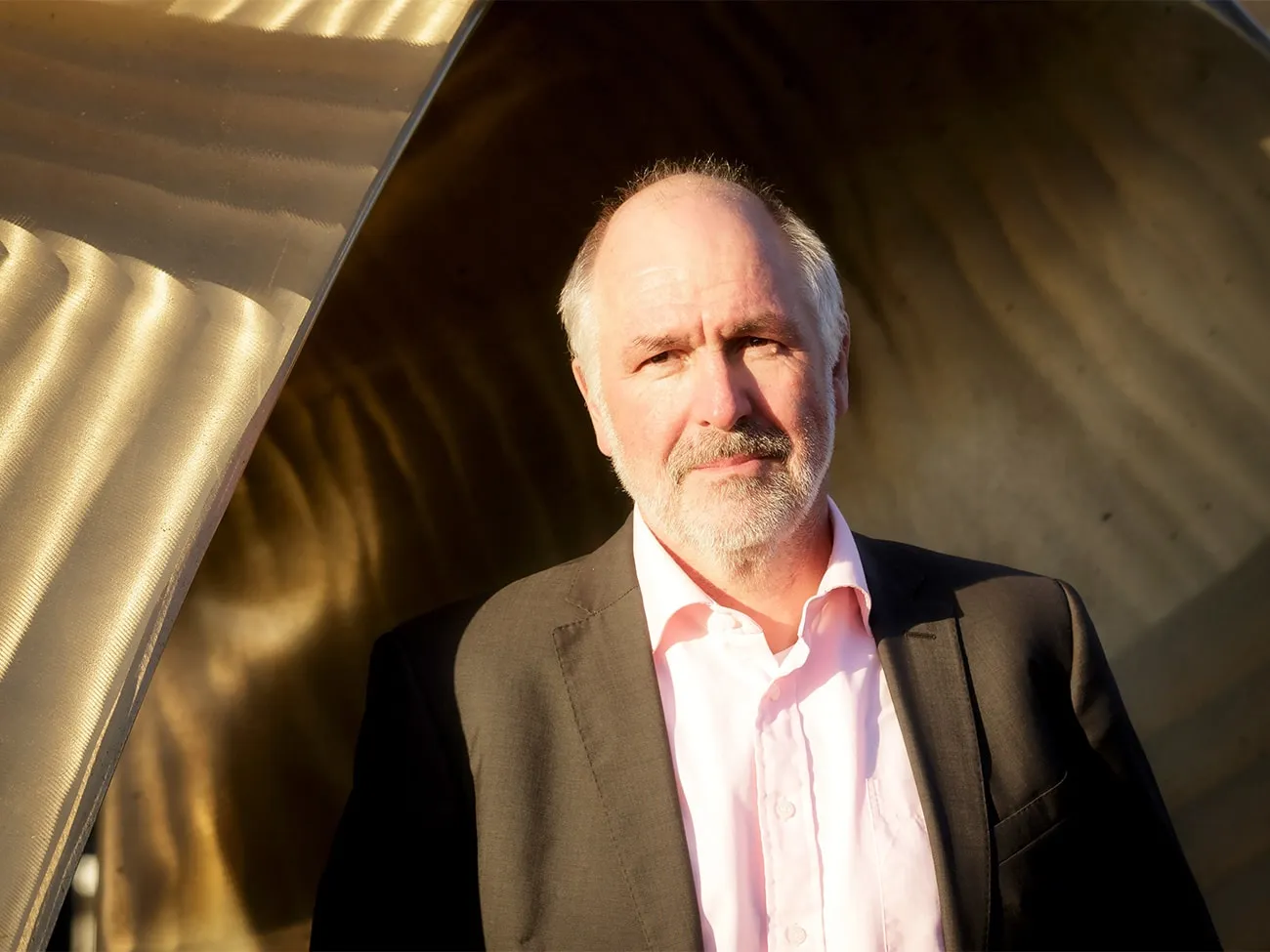
The time has come for politicians to develop a long-term vision that brings everything together. Andrea Vollebregt and Hendrik Postma believe the government must stop passing local water issues on to the regions. Andrea is director of the Vereniging van Waterbouwers and Hendrik is chair of the association’s board. In an interview, we look with them to the future, not the short term, but the long term.
“Politicians must have the courage to think about what the Netherlands will look like in 100 years’ time,” says Hendrik. “If we don’t, we’ll constantly be playing catch-up. The Netherlands is too small for us to keep passing problems on to the regions. We need far-reaching cooperation, with an overarching central vision for how our country should be organised.”
‘Begin with the end in mind’
Climate change affects us all. Sea levels are rising, rainfall is becoming increasingly extreme, with huge peaks and troughs, and temperatures are climbing. “We need a plan that looks further ahead than tomorrow, and further ahead than the 2050 climate targets,” Andrea explains. “The recently published IPCC report tells us nothing new. It simply reinforces what we already knew. We must act NOW. The report makes clear that ‘bold moves’ are needed if we are to achieve anything of substance.”
Hendrik says the first step is to draw up a plan that looks beyond 2050. Climate targets concern mitigation measures, whereas the plan must address adaptation measures. “The sector understands the urgency. It is now up to the government to provide clarity and take real action. And yes, drastic measures sometimes come at a cost. Some groups will feel more affected than others, and there will be a sense that the burden is not being shared fairly. But with a clear and transparent explanation, it should be possible to achieve the intended result.” Andrea concludes: “Begin with the end in mind. In other words, set a goal and work towards it, using all the means and options at your disposal. This is no longer about groups, money or politics. This is about the survival of a country and its people, about safety and liveability. The cost of doing nothing will be many times greater than the sacrifices needed to achieve the goal.”
Don’t prescribe the solution, set a goal
“The problem is that we are currently bombarding businesses with solutions they are expected to implement. That holds things back. Don’t prescribe the solution, set a goal. Simply tell them how much CO2 they need to cut and by when, and let them decide for themselves how to do it. That way, companies can draw on their own strengths and may come up with surprising approaches that everyone can learn from. Giving people the chance to do things their own way is motivating. It just feels different,” says Hendrik.
The Netherlands in a pioneering role
“We live in a delta, so we have to play our part. We need to make the case for Europe, because we have a great deal of expertise, but we can’t do it alone. No one can save the world single-handedly, but as a country we can use our knowledge and skills to take a leading role,” says Andrea. “Setting a good example boosts your credibility, even if you are a very small country. The hydraulic engineering sector already has an outstanding reputation around the world.” Hendrik adds: “This has to be a joint effort. We can draw on all our knowledge and skills, but the hydraulic engineering sector does not decide what happens. Let’s pool our efforts, apply common sense and work towards a water-safe world beyond 2050. Put simply, everyone needs to be less swayed by the issue of the day. Communication is crucial. Look at what happened recently in Limburg. You need to know what your neighbouring countries plan to do in emergencies like these. If their protocol is to get water out of the country as quickly as possible, we can be caught off guard by a huge influx of water. A European flood protection programme would be appropriate in that case. A flood protection plan is easier to implement along the coast than along rivers. The events in Limburg have jolted everyone awake again, but how do we maintain that sense of urgency? Ultimately, this is a problem that affects us all.”
Public consultation is important, but we must have the courage to make decisions
The Netherlands is a country of consensus-building. There are many opportunities for public consultation, and we keep working towards a compromise until most parties are satisfied. But we also need a strong government that has the courage to set a course for the long term in the short term, based on facts and urgency, not sentiment and opinion. The climate problem affects us all, now and even more so in the future. But not everyone feels that way yet. “We need a collective mindset in which securing public acceptance of effective measures becomes priority number one. And we must leave enough room for innovation. I am convinced that we will need it badly, not only in the Netherlands but far beyond our borders. Hydraulic engineers have shown for centuries that they can lead the way in this field, shaping both our country and many other deltas.”
Hendrik concludes that, alongside giving businesses room to implement mitigation measures on their own initiative, attention must now turn to adaptation measures. “Let’s find the courage together to look 100 years beyond today, so that every step we take fits into the winding road ahead. The hydraulic engineering sector is ready to help ensure we can take action and that our sector can remain viable by bringing in new talent. Funding will be needed to make that possible. If we get things right here, clients from abroad will come and see how we do it, then ask us to carry out similar projects for them. That will set a chain reaction in motion, enabling a small country to do a great deal to help save the world.”
Question about this story? Ask your question
Keep following this
Get an email when a new story is published. No account needed.
- SubjectWater infrastructure







