









The Groote Zeesluis in Muiden is ready for many more years
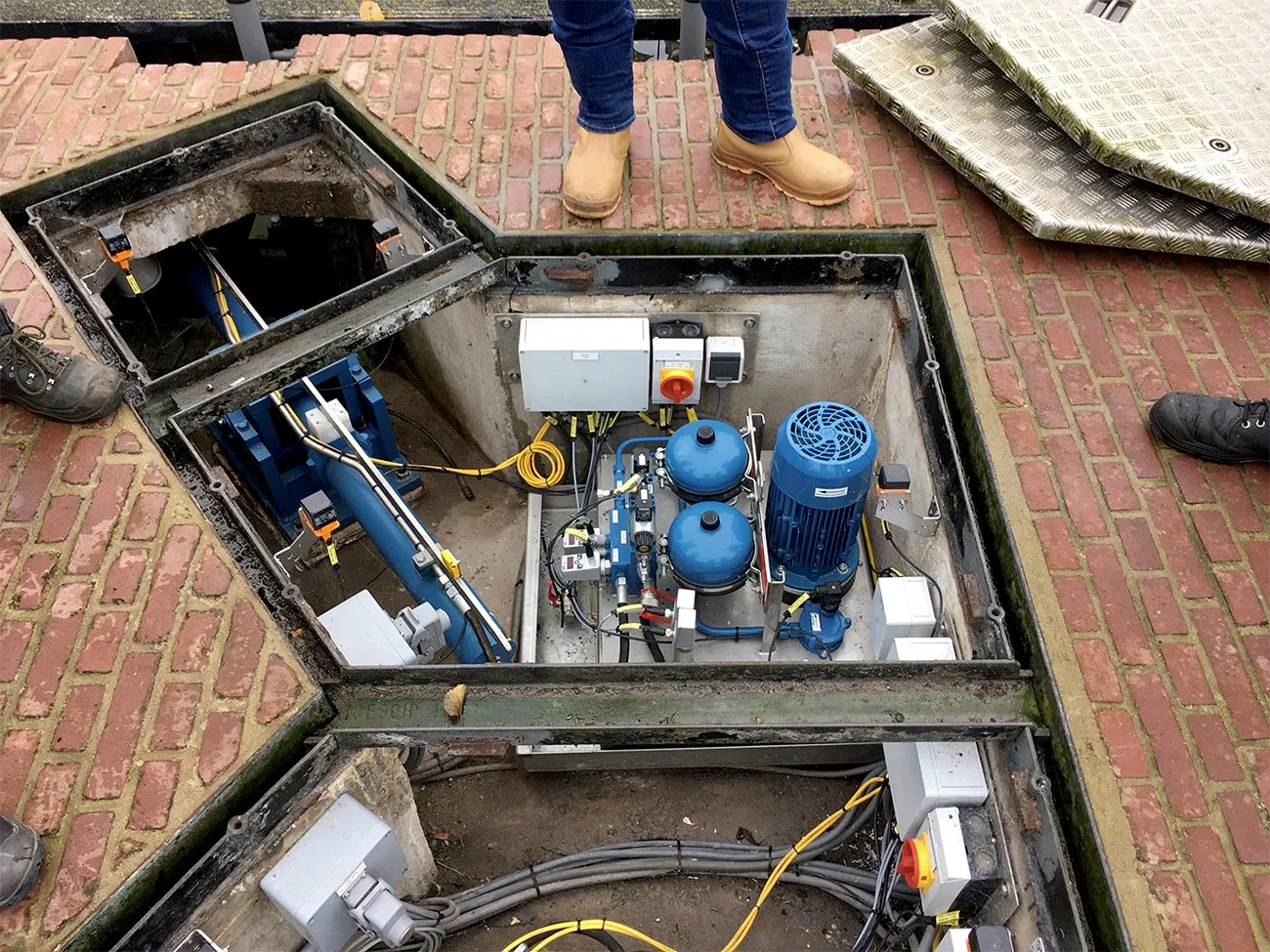
Waternet, the water cycle company, recently completed major maintenance on the Groote Zeesluis in the centre of Muiden, on behalf of Waterschap Amstel, Gooi en Vecht. Dating from 1674, the listed Rijksmonument connects the Utrechtse Vecht with the IJmeer and plays a major role in keeping the surrounding area dry. The structure is also a striking attraction for residents and visitors to the fortified town of Muiden in North Holland.
Regular maintenance is essential to keep this historic landmark in the heart of Muiden operational and in top condition, with major works required periodically. The latest major maintenance took place from October 2018 to October this year. “Working closely with various specialist contractors, Waternet, as the delivery organisation for Waterschap Amstel, Gooi en Vecht, had the maintenance of the lock complex and bridge carried out in phases,” says Hans van der Pal, project manager for Waternet. “To minimise disruption to local residents and recreational boaters, almost all the work was carried out in the autumn and winter. Scheduling the work for spring and summer is simply not an option. That is when the complex and its surroundings are extremely busy, both with the many leisure craft using the lock and with the numerous visitors looking out over this distinctive structure from the nearby terraces.”
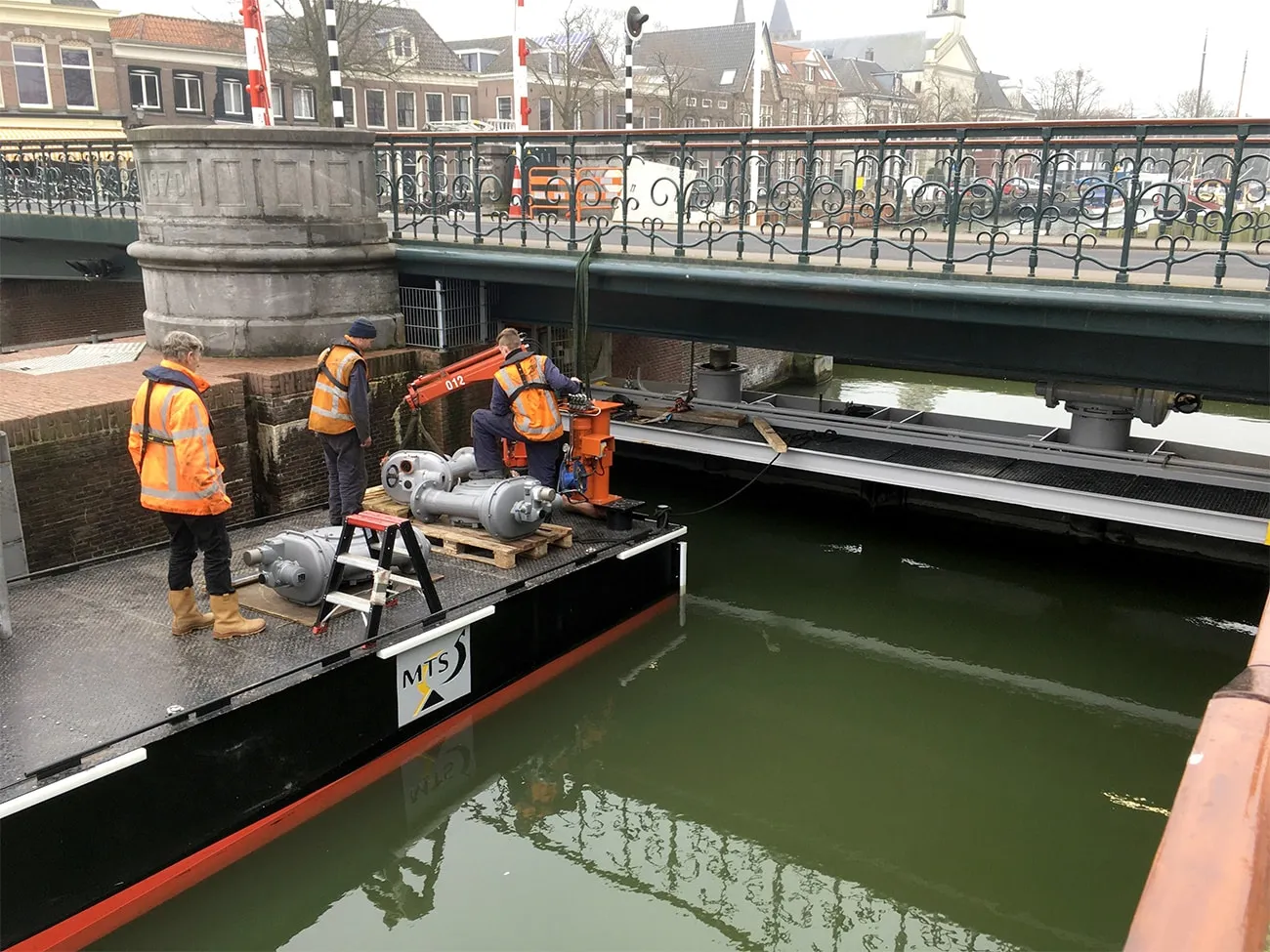
Function
The extensive maintenance required at the Groote Zeesluis is directly related to its important role in keeping the hinterland dry. “The lock has three chambers: two navigation chambers and a discharge chamber,” says Van der Pal. “The latter has been used since the lock was built to discharge excess water from the Vecht into what was then the Zuiderzee. Over the past few decades, however, the lock’s role has expanded considerably. Because the water level in the IJmeer is often higher than in the Vecht during the summer, the direction of flow is reversed at that time of year. Water then flows south from the IJmeer, through the Groote Zeesluis and towards the river. This is controlled by two radial gates in the discharge chamber. Much of the water is conveyed to a number of regional nature reserves, including the Naardermeer and the Spiegelplas near Nederhorst den Berg.”
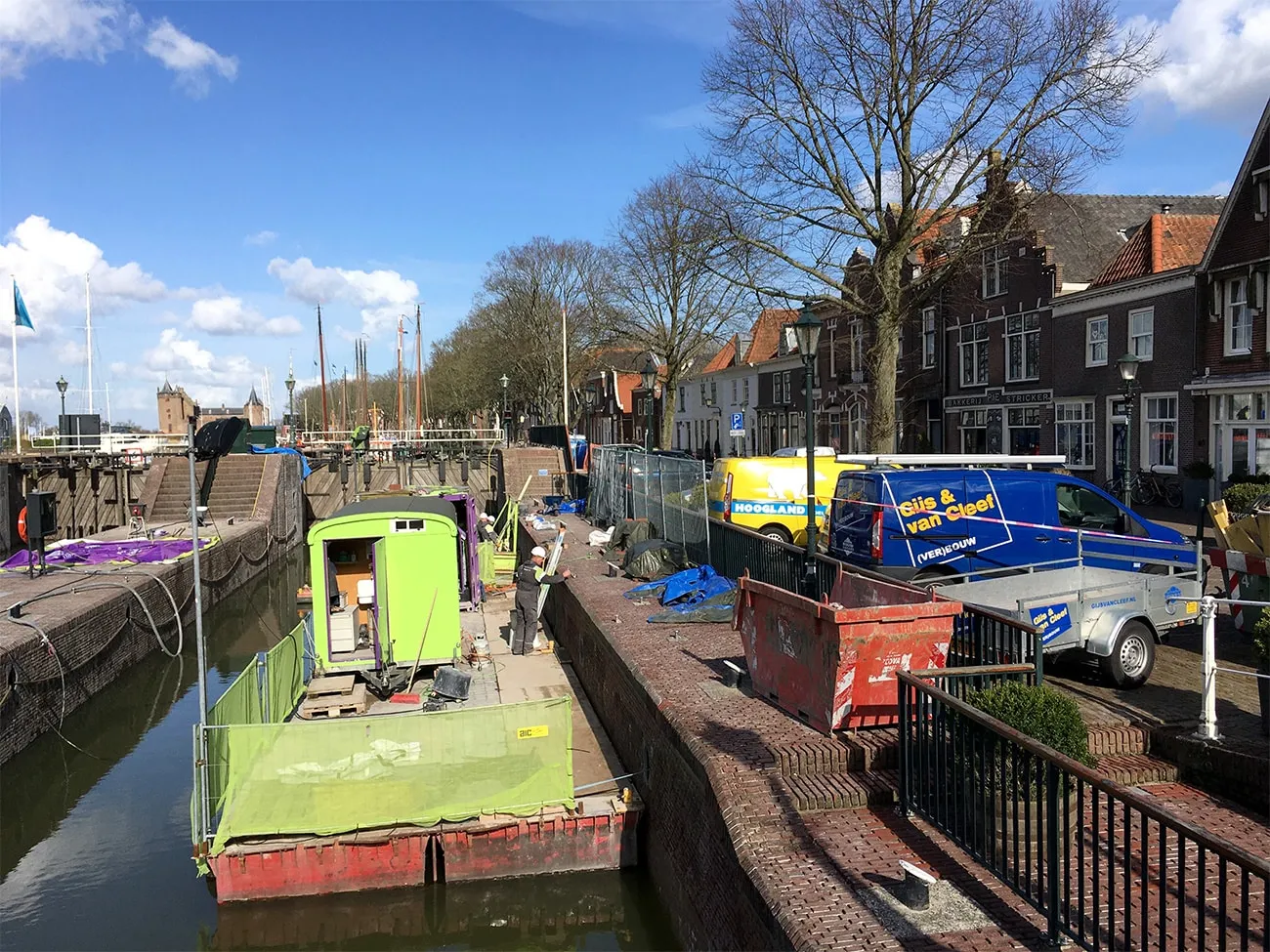
A wide range of works
The maintenance work carried out by Waternet and its partners was not only extensive, but also varied. “After replacing the electrical controls for the lock gates and bridge in spring 2019, we began restoring the masonry and painting the various steel structures that autumn,” says Van der Pal. “The lock gates were also refurbished, except for two. They were so rotten that they had to be replaced. All the mechanical systems were renewed during the previous winter. With the end of 2021 in sight, we are currently checking all the technical files. The handover to our client will follow.”
Question about this story? Ask your question
Keep following this
Get an email when a new story is published. No account needed.
- SubjectWater infrastructure







