









The choice of street drainage products depends on the conditions
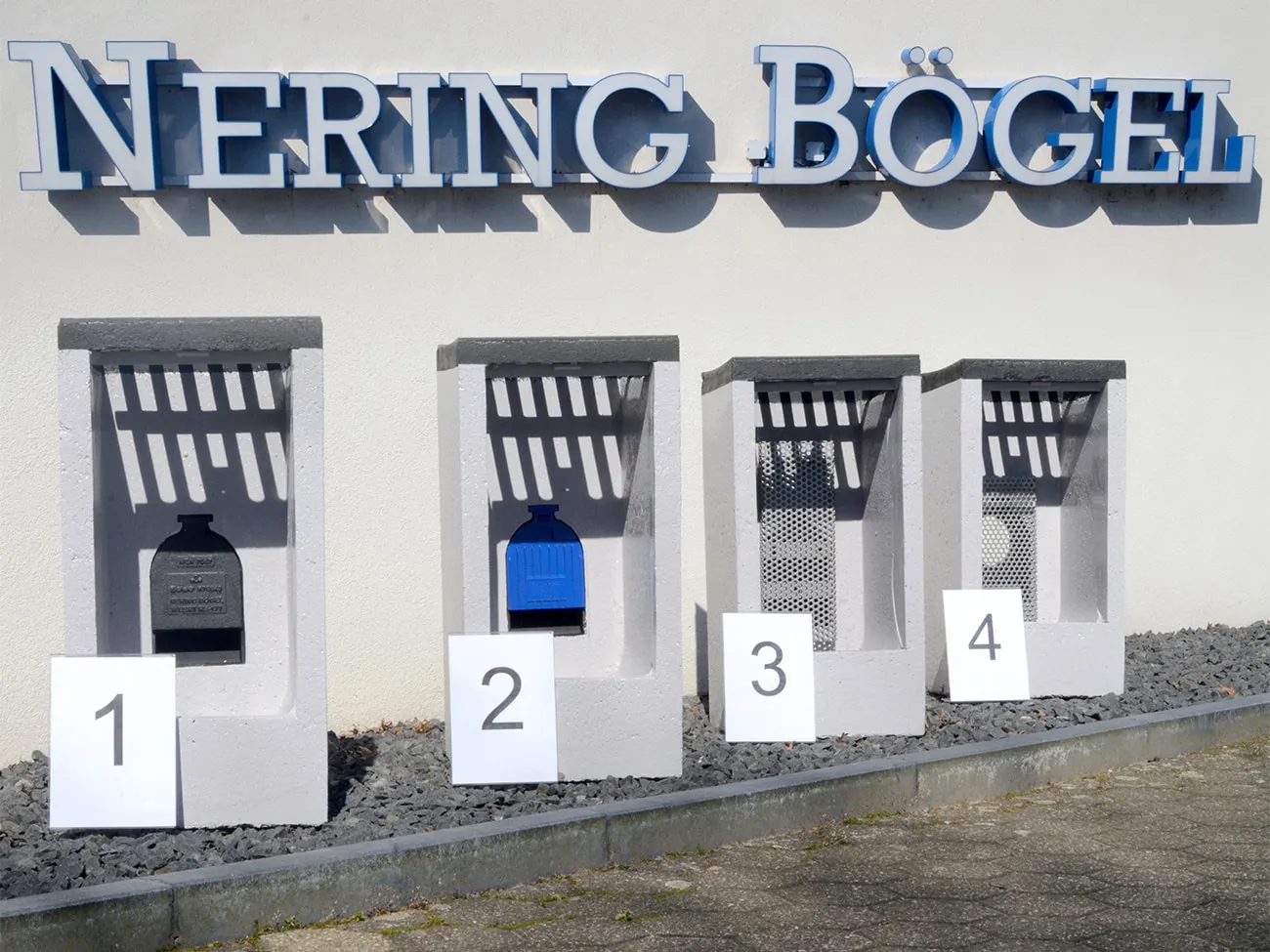
If there is one name you will find on the streets of the Netherlands, it is Nering Bögel. Or, more precisely, in the street. The company, which is more than 250 years old, provides innovative solutions for optimal infrastructure and specialises, among other things, in floor drains and channels, channels and gratings, floor hatches, covers, gully pots and manhole covers, non-return valves, couplings, and oil and grease separators. There is a good chance that the first manhole cover you spot on an ordinary Dutch street will bear their name. To the untrained eye, all manhole covers and sewer gratings may look the same, but there can be differences. Richard Janssen, director and owner of Nering Bögel in Weert, explains.
Why sometimes you need to think (and go) one step further

Sometimes a standard solution can cause a nuisance
“Manhole covers are mainly made from lamellar cast iron,” Janssen begins. “They provide access to the sewer network for inspection and unblocking. Although the covers comply with European and national guidelines and testing requirements, five per cent of them are not suitable for the conditions in which they are used. That is because the conditions should determine the design of street drainage products.”
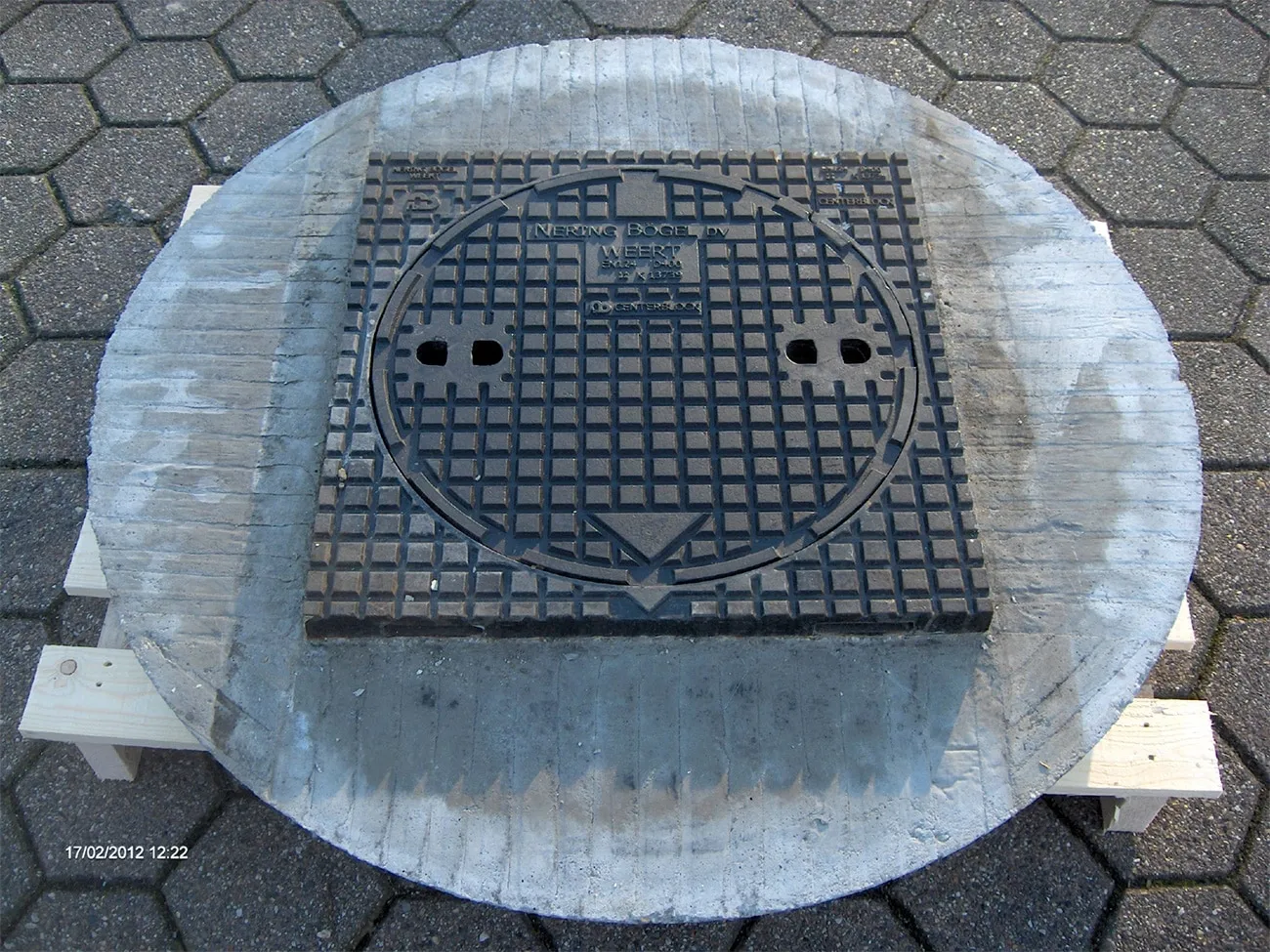
Janssen outlines some of the problems that can arise: “First of all, there can be noise nuisance. This phenomenon is caused by a change in sound. A car tyre rolling over asphalt is inherently noisy. Because the sound is continuous, we do not notice it. We only hear it when there is a change, for example when the tyre rolls over a manhole cover. We have a solution to minimise the difference in sound: filling the manhole cover with concrete. This reduces the difference in resonance between the road surface and the cover, resulting in less noise nuisance.” Another familiar problem is the reduced grip offered by manhole covers, which is particularly dangerous for cyclists and motorcyclists because only a small area of the tyre is in contact with the road. Here, too, a concrete-filled manhole cover can help. “We can adjust the roughness of the concrete infill to give the manhole cover good anti-slip properties. This not only reduces noise nuisance, but also improves safety.”
Echoes, subsidence and gas formation
“Another problem is that unfilled spaces and water resonance can cause echoes in the sewer network. The sewer then acts as a sound amplifier, causing a nuisance for local residents. Nering Bögel has a solution for this, too. Anyone interested can simply give us a call. As for subsidence, we can see that it occurs mainly in places where heavy vehicles travel. This can also be addressed by using special conical concrete bases from NeBoplan.”
Cast iron and concrete can be affected by gases formed in sewers, known as H2S gases. “Concrete is particularly susceptible to this,” Janssen explains. “To tackle the problem, Nering Bögel can adjust the composition of the concrete mix to make it more resistant to the effects of these gases.”
Working efficiently with the Multikolk
Sustainable production is a priority in Weert. This is evident in many ways, not least in the huge number of solar panels on the roofs of the buildings, and the Multikolk is one example. Janssen explains: “The Multikolk is a basic concrete gully pot that we can cleverly equip with accessories such as a cast-iron odour screen, a plastic clip-in flap or a stainless-steel leaf catcher, to ensure optimal water drainage. The silt-trap section of the gully pot can be up to twice the size of the standard version. This allows us to produce efficiently.”
To conclude, Janssen says: “By working with concrete and cast iron, we support the aim of working cradle to cradle. Everything is 100% recyclable. We are also working hard to modify the cement content in our concrete, experimenting with additives and partial substitutes to limit the environmental impact.”
Question about this story? Ask your question
Keep following this
Get an email when a new story is published. No account needed.
- SubjectWater infrastructure







