









TBS-SVA: infiltration only works when engineering and behaviour come together
Text Susan Peek Beeld TBS-SVA Groep, ECO BETON, Gemeente Apeldoorn
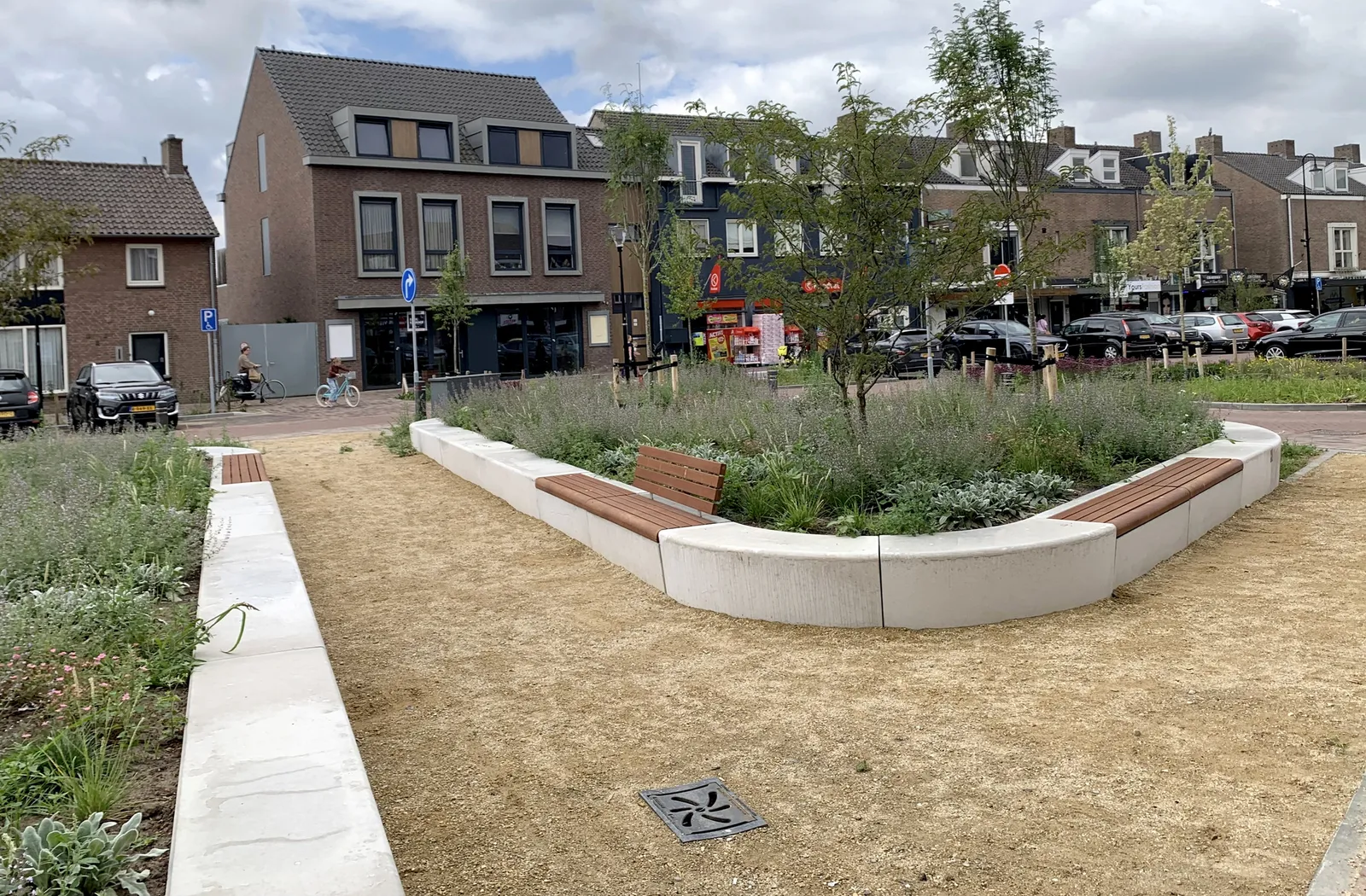
With growing attention to climate adaptation, stricter water quality requirements and sustainable urban design, infiltration is increasingly moving up the agenda. It is not just about the technology underground, but also about what happens above ground and what people can see.
According to Jack Theunissen, R&D Manager Integrated Water Management at TBS-SVA Groep, this is the key to systems that work well. “Combining technical solutions with recognition and communication in the streetscape creates an integrated system in which technology, maintenance and awareness reinforce one another.” TBS-SVA Groep contributes with robust solutions for storage and infiltration, providing the foundation for a future-proof water system, while also focusing on awareness and recognition as essential links in the chain.
The gully as the first link
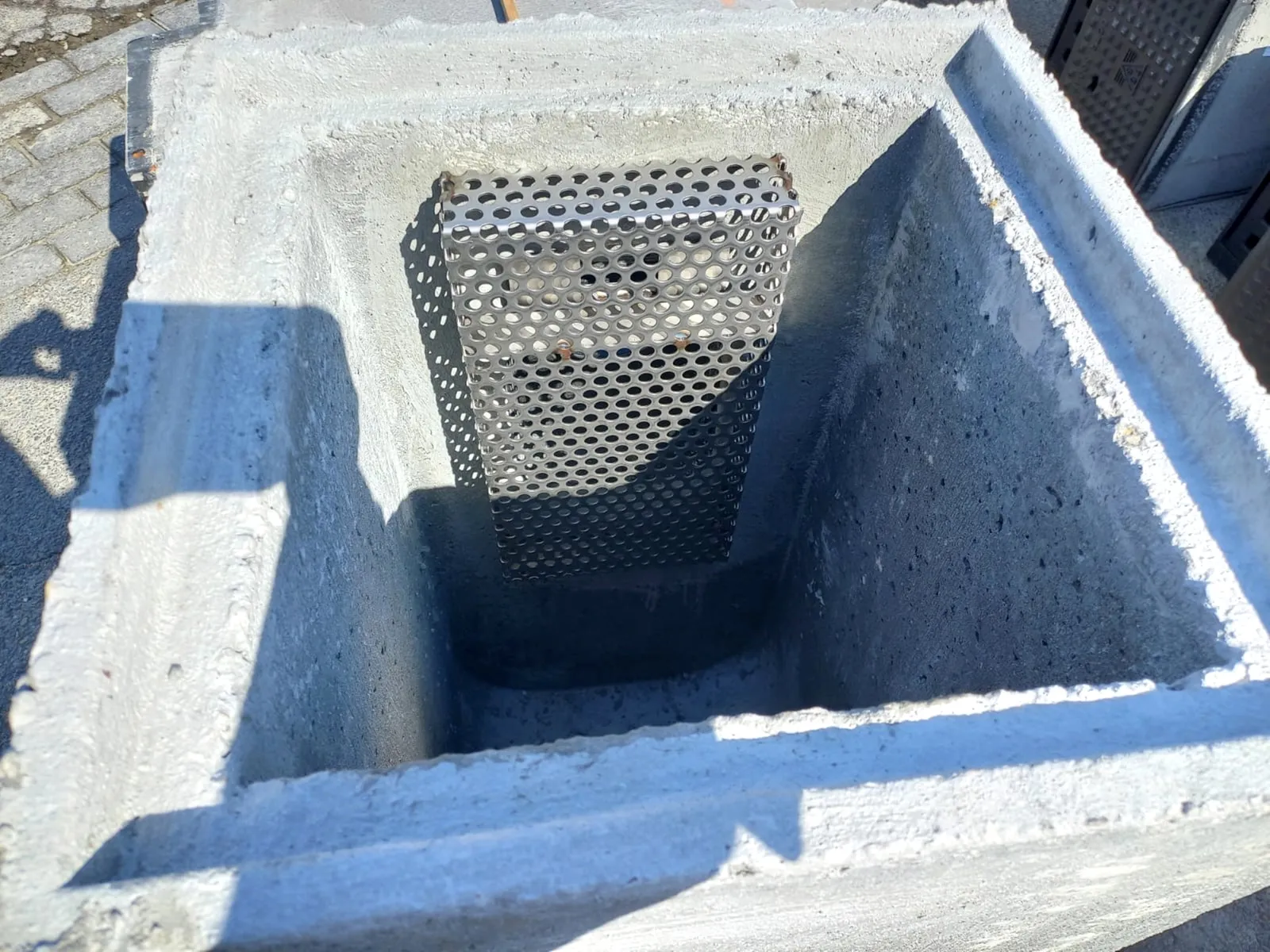
For years, municipalities have been disconnecting rainwater from the sewer network and infiltrating or storing it locally. This is done through gullies fitted with a fan-pattern grate and connected to infiltration facilities, swales or surface water. In practice, however, these systems are frequently contaminated by wash water, cigarette butts and other waste, with direct consequences for water quality, performance and service life.
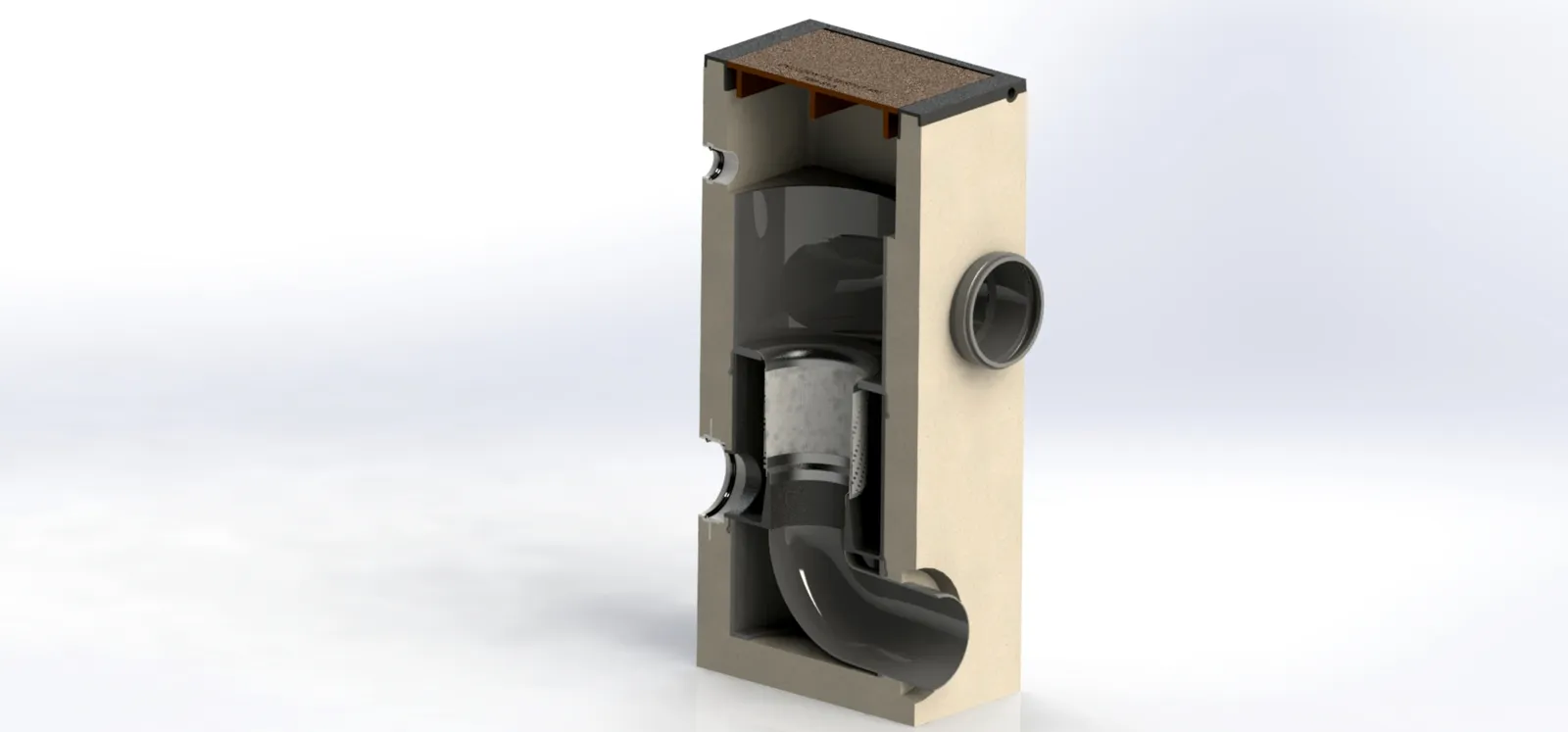
According to Theunissen, effective infiltration starts at street level, and the gully plays an important role as the first filter. “A large proportion of the pollution is trapped here, preventing contaminants from entering the ground or surface water. Well-designed gullies and additional facilities are crucial. This is where we make a difference.”
From standalone solutions to systems thinking
According to Theunissen, infiltration should be approached as a single chain: from the moment rainwater falls on the street to the point at which it infiltrates into the ground and becomes part of the wider water system. “Skip a link and you compromise performance, service life and water quality.”
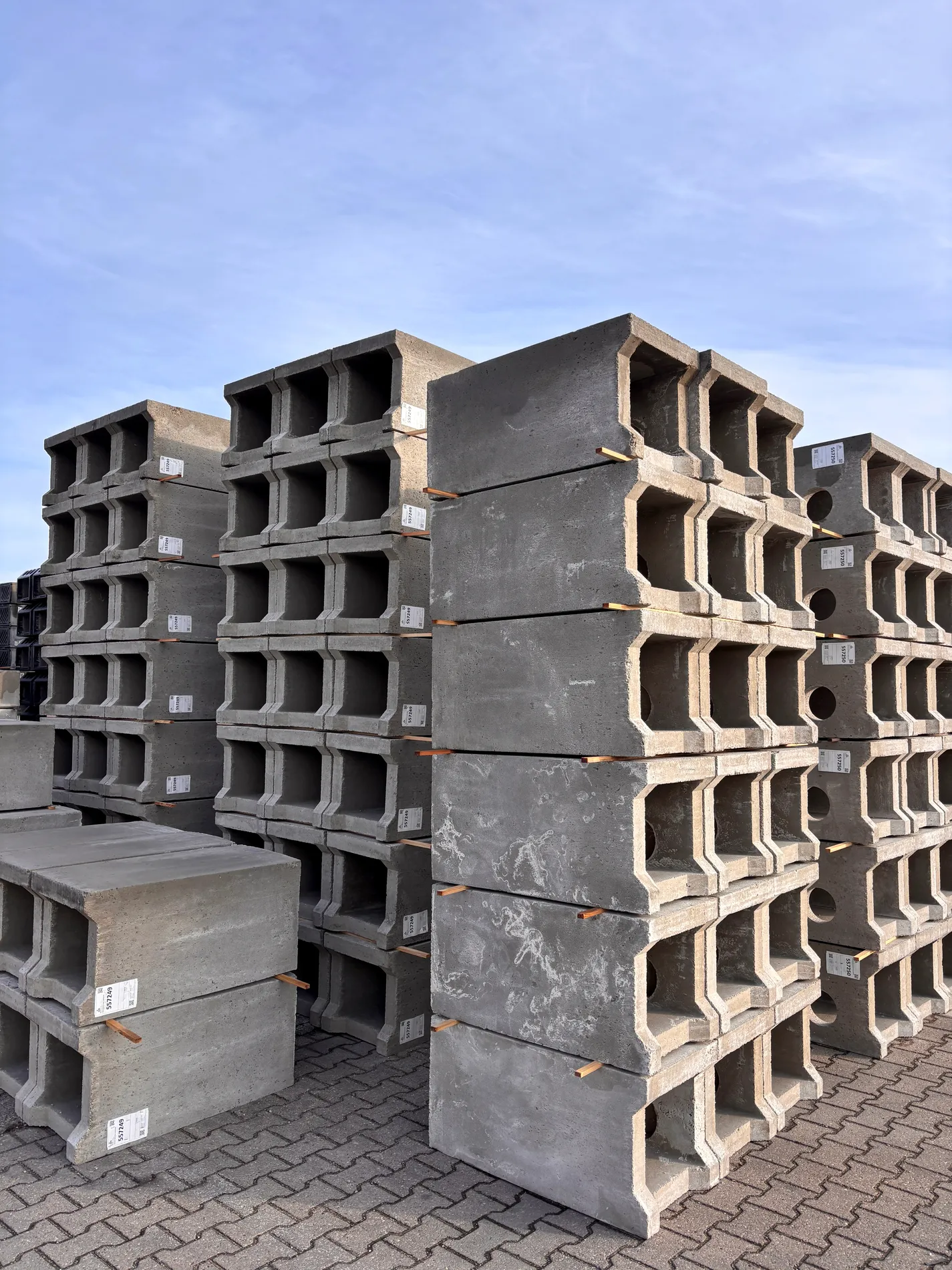
To make these connections work in practice, TBS-SVA Groep develops and combines a range of solutions. Infiltration bases can be installed directly beneath gullies, while storage chambers with infiltration zones provide temporary storage and controlled release. Additional facilities, such as filters and settlement solutions, trap contaminants early in the system. This helps infiltration facilities continue to function effectively over the long term, in line with requirements including the Water Framework Directive.
Blue Drop
An important part of this systems thinking happens above ground: recognition and awareness. However effective a system may be technically, it still depends on how people use it. “Many people simply don’t know what happens beneath their feet,” says Theunissen. “A gully is seen as a drain, when in fact it is an essential part of water management.”
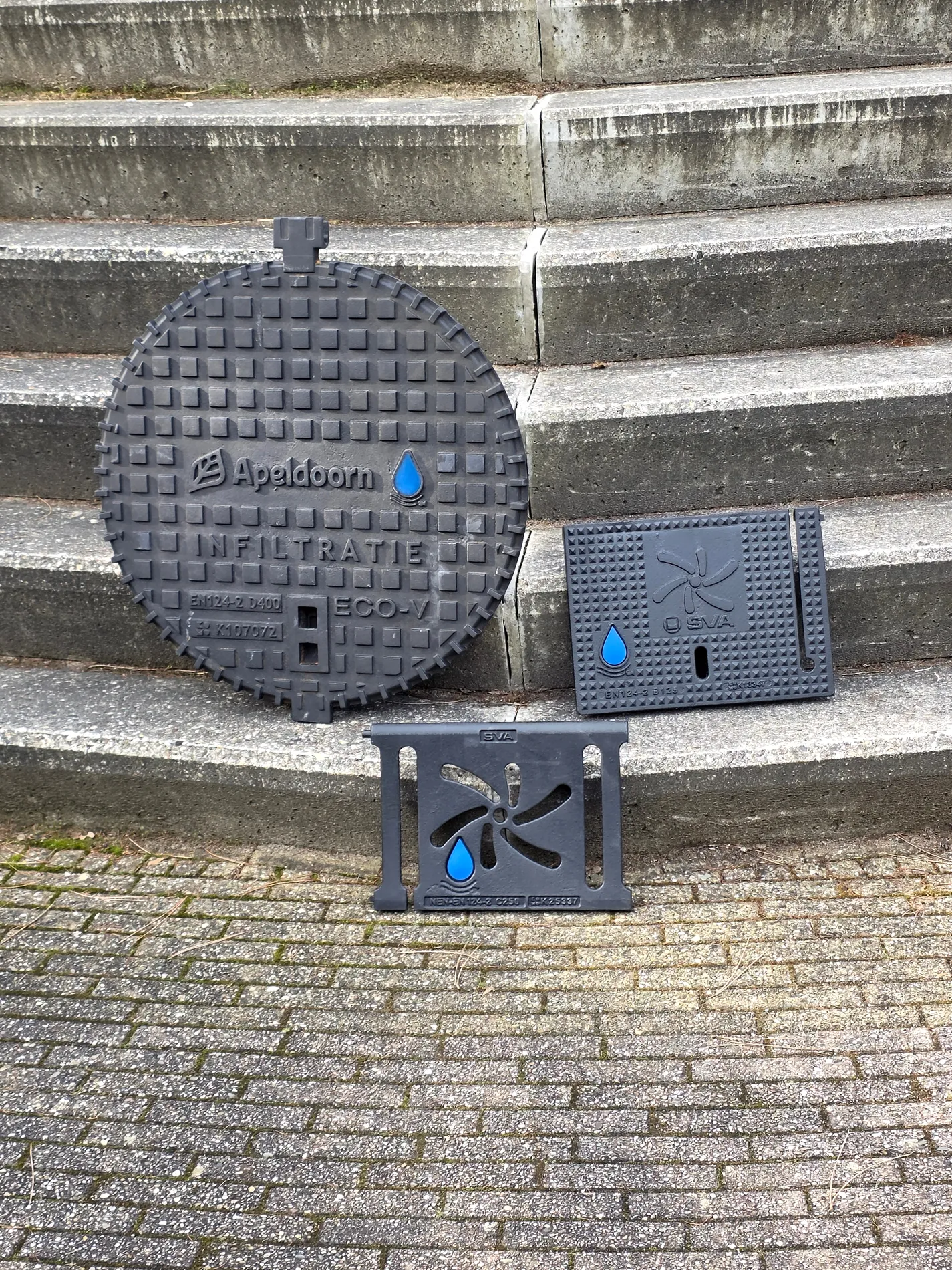
To increase awareness, more emphasis is being placed on making infrastructure recognisable in the streetscape. The fan-pattern grate already indicates that it is for rainwater drainage, but not everyone knows what it means. That is why the Blue Drop symbol was developed in collaboration with Gemeente Apeldoorn and Stichting RIONED. It makes clear that the water is clean rainwater and helps people use the facilities correctly. “It may be a small step,” says Theunissen, “but an important one. A blue drop on a hot plate, perhaps, but you have to start somewhere.”
A future-proof water system
According to Theunissen, the challenge in the years ahead is to connect all the links in urban water management. “Technology, design, maintenance and behaviour all need to come together. The problem is too complex to solve from a single perspective. Infiltration only works really well when approached holistically,” says Theunissen, concluding: “Only when all the links work together will a system continue to function as intended.”
A business enquiry for TBS-SVA GROEP? Get in touch
Companies in this story

Keep following this
Get an email when a new story is published. No account needed.
- SubjectWater infrastructure
- CompanyTBS-SVA GROEP







