









Smarter lubrication for a better environment
Text Armand LandmanImage Van Meeuwen Lubrication
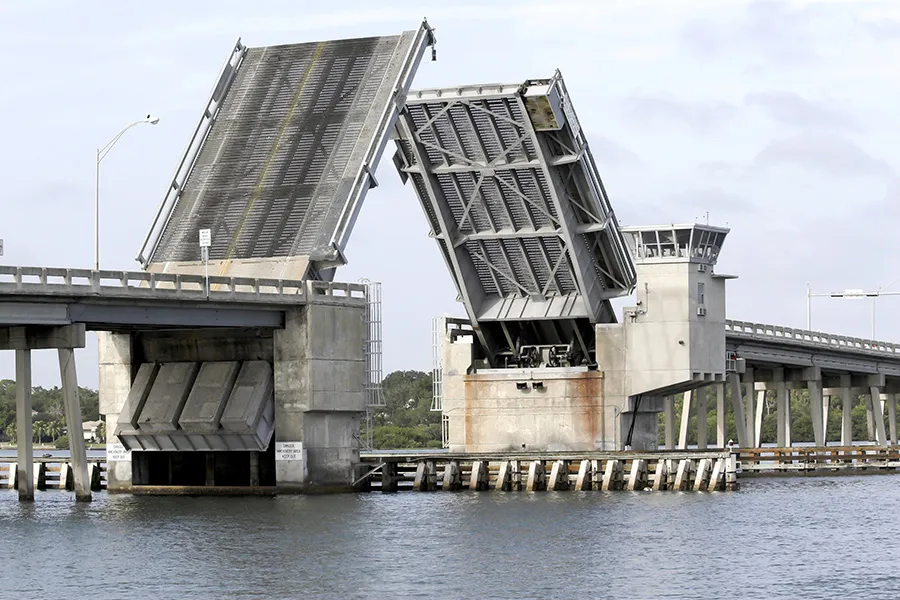
One aspect of bridge, lock and other infrastructure renovation and maintenance rarely gets the spotlight, yet is crucial: lubrication. Without the right lubricant, moving parts can wear, seize up or cause environmental damage. “One litre of oil can pollute a million litres of water,” warns Ronald Kransse, Technical Account Manager at Van Meeuwen Lubrication. “So when you’re near open water, you simply have to be careful at all times.”
Van Meeuwen Lubrication has been supplying lubrication solutions since 1934. In recent years, the importance of biodegradable lubricants has grown significantly, partly due to stricter environmental requirements and increasing sustainability awareness among clients such as Rijkswaterstaat. Kransse says: “Conventional lubricants are now hardly ever used in infrastructure assets. If a lubricant could come into contact with open water, biodegradable lubricants are used almost without exception. Strictly speaking, knowingly using conventional lubricants in an application where the product could enter the environment through a leak, or where this is unavoidable because of the design, constitutes an environmental offence.”
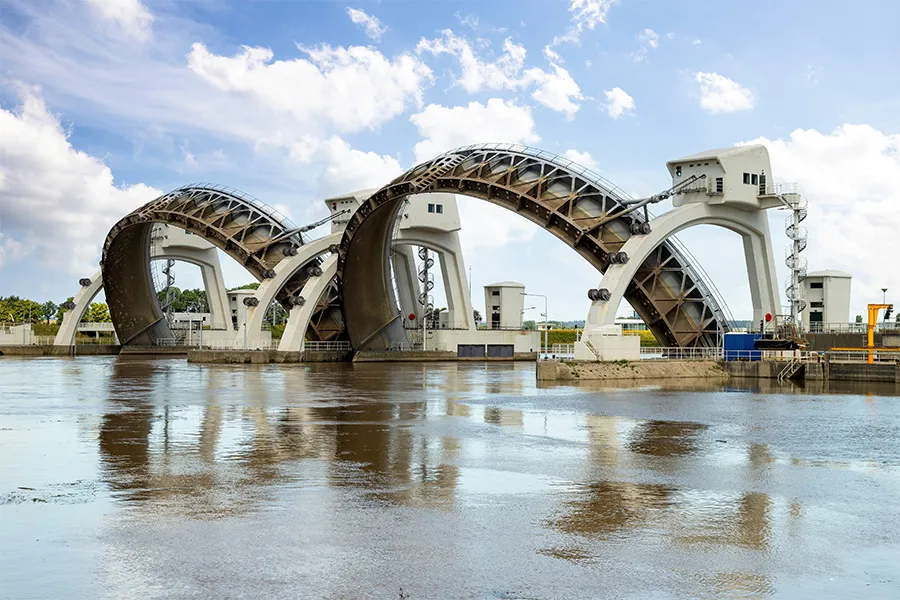
Biodegradable and better
According to Kransse, the latest biodegradable lubricants rank among the best on the market. “People still sometimes think that going bio means compromising on quality. But that’s really outdated. The products we supply are technically equivalent to, or even better than, their mineral-based counterparts.” He points in particular to the BIOMAX™ range, which uses Synerlec® additive technology. “These oils and greases are not only better for the environment, they also reduce wear, while extending oil change intervals. That significantly cuts maintenance, downtime and unnecessary costs.”
Van Meeuwen supplies biodegradable lubricants for hydraulic systems, gearboxes, bearings and open gears on bridges and locks, among other applications. Kransse says: “Our lubricants withstand the toughest loads, UV radiation, salt water and fresh water, and temperature variations from -40 to +140 degrees Celsius. Exactly what you need for infrastructure assets that can remain idle for months, then suddenly start moving intensively.”
From overhaul to innovation
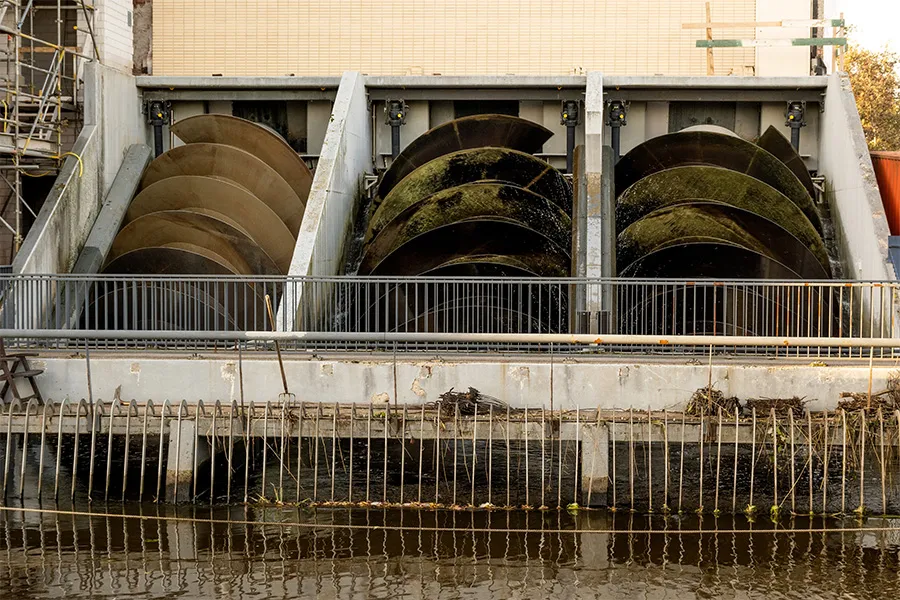
The growing maintenance task facing Rijkswaterstaat, which must renovate hundreds of infrastructure assets in the coming decades, also means more work for organisations such as Van Meeuwen. “During every overhaul, it is now standard practice to assess whether biodegradable products can and/or should be used. Rijkswaterstaat has even drawn up specific documents setting out the requirements that lubricants must meet.”
Van Meeuwen often goes beyond these requirements. Kransse explains how his team recently developed a new lubricant with Technical Director Taco Mets that met the stringent EU Ecolabel criteria. “That is the highest standard for environmental performance. These products must not only be biodegradable, but also non-toxic, meaning free of hazardous substances, non-bioaccumulative and technically effective. We had the product extensively tested and obtained EU Ecolabel certification. It is now being used at several locations.”
Switching with care
Replacing conventional lubricants with biodegradable ones is not simply a matter of swapping one for the other. “You must first build a clear picture of the operating conditions and application. Then you can choose the right type of bio-based lubricant. As part of the assessment, you also need to check whether seals and materials in, for example, a gearbox are compatible with the new bio-based product,” Kransse explains. “It is also advisable to clean or flush the system and use oil sample analysis to monitor the effect of the switch on both the lubricant and the system.”
Ultimately, though, the switch brings benefits beyond environmental gains. “Longer service life, reduced wear and fewer lubrication cycles also mean less work, lower product consumption, longer equipment life and therefore lower costs in the long term. There are also significant savings to be made in CO2 emissions and waste.”
In doubt? Put it to the test.
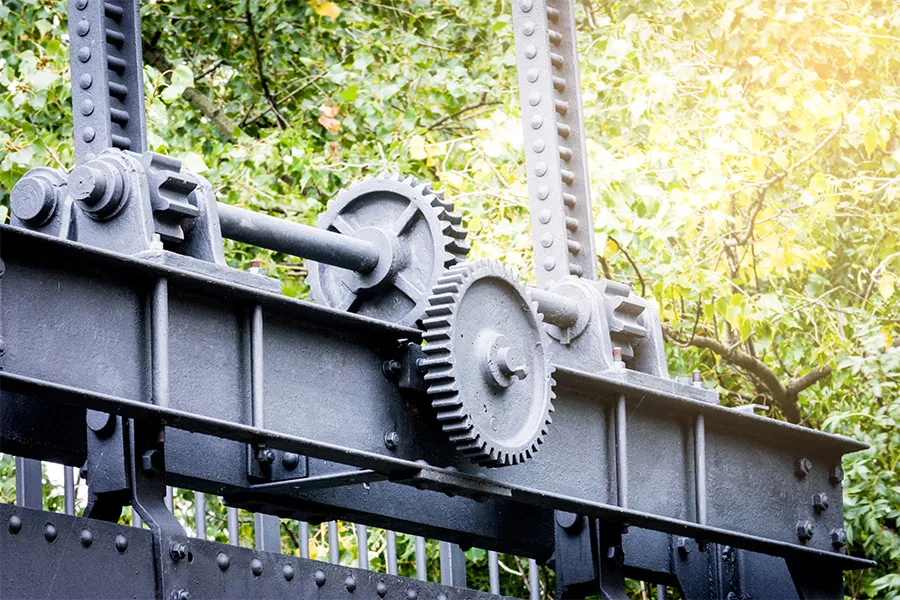
For companies that are unsure, Van Meeuwen has a proven method. “We can run comparative field tests using our Falex test rig. This lets us show exactly how a conventional product performs compared with a bio-based alternative under high loads and in the possible presence of water. Time and again, the biodegradable option comes out on top because it reduces wear. A demonstration like that really opens our customers’ eyes.”
The future is renewable
The next step? Fully renewable lubricants. “We want to move away from fossil oil. BIOMAX™ lubricants are renewable and fit that vision. We are also working with partners who do not burn used oil, but can re-refine it so the product can be reintroduced into the supply chain as base oil. That, too, is sustainability.”
Kransse concludes with a call to action: “Everyone needs to be convinced of the benefits of biodegradable lubricants. Not just because of regulations, but because they are technically viable and make sound economic sense. We are ready to show everyone.”
Een zakelijke vraag aan Van Meeuwen Lubrication? Get in touch
Companies in this story
Keep following this
Get an email when a new story is published. No account needed.
- SubjectWater infrastructure
- CompanyVan Meeuwen Lubrication







