









Nature and safety go hand in hand in the Netherlands
Text Suzanne van Gaale Image Rijkswaterstaat
Rijkswaterstaat manages a surprising amount of existing and potential nature. Along national roads alone, it manages around 18,000 hectares of verges. Rijkswaterstaat also looks after major bodies of water such as the North Sea, IJsselmeer and Wadden Sea, as well as riverbanks and floodplains along rivers such as the Meuse. “Our primary task is to keep the Netherlands safe, liveable and accessible,” says Freek van Gestel, Asset Management Adviser, Ecology & Living Environment. “For every area, we also look for opportunities to combine objectives: how can we link ecological measures with safety?”
Together with his colleagues, Van Gestel is responsible for managing the Meuse and its canals in South Limburg, a vast area where ecology and safety are constantly intertwined. Rijkswaterstaat is working on river widening projects here, while also focusing on improving the ecological quality of the Meuse. “This includes restoring nature-friendly banks and stream mouths, and creating new channels,” explains Van Gestel. “My role is to preserve and enhance biodiversity. We do this together with our current contract partners Van Doorn and Idverde, who provide advice as well as carrying out the work.” Maintenance contracts set out clear requirements for how the area should be managed. “Along the Julianakanaal, for example, we have a problem with Japanese knotweed,” says Van Gestel. “Together, we map where this invasive species is growing so that we can take targeted action. The same applies to verge management: when should we mow each section? And how do we ensure that the old trees along the canal remain standing safely?”
Safety versus ecology
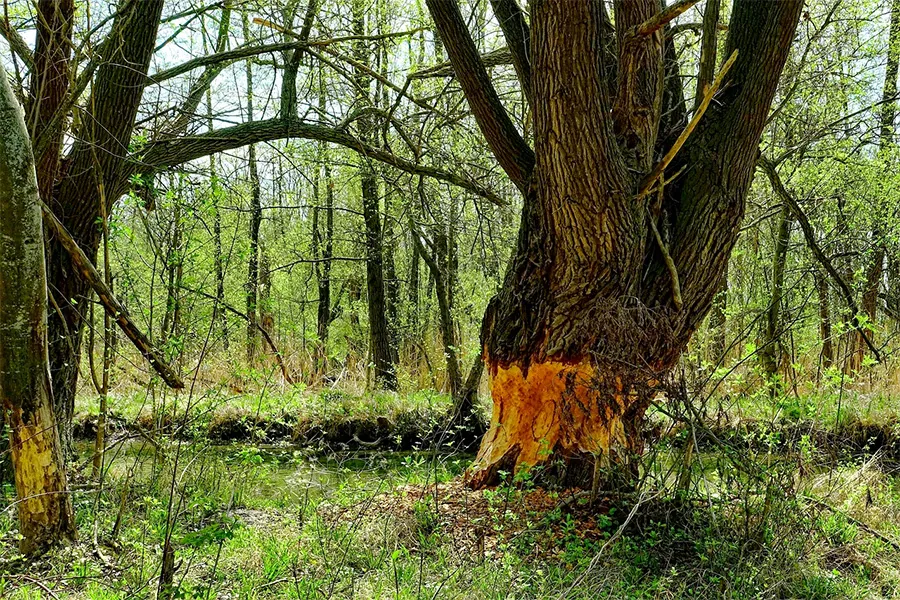
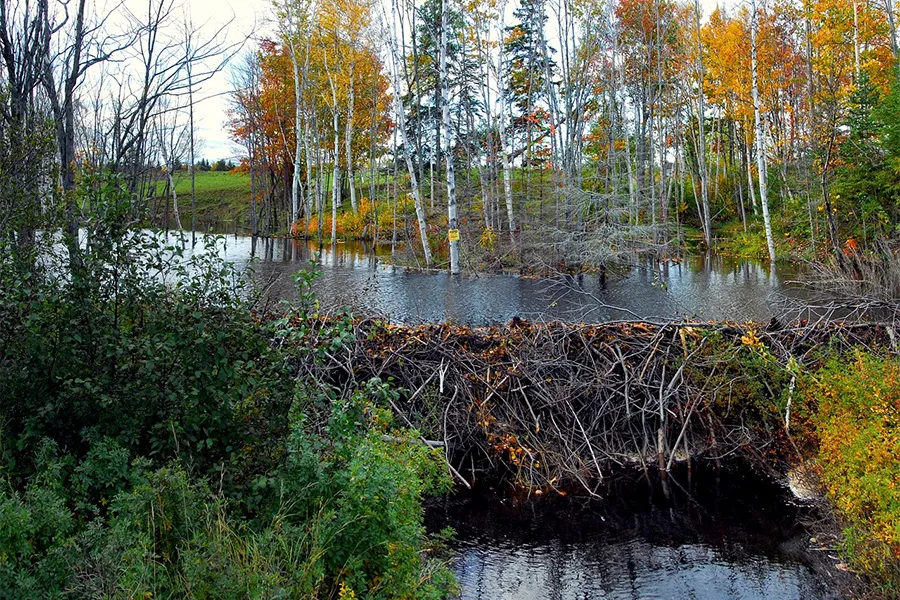
For every decision, Van Gestel seeks a balance between safety and nature. “Safety always comes first,” he stresses. “On the Meuse, we are working on river widening projects to protect the hinterland from flooding. For example, we do not want beavers in dikes, as their burrows can undermine their stability. Willow thickets along the river also need attention: every cubic metre of wood obstructs the flow of water, which can cause problems elsewhere. The more room the river has, the safer it is for the people living behind it. For the same reason, the dikes along the Julianakanaal are monitored regularly, and the digging activity of beavers and badgers is closely tracked.”
Spotting opportunities
One major challenge is complying with the codes of conduct and the Environment and Planning Act in relation to protected flora and fauna. The Water Framework Directive (WFD) also plays an important role. It calls for nature-friendly banks, habitat restoration and improved water quality. “Yet these rules also offer opportunities,” says Van Gestel optimistically. “If we can link safety measures with nature restoration, combining objectives, we gain twice over. The river widening projects near Nijmegen, with their side channels that carry flowing water, are a good example. During certain periods, they fill with water and become hotspots for dragonflies and other insects.”
Making room for the Meuse
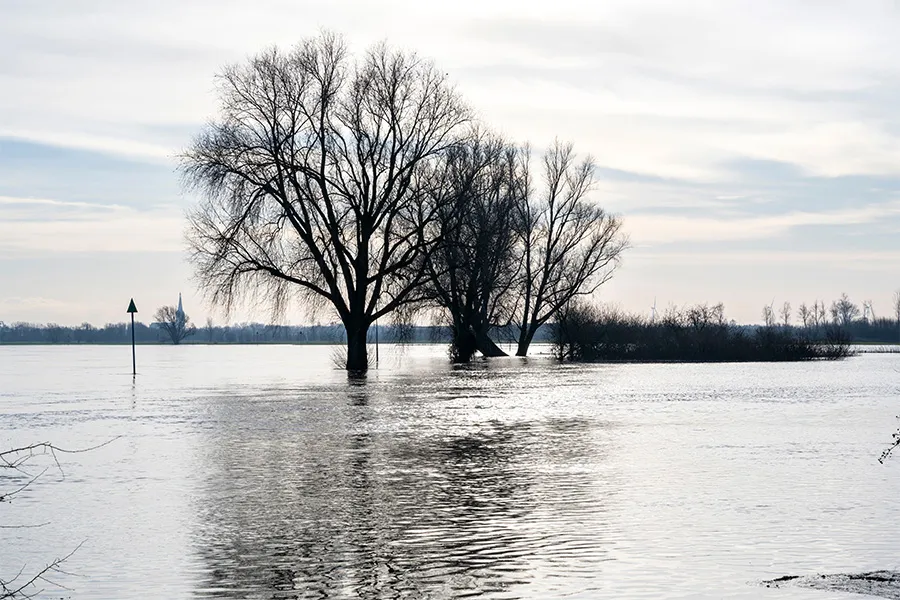
In the coming years, Rijkswaterstaat will work to remove the stone revetments along the Meuse. “In the past, the riverbanks were reinforced with stone to confine the river,” says Van Gestel. “But recent periods of high water have taught us that the Meuse cannot be confined. We are now removing stones in some places, as part of a measure under the WFD. This not only improves water quality, but also gives the river more room and enhances biodiversity. It is a wonderful example of how safety and nature can go hand in hand.”
Question about this story? Ask your question
Keep following this
Get an email when a new story is published. No account needed.
- SubjectWater infrastructure







