









Linear drainage: watertight vs liquid-tight
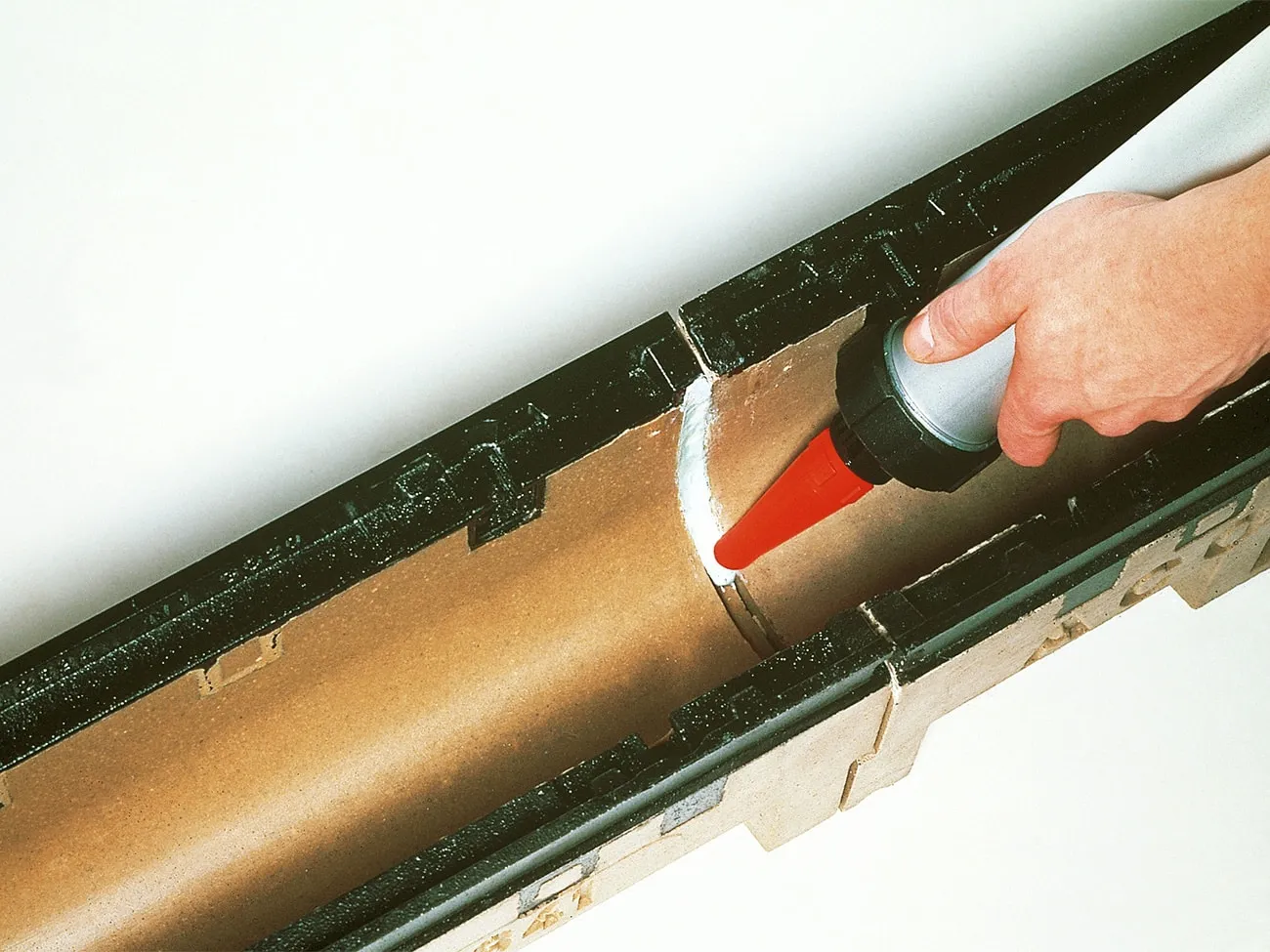
ACO is often told that a channel drain must be sealed. But “sealed” can mean watertight or liquid-tight, and liquid-tight is not the same as watertight. Whether a drain needs to be liquid-tight or watertight also depends on the floor and the applicable laws and regulations. Still with us? That is reason enough to take a closer look.
Liquid-tight floors
What does someone mean when they say a channel drain needs to be “sealed”? After a few questions, it often becomes clear that they need a liquid-tight channel drain because it is being installed in a certified liquid-tight floor, such as at a petrol station, car wash or garage. In these settings, there is a risk of environmental pollution, and liquid-tight floors and oil and petrol separators have been mandatory since the 1970s.
A liquid-tight floor protects the soil from environmentally harmful liquids such as oil, petrol and acids. A single drop of oil is enough to pollute 1,000 litres of water. Where a floor must be liquid-tight, it is generally handed over with a VVV certificate (Verklaring Vloeistofdichte Vloeren, Certificate of Liquid-Tight Floors).
Liquid-tight drainage
Drains installed in a certified liquid-tight floor must meet a number of requirements. For example, the liquid-tight channel drain must be impermeable to oils and light mineral liquids. Channel drains are available in many different materials, but polymer concrete channels are the best solution where watertightness or liquid-tightness is required. This is simply because polymer concrete is truly impermeable and highly chemically resistant, preventing any liquid from penetrating it. In a liquid-tight floor, the joints in the polymer concrete channel must be sealed with mastic, as the sealant joint must be accessible for inspection and replacement. In some situations, such as at petrol stations, KOMO certification for the channel drain is often required.
Sealin technology for watertight drainage
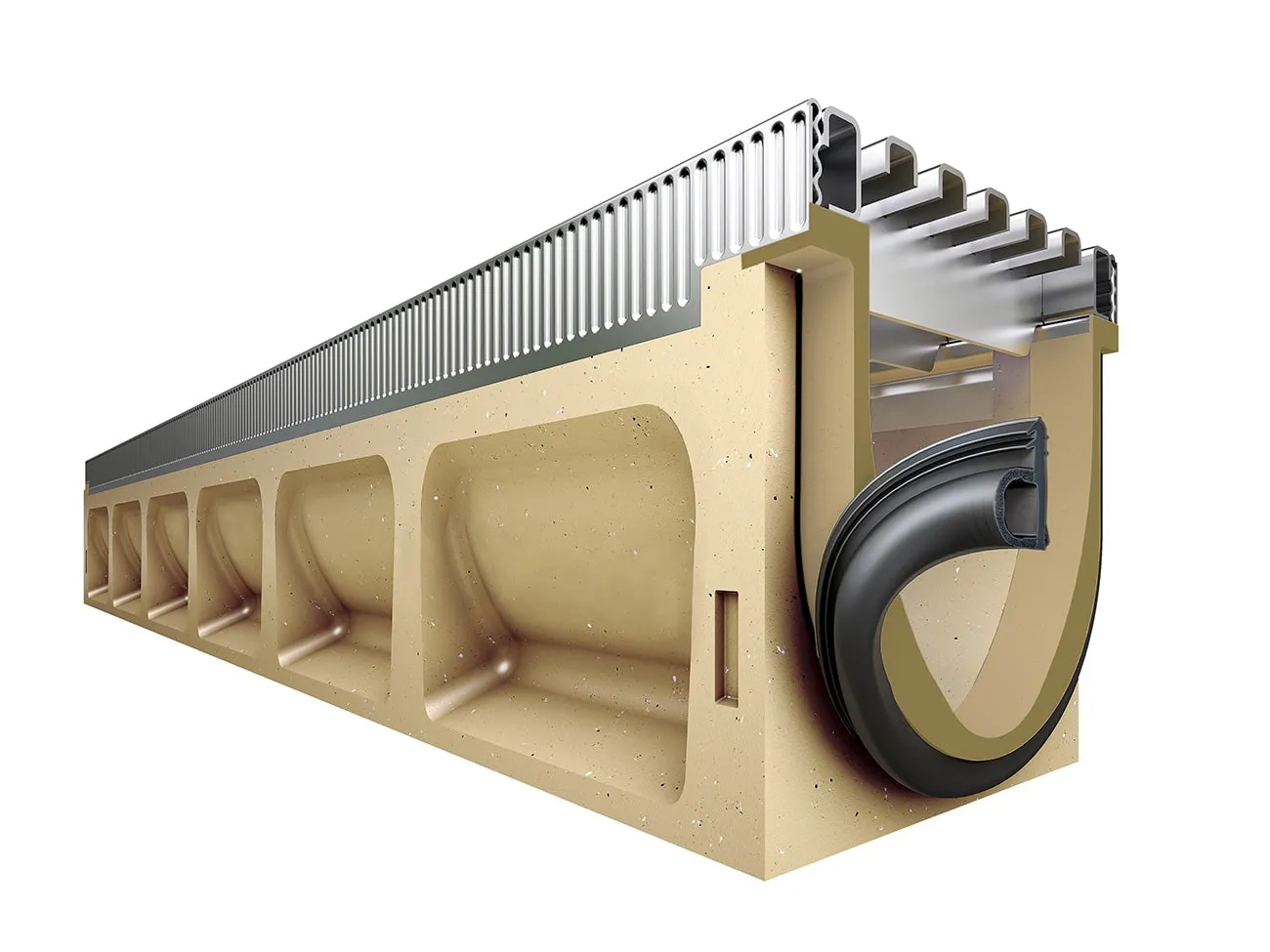
If there is no requirement for a certified liquid-tight floor, you can also install a watertight polymer concrete channel drain with Sealin technology. These drains have an integrated EPDM seal, so there is no longer any need to apply sealant between the channel sections. This saves time and money during the construction phase. The result is the best of both worlds: water is collected and discharged quickly and safely, maximising protection for the subsoil and groundwater, while also saving time during installation. The first fully watertight linear drainage systems available with this innovative technology are the MultiLine Sealin and the new PowerDrain Sealin. These channel drains comfortably meet the watertightness requirements of NEN-EN1433 and BRL5211 (KOMO). The Sealin EPDM seal is protected inside the channel profile, so it cannot be damaged by mechanical cleaning of the drains or exposure to the elements. This ensures long-lasting watertightness. Because EPDM rubber is not suitable for continuous loads or light mineral liquids such as oil and petrol, and the rubber cannot be replaced, Sealin drains are less suitable for use in liquid-tight floors.
Question about this story? Ask your question
Keep following this
Get an email when a new story is published. No account needed.
- SubjectWater infrastructure







