









‘Let’s give the hydraulic engineering sector a powerful voice’
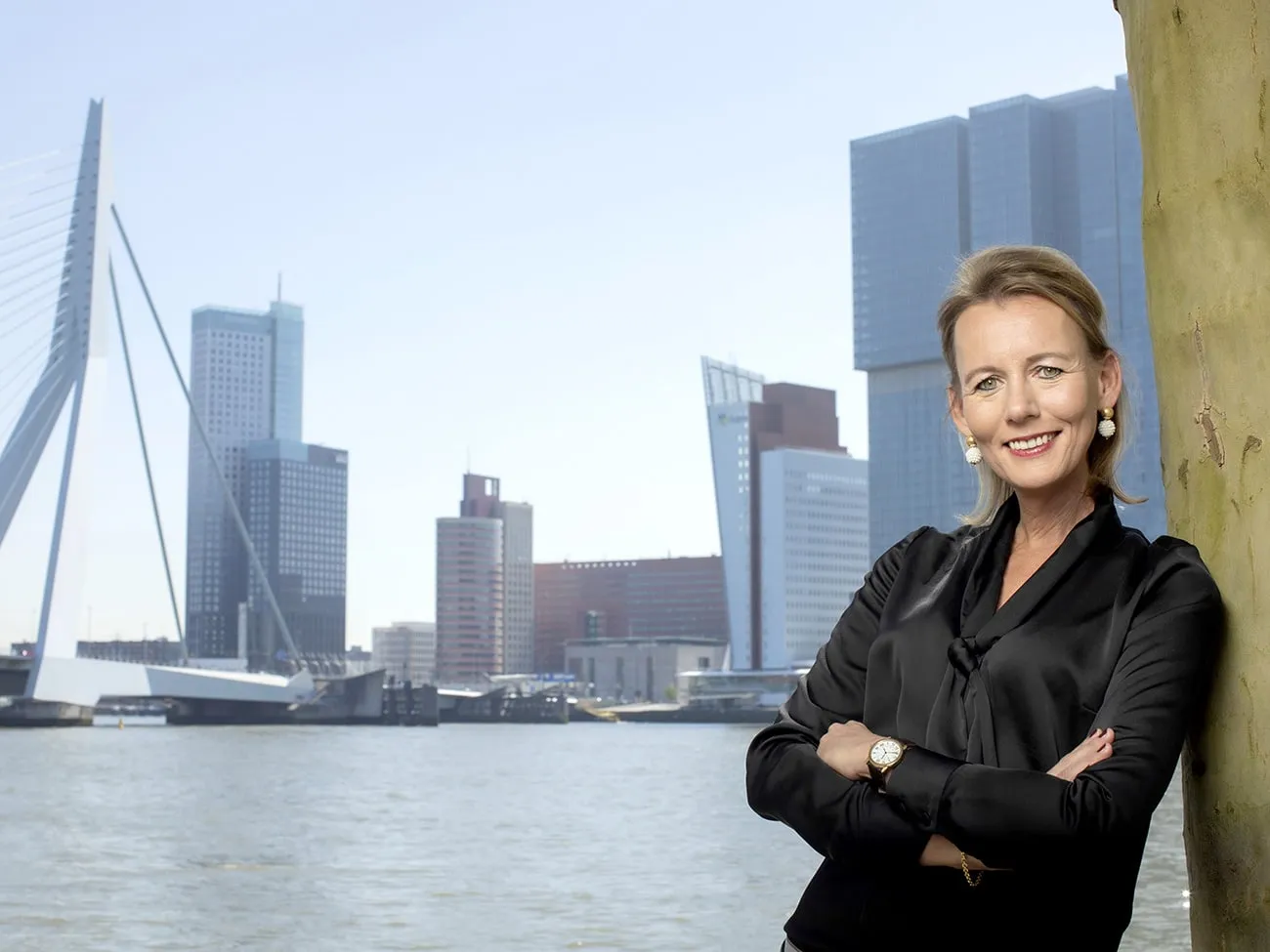
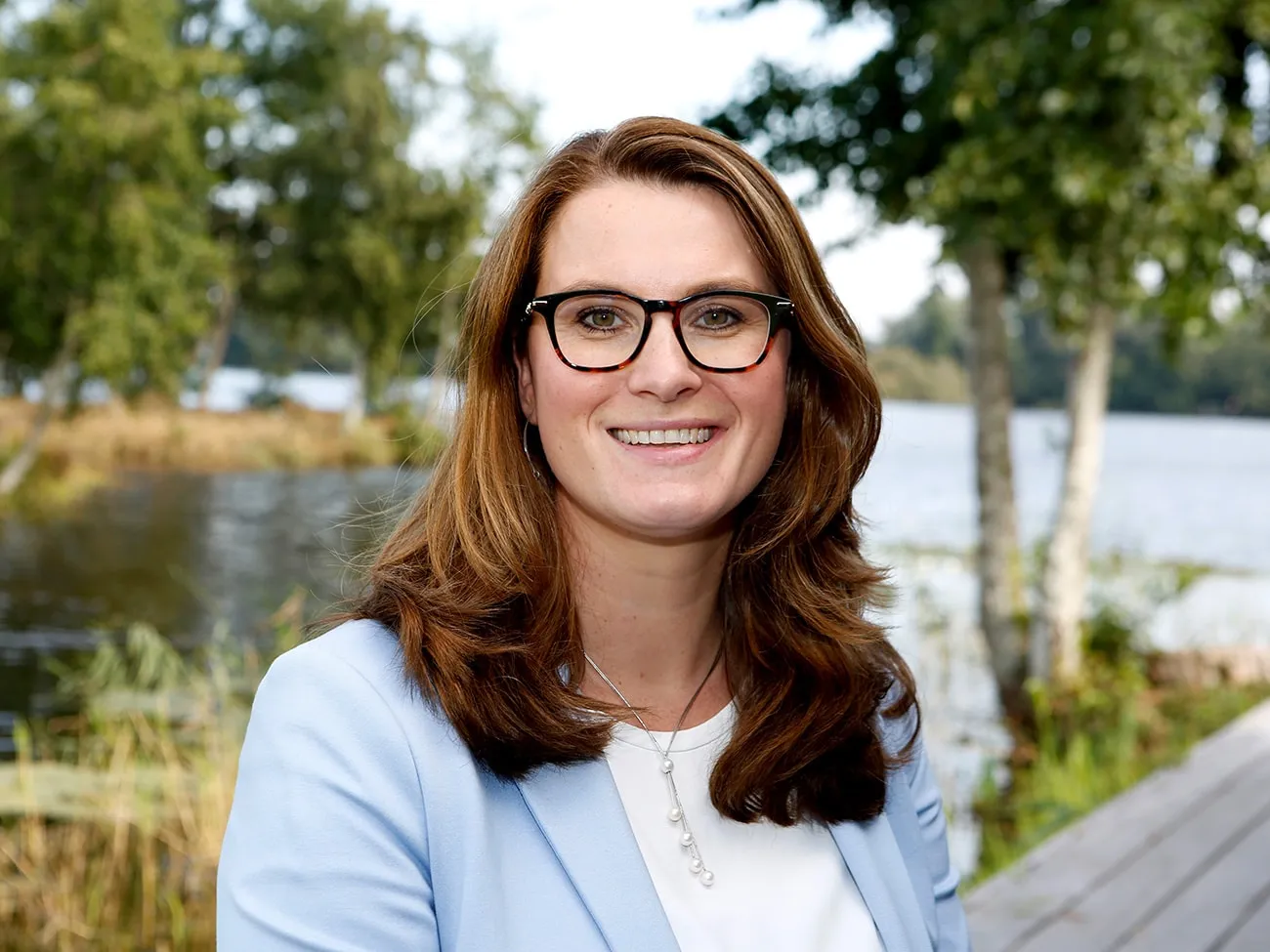
They know each other from the Port of Rotterdam and share a passion for everything that happens on the water. Their paths may diverge, but sooner or later they cross again. We sit down with Andrea Vollebregt, director of the Dutch Association of Hydraulic Engineering Contractors, and Caroline Nagtegaal, van Doorn, Member of the European Parliament (People’s Party for Freedom and Democracy (VVD) | Renew Europe (RE) Committee on Transport & Tourism (TRAN) | Committee on Economic & Monetary Affairs (ECON).
Andrea Vollebregt and Caroline Nagtegaal are working towards a shared goal
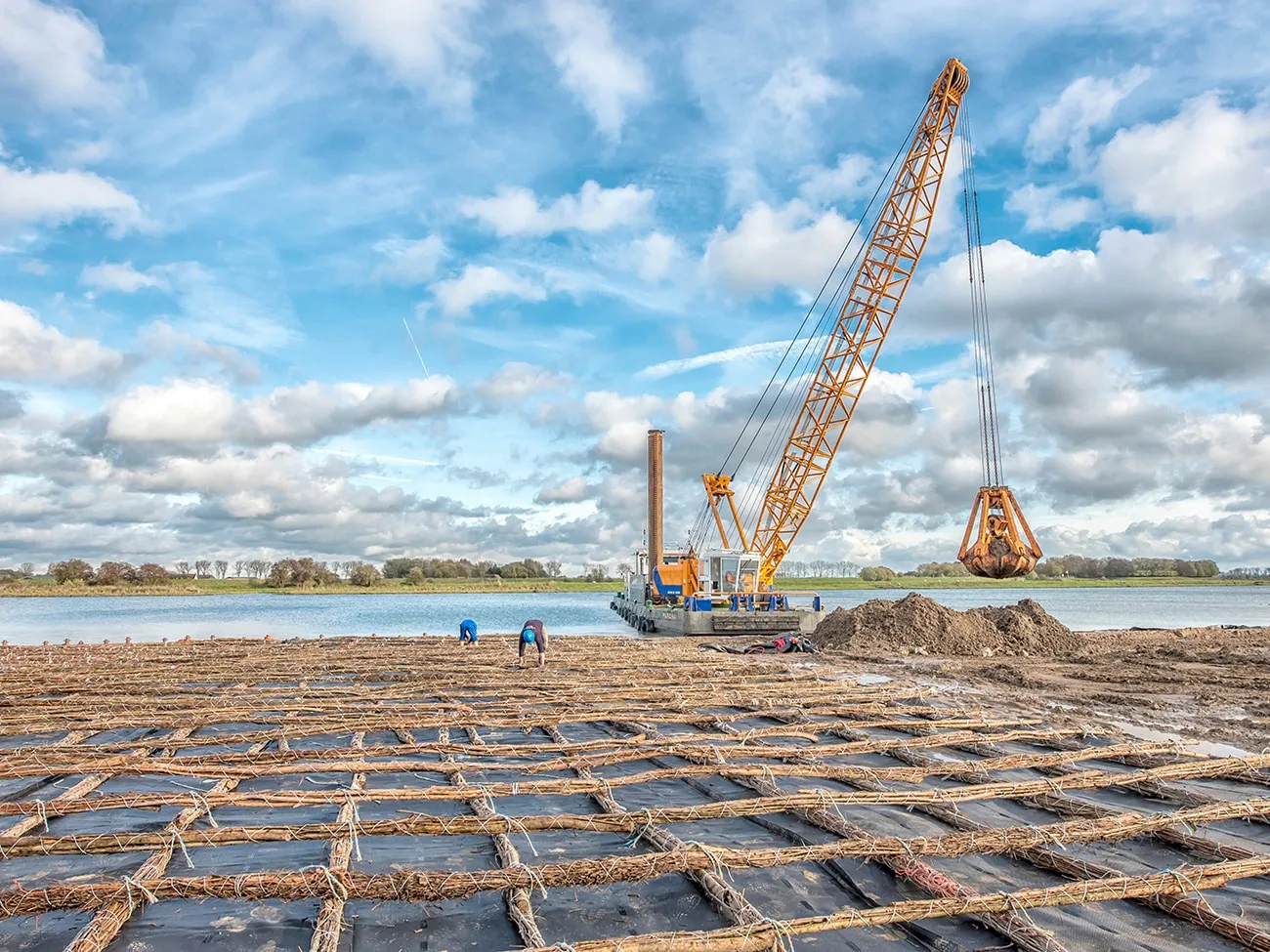
The conversation focuses on the visibility of the hydraulic engineering sector as a whole. There is room for improvement, they unanimously agree.
Building connections
“Most players in the transport sector now know their way around Brussels. Inland shipping, however, as well as the hydraulic engineering and maritime shipping sectors, could use help raising their profile,” says Caroline. “I see it as a rewarding task to help with that. I actively approach them to give them a voice in Brussels.” Andrea nods and says: “The hydraulic engineering sector still does not get enough recognition. But in light of climate change, the need to replace water infrastructure and the great demand for well-trained staff, it is essential to be visible and show the value the sector adds. We are working hard on that at the Association of Hydraulic Engineering Contractors. The association and its member companies are investing heavily in areas such as social media, media campaigns and information provision. For example, to get young people excited about this great profession and show what the hydraulic engineering sector can contribute to a future-proof life in the Dutch delta. To achieve this, we also depend on workable legislation and regulation at national and European level.”
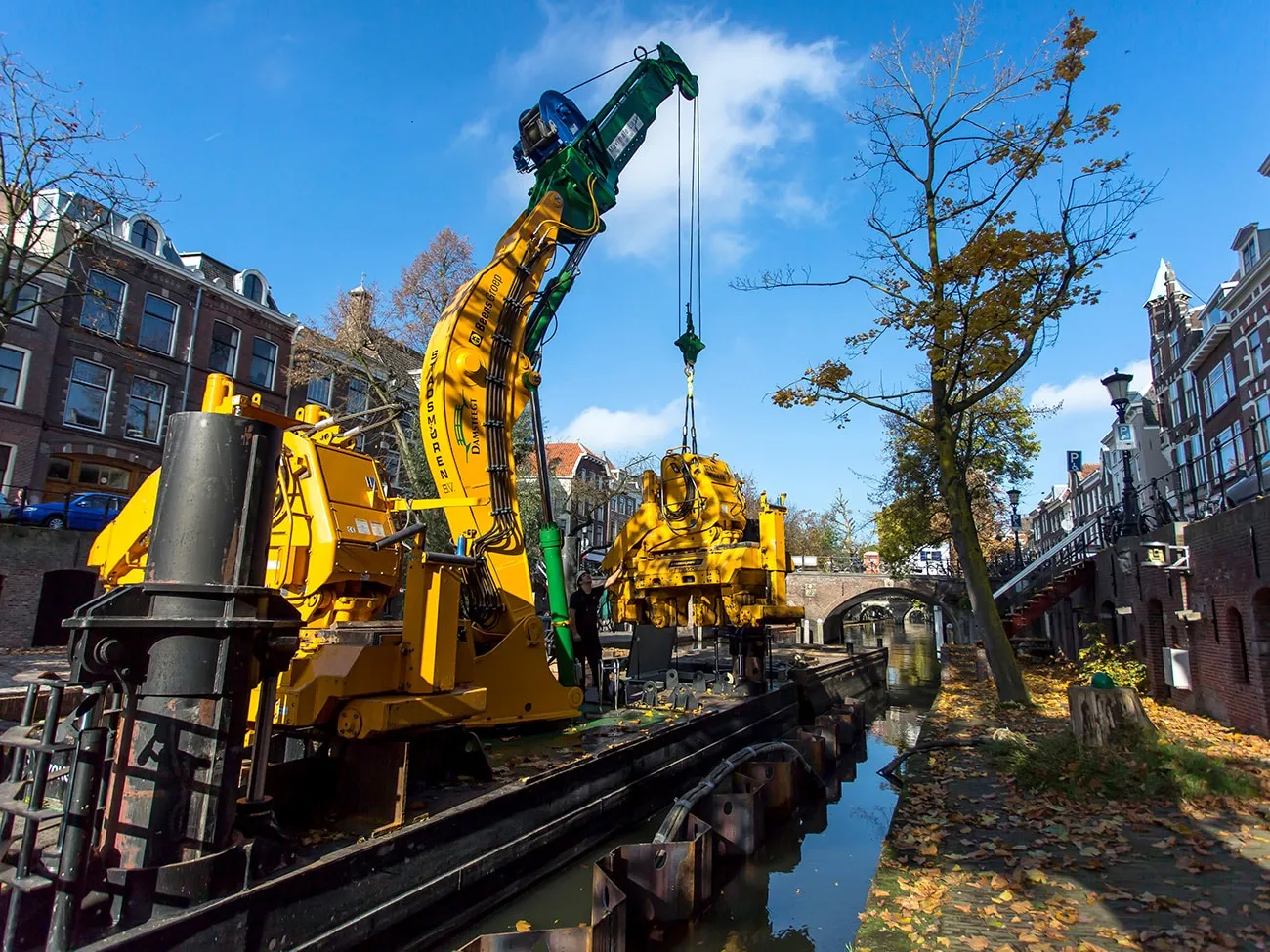
It is all about building connections. Caroline says: “We ask how we can help maritime and inland shipping and the hydraulic engineering sector. I want to put them more firmly on Europe’s radar so they are seen and the government pays attention to them, not only financially, but on every front. In a plan of action, I involve inland shipping, hydraulic engineering, ports, as well as local authorities, port terminals and trade associations.
The question I ask is: ‘How can Europe help drive the shift to greener operations?’ We need to think about enabling the use of new clean fuels, digitalisation, staffing and training if we want to become the preferred choice for transport. The sector urgently needs support with this.”
Pursuing emissions reductions
“Achieving 100% emissions-free operations in the short term is a pipe dream,” Caroline continues. “What we can do is limit emissions as much as possible, and there are already plenty of ways to do that. Let’s make use of the transition fuels available. Let’s electrify where we can and, where combustion engines are still needed, opt for cleaner fuels.” Andrea says: “We have carried out research into the domestic hydraulic engineering fleet, providing insight into ways to make equipment in this atypical fleet cleaner and emissions-free. Different solutions will be needed to operate sustainably. The fleet consists of a wide variety of vessels, including dredgers, pile-driving vessels, crane vessels, workboats, floating plant and smaller equipment. They all differ in size and power requirements, and have different options for becoming more sustainable. The conclusions are that we are in a transition and need to make choices in view of the fleet’s long service life. Should we invest now in existing sustainable options that may no longer be permitted in the future? Or wait longer and then invest directly in the latest options and achieve greater emissions reductions? We also need to ensure there is sufficient capacity for sustainable fuels and, in turn, adequate infrastructure. Timely changes to legislation and regulation are essential too. These are all issues Caroline can take to Brussels. Finally, our member companies need a clear investment outlook. The government and clients must realise that this transition costs money. They can make a difference by providing appropriate subsidies and making sustainability a meaningful factor in tendering, while also recognising its value.
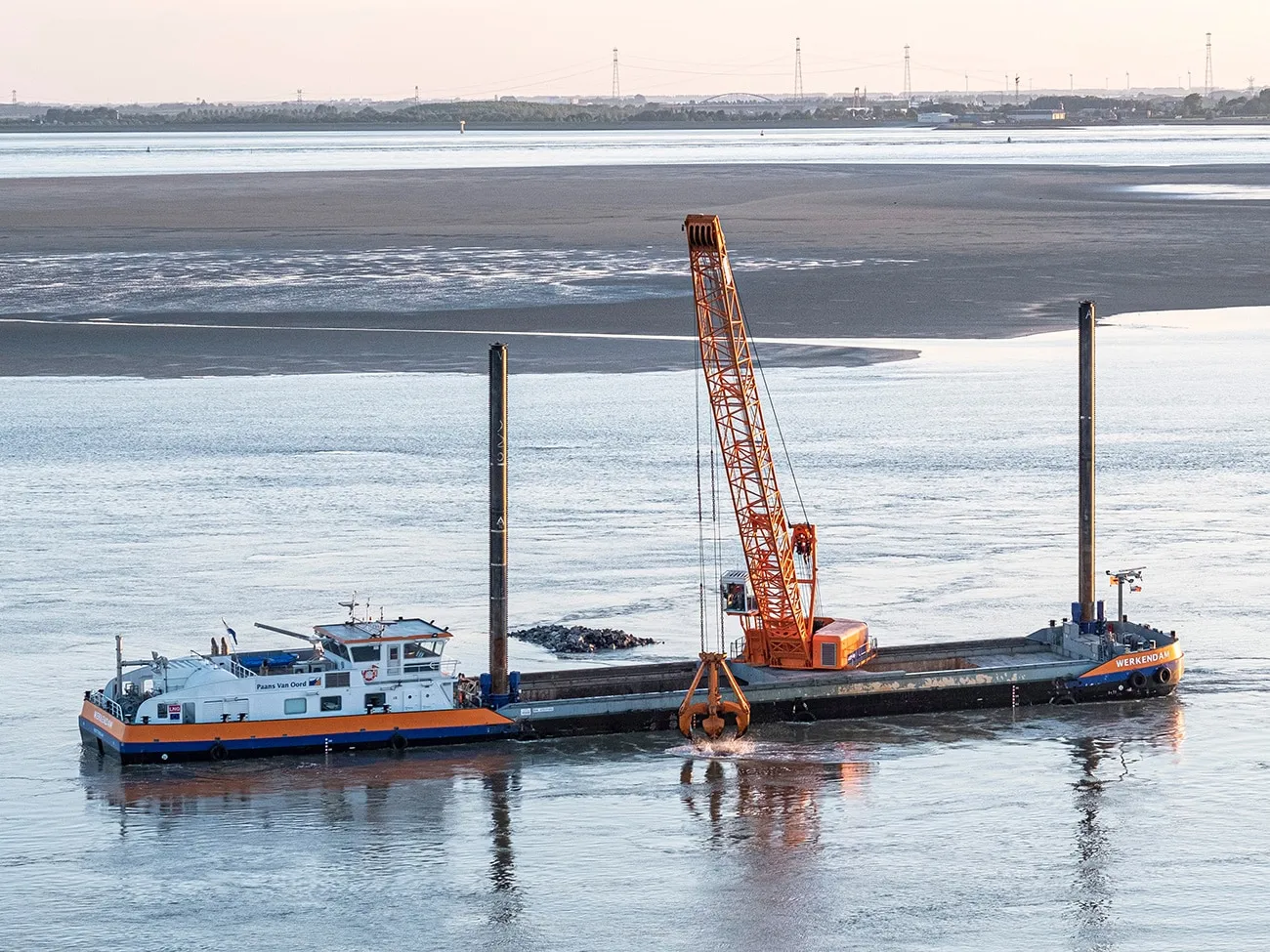
“It is important to take the first steps,” says Caroline. “High investment costs can be off-putting, but if the government helps cover the funding gap, the market may embrace the solution and it can take off. We also need frontrunners to set a good example. I keep examples like these up my sleeve and take them to Brussels. I am more than happy to show how hard the sector is working and what risks it is taking to become greener. I show that greening also presents major economic opportunities.”
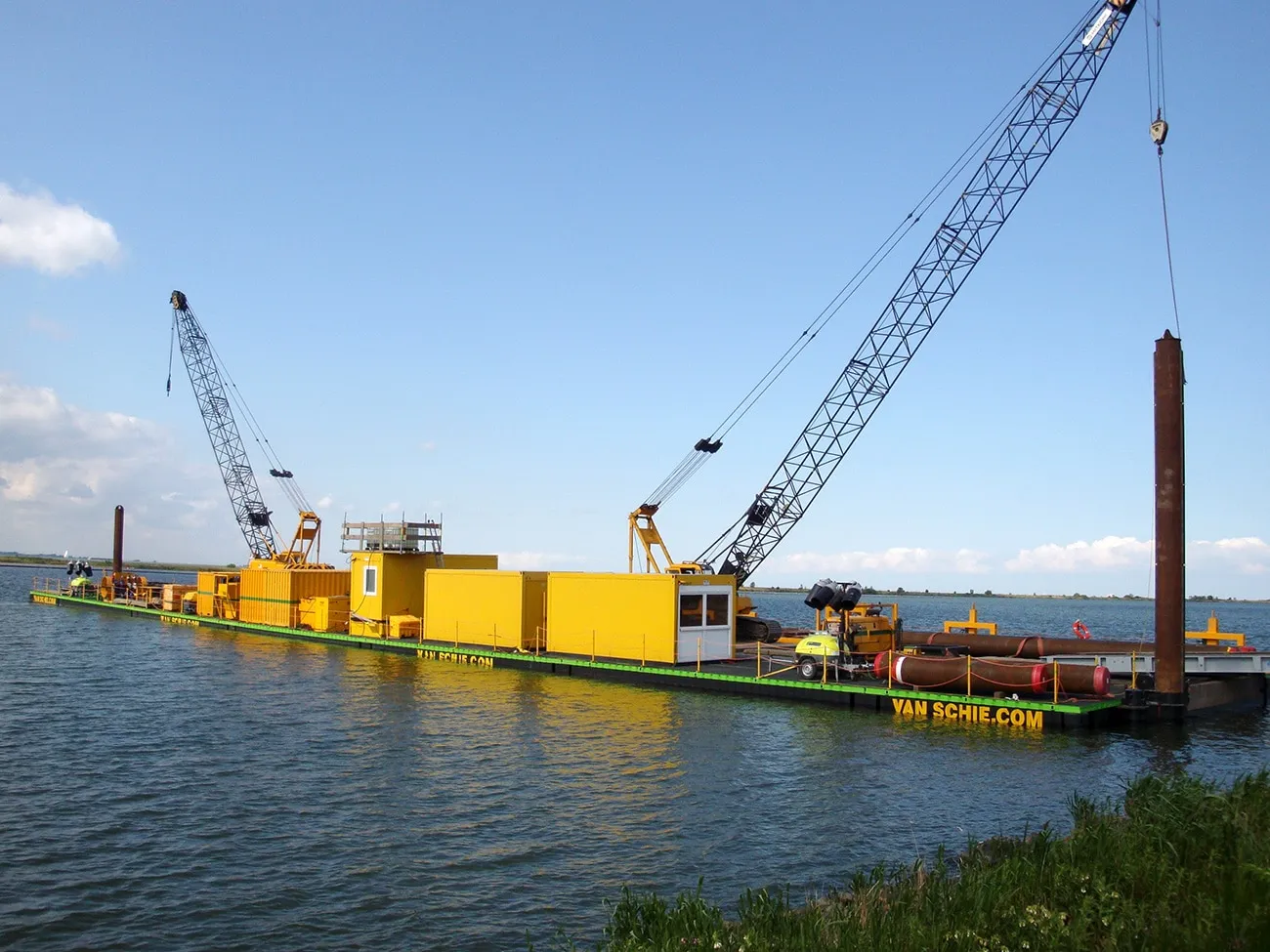
‘We need mobile power supplies’
Finally, we discuss ways of getting power to places the grid can no longer reach. “To electrify, we need mobile and floating power supplies. We must not focus only on the cabinets on the quay,” says Caroline. “Only then will proper electrification be possible in hydraulic engineering. And for both hydraulic engineering and inland shipping, we need more shore power connections. I think the ‘Skoonbox’ in Amsterdam is a great example. It is a container battery that supplies enough power to power seagoing ships. It is also charged with green electricity. Floating power supply is definitely one of the solutions.”
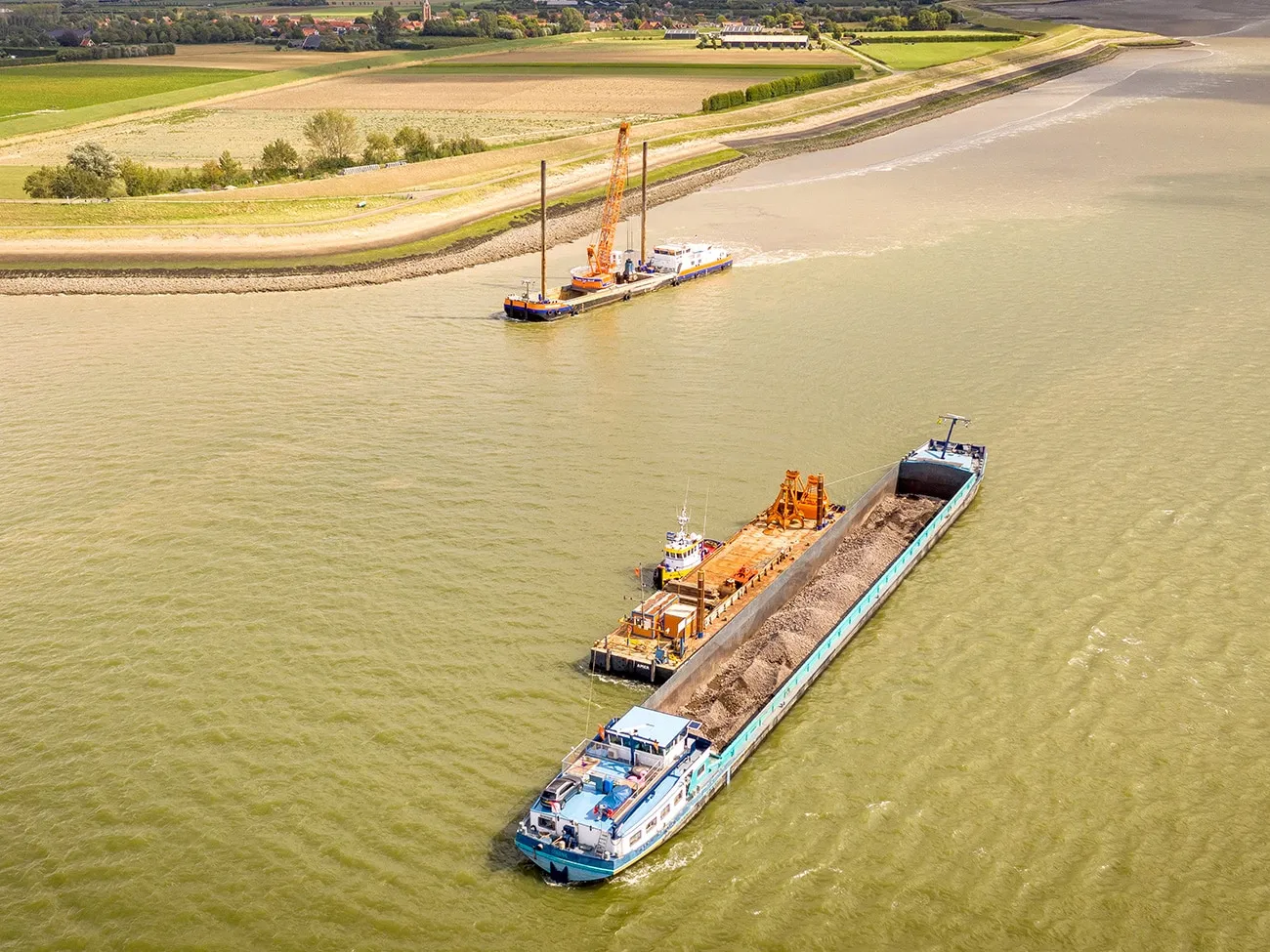
Andrea says: “Mobile power supplies or mobile hydrogen bunkering are interesting options for hydraulic engineering and form part of sustainable infrastructure. There is still a way to go, but we are heading in the right direction. I am convinced that innovations and technological developments will follow one another rapidly in the years ahead. If we continue working together to raise the profile of inland shipping and hydraulic engineering, they will soon be a permanent part of the government’s portfolio. We are helping to develop transition pathways for all types of vessels and equipment, so that we can offer the sector a clear outlook. There is a big difference between having to work out how to apply a generic solution to a vessel that was not built for it, and being able to use a tailor-made solution designed for your type of vessel.”
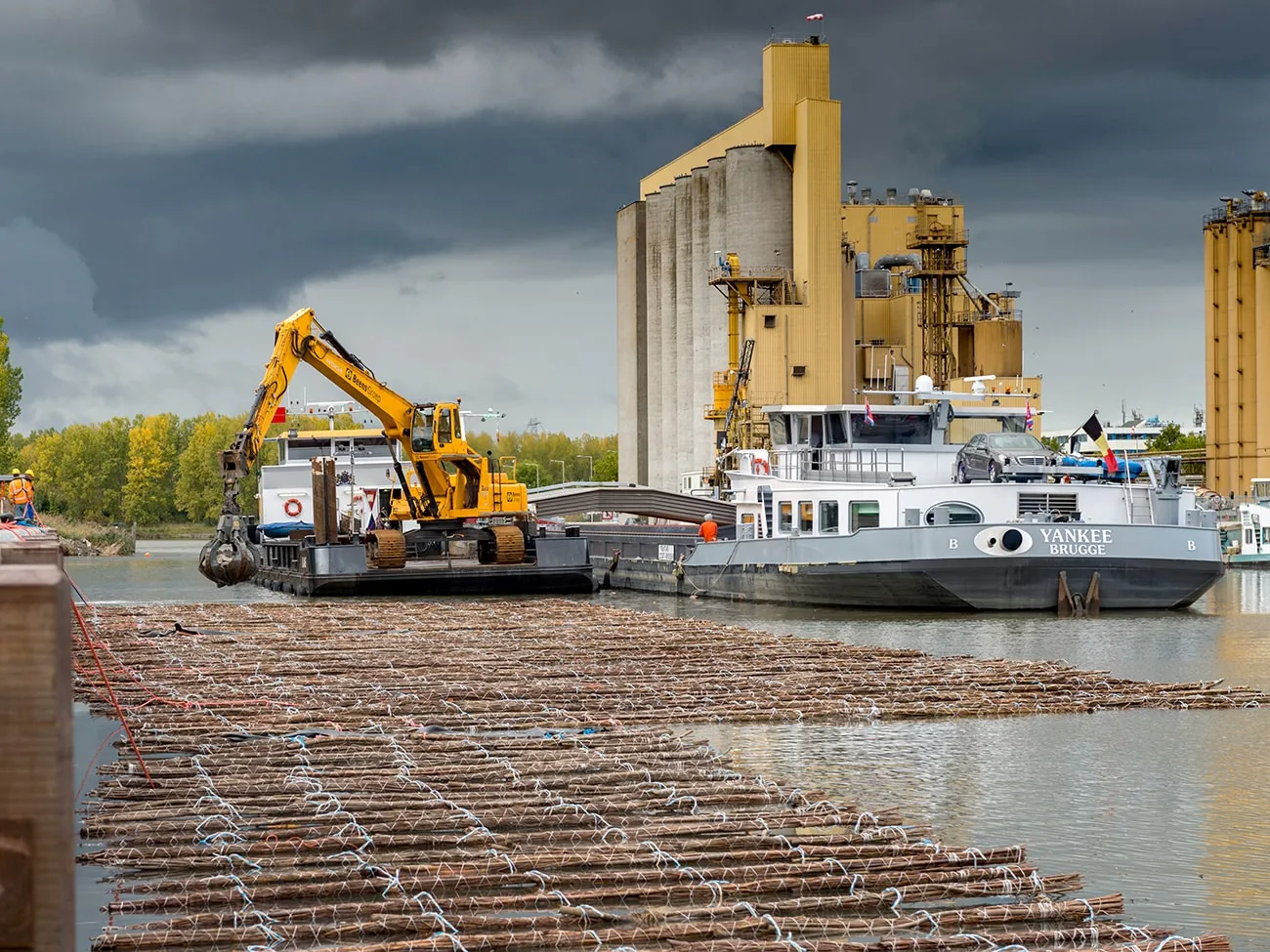
Caroline concludes: “The idyllic image of inland shipping, with the appealing sight of a cargo vessel carrying a car, a washing line with children’s clothes, a dog on the aft deck and a mum and dad in the cabin, needs to be brought to people’s attention more effectively, in my view. When people think of hydraulic engineering, they picture that dredger in the middle of a lake, and could watch it for hours. The fact that there is an enormous economic interest behind both sectors is completely unknown. We will make clear the role played by all the different elements, pull the right strings and work tirelessly on behalf of these sectors.”
Question about this story? Ask your question
Keep following this
Get an email when a new story is published. No account needed.
- SubjectWater infrastructure







