









It is time to take a critical look at pumping stations in the Netherlands
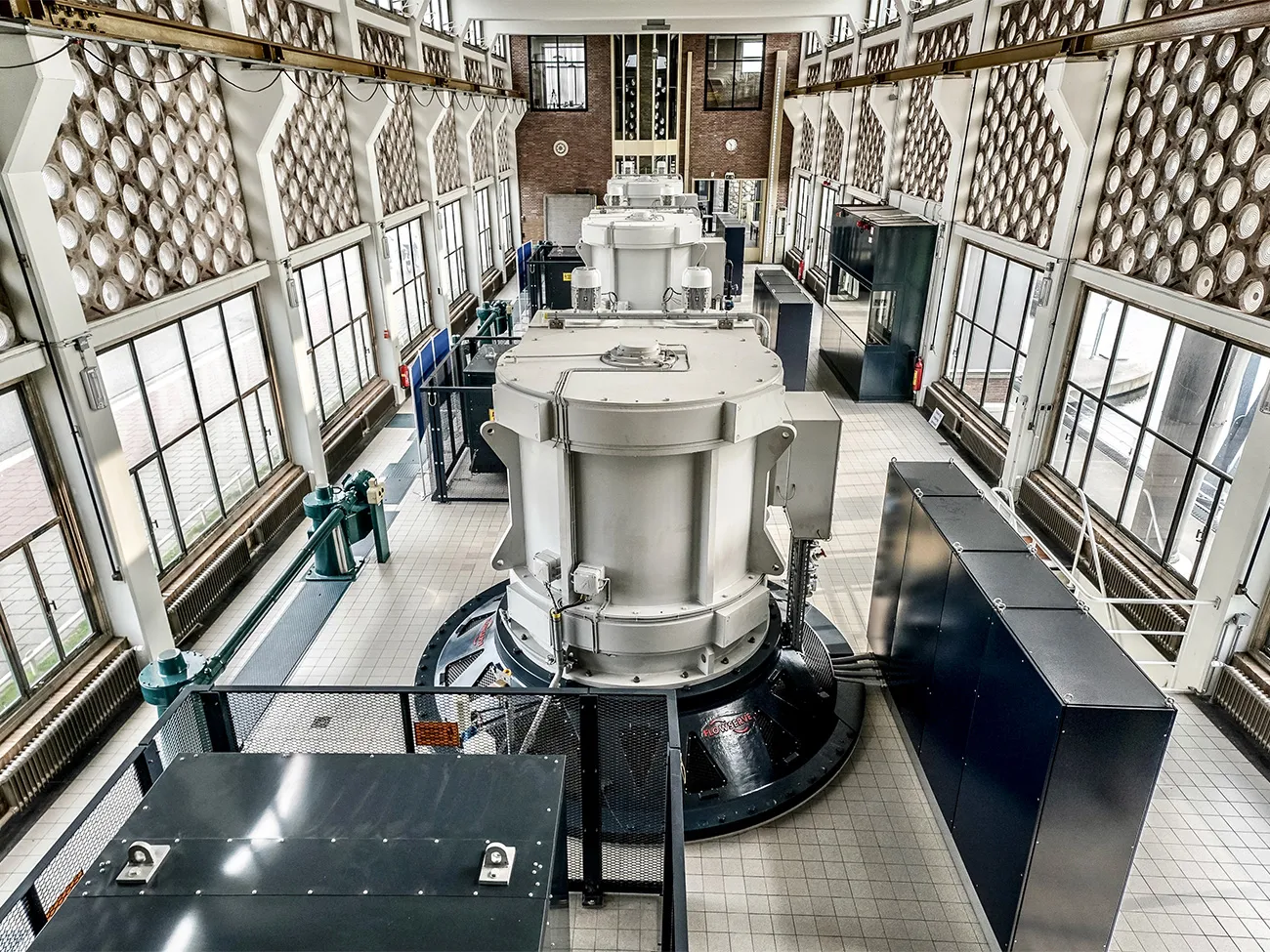
‘In the Netherlands, we need to start asking ourselves how we can systematically future-proof our pumping stations’
Increasing water damage across the country is causing damage, fear and grief, and costing us enormous amounts of money. Times have changed, and our low-lying country, traditionally renowned for its water management, is struggling in the fight against water. GWW Magazine sits down with Flowserve, a company known worldwide for developing and manufacturing pump systems. Jan Vervoort, responsible for the drinking water and pumping station market in the north of the Netherlands, Ronald Lammerink, responsible for the drinking water and pumping station market in the south of the Netherlands, and Tim Bastiaansen, engineering specialist in hydraulics, discuss the current state of pumping stations from the perspective of their expertise.
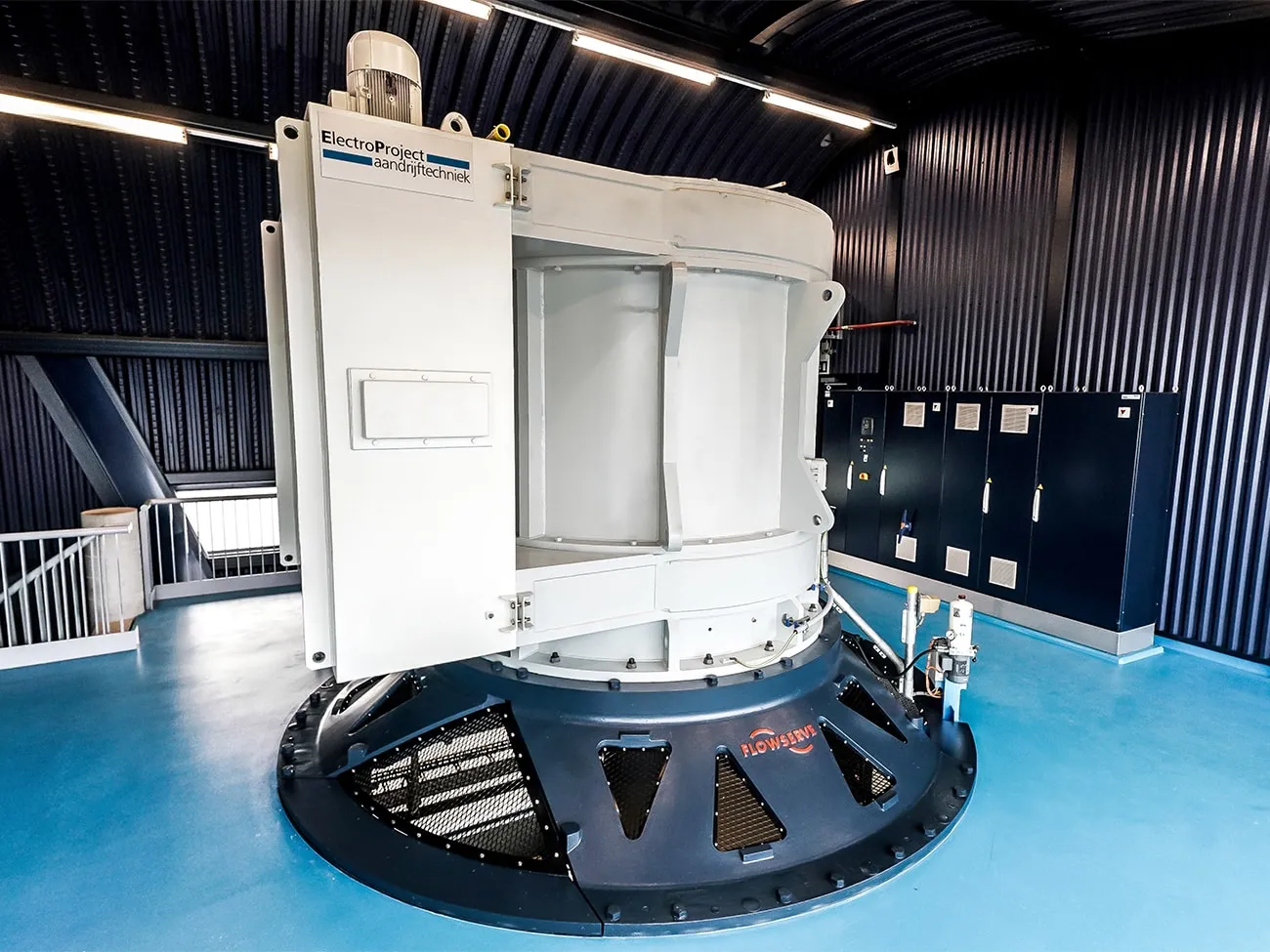
Giving old pumping stations a second life
Jan opens the discussion: “You can tell that we are living in different times. Climate change is bringing ever higher water levels, while the very frequent, heavy rain showers are producing unprecedented volumes of water that need to be drained. In practice, this means that many pumping stations can no longer cope with the demands placed on them. We also see that we increasingly need to give nature a helping hand, because natural gradients are no longer enough to drain water quickly enough. A good example is the construction of a new pumping station as part of the Afsluitdijk renovation currently under way. With sea levels rising, there is no longer enough capacity to discharge water by gravity, so pumps are now also needed. Flowserve’s pumps move water from the IJsselmeer to the Wadden Sea. We are therefore becoming dependent on mechanical solutions. At Flowserve, we see this as an important responsibility: we use our knowledge and expertise not only to solve a technical problem, but also to meet a wider social responsibility. That is a tremendous motivation for us every day.”
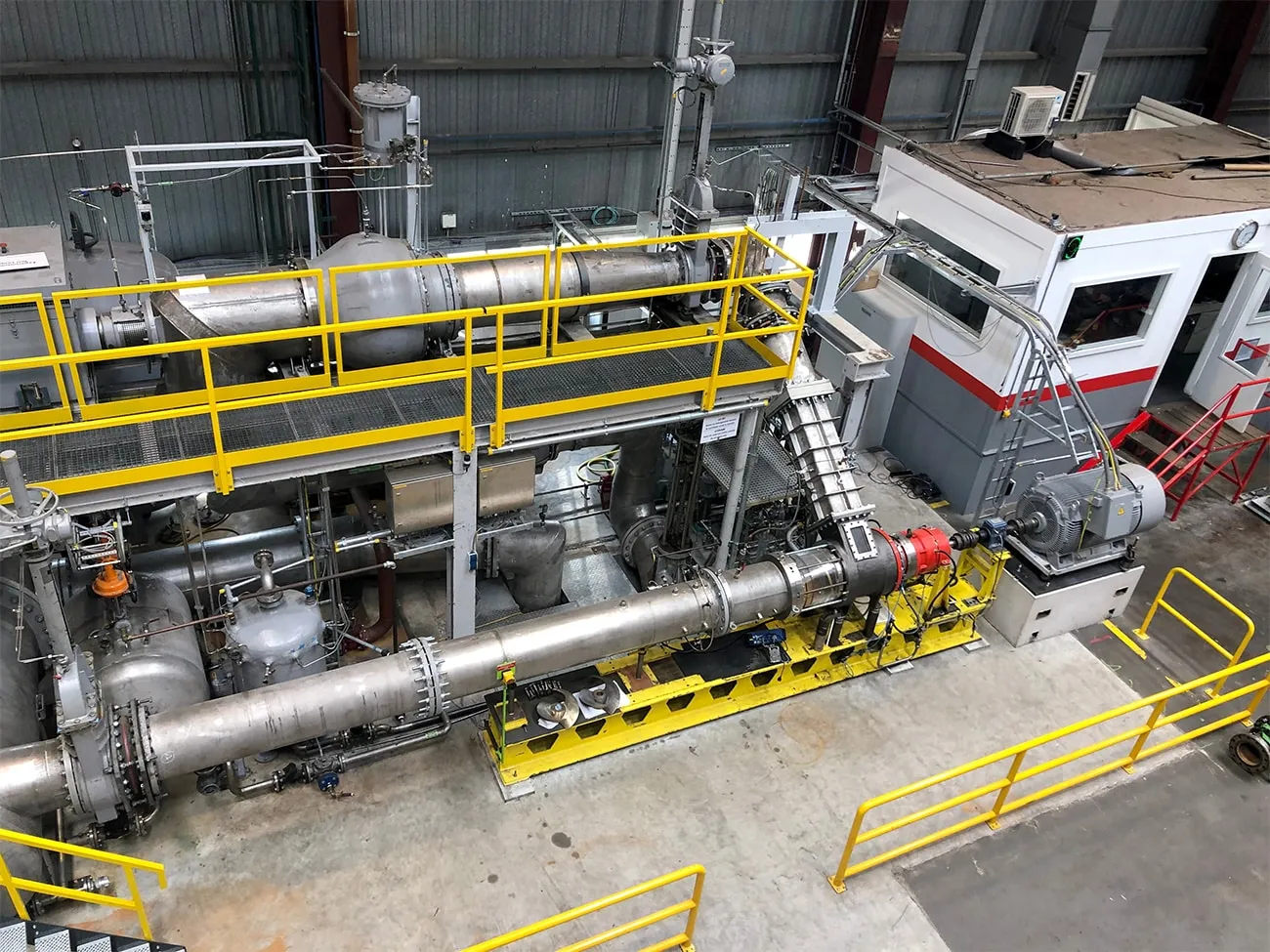
At Flowserve, the view is that the most efficient and affordable way to future-proof pumping stations is to modify existing ones. “Giving a pumping station a second life with state-of-the-art modifications is effective and sustainable,” says Ronald. “You not only solve the problem of draining water, you also save money and help reduce CO2 emissions. We have already helped many pumping stations in the Netherlands enjoy a second life.” Tim cites the modifications to the pumping station in Katwijk as an example: “A fine combination of old and new. We upgraded three old pumps and added a fourth, new one. The same was done at Wetering pumping station, operated by Waterschap Drents Overijsselse Delta. Capacity has been increased, and all the pumps are now fitted with fish-friendly hydraulics.”
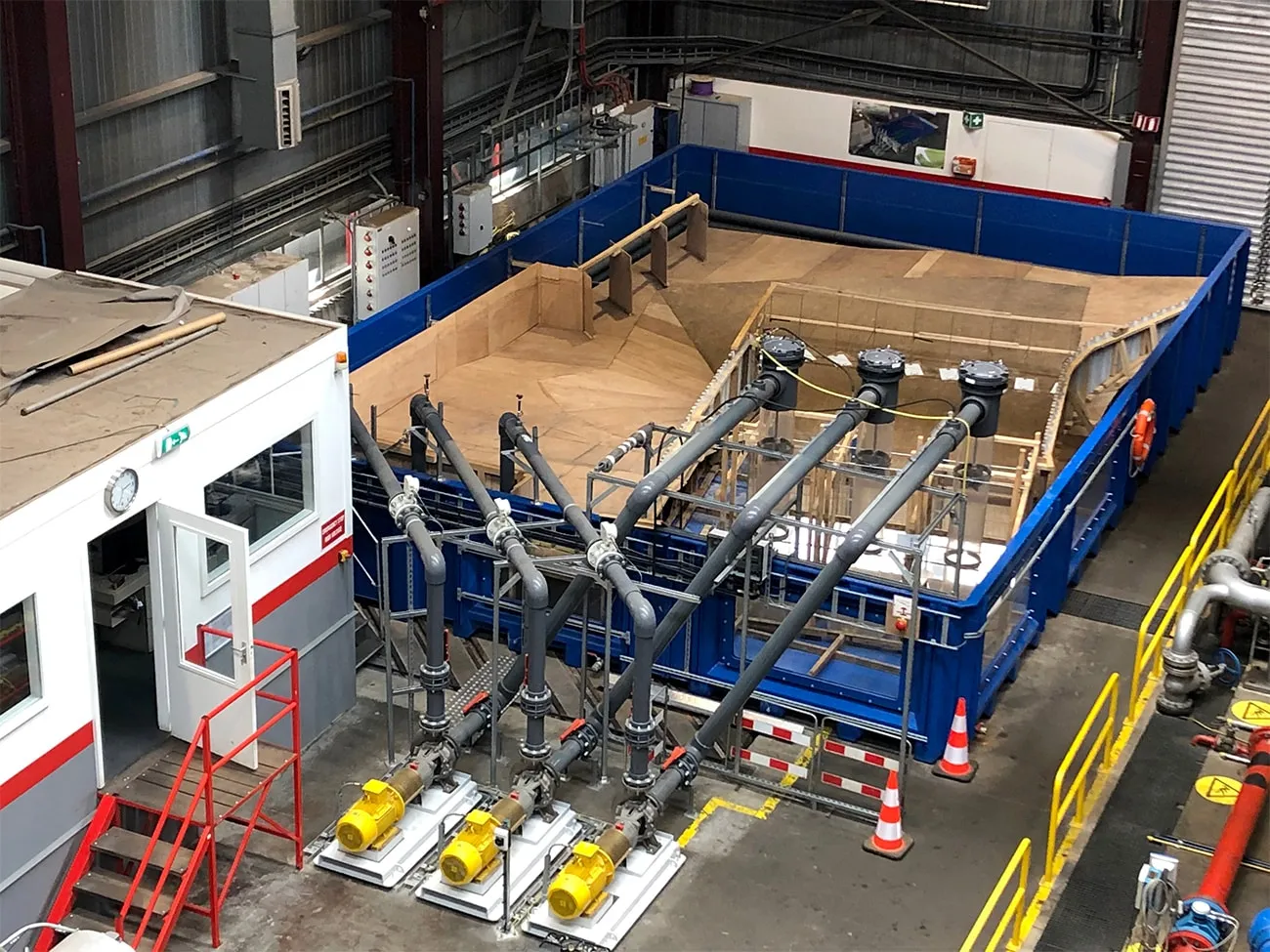
Developing and testing
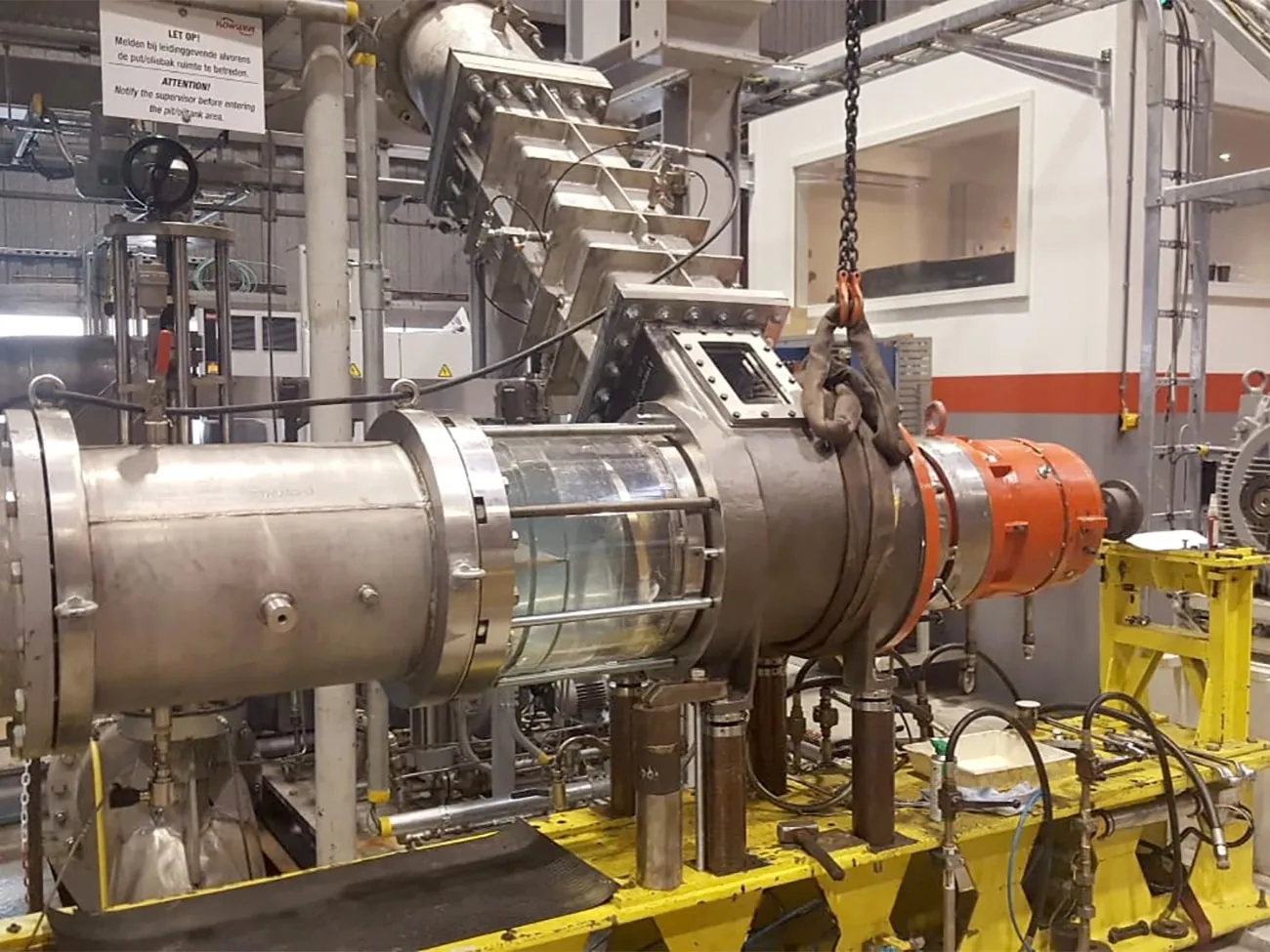
Flowserve continually takes innovation and pump optimisation a step further. Development and research take place at Flowserve’s campus in Etten-Leur, with the Vossendaal test centre as the icing on the cake. Pumps are tested there at scale, and flow patterns in the inlet structures are assessed in scale-model tests and improved where necessary. Tim says: “It’s a unique opportunity to visualise what is happening. We measure inlet flow patterns using dye injection and carry out cavitation tests. The pumps are cut open and fitted with plexiglass, so the process can be followed live. Testing is truly part of our engineering.” Jan adds: “That is how Flowserve provides certainty: we test and validate in-house.” Ronald continues: “At Vossendaal, we can test pumps at a scale of around 30 cm and reliably scale them up to impeller diameters of up to 460 cm. With our knowledge, experience and available resources, we can achieve a great deal. A good example is Sasse pumping station, built in 1928, which had stopped working. Following our upgrade, it will be ready for at least another 40 years!”
A global commitment to water
“Once again, we need to start asking ourselves in the Netherlands how we can systematically future-proof our pumping stations. The existing drainage network can no longer cope with the volume of water in many urban areas. The pumping stations were not designed for this, so they need upgrading. Old pumping stations in polders were not designed to serve built-up areas, yet this is increasingly common as municipalities expand. What are we going to do about it?” Jan concludes. “Water is a global focus for Flowserve, but we are eager to get things in order here at home, for everyone’s benefit.”
Question about this story? Ask your question
Keep following this
Get an email when a new story is published. No account needed.
- SubjectWater infrastructure







