









From crisis to constant vigilance
Text Roel van Gils Image Rijkswaterstaat
How water is allocated in the Netherlands
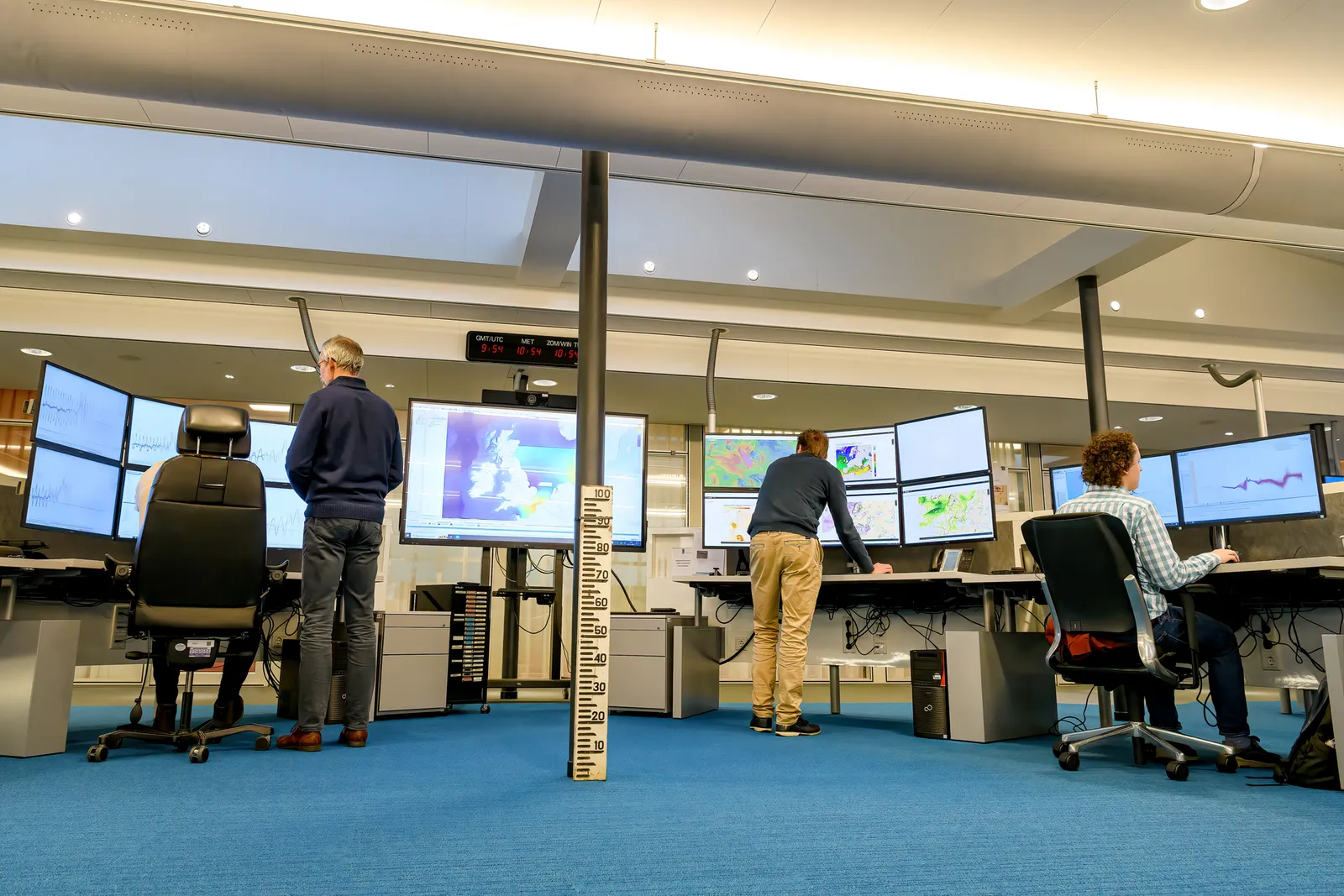
The Netherlands is known as a country of water, but water availability can no longer be taken for granted. Within Rijkswaterstaat, the Landelijk Coördinatiecentrum Overstromingen (LCO) and the Landelijke Coördinatiecommissie Waterverdeling (LCW) play a crucial role in managing risks and scarcity. “Our job is to build a single national picture of what is happening and what it means,” says Cristel de Zwaan, LCO/LCW coordinator at Rijkswaterstaat.
The LCO focuses on (the threat of) flooding, while the LCW deals with allocating fresh water during drought. Both operate as national partnerships of water managers, with water boards, Rijkswaterstaat and the KNMI as permanent partners. “The LCW also brings in provinces, ministries, drinking water companies, shipping, industry, and the nature and energy sectors,” De Zwaan explains. “We work to clear procedures: how we operate, who is at the table and what information we need.”
Working together
According to the coordinator, the system’s strength lies above all in collaboration. “Communication channels are short, people know each other and understand each other’s water systems.” This shared knowledge proved invaluable during the extreme drought years of 2018 and 2022. “You can see understanding growing: if I create a few cubic metres of capacity here, I can prevent damage elsewhere. People are willing to genuinely help each other. For example, water is managed intelligently between different water boards in the Amsterdam-Rijnkanaal area to serve all interests, prevent saltwater intrusion and keep fresh water available.”
Data-driven management
Up-to-date data provide the basis for decisions. Water levels, rainfall forecasts, river flows and salinity measurements are brought together in a single overview. “We set out where things stand, what the models predict and where we need to take additional action.” At the same time, uncertainty is unavoidable. “Forecasts are never one hundred per cent certain. There may always be a little more or a little less. That applies to the weather, but just as much to water.” Expertise and scenario planning therefore play a major role in interpreting the data.
Robust
According to De Zwaan, the water management system has so far proved robust, but it has its limits. “We cannot make fresh water. At some point, there is no more flexibility.” The reality is that fresh water will not always be available everywhere in the future. “Sectors need to prepare: by storing water, adapting or accepting that there will be periods with less water. Infrastructure must also be designed with this in mind, for example by incorporating additional water-level capacity or measures to prevent saltwater intrusion when weirs and locks are replaced. This is already happening in practice,” she adds.
Routine management
One striking point is that many measures which began as crisis responses are now part of routine management, De Zwaan summarises. “Monitoring takes place all year round, and water managers act sooner, for example by retaining water for longer. We no longer wait until things go seriously wrong.” The most important lesson from previous droughts? “You cannot do this alone. Crisis management is network management.” Water does not stop at administrative boundaries and largely comes from abroad. “Good cooperation, nationally but especially internationally, is essential. That is where we need to keep investing.”
Question about this story? Ask your question
Keep following this
Get an email when a new story is published. No account needed.
- SubjectWater infrastructure







